
How to Use Salt Water Gargling for Good Toothache Relief
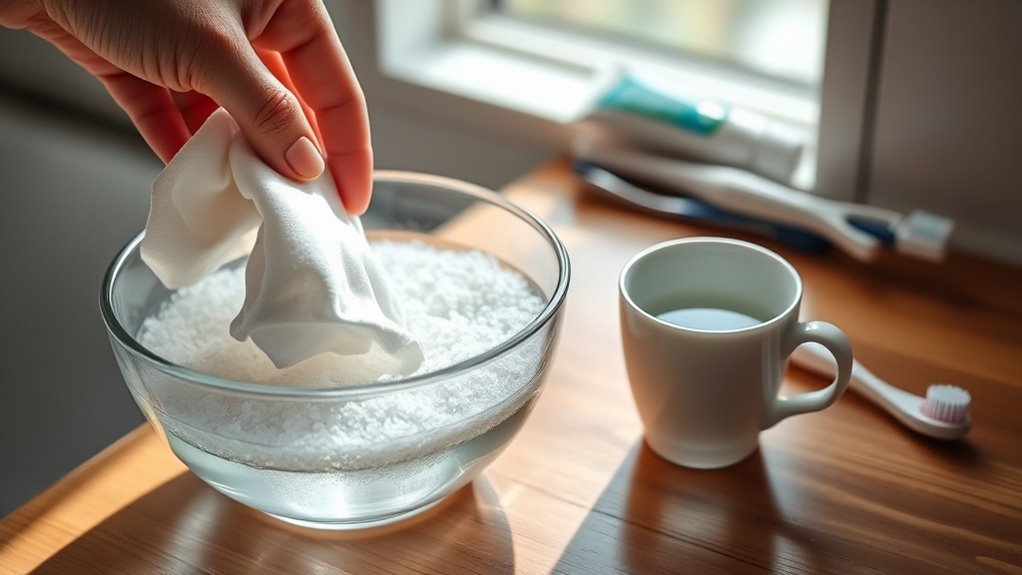
To ease your toothache, salt water gargling is a simple and effective remedy. Mix ½ teaspoon of salt in a glass of warm water and gargle for about 30 seconds, then spit it out—don’t swallow.
Do this 4-5 times a day, especially after meals, but avoid overdoing it to prevent irritation. Salt water helps reduce bacteria, soothe inflammation, and promote healing.
If you want to know how to combine this with other remedies and when to seek dental care, keep exploring these helpful tips.
How to Use Salt Water Gargling for Toothache Relief
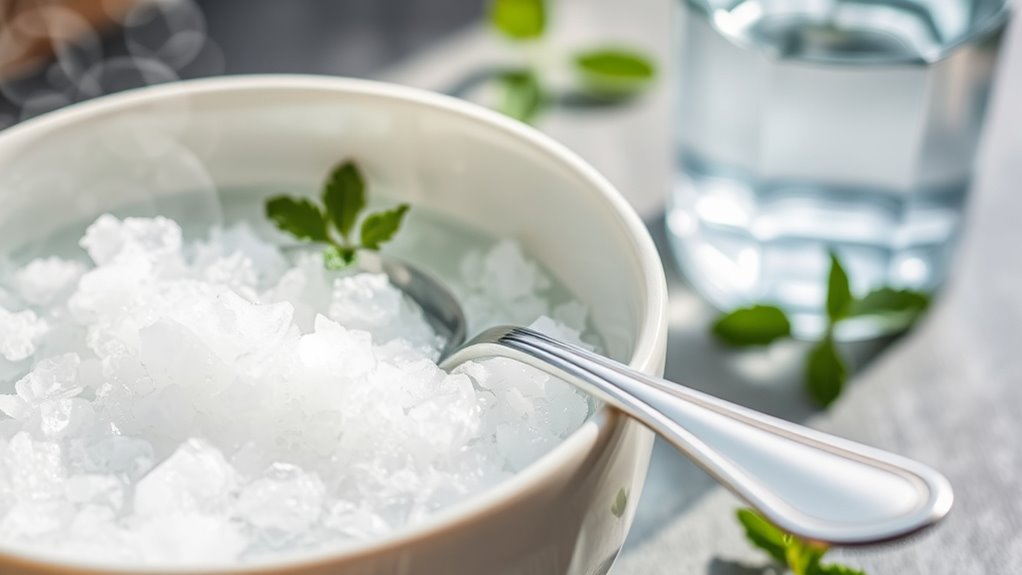
If you want to ease your toothache, start by mixing half a teaspoon of salt into eight ounces of warm water until it dissolves completely. This saltwater rinse acts as a simple yet effective home remedy for toothache relief.
When gargling, make sure the solution reaches the affected area and continue for 30 seconds to 1 minute. Remember, use warm water to avoid discomfort or tissue damage.
After gargling, spit the solution out—don’t swallow it. This practice helps reduce inflammation and kills bacteria, promoting better oral health.
Spit out the saltwater after gargling to reduce inflammation and eliminate harmful bacteria for healthier teeth.
Repeating this saltwater rinse 4-5 times daily can provide ideal relief and support your healing process naturally. It’s an easy, accessible method to soothe your toothache right at home.
How Often Should You Gargle With Salt Water?
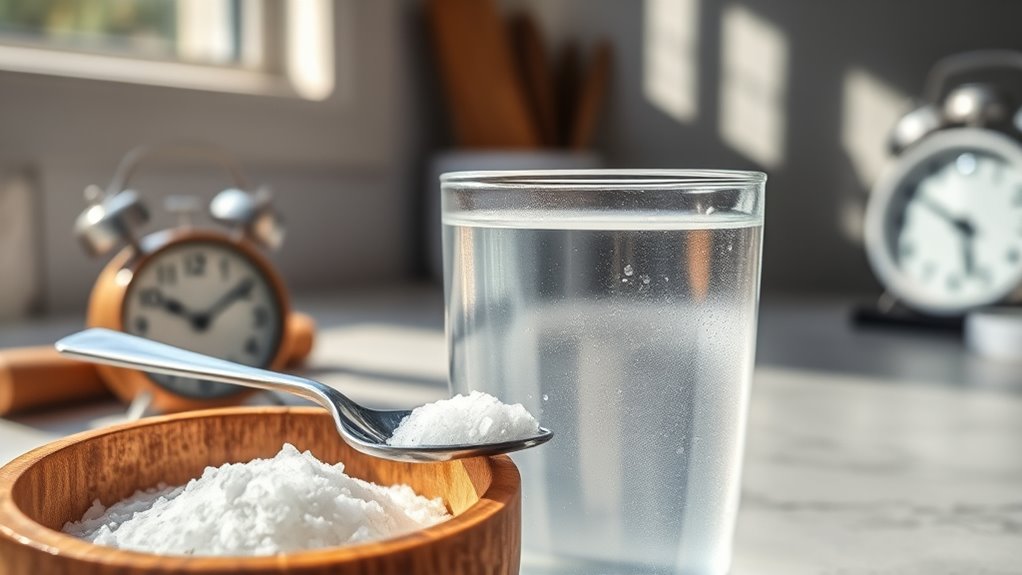
You should aim to gargle with salt water about 4 to 5 times a day, especially after meals for best results.
If your toothache worsens, you can increase the frequency but watch for signs of irritation or dryness.
Remember to wait at least 30 minutes between gargles to let your mouth recover.
Recommended Daily Frequency
Although salt water gargling offers soothing relief for toothaches, maintaining the right frequency is key to its effectiveness and your comfort. Generally, rinsing with saltwater 4-5 times daily provides good toothache relief and supports healing.
You can increase the frequency if needed, but avoid excessive gargling since it may cause throat dryness or irritation. Many find that rinsing every 3-4 hours, especially after meals, helps maintain relief throughout the day.
There’s no strict limit, but sticking to a routine of about 4-5 rinses balances the benefits and comfort well. Always listen to your body—if you notice discomfort or irritation, reduce how often you gargle to prevent further issues while still managing your toothache effectively.
Timing After Meals
Since gargling with salt water 4 to 5 times daily works best when timed right, it’s important to focus on your routine after meals.
For effective toothache relief, wait at least 30 minutes after eating before gargling. This timing allows your saliva to neutralize harmful acids and protect your tooth enamel.
Gargling with salt water right after meals helps remove food particles and reduces bacterial buildup, which supports good oral hygiene.
Consistently following this schedule promotes faster healing of inflamed gums and minor oral wounds.
By making salt water gargling a regular part of your after-meal routine, you’ll minimize the risk of infection and prevent worsening pain.
Maintaining proper timing when gargling after meals ensures you get the most benefit for your toothache relief and overall oral health.
Signs To Adjust
Timing your salt water gargles after meals sets a solid foundation, but knowing when to modify how often you rinse can make a big difference. Typically, gargling 4 to 5 times a day helps ease toothache pain. However, if you notice persistent pain or swelling, these are clear signs to increase the frequency—just don’t exceed 6 to 7 times daily to avoid mouth dryness.
On the other hand, if discomfort or swelling worsens after several rinses, it’s a sign to reduce how often you gargle. Pay close attention to how your mouth feels; over-irritating your tissues can make things worse.
For severe pain or infection signs, don’t rely solely on salt water—consult a healthcare professional promptly. Adjusting frequency based on your response ensures effective relief without harm.
Why Does Salt Water Gargling Help Toothache?
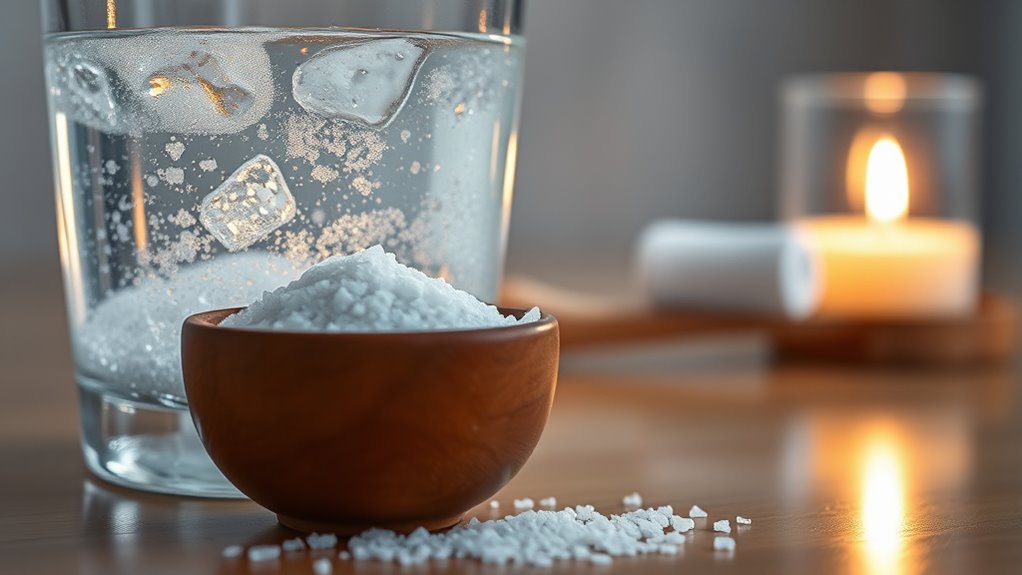
When you gargle with salt water, it creates an alkaline environment that helps neutralize the acids causing your toothache.
The salt also works as a natural disinfectant, reducing bacteria around the affected area.
This combination helps ease your pain and prevents infections from getting worse.
Alkaline Environment Benefits
Although toothaches can be stubborn, gargling with salt water helps by creating an alkaline environment in your mouth that neutralizes the acids causing pain. This shift in oral pH balance reduces acidity, which often worsens discomfort.
Salt water gargling promotes inflammation reduction by calming swollen gums and surrounding tissues, easing your pain. The alkaline environment also plays a vital role in bacterial growth inhibition, as many harmful bacteria thrive in acidic conditions.
Bacteria Reduction Effects
Beyond creating an alkaline environment, salt water gargling helps reduce the bacteria that cause toothache pain. When you rinse with salt water, the salt draws out water from bacterial cells through osmosis, dehydrating and killing them.
This bacteria reduction directly limits bacterial growth, which is often responsible for tooth discomfort and infection.
Salt water also helps remove food particles and plaque that harbor harmful bacteria, improving your oral hygiene. Thanks to its antimicrobial properties, salt water gargling controls bacterial populations around painful or infected areas, lowering the risk of dental abscesses.
Important Precautions for Salt Water Gargling
Since salt water gargling can irritate sensitive areas, you should avoid using it if you have an open nerve wound or bleeding cavity. Using salt water gargles in these cases may worsen pain or cause tissue damage. Always use warm, not hot, water to prevent discomfort or burns.
Avoid salt water gargles if you have open wounds or bleeding; use warm water to prevent irritation or burns.
If you notice increased sensitivity or pain after gargling, stop immediately and consult your dentist.
Be cautious not to swallow the salt water, as excessive intake can lead to dehydration or electrolyte imbalance.
Also, if you have mouth ulcers or a sore throat, check with a healthcare professional before trying salt water gargling to ensure it’s safe for you.
Taking these precautions helps you use salt water gargling effectively and safely.
When Should You See a Dentist in Dee Why?
If your toothache lasts more than two days despite home treatments like salt water gargling, you should see a dentist in Dee Why without delay. Persistent tooth pain that doesn’t improve with home remedies may signal an underlying issue needing professional care.
You should also see a dentist immediately if you experience severe, throbbing pain with swollen gums or fever. Sharp pain, loose fillings, visible tooth damage, or ongoing sensitivity to hot or cold are all reasons to seek prompt dental attention.
Additionally, if swelling spreads to your jaw or neck or causes difficulty breathing, don’t wait—contact a dental professional urgently. Timely oral care helps prevent complications and ensures your toothache is properly treated.
How to Combine Salt Water With Other Remedies
Although salt water gargling can provide noticeable toothache relief on its own, combining it with other remedies can enhance its effectiveness and help you manage pain more comfortably.
Try pairing saltwater rinses with a cold compress to reduce both internal inflammation and external swelling for better pain relief.
You can also alternate saltwater gargles with hydrogen peroxide rinses to lower bacterial load and speed healing.
Applying clove oil alongside saltwater rinses offers natural antimicrobial benefits while soothing your toothache.
Additionally, using tea bag compresses taps into tannins’ antiseptic properties to complement the cleansing effects of salt water.
These combined approaches provide a more exhaustive way to ease discomfort until you can see your dentist.
Using Salt Water Alongside Your Toothache Care Routine
To get the most out of salt water gargling, you should incorporate it seamlessly into your daily toothache care routine. Rinse your mouth 4-5 times a day with a warm salt water solution after meals to reduce bacteria and soothe inflamed tissues. Make sure the salt water is warm, not hot, to avoid discomfort.
Combine this rinse with good brushing and flossing habits to promote healing and prevent future toothaches. Using salt water alongside other remedies like clove oil or ginger can enhance toothache relief effectively.
Regularly rinsing your mouth with salt water helps maintain oral hygiene by calming irritation and reducing bacterial buildup, making it a simple yet powerful part of your overall toothache care routine.
Frequently Asked Questions
Does Gargling Salt Water Take Away Tooth Pain?
Gargling salt water doesn’t completely take away tooth pain, but it does reduce inflammation and kill bacteria, giving you temporary relief.
You’ll feel less discomfort while it helps soothe your mouth and prevent infection.
What Is the 3-3-3 Rule for Toothache?
Think of the 3-3-3 rule as a stopwatch for your toothache: you should see a dentist within three days if pain lasts. Avoid delays to prevent complications.
Schedule check-ups every three months to keep your smile in top shape.
How Often Should I Use Salt Water for a Toothache?
You should rinse with warm salt water 4-5 times daily, especially after meals.
If your toothache persists, feel free to gargle more often to reduce pain and inflammation safely throughout the day.
Can Salt Water Rinse Heal a Tooth Infection?
Saltwater rinses can reduce bacteria by up to 60%, but they won’t heal a tooth infection completely. You’ll ease symptoms temporarily, but you’ll need professional dental care to fully treat the underlying infection and prevent complications.
Conclusion
You might imagine salt water as a gentle sea breeze soothing a stormy toothache, calming inflammation and washing away pain. By gargling regularly, you’re inviting that healing tide to ease your discomfort naturally.
Remember, though, while salt water can help, it’s not a cure-all. If the pain persists, don’t hesitate to see your dentist in Dee Why.
Combining remedies wisely keeps your smile healthy and bright, like a calm shore after the waves. For effective toothache relief, salt water gargling is a simple and natural method worth trying.