When to Start Salt Water Rinse After Tooth Extraction
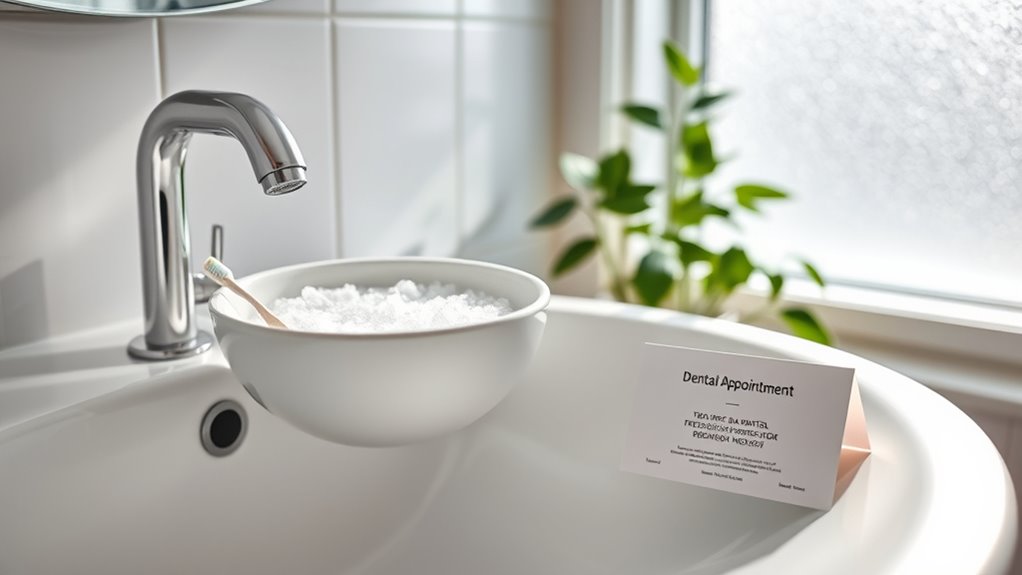
When to start salt water rinse after tooth extraction is an important question for proper healing. You should wait at least 24 hours after your tooth extraction before starting salt water rinses. This pause helps protect the vital blood clot that forms and supports healing.
When you do begin, use warm water with half a teaspoon of salt, swishing gently 2-3 times a day without force. This routine helps prevent infection and speeds recovery. Keep these tips in mind to guarantee a smooth healing process.
Discover more helpful advice to follow for the best post-extraction care.
When to Start Rinsing With Salt Water After Tooth Extraction
Although it might be tempting to rinse immediately, you should wait at least 24 hours after your tooth extraction before using a salt water rinse. This waiting period is essential to protect the blood clot that forms in the extraction site, which is fundamental for proper healing and recovery.
After the first 24 hours, you can start gently rinsing with warm salt water to promote healing and help prevent infection. Most dental professionals recommend beginning salt water rinses on the second day post-operative.
By rinsing 2-3 times daily with warm salt water during your recovery, you support the healing process and reduce the risk of complications.
Why You Should Wait 24 Hours Before Rinsing to Protect the Blood Clot
Because the blood clot plays a crucial role in healing after a tooth extraction, you should wait 24 hours before rinsing your mouth. During this initial 24 hours, the blood clot forms and stabilizes, protecting the surgical site and preventing complications like dry socket.
Rinsing too soon risks dislodging this clot, which can delay healing and increase infection risk. The postoperative period is critical to protect the clot so your body can start repairing the extraction site effectively.
Once the clot is secure, gentle rinsing helps remove food debris without disturbing it. By waiting those first 24 hours, you ensure proper clot formation and create the best environment for smooth healing after your tooth extraction.
How to Make a Safe Salt Water Rinse
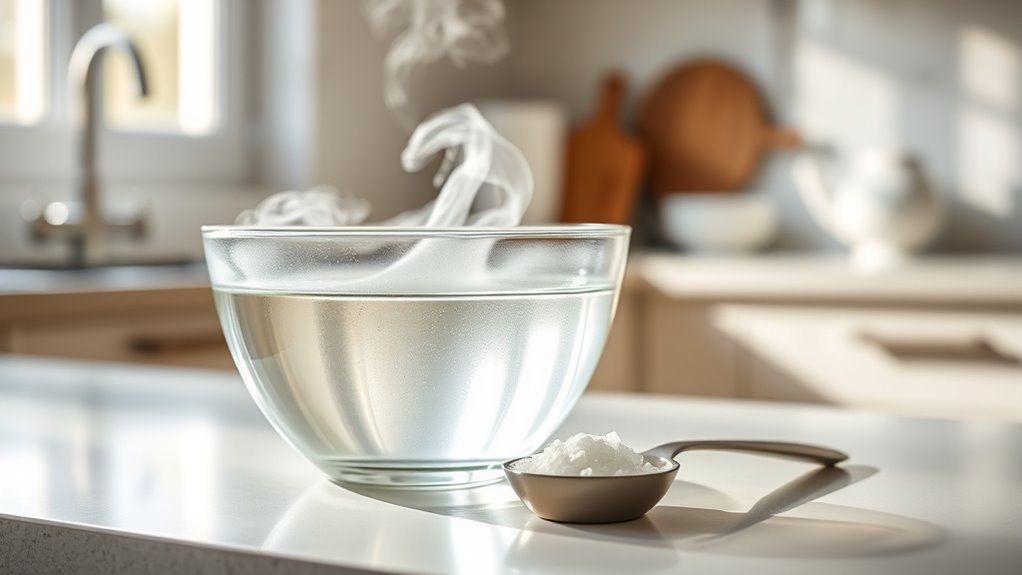
After waiting the recommended 24 hours to protect your blood clot, you can start using a salt water rinse to keep the extraction site clean.
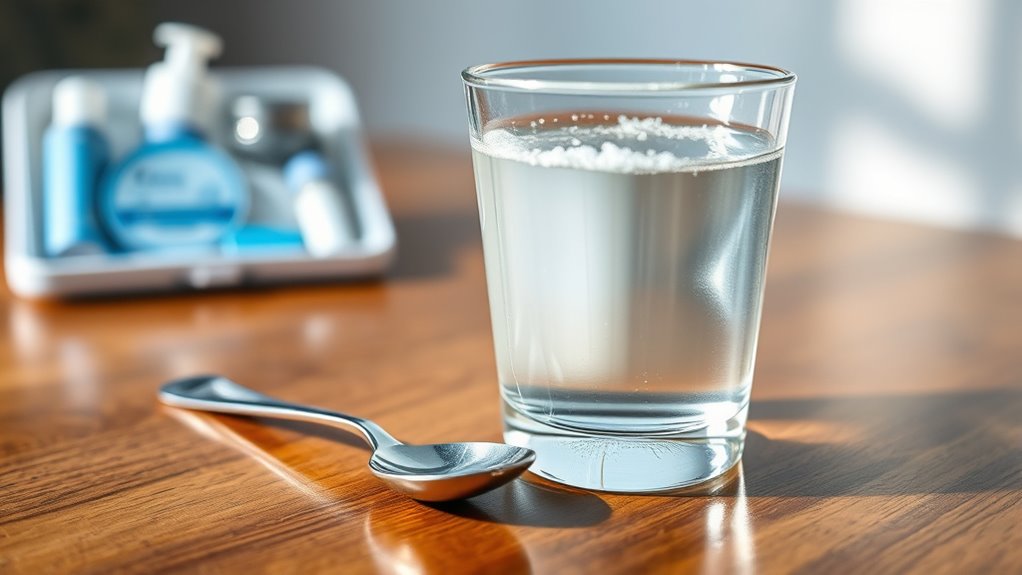
To make a safe salt water rinse, dissolve about half a teaspoon of salt in 8 ounces of warm—not hot—water. Stir salt thoroughly until it’s fully dissolved.
This simple mixture supports oral hygiene and helps prevent infection during the post-extraction healing process.
When you use it, swish gently for about 30 seconds to avoid dislodging the blood clot essential for healing. Spit carefully without force.
Avoid rinsing vigorously, especially in the first 24 hours, to protect the clot.
This gentle approach aids healing while keeping the area clean and free from bacteria, ensuring a smoother recovery.
How Often to Rinse With Salt Water After Tooth Extraction
You should start rinsing with salt water about 24 hours after your tooth extraction to prevent disturbing the blood clot.
Aim to rinse 2 to 3 times a day, spaced evenly to help keep the area clean.
Following your dentist’s advice on timing and frequency will ensure the best healing results.
Recommended Rinse Frequency
While healing from a tooth extraction, you should start rinsing with warm salt water about 24 hours after the procedure.
The recommended rinsing frequency during the first week post-extraction is typically 2 to 3 times daily to promote healing and aid infection prevention.
Your dentist instructions may suggest rinsing gently with warm salt water 3 to 6 times each day, but avoid exceeding this to prevent dislodging the blood clot essential for wound care.
Consistent salt water rinse supports oral hygiene by reducing bacteria and helps maintain the extraction site’s cleanliness.
Following the proper rinsing frequency ensures you don’t disrupt the natural healing process while effectively managing post-extraction care for ideal recovery.
Optimal Daily Timing
Establishing the best times to rinse with salt water each day can enhance your healing after a tooth extraction. To protect the blood clot and promote recovery, wait 24 hours post-oral surgery before starting a salt water rinse.
Once you begin, maintain an ideal rinse frequency with warm salt water to support oral hygiene and post-operative care. Typically, rinsing 2 to 3 times daily is sufficient, but your dentist may recommend up to 4 times during the first week.
Here’s a simple schedule to follow:
- Morning rinse after breakfast to clear overnight bacteria
- Afternoon rinse to maintain cleanliness throughout the day
- Evening rinse before bed to reduce infection risk overnight
Consistent timing helps maximize healing and ensures your tooth extraction site stays clean without disrupting the blood clot.
How Salt Water Rinses Help Healing and Prevent Infection
Because salt water rinses increase blood flow to the extraction site, they speed up healing by delivering essential nutrients and oxygen. When you rinse with salt water after oral surgery, you reduce bacteria levels, lowering the risk of infection.
Salt water rinses boost blood flow and reduce bacteria, promoting faster healing and infection prevention after oral surgery.
This rinse creates a hostile environment for bacteria, preventing spores from breeding and complications like inflammation or dry socket.
Salt water also gently cleans the area, flushing away food debris without disturbing the critical blood clot that protects the wound. Maintaining good oral hygiene with regular salt water rinses supports faster recovery and helps keep the extraction site healthy.
What to Avoid During Salt Water Rinsing After Tooth Extraction
If you want your extraction site to heal properly, avoid rinsing or spitting vigorously on the day of surgery since this can dislodge the essential blood clot.
When you start using a salt water rinse after tooth extraction, keep in mind to avoid actions and substances that may delay healing or cause irritation.
Here’s what to avoid:
- Using hot water or adding alcohol or peroxide to the rinse, as they can irritate the wound.
- Rinsing more than 3-4 times daily, which can disturb the healing tissue.
- Using mouthwash containing alcohol during the initial healing, since it can cause pain and delay recovery.
Also, if you experience severe pain, avoid salt water rinses and consult your dentist before continuing.
When to Stop Salt Water Rinsing and Resume Normal Oral Care
While salt water rinses play an essential role in healing after tooth extraction, you should continue them for at least seven days or until your dentist confirms the site has healed properly. Salt water rinses help prevent infection and support the healing process at the surgical site.
You can resume normal oral hygiene gradually, avoiding the surgical site initially to reduce complications during recovery.
| Action | Timing/Notes |
|---|---|
| Salt water rinses | Continue for 7 days or until healing confirmed |
| Normal brushing | Resume next day, avoiding the surgical site |
| Flossing | Resume after a few days, once healing progresses |
| Stop rinsing | When no infection or complications appear |
| Dentist check | Confirm healing before fully resuming care |
Follow these steps for a smooth recovery.
Frequently Asked Questions
Does Salt Water Speed up Healing After Tooth Extraction?
Yes, salt water speeds up healing after tooth extraction by reducing bacteria and promoting tissue repair.
You’ll help your gums heal faster if you rinse gently twice daily, starting 24 hours after the procedure.
When to Do the First Salt Rinse After Tooth Extraction?
You should start your first salt water rinse about 24 hours after tooth extraction. Be gentle to avoid disturbing the blood clot, and follow your dentist’s advice closely to guarantee proper healing and prevent infection.
Use warm water and dissolve about half a teaspoon of salt in a cup. Rinse your mouth gently and avoid vigorous swishing to protect the extraction site.
Continue rinsing several times a day, especially after meals, to keep the area clean and promote healing. Always consult your dentist if you notice unusual pain or signs of infection.
Will Salt Water Dislodge a Blood Clot After Tooth Extraction?
Don’t worry, salt water won’t sweep away your blood clot if you’re gentle.
If you rinse softly and avoid vigorous swishing, you’ll keep the healing process on track without disturbing that essential protective shield.
Conclusion
You’ll want to wait at least 24 hours before starting your gentle salt water rinse to give your body time to form a cozy little welcome mat—a blood clot—that protects the healing spot.
Once you begin, keep rinsing softly a few times a day to help keep the area fresh and calm. Just remember to treat your mouth with kindness and pause the rinsing once your smile feels back to its usual self.
In conclusion, starting a salt water rinse after tooth extraction at the right time is crucial for proper healing. Waiting 24 hours before rinsing helps protect the extraction site and promotes recovery.