
Which Salt Is Best for Water Softeners? Types, Pros & Cons Explained
You’ll get the best results by using high-purity evaporated salt or solar salt in your water softener, especially if your water is very hard. These salts dissolve easily, reduce residue buildup, and protect your system from damage. Choosing the right salt is crucial for optimal water softener performance.
Avoid low-quality rock salt that can cause clogs and inefficiency. Following your softener’s manufacturer guidelines guarantees peak performance and longer lifespan.
Keep your system running smoothly, and find out how salt choice impacts maintenance, health, and the environment.
Why Picking the Right Water Softener Salt Matters
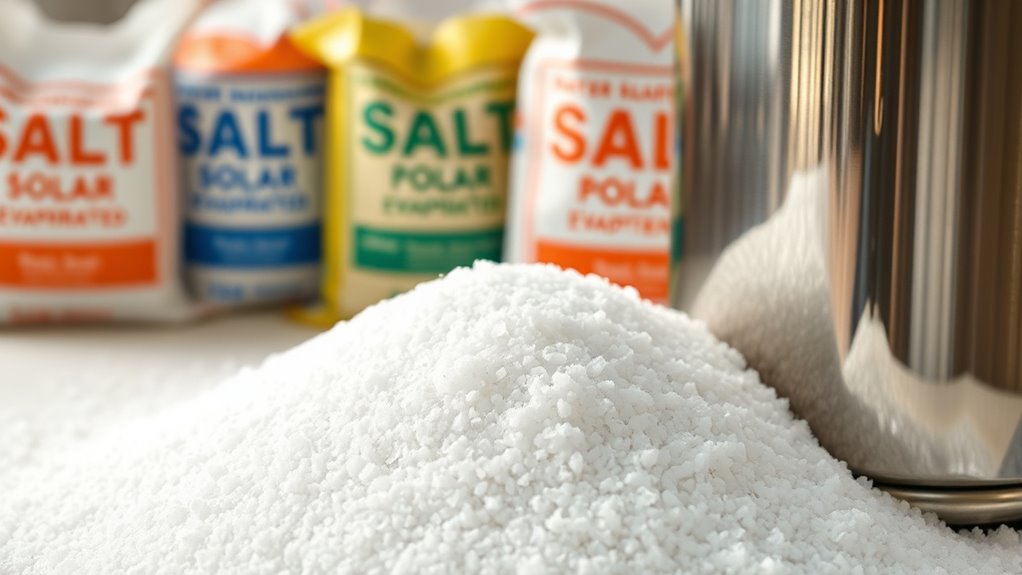
Although it might seem like any salt will do, choosing the right water softener salt is essential for keeping your system efficient and lasting longer. When you pick a high-quality salt, you ensure ideal water softening by maintaining the proper salt level needed for effective ion exchange.
Using low-quality salt can lead to salt bridging or mushing, which disrupts your system’s function and reduces its lifespan. High-quality salt contains fewer impurities, meaning less buildup and maintenance for you.
Sticking to the right salt type based on your water hardness and manufacturer’s advice helps prevent damage and costly repairs. By consistently using the appropriate salt, you keep your water softener running smoothly and enjoy the benefits of soft, clean water every day.
Comparing Water Softener Salt Types: Rock, Solar, Evaporated, and Potassium Chloride
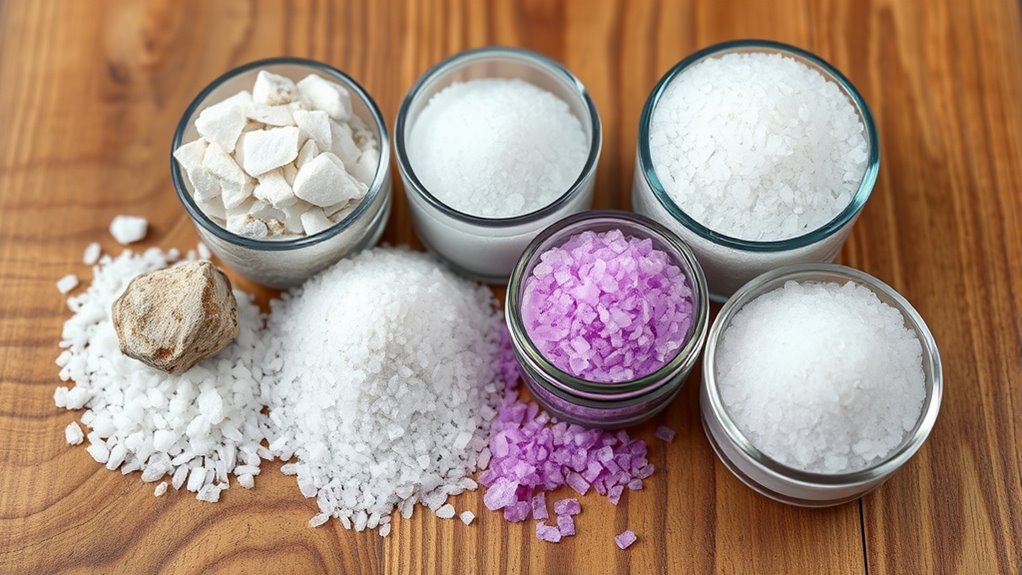
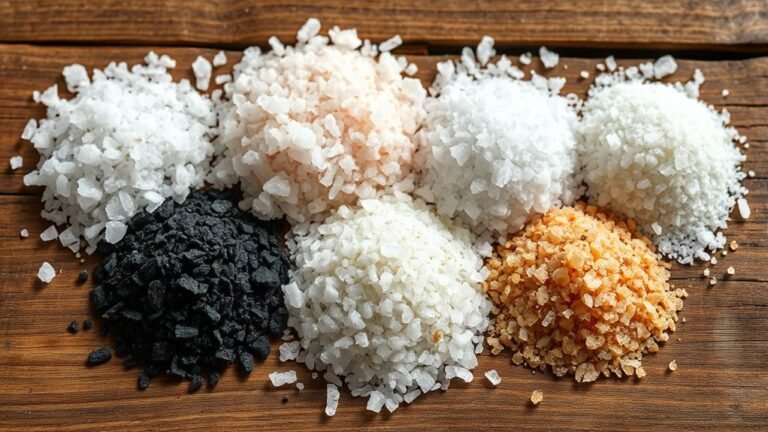
When selecting salt for your water softener, understanding the differences between rock, solar, evaporated salt, and potassium chloride helps you make the best choice for your system and needs.
Rock salt is the cheapest option but contains impurities that can clog the brine tank and require frequent cleaning.
Rock salt is affordable but may cause brine tank buildup due to impurities, needing regular maintenance.
Solar salt is eco-friendly and dissolves easily with fewer impurities, though it’s less effective for very hard water.
Evaporated salt is the purest, with 99.9% sodium chloride, reducing residue and minimizing buildup in your brine tank.
Potassium chloride offers a sodium-free alternative but costs more and is less efficient, often needing dosage adjustments.
Consider your water hardness, maintenance preferences, and any health or environmental concerns when choosing your water softener salt.
Best Water Softener Salt for Different Hardness Levels
Choosing the best water softener salt depends largely on your water’s hardness level, as this directly affects the system’s efficiency and maintenance needs.
For moderate water hardness, using solar salt or high-quality evaporated salt pellets works well to prevent buildup and promote efficient regeneration.
When dealing with very hard water, evaporated salt with 99.9% purity is your best bet—it minimizes mineral residue and protects your system.
Avoid lower purity salts like rock salt in high hardness areas, as they can cause more frequent maintenance and damage.
Tailoring your salt type to water hardness guarantees ideal softening performance and extends your softener’s life.
- Moderate hardness: solar salt or evaporated salt pellets
- Very hard water: high-purity evaporated salt
- Extreme hardness: 99.9% pure evaporated salt
Why You Should Follow Manufacturer Salt Guidelines
Because each water softener model is designed to work with specific salt types and grain sizes, following the manufacturer’s salt guidelines guarantees your system runs efficiently and stays under warranty.
When you stick to manufacturer-recommendations, you ensure ideal system performance and avoid issues like salt bridging or resin fouling that could damage your unit.
Using the wrong salt types can cause inefficient regeneration cycles, leading to higher maintenance costs and reduced effectiveness.
By choosing salt as specified, you protect your investment and maintain smooth operation.
Ignoring these guidelines risks voiding your warranty and shortening the lifespan of your water softener components.
How Salt Type Impacts Water Softener Maintenance and Lifespan
Sticking to the right salt type doesn’t just keep your water softener running smoothly—it also affects how often you’ll need maintenance and how long the system lasts. Using high-purity salt, like evaporated salt, minimizes insoluble mineral buildup, reducing the risk of salt bridging and mushing that can clog your system.
Lower-quality salts, such as rock salt, contain impurities that lead to residue accumulation, foul odors, and more frequent maintenance.
Choosing premium salt keeps your resin working efficiently and extends your softener’s lifespan by preventing costly repairs.
Here’s what you can expect with the right salt choice:
- Clear brine tanks free from sludge and buildup
- Fewer salt bridging incidents interrupting softening cycles
- Reduced maintenance frequency and longer system durability
When and How to Refill Your Water Softener Salt
Although it might seem simple, knowing when and how to refill your water softener salt is key to keeping your system running efficiently. Check the brine tank at least once a month to monitor the salt level. Refill the salt whenever the level drops below halfway or when you spot dry salt crystals on top.
Check your water softener salt monthly and refill when levels drop below halfway for optimal performance.
Always keep the brine tank at least one-quarter full to prevent salt bridges and ensure proper regeneration. You can rely on a low salt indicator light or visually inspect the tank to know when to add more salt.
Generally, refilling every 4 to 6 weeks works well, but adjust based on your water usage. Staying on top of salt refills keeps your water softener in top shape.
Common Water Softener Problems From Wrong Salt Use
If you don’t choose the right salt for your water softener, you can quickly run into several issues that affect its performance. Using low-quality or incompatible salt types often causes salt bridging, which blocks salt from dissolving and stops proper regeneration. This leads to a less effective water softener system and can shorten its lifespan.
You might also face:
- Muddy buildup from insoluble minerals clogging the tank
- Mushy residue damaging the resin bed
- Salt mushing that reduces resin contact and softening efficiency
These problems mean more frequent maintenance and cleaning. To keep your water softener system running smoothly, always pick high-purity salt designed for your unit and avoid additives that impair regeneration and overall function.
Health and Environmental Benefits of Potassium Chloride Water Softener Salt
Why consider potassium chloride for your water softener? Potassium chloride offers clear health benefits by reducing sodium levels in your drinking water, making it ideal if you’re sodium-sensitive. It’s also environmentally friendly, cutting down on sodium runoff and chemical pollution that harm ecosystems.
Here’s a quick comparison to help you decide:
| Feature | Potassium Chloride |
|---|---|
| Environmental Impact | Environmentally friendly, less chemical pollution |
| Health Benefits | Lowers sodium in water, safer for sensitive individuals |
| Maintenance | Less residue buildup, easier upkeep |
Keep in mind potassium chloride costs about 30% more and regenerates 30% less effectively than sodium chloride. Still, its health and environmental benefits make it a smart choice for your water softener.
Frequently Asked Questions
What Is the Best Type of Salt to Use in a Water Softener?
You should use high-purity evaporated salt in your water softener since it minimizes residue and buildup. It’ll keep your system running smoothly and reduce maintenance.
Always stick to your softener’s manufacturer recommendations for best results.
Which Is Better Softener, Salt Pellets or Crystals?
Salt pellets are better because they provide consistent softening, create less crust and clogging, and cut down on cleaning.
You’ll enjoy easier upkeep and efficient performance compared to the crumbly, quicker-dissolving crystals.
Conclusion
Choosing the right salt for your water softener is like planting the right seeds for a thriving garden—what you pick nurtures the whole system. Using the proper salt type not only keeps your water flowing smoothly but also extends your softener’s life, saving you headaches and costs.
So, follow the guidelines and refill thoughtfully. Watch your water transform into a silky stream that cares for your home and health. Selecting the best salt for water softeners ensures effective softening, longevity, and optimal performance of your system.