
How Much Protein Is in 1 Cup Ground Beef?
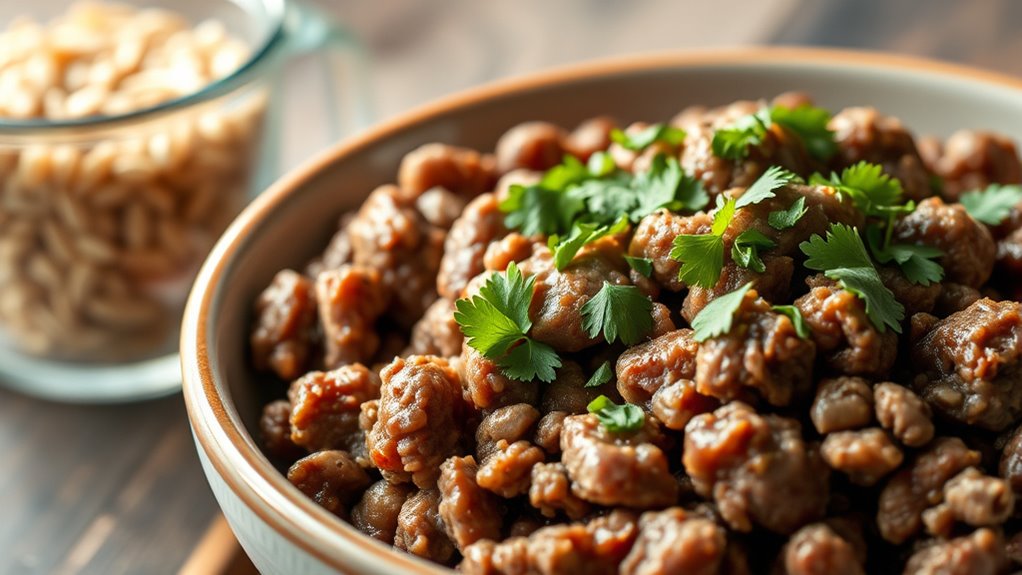
You’ll get about 56 grams of high-quality protein in 1 cup of cooked ground beef, making it a top choice for muscle growth and recovery.
Ground beef is a complete protein source, containing all essential amino acids your body needs.
Keep in mind, leaner ground beef packs more protein per serving, while higher fat cuts lower the percentage.
Cooking concentrates protein without losing much.
If you want to know how fat content, cooking, and amino acids impact your gains, keep exploring.
How Much Protein Is in 1 Cup of Cooked Ground Beef
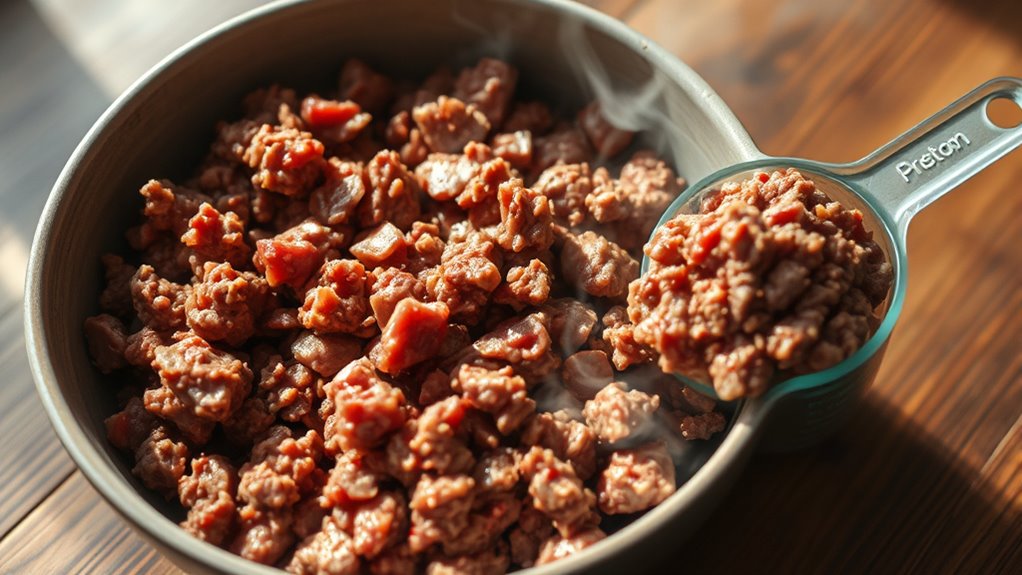
Although the exact protein amount can vary slightly with fat content and cooking method, one cup of cooked ground beef, roughly 8 ounces, typically provides about 56 grams of high-quality protein. This serving size delivers a substantial portion of your daily intake, making it a valuable source for muscle repair and growth.
Ground beef offers complete protein, meaning it contains all nine essential amino acids your body needs. Generally, the protein content ranges around 26-27 grams per 100 grams, so the 8-ounce portion efficiently meets protein requirements for active individuals.
When you include cooked ground beef in your meals, you’re choosing a nutrient-dense option that supports your dietary protein goals without needing a large volume.
Why Ground Beef Protein Quality Should Matter to You
Knowing how much protein is in a cup of cooked ground beef is helpful, but understanding the quality of that protein can make an even bigger difference to your health and fitness goals.
Ground beef offers high protein quality because it contains all nine essential amino acids, making it a complete protein essential for muscle building and repair. Unlike some plant proteins, the amino acids in ground beef are highly bioavailable, meaning your body absorbs and utilizes them efficiently to support nutrient absorption and tissue maintenance.
Prioritizing protein quality from ground beef ensures you meet your daily protein needs effectively, helping your body build and maintain muscles, enzymes, and other critical tissues. This makes ground beef an excellent choice for anyone focused on strength development and optimal recovery.
How Fat Content Affects Ground Beef Protein Levels
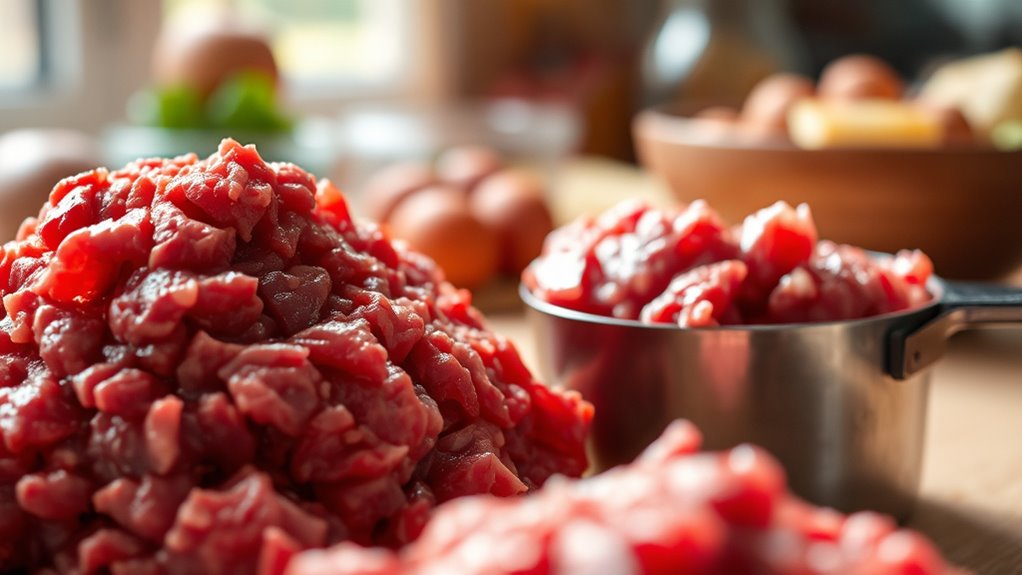
When you choose ground beef, the fat content plays a key role in determining how much protein you’ll actually get per cup. Lean ground beef, like 90% or 95% lean, has a higher percentage of protein because it contains less fat. As fat content rises, protein levels drop since fat and water make up more of the total weight.
The cooking process also affects protein: as fat and water render out, the percentage of protein in the cooked meat increases. Here’s a quick comparison of fat content versus protein percentage:
| Fat Content (%) | Percentage of Protein (%) |
|---|---|
| 95% lean | 23% |
| 90% lean | 21% |
| 80% lean | 17% |
| 70% lean | 14% |
Choosing lean ground beef maximizes your protein intake per cup.
Essential Amino Acids Found in Ground Beef Protein
Because ground beef contains all nine essential amino acids, it offers a complete protein that supports your body’s needs. Ground beef protein provides a well-balanced amino acid profile, including key essential amino acids like leucine, lysine, methionine, isoleucine, and valine.
Leucine is particularly important as it stimulates muscle protein synthesis, helping your muscles grow and recover. Lysine and methionine aid immune function and metabolism, while isoleucine and valine contribute to energy production and muscle recovery. This balanced combination of essential amino acids makes ground beef an excellent choice for tissue repair after physical activity or injury.
How Cooking Methods Influence Ground Beef Protein
When you cook ground beef, its water content decreases, which makes the protein more concentrated per cup but doesn’t change the total protein amount. Different cooking methods affect moisture loss and nutrient retention differently, so how you prepare it matters.
Understanding these effects helps you get the most protein from your serving.
Protein Changes From Cooking
Although cooking ground beef causes some water loss, it actually concentrates the protein content per gram, making it denser in cooked meat. When you use different cooking methods like boiling or grilling, you might notice minor changes in protein density, but the overall protein content per cup stays about the same.
Water loss during cooking plays a big role here, increasing protein concentration by reducing moisture. While overcooking or frying can cause protein denaturation, this mainly affects texture rather than markedly lowering amino acid availability. So, even though cooking can slightly reduce protein digestibility, the quality of protein you get remains largely intact.
Understanding how cooking methods influence ground beef protein helps you appreciate the balance between flavor, texture, and nutritional value.
Moisture Loss Effects
Since cooking ground beef causes moisture loss, you’ll notice that the nutrients, including protein, become more concentrated, but the overall weight of the meat decreases. During cooking, water evaporation reduces the beef’s water content, which affects the protein content per serving. Although the protein percentage stays relatively stable, the actual amount of protein in one cup of cooked ground beef may drop because the meat shrinks.
Cooking methods like grilling or broiling cause greater moisture loss, increasing nutrient concentration but lowering total weight. On the other hand, gentler techniques such as steaming or simmering retain more moisture, helping preserve both the protein content and serving size. Understanding how moisture loss impacts ground beef helps you choose cooking methods that maintain its nutritional value.
Comparing Ground Beef Protein With Other Meats
If you’re tracking protein intake, it’s helpful to know how ground beef stacks up against other meats. While ground beef offers about 26-27 grams of protein per 100 grams, meats like chicken breast and turkey often provide slightly more.
Comparing these variations can guide you to the best choice for your nutritional goals.
Protein Content Comparison
How does ground beef stack up against other popular meats when it comes to protein content? One cup of cooked ground beef, about 217 grams, delivers roughly 59.1 grams of protein, making it a robust choice for meeting your daily intake goals.
When you do a content comparison, ground beef offers similar or even higher protein per serving than chicken breast and pork tenderloin, which have around 30 grams per 100 grams. Salmon provides comparable protein amounts but differs in fat and micronutrients.
Lean ground beef contains about 26-27 grams of protein per 100 grams, slightly less than some wild steaks or fish. Overall, ground beef is an excellent source of complete protein, supplying all essential amino acids you need for a balanced diet.
Meat Protein Variations
While ground beef packs a hefty 59.1 grams of protein per cup, you might find that other meats offer different protein amounts that suit your dietary needs better. When exploring meat variations, it’s helpful to compare their protein content and nutritional value as sources of animal protein. Consider these options:
- Salmon steak delivers about 62.4 grams of protein per cup, slightly surpassing ground beef.
- Prawns provide nearly the same protein density as ground beef, with 58.9 grams per cup.
- Skinless chicken breast offers roughly 30.9 grams per 100 grams, which can be higher per serving depending on portion size.
Each meat offers complete proteins with essential amino acids, but the differences in protein content and fat levels can guide you to the best fit for your diet.
How Ground Beef Protein Helps Your Muscles Grow and Recover
One cup of cooked ground beef packs about 56 grams of high-quality protein, giving your muscles the essential amino acids they need to grow and recover efficiently. The protein in ground beef supplies your body with building blocks to repair microtears in muscle fibers caused by exercise, speeding up recovery.
Among these amino acids, leucine plays a key role by stimulating muscle protein synthesis, which supports muscle growth and hypertrophy. When you regularly consume ground beef protein, especially alongside strength training, you help maintain and increase muscle mass.
This makes ground beef a valuable addition to your diet if you’re focused on muscle growth and overall recovery. By fueling your muscles with quality protein and amino acids, you set the stage for better performance and quicker healing.
Balancing Protein, Fat, and Calories in Ground Beef
When you choose ground beef, balancing protein, fat, and calories lets you meet your nutritional goals without overdoing any one macronutrient. Opting for lean ground beef with a lower fat percentage increases the protein content while keeping the calorie balance in check.
For example, a cup of cooked ground beef provides around 56 grams of protein but varies in fat and calories depending on the cut.
Consider these tips to optimize the nutritional value of your ground beef:
- Select lean ground beef (around 10% fat) to maximize protein and reduce fat intake
- Monitor fat percentage labels to maintain calorie balance
- Use portion control to match your daily protein and calorie goals
This approach helps you enjoy ground beef’s benefits without excess fat or calories.
Health Considerations of Ground Beef Protein Intake
You’ll want to keep an eye on how much ground beef you eat because too much can raise your risk of heart disease. Studies have also linked high red meat consumption to certain types of cancer. Choosing leaner cuts and eating in moderation can help you enjoy the protein without the added health risks.
Heart Disease Risks
Although ground beef provides valuable protein, consuming it in large amounts can raise your risk of heart disease. Both red meat and processed meat have been linked to higher heart disease rates, primarily due to their saturated fat and cholesterol content.
These components can increase your LDL cholesterol, which contributes to arterial plaque buildup and inflammation over time. To manage these risks, consider the following:
- Choose leaner ground beef cuts to reduce saturated fat intake.
- Limit processed meat consumption to lower cardiovascular risk.
- Balance your diet with plenty of fruits, vegetables, and whole grains for heart health.
Cancer Associations
Beyond heart disease, ground beef consumption also relates to cancer risks that you should consider. Eating high amounts of red and processed meats, including some ground beef products, has been linked to an increased cancer risk, especially colon cancer. This is partly because cooking ground beef at high temperatures can create carcinogenic compounds like heterocyclic amines (HCAs) and polycyclic aromatic hydrocarbons (PAHs).
Additionally, the heme iron in beef may promote the formation of harmful N-nitroso compounds in your gut. Processed meats often contain preservatives such as nitrates and nitrites, which further raise cancer risk. To reduce these risks, you should aim for moderate intake of lean ground beef, avoid charring your meat, and balance your diet with plenty of plant-based foods.
Tips for Adding Ground Beef Protein to Your Diet
When adding ground beef to your meals, focus on selecting lean cuts like 90% lean or higher to get the most protein with less fat. This approach helps you maximize the nutritional benefits while supporting your protein intake goals.
Incorporate ground beef into your meal prep to guarantee consistent, high-quality protein sources throughout the week. Here are some tips to get started:
- Mix lean ground beef into chili or taco fillings for a quick protein boost.
- Pair ground beef with vegetables and whole grains to create balanced, nutrient-dense meals.
- Use ground beef in batch cooking to streamline meal prep and meet daily protein needs effortlessly.
Frequently Asked Questions
How Much Protein Does One Cup of Cooked Ground Beef Have?
One cup of cooked ground beef has about 56 grams of protein. You’ll get a high-quality protein source with all essential amino acids, perfect for muscle repair and growth.
It supports your overall nutritional needs effectively.
How Much Protein Is in 1 Cup of 93% Ground Beef?
You’ll get about 59 grams of protein in one cup of 93% lean ground beef.
It’s a great way to boost your muscle repair and daily protein intake with all essential amino acids included.
Is One Cup of Ground Beef 4 Ounces?
Think of ground beef like dough rising—one cup of cooked ground beef isn’t 4 ounces; it’s closer to 8 ounces raw but shrinks to about 4 ounces cooked.
How Much Protein Is in a Cup of 80 20 Ground Beef?
You’ll get about 22 grams of protein in one cup of cooked 80/20 ground beef. This amount supports muscle repair, and the protein content can slightly vary depending on cooking methods and moisture loss during cooking.
Conclusion
Now that you know how much protein is in 1 cup of ground beef, you can choose lean cuts, cook them right, and balance your meals with care. You’ll build muscle, recover faster, and fuel your body efficiently.
You’ll enjoy rich flavors, nourish your cells, and support your health. By paying attention to protein quality, fat content, and cooking methods, you’ll make ground beef a powerful part of your diet—strong, satisfying, and smart.
Incorporating the right amount of protein in ground beef helps optimize muscle growth and recovery. Understanding the nutritional value ensures you get the most benefits from your meals. Ground beef protein content is a key factor in making informed dietary choices.