
How Can You Tell If Beef Broth Is Bad?
You can tell if beef broth is bad by checking for a sour or off smell, cloudy appearance, discoloration, or mold patches. These signs are key indicators that the broth has spoiled and should not be consumed.
If the broth feels slimy, sticky, or unusually thick, that’s another warning sign to watch out for.
Foam or bubbles on the surface can also mean spoilage and indicate bacterial growth. While expiration dates help guide you, always trust your senses and proper storage practices to keep beef broth safe.
Keep these tips in mind, and you’ll better understand how to judge broth quality and safety before using it in your recipes.
How to Tell If Beef Broth Is Bad Using Your Senses
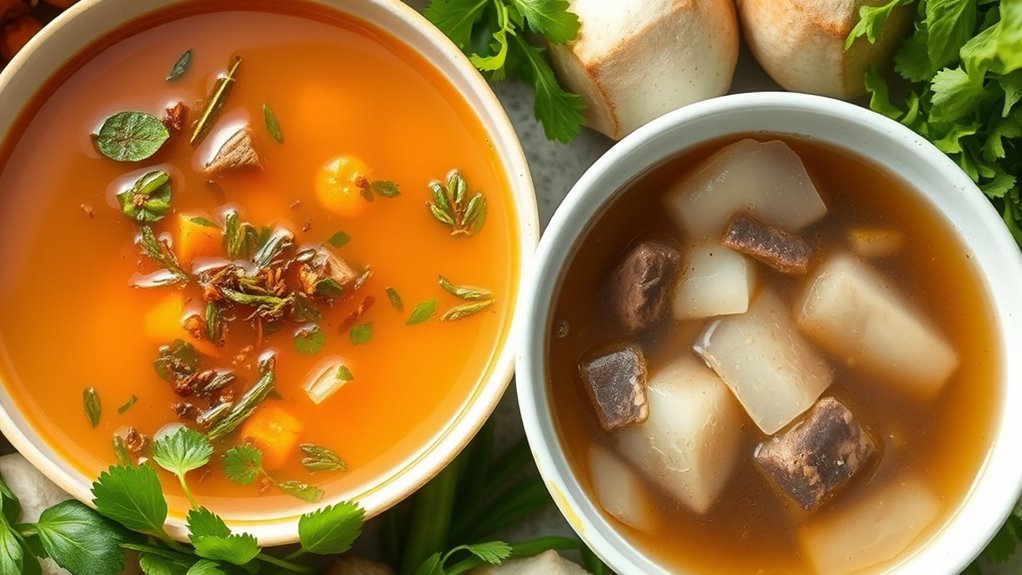
Although it might seem simple, using your senses is the most reliable way to tell if beef broth has gone bad. Start by checking for a sour smell or any off smell, which are clear signs of spoilage.
Next, examine the broth for visual signs like discoloration, cloudiness, or mold. Don’t overlook sediment or floating particles, as these often indicate contamination.
Feel the texture—if it’s unusually slimy or thickened, especially when cold, that’s a warning. Any bubbles or murkiness also point to fermentation or deterioration.
When you spot any of these signs of spoilage, trust your senses and discard the broth. This method keeps you safe and ensures you avoid consuming spoiled beef broth.
What an Off Smell in Beef Broth Means
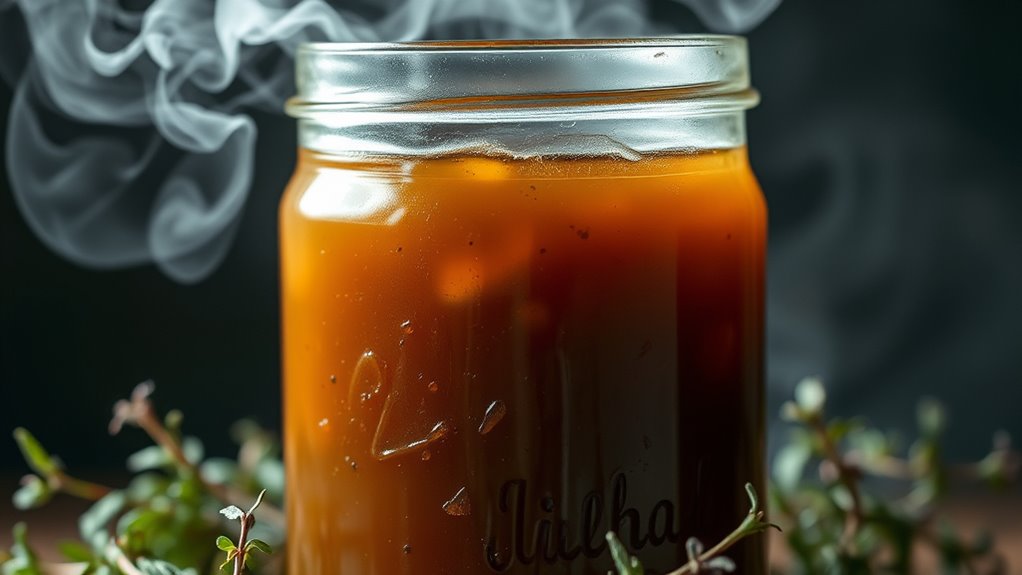
One of the most obvious signs that your beef broth has gone bad is an off smell. This odor often signals spoilage caused by bacterial growth, making the broth unsafe to consume. Sour or rancid odors usually mean fermentation has occurred or fats have broken down, releasing rancid odors.
A foul or putrid smell might indicate mold contamination or other harmful microorganisms. Even if your broth looks normal, don’t ignore an unusual smell—it’s a reliable warning that the broth should be discarded to protect your food safety.
The off smell tends to worsen over time, especially if the broth wasn’t stored properly or kept past its expiration date. Always trust your nose to avoid health risks linked to spoiled beef broth.
Visual Signs That Beef Broth Has Spoiled
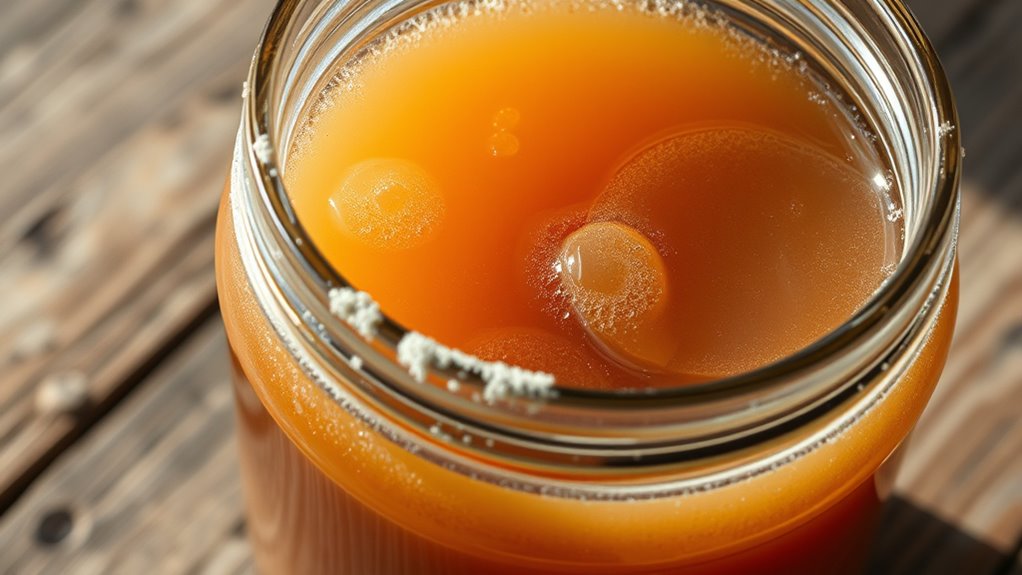
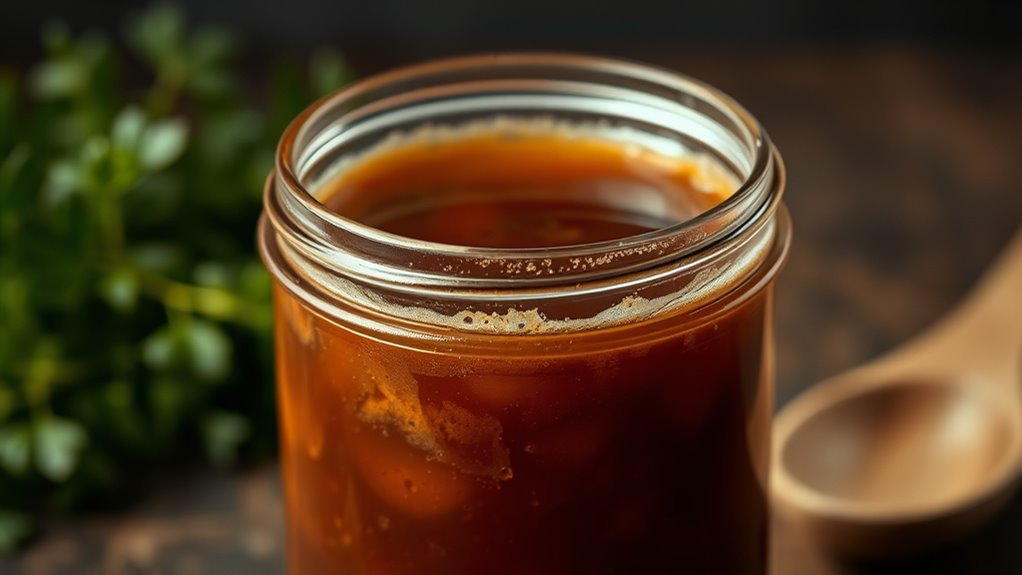
When you inspect your beef broth, clear and consistent appearance is key to freshness. Cloudy or murky broth with discoloration often signals spoilage. Watch for foam or bubbles on the surface—that’s a sign of bacterial contamination.
Mold or fuzzy patches are unmistakable indicators the broth is unsafe. Sediment settling at the bottom can also point to spoilage.
| Visual Sign | What It Indicates |
|---|---|
| Cloudy broth | Loss of clarity, spoilage |
| Discoloration | Broth gone bad |
| Mold patches | Contamination, unsafe |
| Foam or sediment | Fermentation, bacterial activity |
If you notice any of these signs, it’s best to discard the broth to avoid health risks.
How Texture Changes Indicate Spoiled Beef Broth
If your beef broth feels slimy, sticky, or develops an unusual thickness, it’s a strong sign that spoilage has set in. Texture changes like these often point to bacterial growth, which alters the broth’s consistency and makes it unsafe to consume. While a thick, gelatinous texture in cold homemade broth is normal, sliminess or a mucilaginous surface is a clear warning sign.
You might also notice sediment or a clumpy, stringy texture, both of which indicate bacterial contamination. If the broth shifts from clear or slightly cloudy to a cloudy, viscous state, these are additional signs of spoilage. Pay close attention to these texture cues—they help you know when the broth has gone bad and should be discarded to avoid foodborne illness.
What Mold and Bubbles Reveal About Spoiled Beef Broth
What does it mean when you spot mold or bubbles in your beef broth? Mold signals fungal contamination and spoilage, making it unsafe to consume. Bubbles can indicate microbial activity or fermentation, both signs of spoilage. Here’s what to watch for:
- Mold appears as fuzzy, colorful patches—green, white, or black—on the surface or container sides.
- Persistent or increasing bubbles suggest ongoing fermentation or bacterial growth.
- Visible mold and abnormal bubbles decrease the broth’s safety and should never be ignored.
- Immediate disposal is necessary when you notice these signs to avoid health risks.
Pay close attention to the visibility of mold and bubbles, as they reveal spoilage through microbial activity affecting your broth’s safety.
Can You Trust Beef Broth Expiration Dates?
You might think expiration dates are the final word on beef broth safety, but they mainly indicate quality rather than a strict cutoff. If your broth is stored properly and shows no signs of spoilage, it can often be safe to use even after the date passes.
Always trust your senses over the label when deciding whether to consume it.
Expiration Dates Meaning
Although expiration dates on beef broth packages provide useful guidelines, they don’t guarantee safety beyond the printed timeframe. These dates—like “sell-by,” “use-by,” or “best-by”—reflect the manufacturer’s estimate of shelf life and quality decline, not a strict safety cutoff.
To judge broth safety, focus more on storage conditions and sensory evaluation than just the date. When checking your broth, consider:
- How it’s been stored—cool, consistent temperatures extend shelf life.
- Any spoilage signs such as off smells, discoloration, or unusual texture.
- Whether it passes a safety check by smell, appearance, and taste.
- Quality decline after the date, which may not mean immediate spoilage.
Rely on these factors to decide if your beef broth is still good to use.
Safety Beyond Dates
Expiration dates on beef broth offer helpful quality guidelines but don’t always tell the full story about safety. You can sometimes trust the shelf life beyond the printed expiration date if the broth has been kept under proper storage conditions—airtight container, refrigerated at or below 40°F.
However, once opened, the storage duration shortens to 4-5 days regardless of the expiration date. The best safety evaluation relies on a thorough sensory check. Look for spoilage signs like off smells, changes in texture, or mold.
These indicators outweigh the expiration date when deciding if the broth is safe to consume. Always prioritize your senses over the date printed, as spoilage signs provide a clearer picture of safety than relying solely on expiration dates.
How Proper Storage Keeps Beef Broth Fresh and Safe
Proper storage plays an essential role in keeping beef broth fresh and safe to consume. To extend shelf life and maintain freshness while preventing signs of spoilage, follow these key storage tips:
- Cool the beef broth quickly and store it in airtight containers to limit bacterial growth.
- Keep broth at or below 40°F (4°C) in the fridge for 3-4 days, or freeze at 0°F for several months.
- Use clean utensils and containers to avoid contamination and preserve safety.
- Label containers with the preparation or opening date to track freshness and avoid using spoiled broth.
How to Prevent Beef Broth Spoilage at Home
To keep your beef broth fresh, always store it in airtight containers and refrigerate it at or below 40°F. Cool the broth quickly before putting it in the fridge to prevent bacteria from growing. Also, make sure to use or freeze the broth within a few days to avoid spoilage.
Proper Refrigeration Techniques
When storing beef broth, you should always use airtight containers like glass jars or heavy-duty plastic to keep out air and contaminants. Proper refrigeration is key to extending your broth’s shelf life and preventing spoiled broth.
Follow these guidelines:
- Cool hot broth quickly with an ice bath or stirring before refrigerating to minimize bacterial growth.
- Set your refrigerator temperature at or below 40°F (4°C) for ideal temperature control.
- Label containers with the storage date to track storage duration and use broth before it spoils.
- Never leave broth at room temperature for more than two hours to avoid rapid spoilage.
Airtight Container Usage
Storing your beef broth in airtight containers helps keep it fresh by blocking out air and bacteria that cause spoilage. Use glass jars or sealed plastic containers for proper storage, and always apply effective sealing techniques after each use to prevent contamination. Label your containers with the date to track shelf life and aid in spoilage detection.
When freezing broth, choose airtight containers designed for freezer storage, leaving space for expansion to avoid breakage. Avoid loosely covered or open containers, as they accelerate bacterial growth and spoilage.
Timely Consumption Practices
Although it’s tempting to leave beef broth out after cooking, you should cool it quickly by placing the pot in an ice bath or stirring it to bring down the temperature before refrigerating.
To keep the broth fresh and avoid spoilage, follow these timely consumption practices:
- Use airtight containers or freezer bags with labels to monitor the shelf life of homemade broth.
- Store broth properly at or below 40°F (4°C) and never leave it at room temperature for over two hours.
- Always use clean utensils when handling broth to prevent contamination.
- Consume refrigerated broth within 3-4 days; freeze leftovers in small portions.
Watch for signs that beef broth has gone bad, like off smells or cloudiness, to ensure safety and enjoy your broth safely.
When to Throw Out Suspect Beef Broth for Safety
If you notice a sour smell or any unusual appearance in your beef broth, you should discard it immediately to avoid the risk of foodborne illness. Signs like spoilage, mold, discoloration, a cloudy appearance, or a slimy texture mean harmful bacteria may be present.
Even if the broth looks fine, never consume it past the expiration date. Better safe than sorry!
| Signs of Spoilage | Action To Take |
|---|---|
| Sour smell | Discard immediately |
| Mold or discoloration | Throw out |
| Slimy texture/cloudy | Do not consume |
Always trust your senses and the expiration date. When in doubt, throw it out to keep your meals safe.
Frequently Asked Questions
What Does Spoiled Beef Broth Look Like?
Spoiled beef broth looks cloudy, murky, or discolored with dull or grayish tones. You’ll notice mold, bubbles, or a thick, gelatinous texture.
If it smells sour or off, don’t use it—throw it away immediately.
Is Expired Beef Broth Safe to Eat?
You can eat expired beef broth if it looks, smells, and tastes normal, but don’t risk it if it has off odors, discoloration, or mold.
Always trust your senses over the expiration date to stay safe.
Does Boxed Broth Go Bad?
Boxed broth definitely does deteriorate. Once opened, you’ve got just a few days to finish it. Keep it chilled, check for changes in scent, color, or cloudiness, and toss if it smells sour or looks strange.
How Long Will Beef Broth Last?
You can expect homemade beef broth to last about 3-4 days in the fridge, while opened store-bought broth lasts 7-10 days.
Freeze it to extend its life up to six months or more.
Conclusion
You might be surprised to learn that nearly 20% of foodborne illnesses come from improperly stored broths and soups. That’s why it’s essential to trust your senses—smell, sight, and texture—to spot spoiled beef broth. If it smells off, looks cloudy or moldy, or has an unusual texture, it’s best to toss it out.
Proper storage and paying attention to expiration dates can keep your broth fresh and safe every time. Remember, knowing how to tell if beef broth is bad protects your health and prevents food waste. Always check for signs of spoilage before using your broth in any recipe.