Is Boston Butt Beef or Pork?
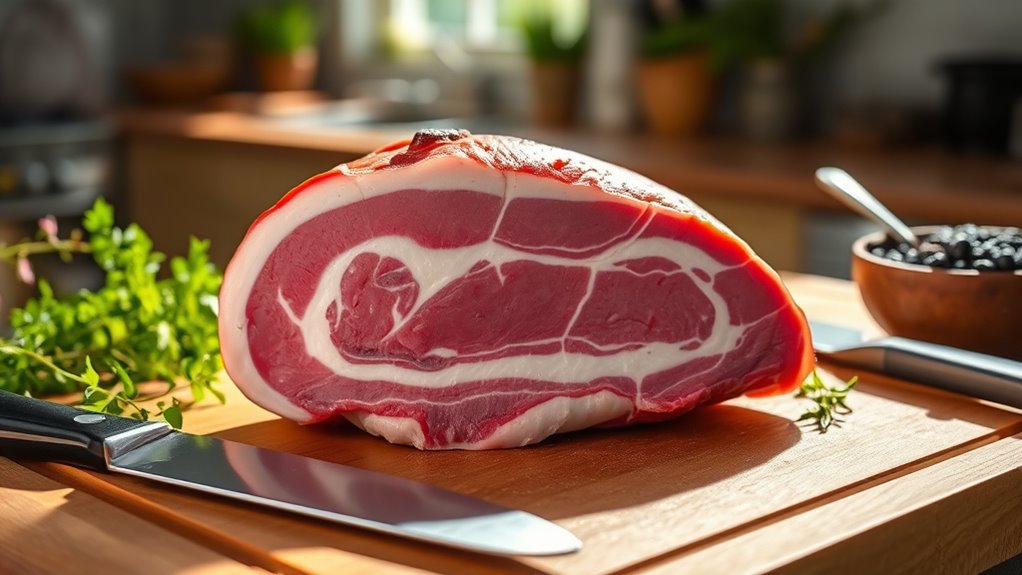
When you hear Boston butt, you’re dealing with pork, not beef. This cut comes from the pig’s upper shoulder, including part of the shoulder blade. It has a good mix of fat and connective tissue that makes it perfect for slow cooking.
Its name comes from old New England storage methods, not the type of meat.
If you want to know why it’s great for barbecue and how to tell it apart from other cuts, keep exploring further.
What Is Boston Butt And Where Does It Come From
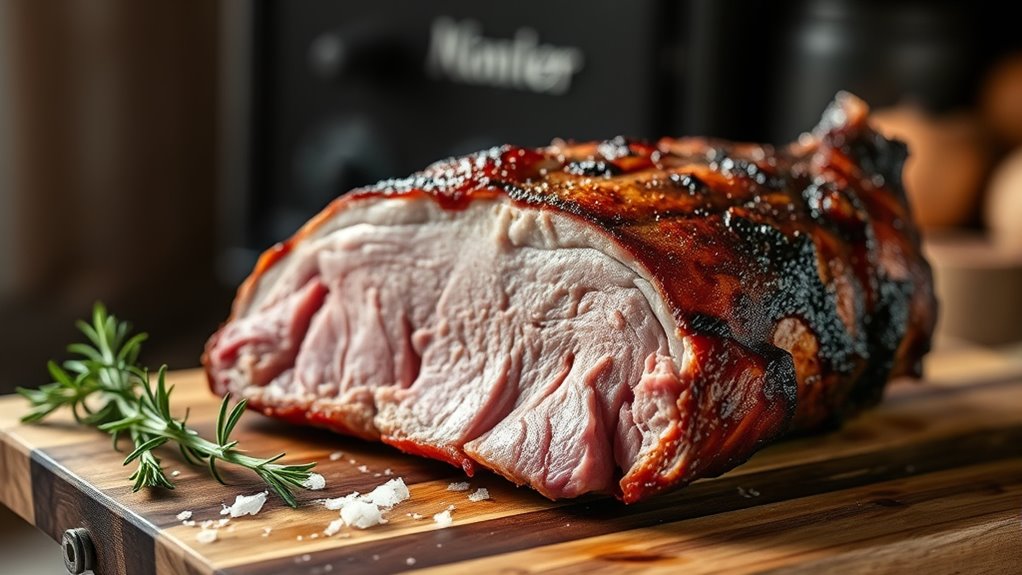
What exactly is a Boston butt, and where does it come from? The Boston butt is a cut of pork that comes from the front shoulder of the pig, often called the pork shoulder. Despite its name, it’s not beef.
The term “Boston butt” dates back to New England butchering traditions, where pork shoulder cuts were packed into barrels called “butts” for storage and transport. This cut includes part of the shoulder blade, making it rich in marbling and ideal for slow cooking.
When you cook a Boston butt low and slow, it becomes tender and flavorful, perfect for barbecue or roasting. So, whenever you hear Boston butt, remember it’s all about pork shoulder, not beef.
Anatomy Of The Boston Butt Cut
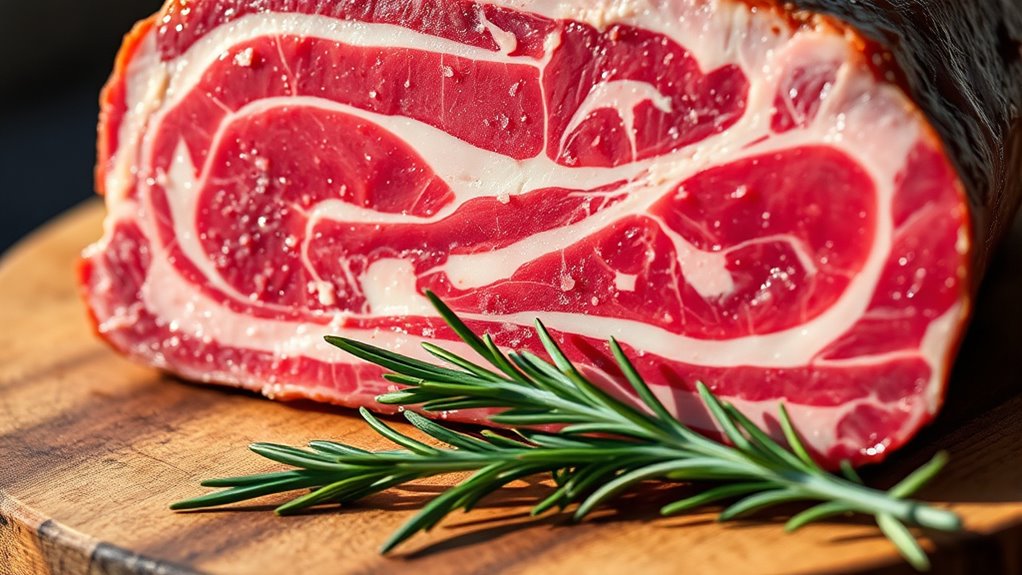
You’ll find the Boston butt cut comes from the pig’s upper shoulder, featuring a distinctive scapula bone that varies by how it’s sliced.
Understanding the muscle layers and their arrangement will help you recognize its tender and flavorful qualities.
Let’s break down the bone structure, muscle composition, and exact cut location to see what makes this pork portion unique.
Bone Structure Overview
How can you tell that the Boston butt comes from pork rather than beef? When examining the bone structure, you’ll notice distinct features unique to this cut of pork. The Boston butt is taken from the pig’s front shoulder and includes part of the scapula, or shoulder blade.
Here’s what to look for:
- The bone often shows the scapula’s neck area, which appears round or oval on the ventral face.
- Depending on the cut, the bone shape varies; it might be through the scapula’s neck or main shaft.
- The posterior face of the bone has an elongated triangular or wedge shape, ending in cartilage.
Recognizing these traits helps you identify the Boston butt among other cuts of pork.
Muscle Composition Details
Although the Boston butt comes from the pig’s shoulder, you’ll find that its muscle composition is unique, combining several types of pork muscles. This cut includes a mix of locomotion muscles that vary in tenderness, all classified as pork. The University of Illinois highlights that these muscles contain connective tissue requiring slow cooking to tenderize properly.
Unlike beef cuts, the Boston butt’s muscle fibers and connective tissues are exclusively from pork. You’ll also notice the presence of bones from the pig’s scapula, reaffirming its pork origin. When exploring Boston butt cuts, understanding this muscle composition helps you appreciate why it’s ideal for slow roasting or smoking, allowing all pork fibers and tissues to break down into tender, flavorful meat.
Cut Location Insights
Where exactly does the Boston butt come from on the pig? Despite its name, the Boston butt is a cut of pork from the upper part of the shoulder, not the rear. The term Boston butt originated in New England, popularized by the Agricultural Experiment Station of the University, which helped standardize Cuts Of Meat.
Here’s what you should know:
- Boston butts include part of the shoulder blade bone, which varies in shape depending on the cut’s position.
- The ventral face of this bone is round or oval, while the posterior face forms an elongated triangle with cartilage.
- This cut sits above the picnic shoulder, making it distinct and prized for its flavor and tenderness.
Understanding this clears up misconceptions about the name Boston butt.
How Boston Butt Differs From Other Pork Shoulder Cuts
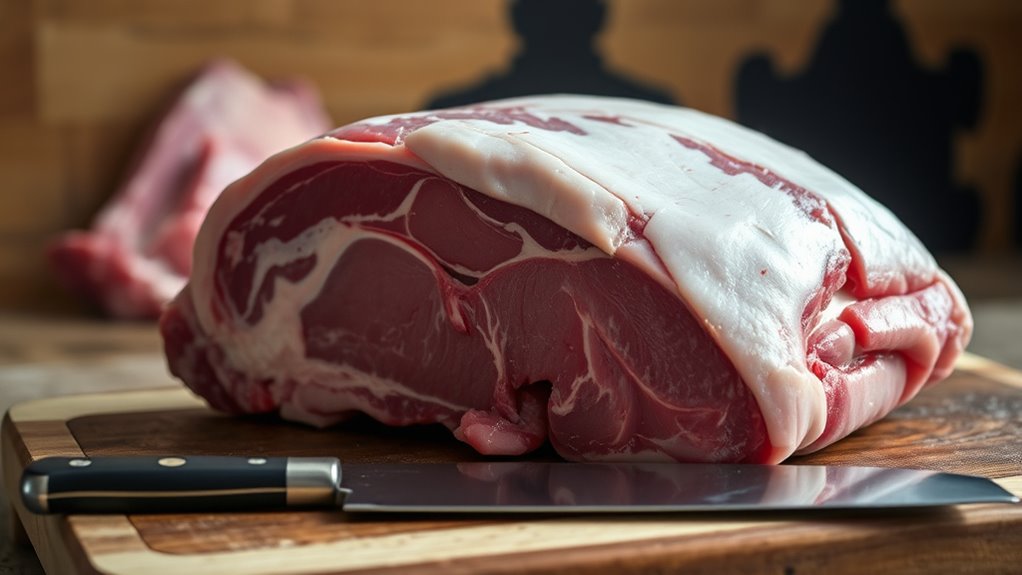
When you compare the Boston butt to other pork shoulder cuts, you’ll notice it comes from the upper part of the shoulder and usually includes a bone, setting it apart from cuts like the picnic shoulder. The Boston butt has a higher level of intramuscular fat, which keeps the meat tender and flavorful during slow cooking or barbecue.
In contrast, the picnic shoulder, taken from the lower part of the shoulder, is typically leaner and may include more skin and connective tissue. These differences affect cooking methods and results, with Boston butt favored for pulled pork due to its marbling.
Understanding these distinctions helps you choose the right cut for your recipe and ensures delicious, juicy pork every time.
How To Identify Boston Butt At The Butcher Or Store
When you’re at the butcher or store, look for a pork shoulder cut with a visible scapula bone—either rounded or wedge-shaped depending on the side. The Boston butt is usually rectangular, well-marbled, and topped with a thick fat cap.
These visual cues help you quickly spot the right cut among others.
Visual Bone Characteristics
Although the Boston butt is a pork cut, you can quickly identify it at the butcher by examining the bone’s distinctive shape. When bone-in, this cut shows a rounded or oval scapula bone, visible from both the ventral and posterior edges.
To spot it, look for:
- A smooth, circular or oval shape on the ventral face of the bone.
- An elongated triangle or wedge shape with cartilage at the tip on the posterior face.
- Variations depending on whether the cut includes the scapula’s neck or main shaft, which changes the bone’s appearance but keeps it recognizable.
Cut Shape And Size
How can you quickly spot a Boston butt at your local butcher or store? Look for a rectangular, blocky cut of pork weighing between 6 to 14 pounds. It usually comes bone-in, featuring the scapula or blade bone—which appears round or oval on one side and elongated triangular on the other.
This bone helps confirm you’re looking at a Boston butt. The cut often has a thick layer of fat on top, known as the fat cap, which adds to its distinctive appearance. Depending on how it was butchered, the shape may vary slightly, but the sizable bone and overall rectangular form remain consistent.
Keep these details in mind, and you’ll confidently identify a Boston butt on any meat counter.
Fat Content And Marbling
If you want a Boston butt that’s tender and flavorful, focus on its fat content and marbling. This cut comes from the pig’s upper shoulder and usually contains about 25% fat, which is key for juicy, tender meat.
When you’re at the butcher or store, keep these tips in mind:
- Look for visible marbling—fat streaks woven through the muscle—that enhance flavor and tenderness.
- Check the fat cap on top; ideally, it should be between ½ and 1 inch thick to keep the meat moist during cooking.
- Pick a piece with a smooth, firm texture, indicating freshness and quality.
The right balance of fat and marbling makes this cut perfect for slow cooking, ensuring rich taste and melt-in-your-mouth tenderness.
Origin Of The Name “Boston Butt
The name “Boston butt” might confuse you, but it actually refers to a pork cut from the pig’s front shoulder, not beef. The term comes from old New England butchering practices where pork cuts were stored in barrels called “butts.” This method was common around Boston, Massachusetts, which is how the name “Boston butt” came about.
The phrase first appeared in print around 1915, but the practice dates back to the 19th century. So, despite what the name suggests, it has nothing to do with beef. Instead, it’s a distinctly pork-related term rooted in regional history and storage methods, reflecting a practical approach to butchering and preserving meat in that era.
Why Do People Confuse Boston Butt With Beef?
Because the word “butt” appears in both pork and beef terminology, many people mistakenly think Boston butt is a beef cut. This confusion happens for a few reasons:
- The term “butt” refers to a pork cut from the pig’s front shoulder, but it also describes the large end of beef ribs or sirloin.
- Boston butt’s name comes from pork storage barrels in New England, not from any beef-related term.
- The similarity in wording makes it easy to assume Boston butt relates to beef when it’s actually pork.
Knowing these points helps you see why the mix-up happens, clearing up the misconception that Boston butt is beef instead of pork.
Why Boston Butt Is Ideal For Slow Cooking And Barbecue
When you slow-cook Boston butt, its high connective tissue and marbling break down beautifully, turning the tough shoulder into tender, juicy meat perfect for barbecue. The collagen dissolves near 200ºF, making the pork easy to shred.
Its fat cap and intramuscular fat lock in moisture, so the meat stays flavorful throughout long cooking sessions. Whether you smoke, braise, or roast, slow, low-temperature methods maximize tenderness and taste.
| Feature | Benefit | Cooking Method |
|---|---|---|
| Connective Tissue | Tenderizes meat | Smoking |
| Marbling | Enhances juiciness | Braising |
| Fat Cap | Retains moisture | Roasting |
| Collagen | Softens for shredding | Low & slow cooking |
| Shoulder Cut | Rich flavor | Barbecue |
Popular Recipes And Uses For Boston Butt
If you want tender, flavorful pork that easily shreds, Boston butt is your go-to cut. Its marbling and connective tissue make it perfect for dishes that require slow cooking, revealing rich flavors and a juicy texture. Here are three popular ways to use Boston butt:
- Smoked Pork Shoulder: Slow smoke the Boston butt for hours, creating smoky, tender pulled pork ideal for sandwiches or tacos.
- Carnitas: Cook the pork slowly until it’s fall-apart tender, then crisp it up for authentic Mexican carnitas with a crispy exterior.
- Pulled Pork Sandwiches: Shred the cooked meat and mix it with barbecue sauce to serve on buns, a classic crowd-pleaser at any gathering.
These recipes highlight the versatility and flavor Boston butt brings to your kitchen.
Tips For Cooking And Serving Boston Butt Pork
Although Boston butt requires patience, cooking it slowly at low temperatures guarantees tender, juicy meat that easily pulls apart. Cook it between 225-275°F, aiming for an internal temperature near 200°F.
Before cooking, season with a dry rub or marinade to boost flavor. Keep the meat moist by basting or wrapping it in foil during long cooking sessions.
After cooking, let the pork rest for at least 20 minutes to allow juices to redistribute, ensuring moist, flavorful servings.
| Step | Temperature | Tip |
|---|---|---|
| Cooking | 225-275°F | Low and slow |
| Internal Temp | ~200°F | For tender shredding |
| Resting Time | 20 minutes+ | Redistributes juices |
Frequently Asked Questions
What Is the Beef Version of Pork Shoulder?
The beef version of pork shoulder is called the chuck or chuck roast.
You’ll want to slow-cook it like pork shoulder to break down connective tissue and get that tender, flavorful result you’re aiming for.
Which Cut of Meat Is Best for Pulled Pork?
If you want pulled pork that melts like a dream, the Boston butt’s your best friend. Its rich fat and connective tissue break down slowly, turning tough muscle into tender, juicy strands you’ll savor every bite.
This cut is perfect for slow cooking methods like smoking, braising, or slow roasting.
The result is flavorful, moist pulled pork that’s ideal for sandwiches, tacos, or just enjoying on its own.
Is Pulled Pork or Beef Better?
You’ll find pulled pork sweeter and milder, perfect if you like tender, juicy meat.
Pulled beef offers a richer, bolder flavor. It really depends on your taste preference and what texture you enjoy more.
Conclusion
Now that you know Boston butt is pork, not beef, you can confidently choose it for your next meal. This flavorful cut, like a well-tuned instrument, hits all the right notes for slow cooking and barbecue.
When you pick Boston butt at the store, you’re getting a tender, juicy piece perfect for hearty dishes. So go ahead, embrace this classic cut, and enjoy the rich taste that only pork shoulder can deliver.
In conclusion, Boston butt is a pork cut ideal for slow cooking, barbecuing, and creating delicious, tender meals. Remember, it’s pork—not beef—that makes Boston butt so special and flavorful.