
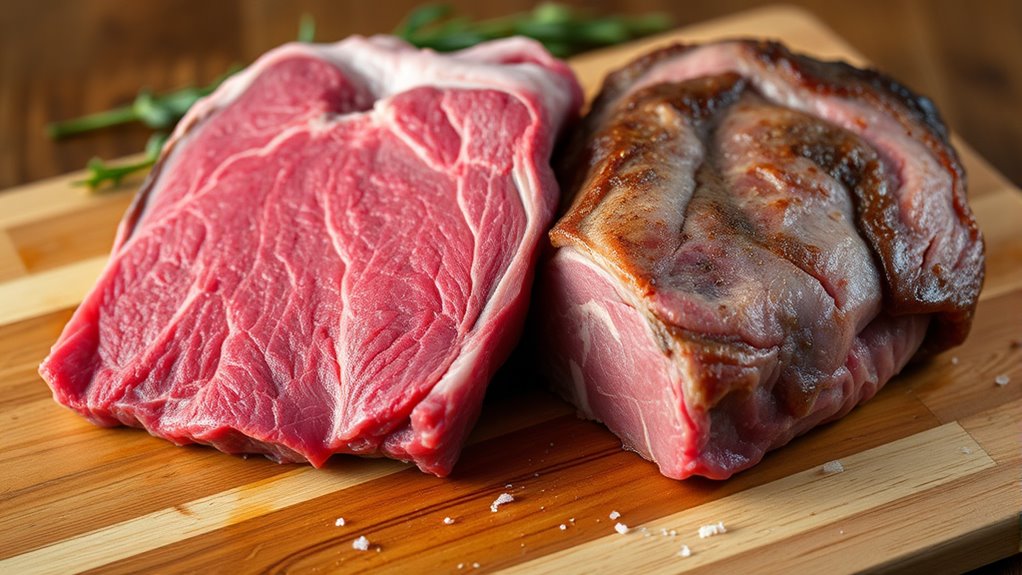
Are Beef Shoulder Roast and Chuck Roast the Same?
Beef shoulder roast and chuck roast are both popular cuts from the beef shoulder area, but they are not exactly the same. Understanding the differences between beef shoulder roast and chuck roast can help you choose the best cut for your cooking needs.
You’ll find that shoulder roast is leaner with a firmer texture and a milder flavor. In contrast, chuck roast has more marbling, which makes it juicier and richer when slow-cooked.
Both cuts require low and slow cooking methods to become tender. However, they each bring unique qualities to dishes and budgets.
If you want to know which one suits your meal best, keep exploring their distinct characteristics.
What Is a Shoulder Roast?
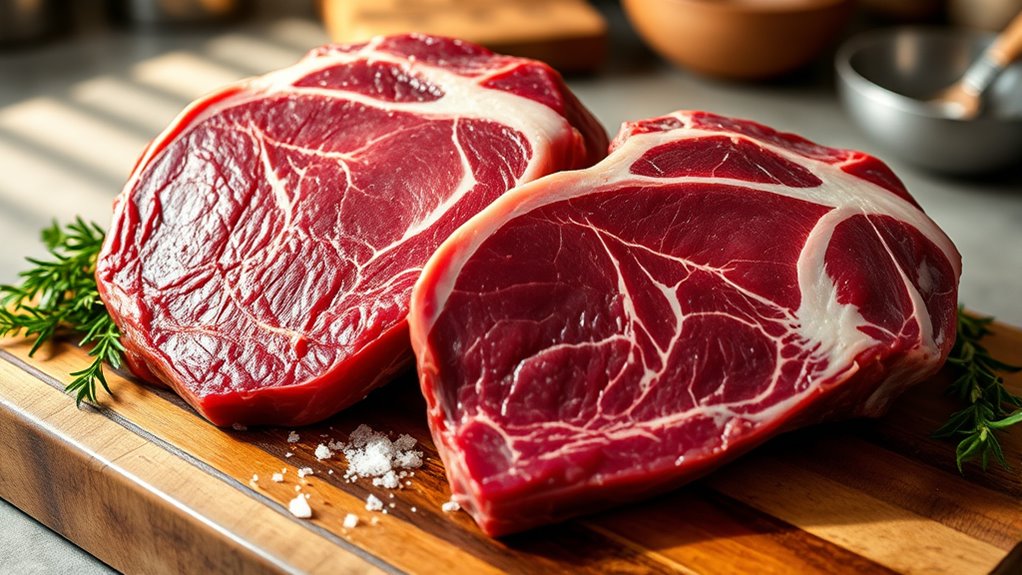
Although it comes from a well-exercised part of the cow, a shoulder roast offers rich flavor and affordability. This cut comes from the beef shoulder, also called the beef chuck shoulder, and includes various muscles. You might find it sold under different names like arm roast or shoulder clod, depending on the exact cut.
Because this area gets a lot of use, the meat tends to be tougher. But don’t let that fool you—when you cook a shoulder roast slowly with moist heat, like braising or pot roasting, it becomes tender and juicy. This method breaks down the connective tissue and liberates a hearty, beefy taste.
It’s a smart choice if you want a flavorful, budget-friendly roast for slow-cooked meals.
Why Chuck Roast Is Special
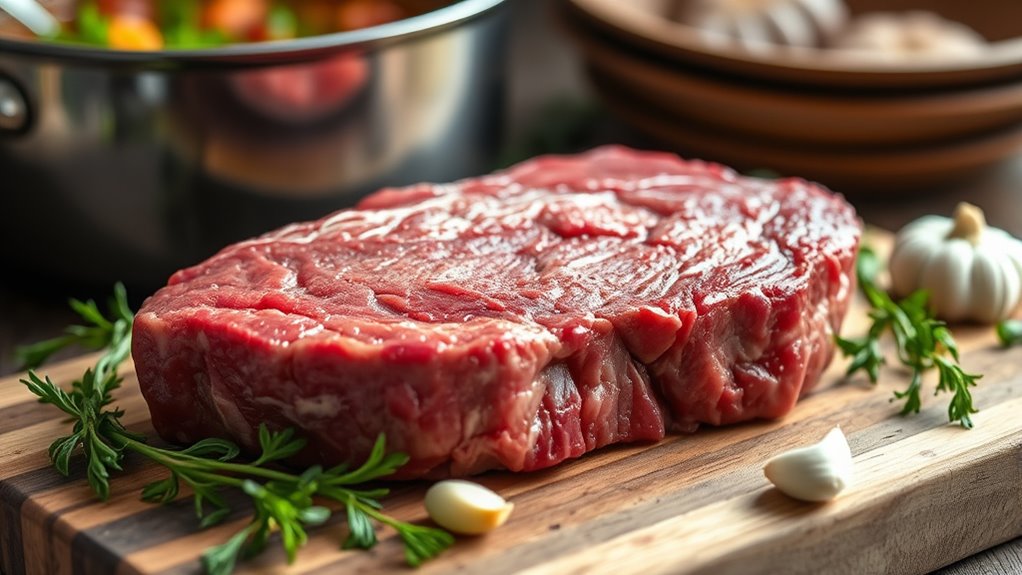
Many cooks choose chuck roast because it combines rich marbling with a robust beefy flavor that shines when slow-cooked. Unlike other shoulder roasts, chuck comes from the chuck primal, packed with fat lines and connective tissue that break down during low and slow cooking. This process transforms the shoulder beef roast into a tender roast bursting with taste and texture.
When you compare shoulder roast vs chuck, you’ll find chuck roasts offer more flavor and juiciness, making them ideal for pot roast or barbecue sauce recipes. While higher temperatures suit other roasts, chuck excels in slow cooking or braising.
At the grocery store, chuck is often more affordable and versatile, perfect for home cooks seeking a flavorful roast beef without sacrificing tenderness. Reverse sear can finish it beautifully.
Texture and Tenderness Differences Between Cuts
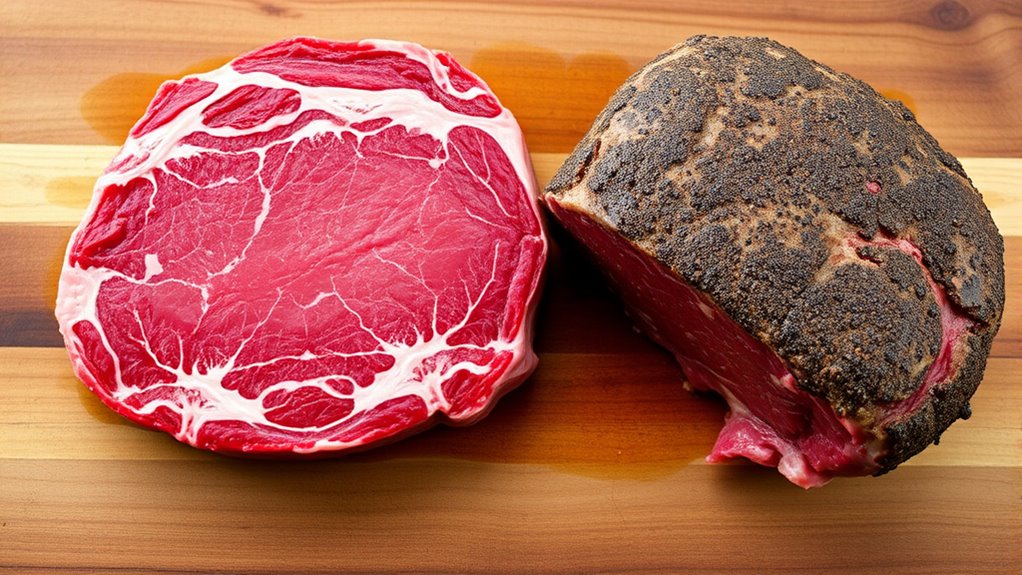
When you cook beef shoulder roast and chuck roast, you’ll notice distinct differences in texture and tenderness. The shoulder roast is leaner with finer muscle fibers, which can make it firmer and a bit tougher if not cooked carefully. In contrast, chuck roast boasts more marbling and connective tissue, resulting in a naturally tender and juicy roast after slow cooking.
Here’s what to keep in mind:
- Shoulder roast’s leaner profile means a firmer texture.
- Chuck roast’s collagen breaks down into gelatin, creating melt-in-your-mouth tenderness.
- Chuck roast is more forgiving during cooking, becoming tender more easily.
- Proper technique is vital for shoulder roast to avoid toughness.
Understanding these differences helps you choose the right roast for your recipe and cooking style.
Price and Value Comparison
You’ll notice shoulder roast usually costs less because it’s leaner with less marbling. Chuck roast, while pricier, gives you more flavor and tenderness, especially when slow-cooked.
If you’re on a budget, shoulder roast can still deliver great meals with the right cooking techniques.
Cost Differences Explained
A key factor to consider between beef shoulder roast and chuck roast is cost, as shoulder roast typically comes at a lower price due to its leaner makeup and reduced marbling. When deciding which to buy, keep these points in mind:
- Chuck roast costs more because of its higher fat content and rich flavor.
- Shoulder roast offers a leaner, more affordable option without sacrificing tenderness when cooked properly.
- Budget-conscious shoppers often prefer shoulder roast for versatile, cost-effective meals.
- Slow-cooking shoulder roast can unlock flavors similar to pricier chuck cuts.
Understanding these cost differences helps you choose the best roast for your budget and cooking style without compromising quality.
Value for Money
Choosing between beef shoulder roast and chuck roast comes down to balancing price with the value you want from your meal. Shoulder roast usually costs 10-20% less per pound because it’s leaner with less marbling, making it a smart pick if you want to save money without sacrificing too much flavor.
On the other hand, chuck roast’s higher fat content and marbling deliver richer taste and tender texture, which justifies its slightly higher price. If you’re aiming for slow-cooked, flavor-packed dishes, chuck roast offers better value despite the cost.
But if you prefer a leaner cut that’s easier on the wallet, shoulder roast fits the bill. Ultimately, it’s about matching your budget with the flavor and tenderness you want to enjoy.
Budget-Friendly Cooking
Though both beef shoulder roast and chuck roast shine in slow-cooked recipes, their price differences can influence your choice. Shoulder roast usually costs less because it’s leaner with less marbling, making it a budget-friendly option. Chuck roast, richer in fat and flavor, tends to be a bit pricier.
However, both cuts offer excellent value when slow-cooked, turning tough meat into tender, tasty dishes. When deciding, consider these points:
- Shoulder roast is generally more affordable.
- Chuck roast provides a richer flavor but costs slightly more.
- Price gaps narrow when buying in bulk or on sale.
- Your budget and flavor preference guide the best choice.
Best Cooking Methods for Shoulder Roast
You’ll get the best results with shoulder roast by using slow, moist cooking methods like braising or pot roasting to break down the tough fibers. Smoking and barbecuing also work well if you’re patient and cook low and slow. Both approaches bring out rich flavors and tenderize the meat beautifully.
Slow Moist Cooking
When you cook a shoulder roast slowly with moisture, you release its full potential for tenderness and flavor. Slow, moist cooking methods like braising or stewing break down tough connective tissue, making the meat tender and juicy.
Maintaining a low temperature around 275°F (135°C) for several hours ensures collagen converts into gelatin, creating that melt-in-your-mouth texture. Covering the roast or cooking it in liquid keeps it from drying out.
After cooking, resting your roast allows juices to redistribute, locking in moisture and enhancing tenderness. To get the best results:
- Use braising, stewing, or pot roasting techniques
- Maintain low, steady heat for several hours
- Keep the roast covered or submerged in liquid
- Rest the meat after cooking before slicing
This approach guarantees a flavorful, tender shoulder roast every time.
Smoking And Barbecuing
If you want to unseal the full flavor and tenderness of a shoulder roast, smoking and barbecuing at low temperatures is an excellent method. Keep your smoker between 225-250°F to slowly break down the connective tissue.
Before cooking, apply a dry rub with salt, sugar, and your favorite spices to boost flavor and develop a delicious bark. When the roast hits around 160°F and enters the stall phase, wrap it tightly in foil or butcher paper to lock in moisture and speed up cooking.
Smoke until the internal temperature reaches 202-203°F for maximum tenderness. Finally, let the roast rest for at least 30 minutes after smoking to allow the juices to redistribute, ensuring a moist and flavorful barbecue experience every time.
Best Cooking Methods for Chuck Roast
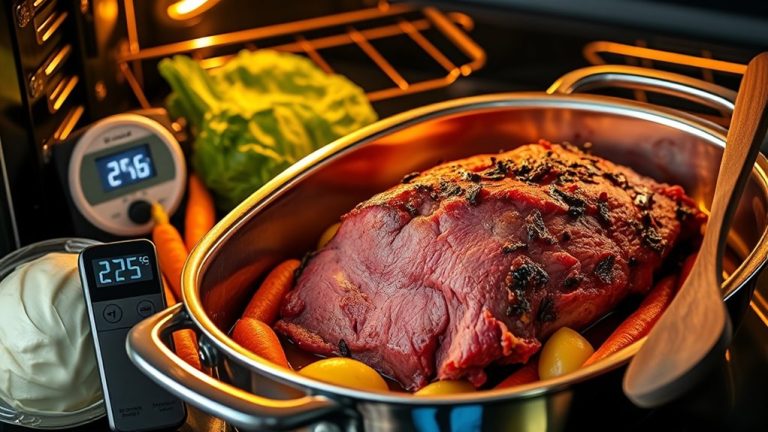
Because chuck roast contains a lot of connective tissue, slow-cooking methods like braising or pot roasting work best to tenderize the meat. You’ll want to cook it low and slow, around 225-250°F, for several hours to break down collagen fully. Before slow cooking, sear the roast to build a flavorful crust.
Using moist heat keeps the meat juicy and prevents drying out. Aim for an internal temperature of 190-205°F for tender, shreddable results. Here are some tips to get the most out of your chuck roast:
- Sear the meat before slow cooking to enhance flavor
- Use braising liquid like broth or wine for moisture
- Cook at low temperatures for several hours
- Check internal temperature to ensure tenderness
These methods guarantee a rich, tender chuck roast you’ll love.
Comparing the Flavor of Shoulder and Chuck Roasts
How does the flavor of shoulder roast compare to chuck roast? Both come from the beef shoulder area, but chuck roast generally has more marbling, giving it a richer, more intense flavor. When you slow-cook a shoulder roast, it develops a deep, beefy, and hearty taste as the connective tissues break down.
Chuck roast, on the other hand, delivers a buttery, pronounced beef flavor thanks to its higher fat content. You’ll notice that shoulder roasts offer a robust and savory profile, especially after moist cooking methods, while chuck roasts tend to be slightly more flavorful and succulent.
Versatile Recipes for Shoulder Roast
When you choose a shoulder roast, you open a world of versatile recipes that showcase its rich flavor and tender texture. This cut thrives with slow cooking, where its connective tissue breaks down beautifully.
You can braise it slowly to create a melt-in-your-mouth pot roast. Slice it thin for roast beef sandwiches that soak up marinades. Use it in hearty stews or beef bourguignon to highlight its marbling.
Incorporate it into robust chili recipes for deep, beefy flavor.
Popular Dishes With Chuck Roast
What makes chuck roast a favorite in many kitchens? Its rich marbling and connective tissue transform it into tender, flavorful meals when cooked low and slow. You’ll love using chuck roast for classic pot roast, where braising or stewing breaks down the meat into a melt-in-your-mouth texture.
It’s also perfect for shredded beef recipes like tacos, sandwiches, or hearty stews. If you enjoy dishes like beef bourguignon or slow cooker beef and vegetables, chuck roast delivers deep, beefy flavors that shine after hours of moist cooking.
This cut’s versatility in slow-cooked recipes means you can count on it for satisfying, comforting meals that highlight its natural richness and tenderness every time.
Choosing the Right Roast for Your Meal
When picking between shoulder and chuck roast, think about the flavor and texture you want on your plate. Chuck roast, with its higher fat content, shines in slow-cooked dishes, while shoulder roast works well for quicker, medium-rare meals.
Matching your cooking method to the roast guarantees the best results every time.
Flavor and Texture
Although both cuts come from the shoulder area, you’ll notice distinct differences in flavor and texture that affect how each roast performs in your dish. When choosing between beef shoulder roast and chuck roast, consider these key points:
- Shoulder roast is leaner with a milder beef flavor, offering a silkier, more delicate texture.
- Chuck roast has more marbling and fat, giving it a richer, buttery mouthfeel and intense flavor.
- The connective tissue in chuck breaks down during slow cooking, making it tender and juicy.
- Shoulder roast suits slicing and roasting to medium rare, while chuck excels in braised or shredded dishes.
Understanding these differences helps you pick the roast that best matches your desired flavor and tenderness.
Cooking Method Differences
Since cooking methods greatly influence the final texture and flavor, you’ll want to choose your roast based on how you plan to prepare it. Shoulder roast thrives with slow, moist methods like braising or stewing to soften its connective tissue, making it ideal for pot roasting or oven roasting at low temperatures.
Chuck roast, with its higher marbling, handles slow roasting, braising, or smoking well and can even tolerate searing before slow cooking. If you’re short on time, shoulder roast can be cooked quickly to medium rare and sliced, but chuck roast usually needs longer cooking to break down collagen.
For grilling or high-heat roasting, chuck roast is your best bet, while shoulder roast demands a low and slow approach for tenderness. Choose wisely to get the best results.
Frequently Asked Questions
What Is Better, Beef Shoulder Roast or Chuck Roast?
Chuck roast is better if you want tender, flavorful meat from slow cooking.
If you prefer leaner, sliceable roast, shoulder roast works well.
Choose based on your cooking style and desired texture.
Can Shoulder Roast Replace Chuck Roast?
Yes, you can use shoulder roast instead of chuck roast, but don’t expect the same tenderness.
You’ll need to adjust cooking time and add moist heat to break down the leaner meat and get great flavor.
What Is Another Name for Beef Shoulder?
Another name for beef shoulder is the chuck or chuck shoulder.
You’ll also hear it called the shoulder clod or chuck primal, depending on the region and butchering style, but they all come from the same upper front quarter.
Why Is Beef Shoulder Called Chuck?
Think of beef shoulder as the engine of flavor, called “chuck” because it comes from the shoulder primal cut.
This area is known for tough muscles that work hard, giving you rich, marbled meat perfect for slow cooking.
Conclusion
Now that you know the difference, you can choose the perfect roast for your meal. Notably, chuck roast accounts for nearly 40% of all beef roast sales in the U.S., showing just how popular it is.
Whether you go with a beef shoulder roast or a chuck roast, both offer great flavor and tenderness when cooked right. So, trust your taste buds, pick the cut that fits your recipe, and enjoy a delicious meal every time.