How Long Can You Keep Beef in the Fridge
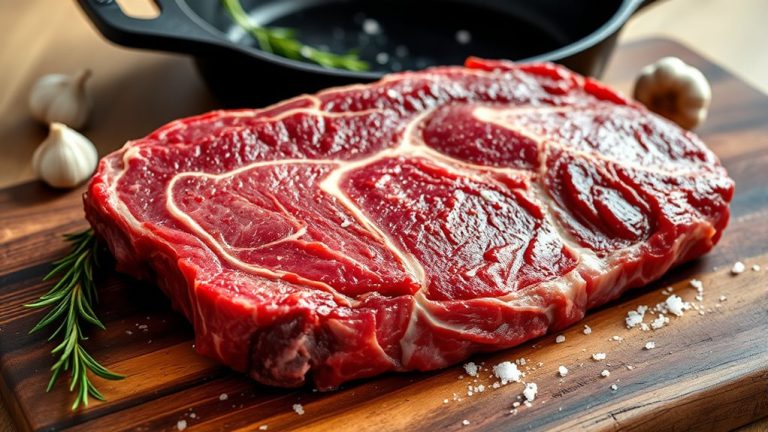
You can keep raw beef in the fridge for 1 to 2 days, while larger cuts like steaks might last up to 5 days if properly stored. Ground beef is best used within 1 to 2 days since bacteria grow quickly on exposed surfaces.
Cooked beef stays good for 3 to 4 days in airtight containers.
To keep your beef fresh longer and spot spoilage early, there are some smart storage and handling tips you’ll want to know. Proper refrigeration and packaging play a key role in extending beef’s shelf life.
Always store beef at or below 40°F (4°C) to slow bacterial growth.
How Long Does Raw Beef Last in the Fridge?
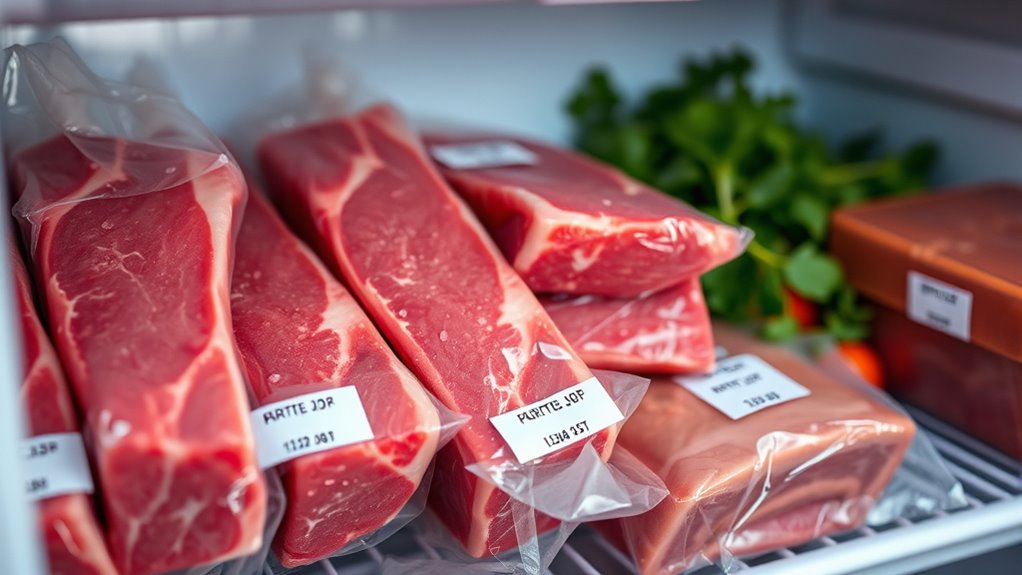
While you might be enthusiastic to use your raw beef, it’s important to know that it typically lasts only 1 to 2 days in the fridge when stored properly at or below 40°F (4°C). If your raw beef is vacuum-packed, it can last up to 7 days, but freshness and packaging quality play a big role. Larger cuts like steaks or roasts may stay good for 3 to 5 days under proper refrigeration.
Always check your raw beef for spoilage signs like discoloration, a sour smell, or a slimy texture before cooking. If you notice any of these, it’s best to discard the beef to avoid foodborne illness. Keeping raw beef cold and checking it regularly helps guarantee you enjoy it safely.
How Long Does Ground Beef Last in the Fridge?
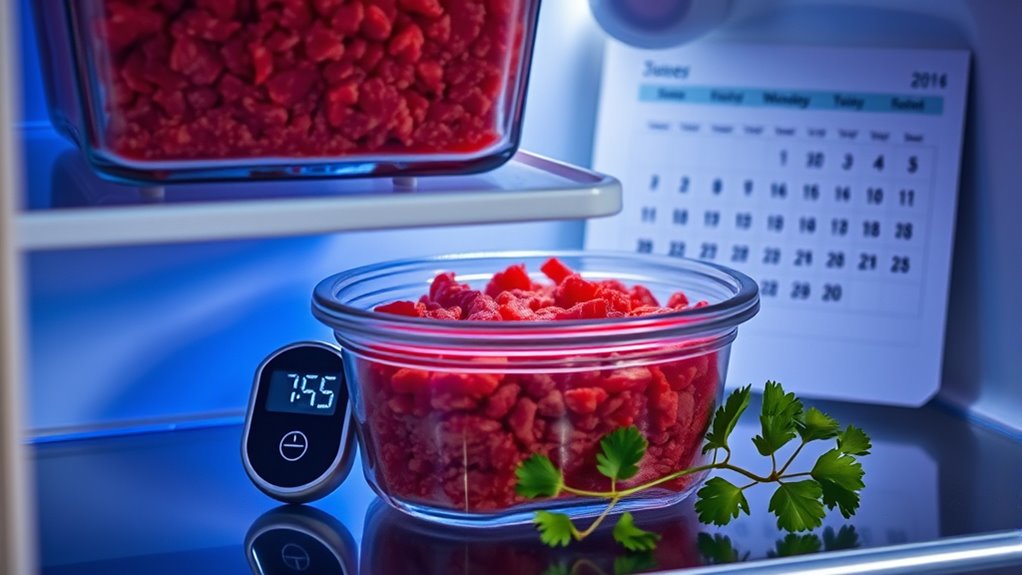
Because ground beef has a larger surface area exposed to bacteria, it only lasts 1 to 2 days in the fridge when stored at or below 40°F (4°C). The shelf life is short because bacteria can multiply quickly on the exposed surfaces. To keep it fresh, store ground beef in airtight packaging, but even then, don’t expect it to last beyond two days.
You should cook or freeze it within this time frame to avoid spoilage and potential foodborne illness. Watch for signs like a sour smell, slimy texture, or dull, brownish color—these indicate it’s time to discard the meat. Staying within the recommended shelf life guarantees your ground beef stays safe and tasty for your meals.
How to Store Raw and Cooked Beef for Maximum Freshness
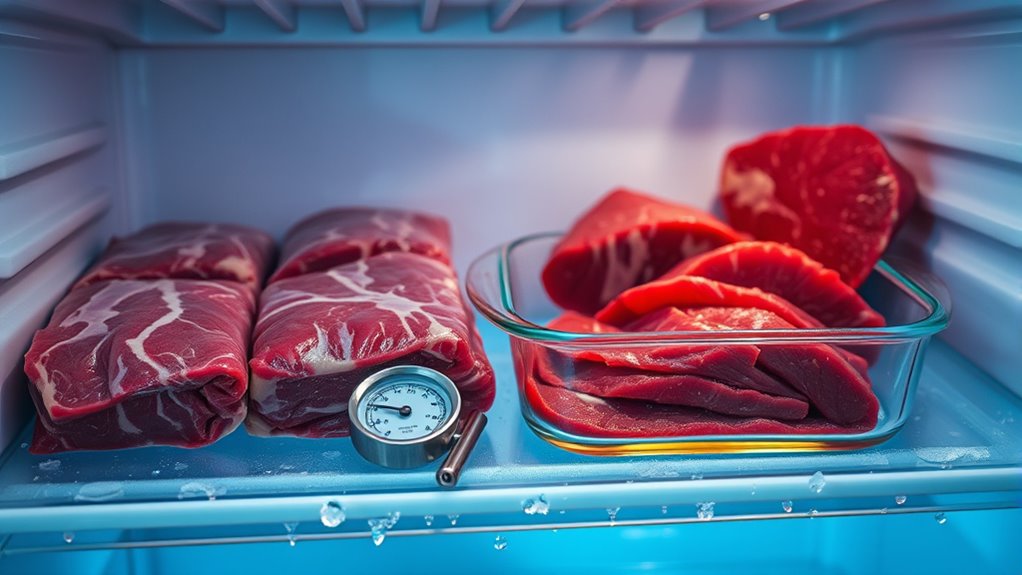
To keep both raw and cooked beef fresh, you need to store them properly in the refrigerator at or below 40°F (4°C). For raw beef, place it in the coldest part of your fridge, ideally wrapped tightly in plastic wrap, foil, or sealed containers to minimize air exposure and slow bacterial growth. Consume raw beef within 1-2 days to maintain freshness and prevent spoilage.
Cooked beef should be stored in airtight containers and eaten within 3-4 days. Always label your beef with the date to track freshness and ensure proper refrigerator storage rotation. Avoid leaving beef out at room temperature for more than 2 hours, as this accelerates spoilage.
Following these steps helps you maximize freshness and reduce the risk of bacterial growth in your beef.
How Packaging Impacts Beef Shelf Life and Freshness
How you package your beef plays a huge role in how long it stays fresh. Vacuum sealing removes air, helping preserve color and flavor much longer than butcher paper or plastic wrap.
Keeping air out slows spoilage and keeps your beef tasting its best.
Vacuum Sealing Benefits
When you vacuum seal beef, you remove air that would otherwise speed up spoilage and cause freezer burn. This method markedly extends beef’s freshness and quality, especially in the freezer. Vacuum sealing preserves the beef’s color, flavor, and juiciness far better than butcher paper or plastic wrap.
Plus, it inhibits bacterial growth by eliminating oxygen, keeping your beef safe longer.
Here’s why vacuum sealing benefits you:
- Properly vacuum-sealed beef can last up to 1 year or more in the freezer without losing quality.
- It maintains ideal flavor and texture by preventing freezer burn.
- Labeling vacuum-sealed packages with dates helps you track storage time and use beef safely.
Vacuum sealing is a smart choice to maximize shelf life and enjoy fresher, tastier beef.
Butcher Paper Limitations
While vacuum sealing offers impressive protection for your beef, not all packaging methods provide the same level of preservation. Butcher paper protects raw steaks and raw ground beef for only one to two days since it allows air and moisture to contact the meat. This exposure limits how long beef kept in butcher paper will stay fresh.
After a couple of days, you might notice a slimy texture or off smell, signs the beef is no longer safe to eat. Additionally, butcher paper can become damp, promoting freezer burn and bacteria growth. For beef you plan to store longer, say three to four days or two to three months in the freezer, consider vacuum sealing or airtight containers.
Beef should be stored properly to avoid spoilage and maintain quality.
Packaging And Air Exposure
Since air exposure speeds up spoilage, the way you package your beef plays a critical role in how long it stays fresh. Using airtight packaging is essential because it limits oxygen exposure, which slows bacterial growth and keeps your beef’s color, flavor, and texture intact.
Here’s what you should do:
- Use vacuum-sealed bags whenever possible; they can preserve beef for up to a year by removing excess air.
- Avoid loosely wrapping beef in plastic or butcher paper, as this lets air in, causing drying and freezer burn.
- Store beef in airtight containers if vacuum sealing isn’t an option, minimizing oxidation and moisture loss.
Signs Beef Has Gone Bad: What to Look For
Although fresh beef can last several days in the fridge, you need to watch for clear signs that it’s gone bad to avoid foodborne illness. One of the first things to check is discoloration; if the beef turns brown or gray instead of its usual red, that’s a warning sign. You should also sniff the meat—any sour or off-putting smell means it’s time to toss it. Don’t ignore the texture either; slimy or sticky surfaces indicate bacterial growth. Additionally, beef that looks dull, dry, or has dried-out edges, especially when combined with an unpleasant odor, shouldn’t be eaten. If you notice any of these signs, discard the beef immediately to keep yourself safe.
How Long Is Cooked Beef Safe to Keep in the Fridge?
You can safely keep cooked beef in the fridge for up to 3 to 4 days if it’s stored properly in airtight containers. After that, bacteria can start to grow, increasing the risk of foodborne illness.
Keep an eye out for signs like off smells, slimy texture, or discoloration to know if your beef has gone bad.
Cooked Beef Storage Time
When you cook beef, keeping it fresh in the fridge is crucial to avoid foodborne illness. Cooked beef has a storage time of 3 to 4 days in the refrigerator. After that, bacteria can grow, increasing health risks.
To guarantee your cooked beef stays safe and tasty, follow these tips:
- Cool cooked beef to room temperature within two hours of cooking before placing it in the refrigerator.
- Store it in airtight containers or wrap it tightly with plastic wrap or foil.
- If you won’t eat the cooked beef within 3 to 4 days, freeze it to extend its storage time.
Signs Of Spoiled Beef
Keeping cooked beef in the fridge for 3 to 4 days helps guarantee it stays safe to eat, but knowing how to recognize spoilage is just as important. You should look for key signs of spoiled beef, such as a sour or rancid odor, which immediately signals that it’s time to toss it.
A slimy texture is another clear indicator that bacteria have taken hold. Also, check the color—dull or greenish hues mean the beef isn’t safe anymore. If you spot mold or any off smells, don’t risk eating it.
Proper storage in airtight containers and keeping your fridge at or below 40°F helps maintain freshness, but even if the beef looks fine after 4 days, it’s safer to discard it to avoid foodborne illness.
Extending Beef Shelf Life With Dry Aging and Other Methods
Although fresh beef typically lasts only a few days in the fridge, you can considerably extend its shelf life through dry aging and other preservation methods. Dry aging involves storing beef in a controlled environment with specific temperature, humidity, and airflow. This process not only enhances flavor and tenderness but can extend shelf life up to 4-6 weeks when done properly.
Here are three ways to extend beef shelf life:
- Dry Aging: Keep beef at 34-38°F with 80-85% humidity and good air circulation to prevent spoilage.
- Vacuum Sealing: Removes air, slowing bacterial growth and preserving freshness longer.
- Marinating: Acidic marinades can inhibit bacteria and add flavor, giving you a longer window to cook. Use these methods carefully to enjoy better-tasting beef that lasts longer.
Tips for Thawing and Refreezing Beef Safely
Since improper thawing can increase the risk of bacterial growth, you should always thaw beef safely to protect its quality and your health. The best method is thawing in the refrigerator—allow about 24 hours per 1-1.5 pounds. If you need it faster, use the cold water method, changing the water every 30 minutes.
Never thaw beef at room temperature, as this encourages harmful bacteria.
Avoid thawing beef at room temperature to prevent harmful bacterial growth and ensure food safety.
If you thaw beef in the fridge, you can refreeze it within 1-2 days without much quality loss. But if you thaw using cold water or the microwave, cook it thoroughly before refreezing.
Always keep beef vacuum-sealed or tightly wrapped to prevent freezer burn and maintain freshness during refreezing. Following these thawing tips keeps your beef safe and tasty.
Best Practices to Organize and Rotate Beef in Your Fridge
When you store beef on the bottom shelf of your fridge, you reduce the risk of cross-contamination and help maintain the proper temperature for freshness. Good storage and organization are vital to keep your beef safe and tasty. Follow these best practices:
- Use airtight containers or resealable bags to limit air exposure and slow spoilage.
- Label each package with the purchase or storage date to track freshness easily.
- Organize beef by type and place older items in front to ensure you use them first, reducing waste.
Also, keep raw beef separate from cooked foods to avoid contamination. By maintaining this system, you’ll improve safety, extend beef’s shelf life, and keep your fridge tidy and efficient.
Frequently Asked Questions
Is Meat Still Good After 7 Days in the Fridge?
You shouldn’t eat meat after 7 days in the fridge unless it’s vacuum-sealed and looks, smells, and feels fresh.
When in doubt, trust your senses and toss it to avoid getting sick.
Is Raw Beef Good in the Fridge for 5 Days?
Think of raw beef as a ticking clock; five days in the fridge is its final chime.
You shouldn’t keep it longer—trust your senses and cook or toss it before it spoils and risks your health.
How Can You Tell if Beef Is Spoiled?
You can tell beef is spoiled if it smells sour or rancid, looks brown or gray with a slimy texture, feels sticky or mushy, or has a dull color and off odor even after cooking or opening.
How Long Can You Keep Uncooked Ground Beef in the Fridge?
You can keep uncooked ground beef in the fridge for 1 to 2 days. Make sure it’s stored at or below 40°F in airtight packaging.
If it smells sour or looks slimy, toss it out.
Conclusion
You don’t want to risk your meal turning into a science experiment, so keeping beef fresh in your fridge is essential. By storing raw and cooked beef properly, paying attention to packaging, and knowing the signs of spoilage, you’ll enjoy every bite safely.
Remember, your fridge isn’t a time machine—use those tips to keep your beef fresh longer and avoid any stomach-turning surprises. Freshness is priceless, so treat your beef like gold!
Knowing how long you can keep beef in the fridge helps you plan meals wisely and reduces food waste. Proper storage and timely consumption ensure your beef stays safe and delicious, making every meal a satisfying experience.