
How Long Will Beef Tallow Last in the Fridge
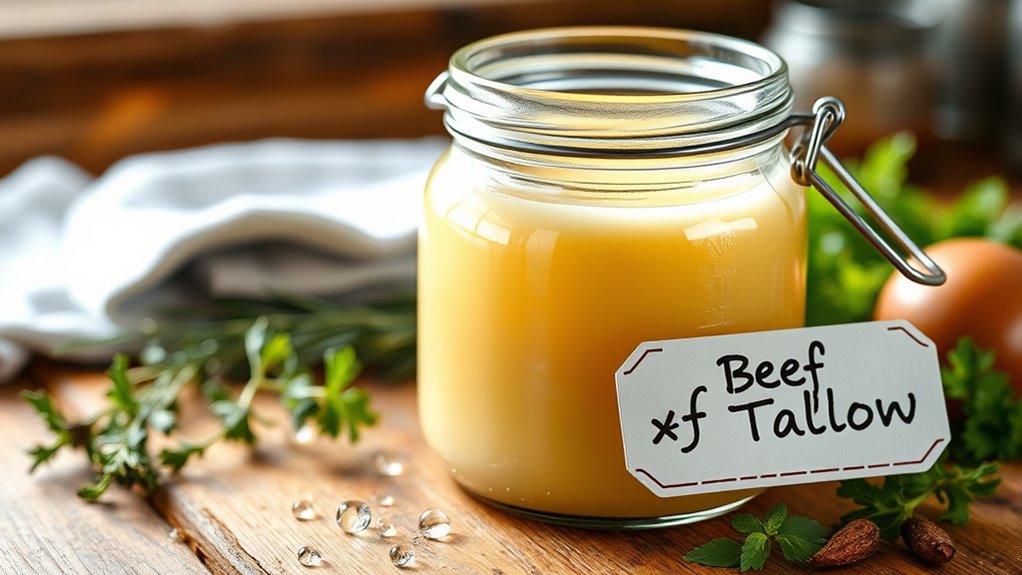
You can keep beef tallow fresh in the fridge for 12 to 24 months if you store it properly in an airtight, dark container. Proper storage is key to maintaining its quality and extending shelf life.
Keeping your fridge temperature steady, ideally between 35-40°F, helps prevent spoilage.
Make sure to check for off smells, discoloration, or texture changes before use. These signs indicate that the tallow may no longer be good to use.
If you freeze it, tallow lasts even longer but needs careful thawing to preserve its texture and flavor.
There’s more to learn about storing and handling tallow to keep it at its best. Proper handling ensures you get the most out of this versatile cooking fat.
How Long Does Beef Tallow Last in the Fridge?
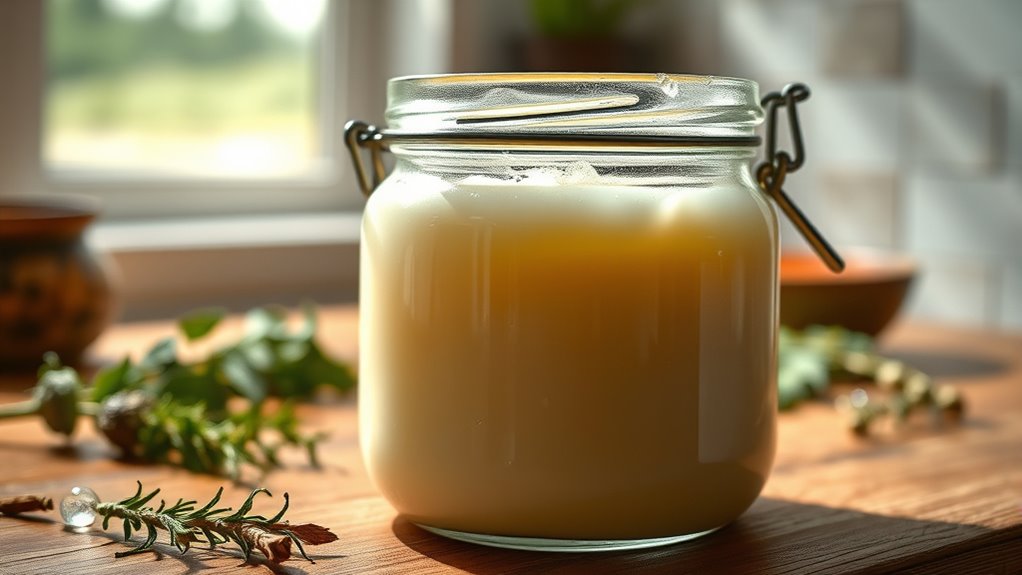
While beef tallow can last a long time in the fridge, its shelf life depends on proper storage. When you store properly rendered beef tallow in an airtight container, it can keep for 12 to 24 months. Refrigeration slows oxidation and microbial growth, which helps preserve the quality of your beef tallow, whether homemade or commercial.
Be sure to use clean utensils to avoid contamination, and keep the container in a dark, cool spot in the fridge to extend its shelf life. Watch for signs of spoilage like a sour smell, discoloration, or changes in texture—these indicate it’s time to discard the tallow. If it smells and looks fine, you can safely use it within this timeframe.
Should You Refrigerate Beef Tallow or Store It at Room Temperature?

You can store beef tallow at room temperature in a cool, dark place for several months without worry.
Refrigerating it slows down oxidation and can keep it fresh for up to two years.
Deciding whether to refrigerate depends on how quickly you’ll use it and how much you have on hand.
Benefits Of Refrigeration
Although beef tallow’s high saturated fat content naturally resists spoilage at room temperature, refrigerating it can substantially extend its shelf life to 12-24 months by slowing oxidation and rancidity. By refrigerating your beef tallow, you preserve its flavor, aroma, and nutritional qualities much longer. This is especially useful if you make homemade tallow or don’t use it quickly.
Refrigeration also reduces the risk of spoilage from microbial growth, even though tallow is naturally resistant.
Benefits of refrigeration include:
- Extending shelf life substantially
- Maintaining fresh flavor and aroma
- Protecting nutritional value
- Preventing rancidity in small or infrequently used batches
Store your tallow in airtight containers to keep it fresh without melting or losing quality in the fridge.
Room Temperature Storage
Refrigeration offers clear benefits for preserving beef tallow, but storing it at room temperature can also work if done right. You can keep beef tallow at room temperature storage for up to 10-12 months, provided it’s properly rendered and sealed in an airtight container like a glass jar.
Make sure to store it in a cool, dark place to prevent exposure to heat, light, or moisture, which accelerates spoilage and rancidity. While room temperature storage is convenient and safe for several months, always check for signs of spoilage such as off smells or discoloration before use.
For longer shelf life and consistent quality, refrigeration or freezing is still your best bet, but room temperature storage remains a viable option for short to medium-term use.
How Storing Beef Tallow Right Keeps It Fresh Longer
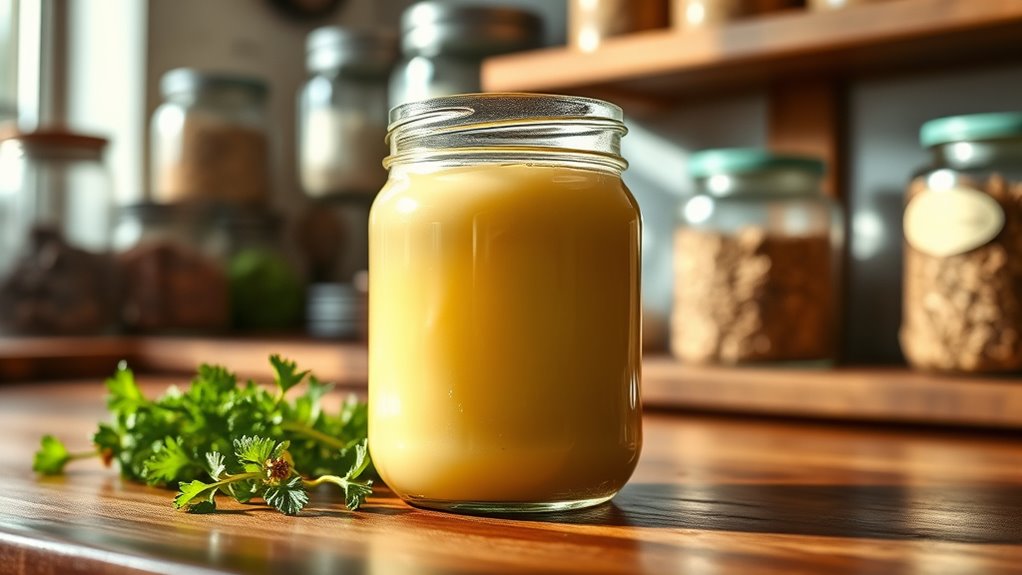
When you store beef tallow properly in airtight, dark containers, it can stay fresh for up to 18 months in the refrigerator without spoiling. To keep it fresh longer, make sure your tallow is fully rendered and strained to remove impurities that cause spoilage. Always use clean utensils to avoid contamination.
Refrigeration slows oxidation, preserving its quality.
Here’s how to store your beef tallow right:
- Use airtight, dark containers to block light and air exposure
- Ensure the tallow is fully rendered and strained before storing
- Label containers with the rendering date for easy freshness tracking
- Keep the tallow at a consistent fridge temperature below 40°F
Following these tips helps maintain your tallow’s flavor and safety over time.
Why Keeping Your Fridge Temperature Steady Matters for Tallow
You want to keep your fridge temperature steady below 40°F to slow oxidation and prevent spoilage of your beef tallow. Temperature fluctuations can cause condensation inside containers, which raises the risk of microbial growth and rancidity.
Temperature Stability Importance
Because temperature fluctuations can speed up fat oxidation and spoilage, keeping your fridge steady between 35-40°F (1.7-4.4°C) is crucial for preserving beef tallow. Temperature stability ensures your tallow stays firm and fresh, preventing it from softening or developing rancid odors.
When your fridge temperature remains consistent, it slows microbial growth and enzymatic activity that cause spoilage.
To maintain ideal temperature stability for your beef tallow:
- Monitor fridge temperature regularly with a reliable thermometer
- Avoid frequent or prolonged fridge door openings
- Set your fridge thermostat within the 35-40°F range
- Store tallow away from warmer spots or near the door
Effects Of Fluctuations
Temperature swings in your fridge don’t just affect how firm your beef tallow feels—they can speed up spoilage and rancidity by causing it to repeatedly melt and solidify. These temperature fluctuations increase water activity within the tallow, encouraging microbial growth and oxidation that degrade its quality.
When your fridge’s temperature isn’t steady, airtight seals can weaken, letting in air and moisture that accelerate spoilage. To keep your beef tallow fresh longer, maintain a consistent temperature below 72°F (22°C). A stable, cool environment minimizes changes in texture, smell, and color, preserving the tallow’s integrity.
Best Containers for Storing Beef Tallow in the Fridge
When storing beef tallow in the fridge, choosing the right container plays a crucial role in maintaining its quality. To store beef tallow properly, use an airtight container to keep out air and moisture, which can cause spoilage.
Here are the best options for storing beef tallow in the fridge:
- Airtight glass jars or mason jars prevent exposure to air and moisture.
- Stainless steel containers offer a durable, chemical-free storage solution.
- Food-grade plastic containers with tight-fitting lids are suitable if BPA-free.
- Avoid flimsy or non-airtight containers, as they speed up rancidity.
Using the right container helps preserve flavor by preventing odor absorption from other foods while extending the shelf life of your beef tallow.
Top Tips to Keep Your Beef Tallow Fresh in the Fridge
To keep your beef tallow fresh in the fridge, store it in airtight glass or stainless steel containers to block out air and moisture that cause spoilage. Place the container in a cool, dark spot where the temperature stays below 40°F (4°C).
Properly rendered and strained beef tallow can last 12 to 18 months when stored correctly. Label each container with the rendering date so you can keep track of its freshness and discard it if you notice any off smells or discoloration. Avoid opening the container frequently, as this exposes the tallow to temperature changes and contaminants that shorten how long it will last. Following these tips will help your beef tallow remain fresh and usable for as long as possible.
Signs Your Refrigerated Beef Tallow Has Gone Bad
You’ll want to watch for any off smells, like sour or musty odors, as these are early signs your refrigerated beef tallow has gone bad.
Check its texture and appearance—if it looks darkened, spotted, or feels slimy, it’s time to toss it.
And if the flavor tastes bitter or rancid, don’t risk using it.
Off Smell Detection
Although beef tallow can last a long time in the fridge, a foul or rancid smell signals it’s time to toss it out. Off smell detection is your best tool to know when beef tallow has spoiled. Fresh tallow has a mild, beefy aroma, but once it goes bad, it emits a strong sour or unpleasant odor.
This change often happens before you see any visible spoilage, so smelling it regularly is key. Watch for these signs:
- Sharp, bitter rancid smell from oxidation
- Persistent unpleasant sour odor even after heating
- Strong off smell different from fresh beef fat
- Any sudden change from its usual mild aroma
Trust your nose to keep your cooking safe and avoid using spoiled beef tallow.
Texture And Appearance
When refrigerated beef tallow goes bad, its texture and appearance will change noticeably, giving you clear signs to watch for. You might find the texture turning greasy, sticky, grainy, or crumbly, which indicates it’s deteriorating. The appearance can shift too—look out for darkening, cloudiness, or floating particles that weren’t there before.
Mold growth is another unmistakable sign that the tallow is no longer safe to use. These changes in texture and appearance are your best clues that the beef tallow has spoiled, even before you notice any off smells. If you spot any of these signs, it’s wise to discard the tallow to avoid any health risks or unpleasant cooking results.
Taste And Flavor Changes
Taste And Flavor Changes
Changes in taste and flavor often follow the shifts in texture and appearance you might notice in refrigerated beef tallow. When tallow starts to spoil, its taste changes distinctly, developing off-flavors that can ruin your dishes. You’ll want to watch for these signs to avoid using rancid fat.
Here are key indicators of flavor degradation:
- Sour or bitter smell signaling spoilage
- Darkened color or spotting affecting flavor perception
- Slimy or sticky texture hinting at microbial growth
- Rancid or unpleasant taste in cooked food
If your beef tallow has been stored beyond a year, the chances of these taste and flavor changes increase. Trust your senses—if the flavor seems off, it’s best to discard it.
Labeling and Tracking Beef Tallow Storage Dates
To keep your beef tallow fresh and safe to use, you should always label containers with the rendering date and a clear expiration or “use by” date. Use a permanent marker or waterproof label to guarantee the date stays visible over time. Proper labeling helps you track the freshness and prevents accidental use of spoiled tallow.
Besides labeling, maintain a tracking sheet or digital log where you record each container’s date. This organized tracking makes it easy to monitor your stock and manage storage efficiently. Regularly check that labels remain legible and firmly attached to avoid confusion.

Freezing vs Refrigerating Beef Tallow: Which Lasts Longer?
Although both freezing and refrigerating can preserve beef tallow effectively, freezing lasts considerably longer and better maintains quality. When you rely on refrigeration, tallow typically stays good for 12 to 24 months in airtight containers, but off-flavors may develop after about 18 months.
Freezing beef tallow extends its shelf life to 2 to 3 years by preventing oxidation and spoilage more efficiently.
Freezing beef tallow preserves quality and extends shelf life up to 3 years by preventing spoilage and oxidation.
Consider these points when choosing between refrigeration and freezing:
- Refrigeration suits shorter-term storage, up to 2 years.
- Freezing is ideal for long-term storage, lasting up to 3 years.
- Freezing better preserves taste and quality.
- Larger quantities benefit more from freezing due to reduced spoilage risk.
Freezing generally offers a longer-lasting solution than refrigeration for your beef tallow.
Safely Thawing and Using Frozen Beef Tallow
When you’re ready to use frozen beef tallow, thaw it in the refrigerator overnight to keep it at a safe temperature and avoid bacterial growth. Avoid thawing beef tallow at room temperature or using a microwave, as rapid thawing can cause spoilage or uneven melting.
Once thawed, use the tallow within 1-2 weeks if refrigerated, always checking for any signs of spoilage before use. Label and date containers to track how long the thawed beef tallow has been stored, ensuring freshness and safety.
Since re-freezing thawed tallow can negatively impact its texture and quality, plan to use it promptly after thawing to get the best results in your cooking or baking.
Frequently Asked Questions
Will Beef Tallow Go Bad in the Fridge?
Yes, beef tallow can go bad in the fridge, but it takes a long time.
If you notice an off smell, discoloration, or rancid taste, toss it out to avoid any issues.
How Long Does It Take for Beef Tallow to Go Rancid?
Beef tallow usually goes rancid after 6 to 12 months, but it depends on storage. If you keep it airtight, cool, and dark, you can slow rancidity and enjoy it up to 18 months without spoilage.
Is Beef Tallow Healthier Than Butter?
Choosing between beef tallow and butter is like picking your armor: tallow offers higher heat stability and fewer dairy allergens, but butter packs more vitamins.
You’ll want to balance taste, nutrition, and heart health when deciding.
Why Don’t Dermatologists Like Beef Tallow?
Dermatologists don’t like beef tallow because it can clog your pores, trap dirt, and worsen acne or skin irritation.
Its high saturated fat and tendency to go rancid might also inflame sensitive skin and cause breakouts.
Conclusion
To keep your beef tallow fresh, store it properly, label it clearly, and check it regularly. Refrigerate to extend its shelf life, freeze to preserve it longer, and thaw it safely when needed.
Keep your fridge temperature steady, choose the right container, and watch for signs of spoilage. Proper storage helps maintain the quality and flavor of your beef tallow.
By caring for your beef tallow this way, you’ll enjoy its rich flavor, maintain its quality, and reduce waste every time you cook. Understanding how long beef tallow will last in the fridge ensures you use it safely and effectively.