
When Should You Start Salt Water Rinse After Tooth Extraction
You should start a salt water rinse after tooth extraction only after waiting at least 24 hours. This initial waiting period is crucial to protect the blood clot that forms in the extraction site, which is vital for proper healing.
When you begin rinsing, use a warm salt water solution and rinse gently 3 to 4 times a day. This helps reduce bacteria and swelling without disturbing the delicate blood clot.
Continue rinsing until the extraction site feels clean and healing is well underway. Keep reading to learn how to rinse safely and what steps to take if any issues arise during your recovery.
Why You Should Wait 24 Hours Before Starting Salt Water Rinses
Although you might want to rinse your mouth right after a tooth extraction, it’s vital to wait 24 hours before starting salt water rinses.
During the first 24 hours, your body forms and stabilizes a blood clot that’s essential for the healing process.
This clot protects the exposed nerves and bone in the extraction site. If you rinse too soon, you risk dislodging the blood clot, which can delay healing and increase the chance of developing a painful dry socket.
By waiting, you allow the clot to adhere properly, creating ideal conditions for recovery.
Once the initial 24-hour period passes, gentle salt water rinses can help keep the area clean without disrupting the healing process.
How Salt Water Helps Healing After Tooth Extraction

You’ll find that salt water rinses fight bacteria, helping to keep your mouth clean and infection-free after extraction. This antibacterial effect creates the perfect environment for your tissues to heal.
Plus, salt water supports tissue regeneration by reducing swelling and promoting nutrient flow right where you need it most.
Antibacterial Properties
When you rinse with salt water after a tooth extraction, it creates an alkaline environment that stops harmful bacteria from multiplying around the surgical site. This antibacterial effect reduces the risk of infection, which is essential for smooth healing.
Salt water helps wash away food particles and debris that can harbor bacteria, keeping the area clean. By maintaining a cleaner wound site, salt water supports your body’s natural healing process and lowers the chance of complications like dry socket.
Regularly using a salt water rinse after your extraction not only controls bacterial growth but also promotes a safer, faster recovery. Incorporating salt water as part of your aftercare routine is a simple yet effective way to protect your mouth and encourage proper healing.
Promotes Tissue Regeneration
Since salt water creates a hypertonic environment, it effectively reduces swelling by drawing out excess fluids from the extraction site.
When you use a salt water rinse, you actively support tissue regeneration by promoting cell growth and accelerating healing.
This gentle rinse also stabilizes blood clots, which is vital for proper wound care and prevents disruption that could delay recovery.
By eliminating bacteria and debris, salt water decreases infection risks, allowing your oral tissues to repair more efficiently.
Regularly rinsing increases oxygen and nutrient flow to the wound, further enhancing the healing process.
Incorporating a salt water rinse into your post-extraction routine not only soothes discomfort but also creates an ideal environment for your oral tissues to regenerate and heal quickly.
How to Make a Salt Water Rinse
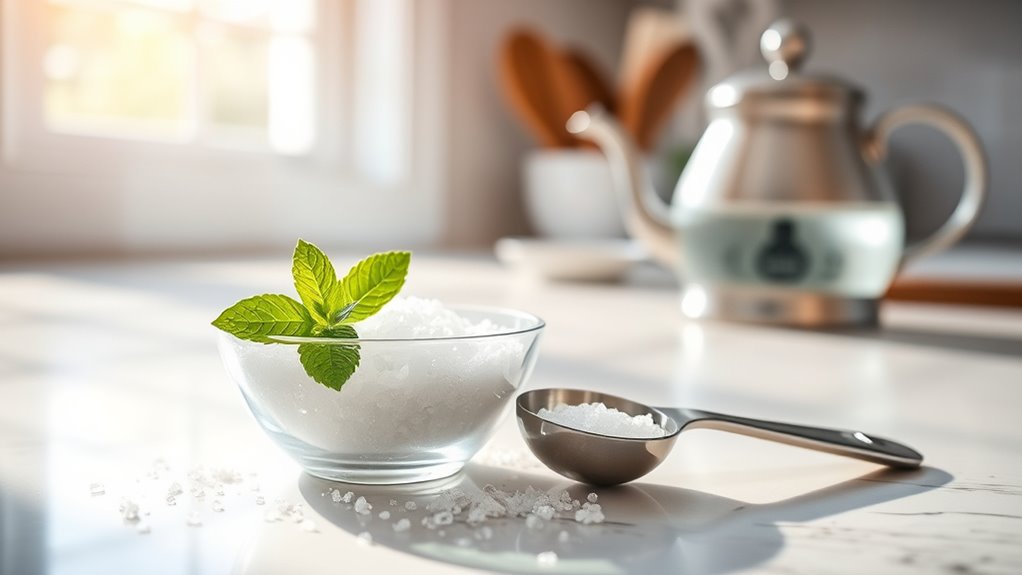
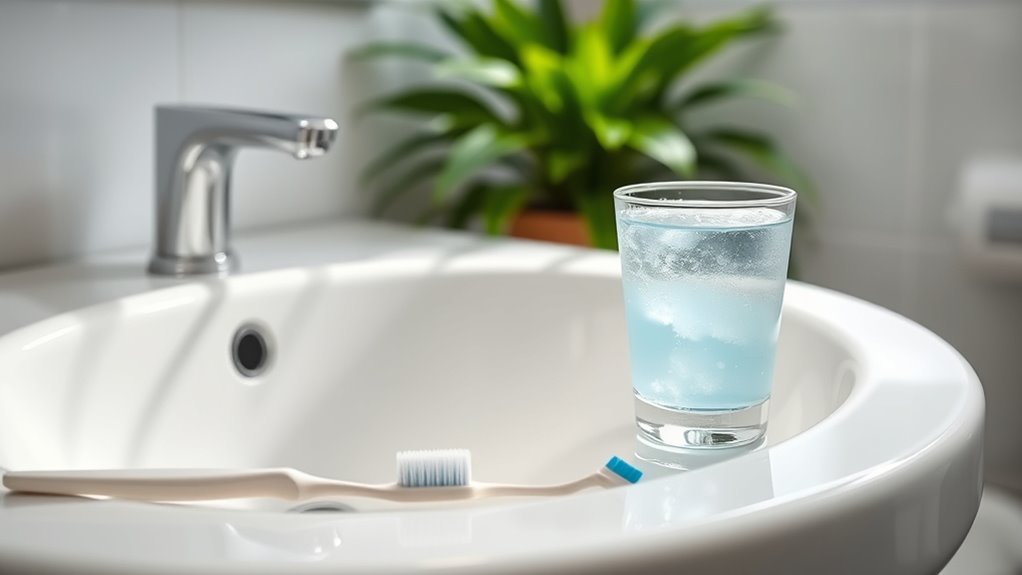
Although it might seem simple, making a salt water rinse correctly is essential for soothing your mouth after a tooth extraction. Start by dissolving 1/2 teaspoon of salt in 8 ounces of warm water. Using warm water ensures comfort and helps the salt dissolve fully, avoiding any granules that could irritate your healing tissues.
Dissolve ½ teaspoon salt in 8 ounces warm water for a soothing post-extraction rinse.
Stir the mixture until the salt is completely dissolved. This gentle solution supports post-extraction healing by reducing bacteria and inflammation.
When you rinse, do so gently to avoid disturbing the blood clot that forms in the socket.
Always prepare a fresh salt water rinse each time you use it to maintain cleanliness and encourage maximum healing. Following these steps will help you care for your mouth effectively after your tooth extraction.
How Often Should You Rinse With Salt Water After Extraction?
You should start rinsing with salt water the day after your tooth extraction to help promote healing and prevent infection.
For the best results, use a salt water rinse gently 3 to 4 times daily during the first week post-extraction. This frequency supports infection prevention while encouraging the healing process.
Avoid rinsing on the day of the procedure to prevent dislodging the blood clot.
As your healing progresses, you can gradually reduce how often you rinse, following your dentist’s advice.
Continue this post-extraction routine until the surgical site shows clear signs of healing and no longer requires extra cleaning.
Maintaining the right salt water rinse frequency plays a key role in ensuring a smooth, complication-free recovery.
How to Rinse Without Dislodging the Clot
Rinsing with salt water after a tooth extraction helps keep the area clean, but it’s important to do it carefully to avoid disturbing the blood clot. To rinse without dislodging the clot, use warm salt water—about half a teaspoon of salt in 8 ounces of water—to soothe tissues and minimize swelling.
Start rinsing gently the day after surgery, avoiding forceful swishing or spitting. Tilt your head so the rinse naturally flows around your mouth without creating suction or pressure. Use a soft, gentle swish motion, then let the liquid fall out without spitting vigorously.
Limit rinsing to 3–4 times daily during the first week, and always follow your dentist’s instructions to protect the healing site and prevent complications.
Signs You Should Keep Rinsing Longer Than a Week
If you still notice swelling, discomfort, or food stuck in the extraction site after a week, keep rinsing with salt water.
Watch for signs of infection like pus or increased redness, which mean you should continue rinsing until these symptoms improve.
Don’t stop until your dentist confirms the area has fully healed and looks healthy.
Persistent Swelling Or Discomfort
When swelling or discomfort lasts beyond a week after your tooth extraction, continuing salt water rinses becomes essential. Persistent swelling or discomfort post-extraction may signal infection or delayed healing, so you should rinse 3-4 times daily with warm salt water to reduce inflammation and flush out bacteria.
This ongoing rinse helps keep the area clean, promotes tissue recovery, and prevents complications like dry socket or infection. If your swelling or discomfort remains persistent despite regular rinsing, it’s important to consult your dental professional for further evaluation.
Maintaining your salt water rinse routine until symptoms subside ensures a healthier healing process and minimizes risks associated with prolonged post-extraction issues. Don’t ignore lasting swelling or discomfort; keep rinsing and seek advice if needed.
Presence Of Food Debris
How can you tell if you need to keep using salt water rinses after a week? If you notice persistent food debris trapped in the extraction site, it’s a clear sign to continue rinsing.
When food particles stick around despite gentle brushing, regular rinsing helps maintain oral hygiene and supports proper healing.
Leaving debris in the socket can cause irritation or swelling, increasing the risk of infection. Salt water rinses gently cleanse the area, flushing out trapped food and reducing bacterial buildup.
You should keep rinsing daily until all food debris is fully removed, which may take several weeks.
Staying consistent with your rinsing routine ensures the surgical site stays clean, promoting faster healing and preventing complications related to poor oral hygiene.
Signs Of Infection
Noticing food debris stuck in the extraction site can signal the need to keep rinsing, but persistent swelling, redness, or warmth around the area points to something more serious—an infection.
If you see pus or detect a foul odor, these are clear signs that infection is present and you should continue saltwater rinses beyond a week.
Ongoing pain, especially if it worsens after initially improving, also suggests bacteria are still affecting the site.
Don’t ignore fever or elevated temperature paired with oral discomfort, as these symptoms often accompany infection and indicate that extended rinsing is necessary.
Keeping up with salt water rinses helps flush out trapped debris and bacteria, reducing swelling and promoting healing while preventing the infection from worsening.
When to Stop Salt Water Rinses
Although salt water rinses play a crucial role in your recovery after a tooth extraction, you can usually stop using them once the surgical site has fully healed, which often takes about a week.
You’ll know it’s time to discontinue rinsing when the tissue has completely closed, swelling and pain have subsided, and there’s no bleeding. If you no longer find food particles trapped in the wound and the area looks healthy, salt water rinses are likely unnecessary.
Discontinue rinsing when tissue is closed, pain and swelling subside, no bleeding, and the area looks healthy.
Keep in mind, stopping rinses too early can delay healing or increase infection risk. Always follow your dentist’s advice because healing times vary depending on your extraction’s complexity.
Monitoring these signs ensures your recovery stays on track without prolonging salt water rinses unnecessarily.
Managing Bleeding or Discomfort During Rinsing
If you experience bleeding or discomfort while rinsing, stop immediately and gently apply pressure with clean gauze to control the bleeding.
When you resume rinsing, use warm salt water to soothe the tissues and reduce irritation. Rinse with a small amount of solution, tilting your head to avoid applying too much force, which could disturb the clot or cause more bleeding.
Avoid vigorous swishing or spitting, as these actions can dislodge the clot and increase bleeding or discomfort.
If rinsing worsens your symptoms, limit how often you do it and consult your dentist if bleeding or pain persists.
Managing bleeding and discomfort carefully helps ensure a smoother recovery after your tooth extraction.
Alternatives to Salt Water Rinses After Extraction
If you’re looking for alternatives to salt water rinses after your extraction, herbal mouthwashes can offer natural antibacterial benefits without harsh chemicals.
Commercial antiseptic rinses, often containing ingredients like cetylpyridinium chloride, provide effective options designed specifically for post-surgical care.
Always check with your dentist before switching to these alternatives to make sure they suit your healing needs.
Herbal Mouthwash Options
When you’re ready to move beyond salt water rinses after your tooth extraction, herbal mouthwashes containing chamomile, calendula, or sage offer gentle, natural support to reduce inflammation and bacteria.
These herbal mouthwash options promote healing and maintain oral health without harsh chemicals, making them ideal post-surgery alternatives.
However, you should only start using them after the initial healing phase, typically a few days after surgery, and always consult your dentist first.
Be sure to choose alcohol-free formulas and dilute the rinse properly to avoid irritation or delayed healing.
Commercial Antiseptic Rinses
After you’ve moved on from herbal mouthwashes, commercial antiseptic rinses offer a more potent option to aid healing and reduce bacteria following a tooth extraction. Chlorhexidine-based antiseptic rinses are commonly prescribed by dentists to help with infection prevention and promote healing during the post-surgery period.
You can usually start using these rinses 24 hours after your extraction, but always follow your dentist’s specific instructions to avoid disrupting blood clots. These rinses often have a stronger antimicrobial effect than salt water and may be recommended for use twice daily initially.
Key benefits include:
- Enhanced infection prevention with chlorhexidine
- Accelerated healing support post-surgery
- Convenient twice-daily antiseptic rinse use for ideal oral care
Adjusting Your Rinsing Routine for Wisdom Teeth vs. Regular Extractions
Because wisdom teeth extractions involve more complex healing, you should wait at least 24 hours before starting salt water rinses to avoid disturbing the blood clot.
After wisdom teeth removal, rinsing too soon can increase the risk of dry socket by disrupting the extraction site.
For regular tooth extractions, you can usually begin gentle salt water rinses 24 hours after surgery to help reduce bacteria and promote healing.
This difference in timing reflects the complexity of the procedure and the delicate nature of the healing process.
Always follow your oral surgeon’s specific post-operative care instructions to ensure the best outcome.
Adjusting your rinsing routine based on whether you’d wisdom teeth removal or a simpler extraction supports proper healing and prevents complications.
Frequently Asked Questions
When Should I Salt Water Rinse After Tooth Extraction?
Think of salt water rinsing as a gentle tide—start it 24 hours after your tooth extraction.
You’ll help your mouth heal smoothly without washing away the essential blood clot protecting the site.
Keep rinsing gently.
Conclusion
Waiting at least 24 hours before starting salt water rinses after your tooth extraction is key to proper healing. Studies show that salt water rinses can reduce infection risk by up to 30%, helping your mouth recover faster. Remember to rinse gently to avoid dislodging the clot.
Stick to your dentist’s advice, and you’ll be on track for a smooth, comfortable recovery. Taking these simple steps really makes a difference!
When considering when to start salt water rinse after tooth extraction, following these guidelines ensures the best care for your healing gums.