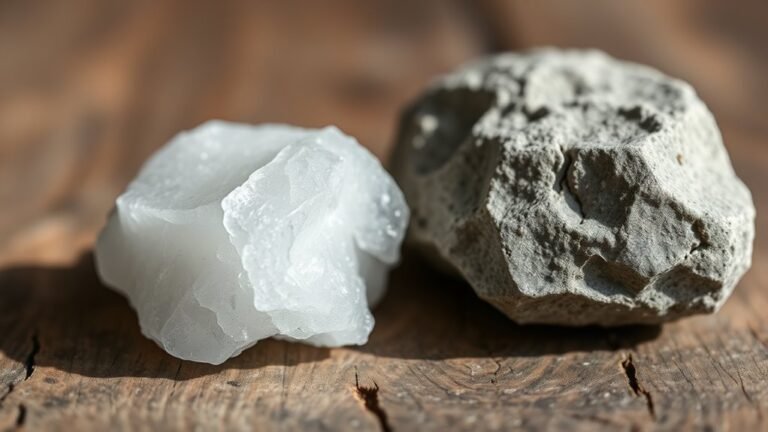


10 Reasons Why a Salt Water Pool Is Better Than Traditional Pools
You’ll love that saltwater pools generate chlorine naturally, saving you money on harsh chemicals and cutting down maintenance. Saltwater pools are easier on your skin and eyes, with softer water that feels silky and reduces irritation. You’ll notice less chlorine smell and fewer airborne irritants, making swimming more comfortable.
Saltwater pools are eco-friendly but may need corrosion-resistant equipment. Considering these perks and precautions will help you decide if switching suits you and your pool best.
How Saltwater Pools Work Compared to Traditional Chlorine Pools
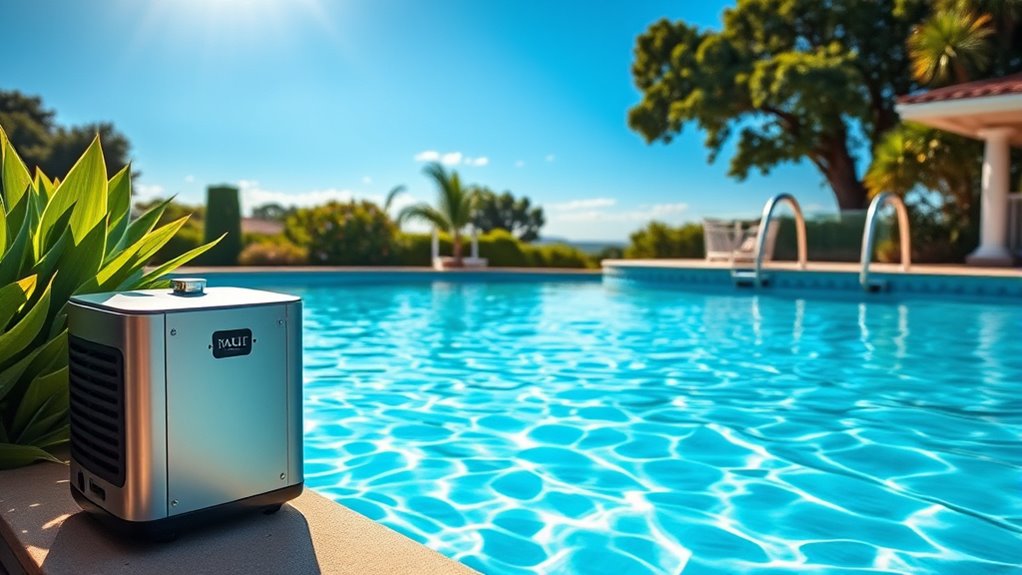
While traditional chlorine pools require you to add chemicals manually, saltwater pools generate chlorine automatically through electrolysis.
In a saltwater system, water flows through salt cells where electrolysis breaks down salt molecules, producing chlorine on demand. This continuous chlorine generation keeps the water disinfected without you having to measure or add chemicals regularly.
Unlike traditional pools that rely on stored chlorine, saltwater pools maintain stable chlorine levels and produce fewer chloramines, reducing harsh odors. The automated process simplifies maintenance and offers a more consistent sanitation method.
Why Saltwater Pools Are Gentler on Skin and Eyes
Because saltwater pools maintain lower chlorine levels, you’ll notice less irritation and redness in your eyes and skin compared to traditional pools.
Saltwater pools keep chlorine low, reducing eye and skin irritation compared to traditional pools.
The gentle saline solution in saltwater pools helps prevent dryness and dehydration, keeping your skin hydrated and comfortable.
You’ll also find the softer feel of saltwater reduces discomfort, especially if you have sensitive skin or are prone to rashes.
Since saltwater pools produce fewer chloramines, your eyes won’t sting or water as much, making swimming more enjoyable.
Plus, saltwater pools don’t require harsh chlorine chemicals, so they’re less likely to cause allergic reactions or irritation.
How Saltwater Pools Eliminate the Harsh Chlorine Smell
If you’ve ever been put off by the strong chemical smell at a traditional pool, you’ll appreciate how saltwater pools change the game. Unlike traditional pools, saltwater pools produce chlorine naturally through electrolysis, considerably reducing the need for added chemical chlorine that often causes the harsh chlorine smell.
This natural process lowers chloramine levels—the main culprits behind that strong chemical odor. Because chloramines volatilize less in saltwater pools, you won’t notice the usual overwhelming chlorine smell during or after swimming.
Instead, saltwater pools maintain stable chlorine levels, creating a more neutral, fresh scent. So, when you swim in a saltwater pool, you enjoy a much more pleasant experience without the lingering, irritating chlorine smell common to traditional pools.
The Benefits of Softer, Silkier Water in Saltwater Pools
When you swim in a saltwater pool, you’ll immediately notice the softer, silkier feel of the water. This sensation comes from the natural salt content, which acts as a gentle water softener. Unlike traditional pools, saltwater pools reduce harshness, leaving your skin feeling smoother and less dried out.
Swimming in saltwater pools feels softer and silkier, gently soothing your skin without the harsh dryness of traditional pools.
Plus, saltwater mimics ocean water’s natural salinity, enhancing the overall texture for a more luxurious experience. Here’s why this matters:
- Saltwater naturally softens water without extra softening agents
- Your skin feeling refreshed and less irritated after swimming
- Reduced reliance on harsh chemicals maintains silky water quality
- Saltwater pools feel gentler and more soothing compared to chlorinated pools
This means you enjoy a more comfortable swim while taking care of your skin.
How Saltwater Pools Support Joint Pain Relief and Allergy Reduction
You’ll find that swimming in a saltwater pool can ease joint pain by reducing inflammation and supporting your movements with gentle buoyancy.
The softer water and minerals also help minimize allergy symptoms and soothe your respiratory system.
This makes saltwater pools a natural way to improve comfort and mobility.
Joint Pain Soothing Benefits
Although joint pain can limit your mobility, saltwater pools offer soothing relief through their unique mineral content and buoyant support.
When you swim or relax in a saltwater pool, you benefit from minerals like magnesium and sodium that reduce joint inflammation and ease arthritis pain. The buoyancy of saltwater gently supports your joints and lessens discomfort.
Saltwater pools also have lower chlorine levels that minimize skin and tissue irritation, preventing added joint aggravation.
Enhanced circulation from saltwater minerals promotes healing and reduces stiffness.
These soothing qualities make saltwater pools an ideal environment to help manage joint pain naturally. They allow you to stay active and comfortable without harsh chemicals or intense treatments.
Allergy Symptom Relief
Since saltwater pools produce fewer chloramines, they reduce airborne irritants that often trigger allergy symptoms. You’ll notice less irritation in your eyes and skin because saltwater pools use lower chlorine levels than traditional pools.
This means you’re less likely to suffer from the usual allergy flare-ups caused by harsh chemicals.
The natural salt in the water also helps clear your nasal passages, easing congestion and offering relief from allergy-related discomfort.
Plus, the gentle, mineral-rich water supports joint pain relief and reduces inflammation, which is a bonus if you deal with arthritis alongside allergies.
Choosing a saltwater pool means you get a more comfortable swimming experience with fewer chemical irritants, helping you manage allergy symptoms more effectively.
Natural Respiratory Support
When you swim in a saltwater pool, you breathe air with fewer chemical irritants, which eases respiratory issues like allergies and asthma. Saltwater pools produce fewer chloramines, reducing respiratory irritants that worsen allergy symptoms. This cleaner air helps you avoid the harsh chemical fumes found in traditional pools, making breathing more comfortable.
Additionally, saltwater’s natural minerals provide joint pain relief by promoting relaxation and reducing inflammation. The gentle buoyancy improves circulation, further easing joint discomfort.
Benefits include:
- Reduced exposure to respiratory irritants
- Lowered allergy symptoms and asthma triggers
- Enhanced joint pain relief through mineral absorption
- Improved circulation supporting overall respiratory health
Choosing saltwater pools means less irritation and more natural respiratory support for sensitive airways.
Saltwater Pool Maintenance Made Easy
Because saltwater pools use a salt chlorinator to generate chlorine automatically, you’ll spend less time adding chemicals manually. This system keeps chlorine levels steady, so you don’t need frequent chemical adjustments like with traditional pools.
Your saltwater pool maintenance mainly involves monitoring salt levels and topping them up occasionally. You’ll also need to clean the salt cell periodically to prevent mineral buildup, ensuring it produces chlorine efficiently.
Overall, this makes maintenance simpler and less time-consuming.
With fewer chemical treatments required, you’ll enjoy a more convenient pool experience without the hassle of constant testing and balancing. Saltwater pool upkeep is designed to be user-friendly, letting you focus more on enjoying your pool rather than managing complicated chemical routines.
How Saltwater Pools Save You Money on Chemicals Over Time
You’ll spend less on chemicals with a saltwater pool because it produces chlorine on its own, cutting down your need to buy expensive supplies.
Over time, this means lower maintenance costs since you won’t need as many chemical treatments.
Plus, stable water chemistry reduces the hassle and expense of constant adjustments.
Reduced Chemical Purchases
Although the upfront cost of installing a saltwater system can be higher, you’ll save money on chemicals over time since saltwater pools generate chlorine naturally through electrolysis. This means you won’t need to buy traditional chlorine products as often, cutting down your chemical expenses considerably.
Saltwater systems use salt, which is cheaper than chlorine, leading to ongoing savings.
Plus, fewer chemical treatments mean lower maintenance costs related to water balancing and chemical adjustments.
Here’s what you gain with reduced chemical purchases:
- Reduced reliance on expensive commercial chlorine
- Lower frequency of chemical treatments required
- Savings on chemical storage and handling
- Decreased need for frequent water testing and adjustments
Lower Maintenance Expenses
When you switch to a saltwater pool, you cut down on the time and money spent maintaining chemical levels. Unlike traditional pools, saltwater pools use a salt generator that continuously produces chlorine, dramatically reducing your chemical costs.
While the initial setup might be pricier, you’ll save over time since salt is cheaper than standard chlorine products. Maintenance becomes simpler, too—no more frequent chemical balancing or constant buying of expensive chemicals.
You’ll only need to add salt occasionally, which is far more cost-effective than regular chlorine refills. This means your ongoing maintenance expenses stay low, freeing up your budget and time.
Choosing a saltwater pool is a smart investment for anyone looking to save on chemical costs while enjoying hassle-free pool upkeep.
Why Saltwater Pools Are Better for the Environment
Because saltwater pools generate chlorine through electrolysis, they cut down on chemical manufacturing and transportation, which lowers carbon emissions. Choosing saltwater pools means you reduce harmful chemical runoff, making your pool more eco-friendly.
Saltwater pools reduce chemical production and runoff, making them a greener, more eco-friendly choice.
You’ll also help protect local water sources and ecosystems by minimizing contaminants. Plus, saltwater pools produce fewer chloramines, reducing air pollution and unpleasant odors that traditional pools often cause.
Here’s why saltwater pools are better for the environment:
- Less reliance on manufactured chlorine lowers carbon footprints
- Reduced chemical runoff protects nearby ecosystems
- Fewer chemical treatments mean less waste and pollution
- Minimal use of harsh chemicals creates a more sustainable pool
How Saltwater Affects Your Pool’s Equipment and Longevity
If you choose a saltwater pool, you’ll need to pay close attention to your equipment’s care since salt can speed up corrosion on metal parts like pumps and heaters.
Saltwater accelerates wear on pool equipment by causing corrosion, especially if components aren’t corrosion-resistant. It can also stain and deteriorate pool surfaces and materials that aren’t designed to handle saline exposure.
Seals and gaskets made from incompatible materials may degrade faster due to the salt ionization process. To keep your pool equipment lasting longer, you’ll want to regularly monitor salt levels and maintain proper water balance.
Using corrosion-resistant parts and performing routine maintenance will help prevent damage and extend your pool’s lifespan. Managing these factors ensures your saltwater pool stays efficient without compromising your investment.
Key Factors to Evaluate Before Switching to a Saltwater Pool
Before switching to a saltwater pool, you’ll want to carefully evaluate several key factors that affect both your initial investment and long-term upkeep. Saltwater pools require specialized equipment like salt chlorinators, which can increase setup costs.
Corrosion is another concern, as salt accelerates wear on metal fixtures and pool surfaces.
Maintenance involves regularly checking salt levels and water chemistry to protect your equipment and water quality. Also, not all pool materials handle saltwater well, so compatibility matters.
Consider these points before making the switch:
- Initial setup expenses for salt chlorinators and related gear
- Risk of corrosion on pool components and surroundings
- Ongoing maintenance demands, including salt and chemical monitoring
- Compatibility of your pool’s structure with saltwater environments
Weigh these carefully to guarantee a smooth transition.
Frequently Asked Questions
Why Is a Saltwater Pool Better Than a Regular Pool?
You’ll enjoy softer water that’s easier on your skin and eyes, with fewer harsh chemicals to worry about.
Saltwater pools also need less maintenance, saving you time and money while keeping the water naturally clean and fresh.
What Are the Benefits of a Salt Water Pool?
Diving into a salt water pool feels like swimming in a gentle ocean breeze—you’ll enjoy softer water, less irritation, lower maintenance costs, and an eco-friendly swim experience that keeps chemical smells and harshness far away.
What Is so Great About a Salt Water Pool?
You’ll love how a salt water pool feels softer on your skin, smells fresher, and needs less chemical handling.
Plus, you’ll spend less time on maintenance while enjoying safer, naturally sanitized water every swim.
Conclusion
Choosing a saltwater pool is like sailing a gentle sea instead of battling stormy waves. You’ll glide through softer waters that soothe your skin and ease your joints, all while saving money and caring for the planet.
Just as a calm ocean invites peace and balance, your saltwater pool offers an invigorating escape—clear, kind, and enduring.
So, why swim against the tide when you can flow with the natural rhythm of saltwater bliss? Embracing a salt water pool means enjoying a healthier, more sustainable, and cost-effective alternative to traditional pools.