
How Will Warm Salt Water Help a Toothache? Benefits and How It Works
If you rinse with warm salt water, it helps ease your toothache by neutralizing painful acids and soothing inflamed tissues. This simple home remedy is effective because the salt draws out swelling and reduces bacteria, which can prevent infections and speed healing.
Mix one teaspoon of salt in a glass of warm water and swish for about 30 seconds to get quick relief, especially after meals. Keep this routine consistent, and you’ll find effective comfort while caring for your oral health.
There’s more to explore on making the best use of saltwater rinses to maintain dental hygiene and manage discomfort naturally.
How Warm Saltwater Reduces Toothache Pain
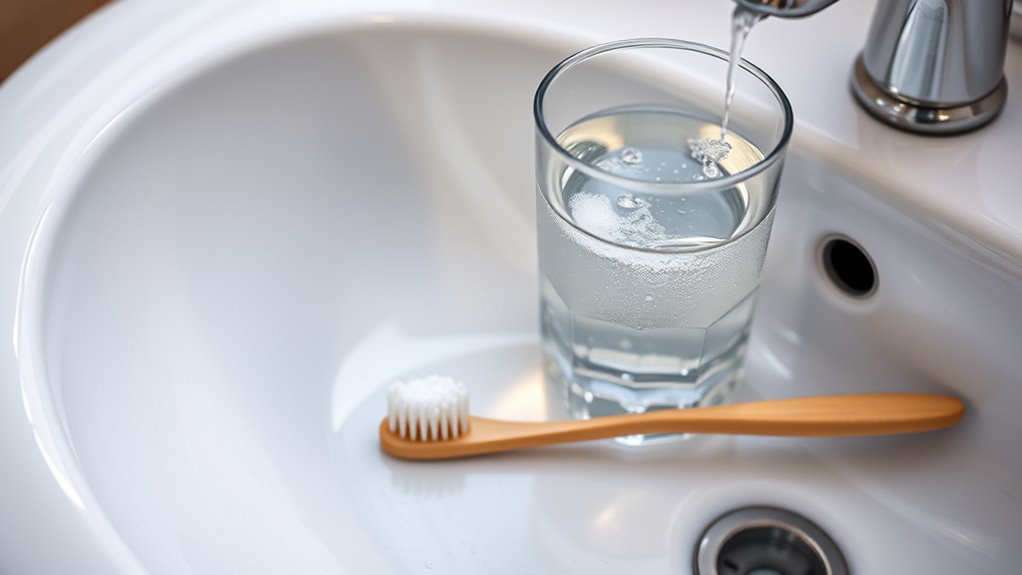
When you rinse with warm saltwater, it creates an alkaline environment that neutralizes the acids causing your tooth pain. This simple home remedy works by using warm saltwater to reduce pain and soothe inflamed tissues in your mouth.
The warm temperature helps dissolve salt thoroughly, making your rinse more effective at flushing out food particles and bacteria that irritate your gums.
As you rinse, the saltwater draws excess fluid from swollen tissues through osmosis, providing an anti-inflammatory effect that calms discomfort.
Regularly using this rinse supports your oral health by preventing infection and speeding up healing of minor injuries.
How to Make an Easy Saltwater Rinse at Home

You’ll need just two ingredients: warm water and salt.
Start by mixing one teaspoon of salt into 8 ounces of warm water, stirring until it fully dissolves.
Make sure the water is warm, not hot, to keep it comfortable and effective for rinsing.
Saltwater Rinse Ingredients
Although it may seem simple, making an effective saltwater rinse requires just the right ingredients and preparation. To create the perfect saltwater mixture, you’ll need warm water and salt. Warm water helps the salt dissolve fully, ensuring the rinse soothes your mouth without irritation.
Stirring the mixture well guarantees even distribution of salt throughout the solution. Using fresh ingredients each time keeps the rinse effective.
| Ingredient | Quantity | Purpose |
|---|---|---|
| Salt | 1 tablespoon | Cleans and soothes |
| Warm Water | 1 glass (8 oz) | Dissolves salt, prevents irritation |
| Stirring | Thorough mixing | Ensures even salt distribution |
This simple combination is all you need for a soothing saltwater rinse.
Step-by-Step Preparation
Creating your own saltwater rinse at home is straightforward once you have the right ingredients.
Begin the preparation by heating a cup of water until it’s warm but not boiling.
Next, add one teaspoon of salt to the warm water and stir well until it dissolves completely.
Make sure the water stays at a comfortable warm temperature to prevent any irritation to your mouth tissues.
Once the salt has dissolved, pour the warm salt water mixture into a clean cup or glass for easy use.
To use the rinse, swish it around your mouth for about 30 seconds, then spit it out.
This simple step-by-step preparation ensures you have an effective warm salt water rinse to soothe your toothache.
How Often to Rinse With Saltwater for Relief
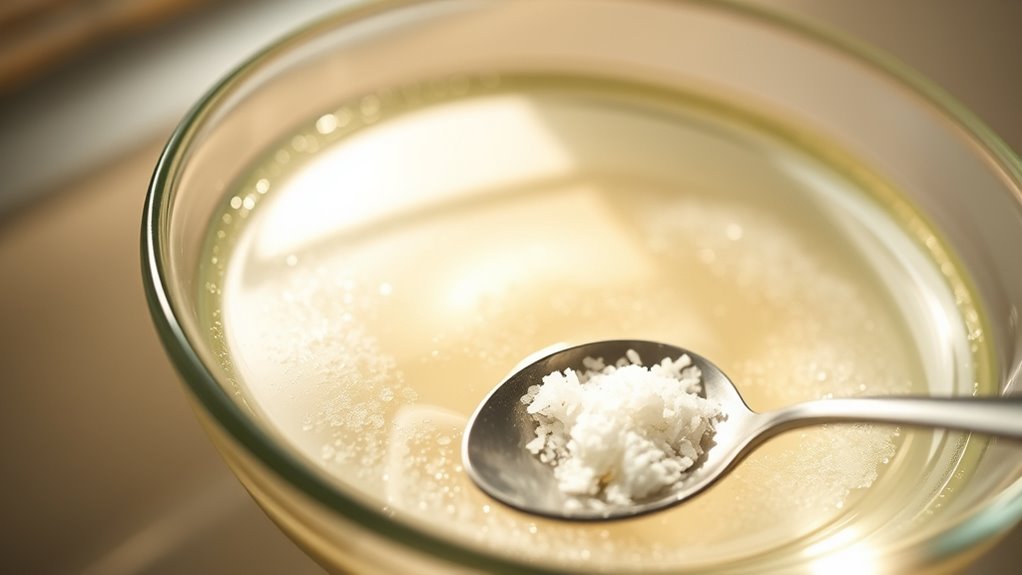
You should rinse with warm saltwater about 4-5 times a day, ideally after meals, to soothe your toothache effectively.
While you can increase the frequency if needed, try not to exceed 6-7 times daily to avoid irritation.
Keeping a consistent routine helps reduce bacteria and speeds up healing safely.
Recommended Rinse Frequency
When managing a toothache, rinsing with warm saltwater 4 to 5 times daily, especially after meals, provides the best relief. This rinse frequency helps reduce inflammation and eases tooth pain by clearing bacteria from your mouth.
Using warm water ensures the salt dissolves properly, allowing the solution to reach and soothe affected areas more effectively.
You can swish the saltwater for about 30 seconds each time to maximize its benefits. Saltwater rinses are a simple yet powerful oral care home remedy that supports healing without harsh chemicals.
While there’s no strict limit on how often you can rinse, sticking to this recommended frequency balances effectiveness with convenience.
This helps you manage discomfort throughout the day until you can see a dentist.
Timing After Meals
Although toothaches can strike unexpectedly, rinsing with warm salt water shortly after meals offers timely relief by clearing food particles and reducing irritation.
Using a saltwater rinse after meals helps remove food debris stuck between teeth, which can otherwise worsen inflammation and pain.
By rinsing 4-5 times daily, you maintain good oral hygiene and create an environment that soothes sensitive areas, promoting faster healing.
The warm temperature of the rinse enhances blood flow, further helping to reduce pain and swelling.
Consistent rinsing after meals ensures ongoing relief and prevents infections that might aggravate your toothache.
Incorporating this simple habit into your routine can make a noticeable difference in managing discomfort and supporting oral health during a toothache episode.
Limits And Safety
Rinsing with warm saltwater after meals can provide relief, but it’s important to know how often you should do it to avoid irritation. Maintaining the right frequency guarantees safety and protects your oral tissues.
Here are key precautions for saltwater rinses:
- Limit rinsing to 4-5 times daily, ideally after meals, to prevent irritation.
- Avoid rinsing more than every 1-2 hours if you’re using saltwater frequently.
- Use warm, not hot, water to protect your oral tissues from burns.
- Consult a dentist before regular rinsing if you have high blood pressure or sodium restrictions.
Following these guidelines helps you enjoy saltwater rinses safely without causing unnecessary discomfort or harm.
When to Avoid Using Saltwater for Toothaches
If you’ve just had dental surgery or a tooth extraction, you shouldn’t use saltwater rinses right away because they can disrupt blood clots essential for healing.
Avoid saltwater rinse if you have open wounds or cavities in your mouth, as it may cause excessive bleeding or irritation.
Also, if you notice increased pain or irritation after using saltwater for your toothache, stop rinsing immediately and consult your dentist.
People with high blood pressure or on sodium-restricted diets should skip saltwater rinses to prevent health issues.
In conclusion, don’t use saltwater on large, deep, or untreated wounds, as it can worsen tissue damage.
Being cautious about when to use saltwater ensures it helps rather than harms your oral health.
How Saltwater Prevents Infection and Aids Healing
Because saltwater creates an alkaline environment in your mouth, it effectively inhibits the growth of harmful bacteria that cause infection. Its natural antiseptic and antibacterial properties help reduce the risk of infection and promote healing.
When you rinse with warm saltwater, you can:
- Draw out pus and excess fluids from infected tissues through osmosis, aiding healing.
- Neutralize acids produced by bacteria, preventing infection from spreading.
- Remove trapped food particles and bacteria between teeth, reducing bacterial buildup.
- Increase blood flow to the affected area, delivering nutrients and immune cells for tissue repair.
Using warm saltwater regularly after a boil or dental irritation helps you manage infection and speed up healing naturally.

How to Combine Saltwater Rinses With Other Remedies
While warm saltwater rinses effectively reduce bacteria and promote healing, combining them with other remedies can enhance pain relief and recovery. You can use saltwater rinses before applying clove oil or vanilla extract to boost natural numbing effects. Alternating with hydrogen peroxide improves oral hygiene and speeds healing.
Cold compresses paired with saltwater rinses tackle both pain and swelling. Herbal remedies like chamomile tea complement antibacterial effects while soothing gums.
| Remedy Combination | Benefits | Usage Tip |
|---|---|---|
| Saltwater + Cold Compress | Pain relief, swelling reduction | Apply compress after rinse |
| Saltwater + Clove Oil | Natural pain relief | Rinse first, then apply oil |
| Saltwater + Hydrogen Peroxide | Oral hygiene, healing | Alternate rinses daily |
| Saltwater + Herbal Remedies | Soothing, antibacterial | Use chamomile or ginger tea |
Incorporate these into your dental care routine for best results.
Frequently Asked Questions
Will Salt Water Take Away Tooth Pain?
Salt water won’t completely take away tooth pain, but it can reduce it temporarily. You’ll feel less inflammation and bacteria, helping ease discomfort while promoting healing.
Still, you’ll need a dentist to fix the root problem.
What Is the 3-3-3 Rule for Toothache?
The 3-3-3 rule says you should see a dentist within three days of tooth pain, avoid letting it last beyond three days untreated, and get dental check-ups every three months to prevent issues.
Does Salt Draw Out an Infection in a Tooth?
Saltwater can draw out fluids from inflamed tissues around your tooth, reducing swelling and bacteria, but it won’t fully eliminate deep infections.
You’ll still need professional care for complete treatment and to prevent complications.
Conclusion
Think of warm saltwater like a gentle ocean tide washing away the pain and bacteria from your toothache. Just as the sea cleanses the shore, rinsing with saltwater reduces swelling and speeds healing.
Many people, like Sarah who found relief after just two days, swear by this simple remedy.
Remember, while it soothes, it’s not a cure—don’t hesitate to see your dentist if pain persists or worsens. Using warm salt water for toothache relief can help manage symptoms, but professional dental care is essential for lasting healing.