When to Start Salt Water Rinse After Tooth Extraction How-To Guide
You should start a salt water rinse after tooth extraction about 24 hours once the bleeding has stopped. Gently rinsing with warm salt water helps promote healing and prevents infection.
Mix ½ teaspoon of salt in 8 ounces of warm water. Swish the solution gently in your mouth without force to avoid disturbing the blood clot.
Rinse 2-3 times daily for best results. If you experience pain or continued bleeding, pause rinsing and consult your dentist.
Continue following all post-care instructions to speed up recovery and prevent complications after your tooth extraction.
When Should You Start Salt Water Rinses After Tooth Extraction?
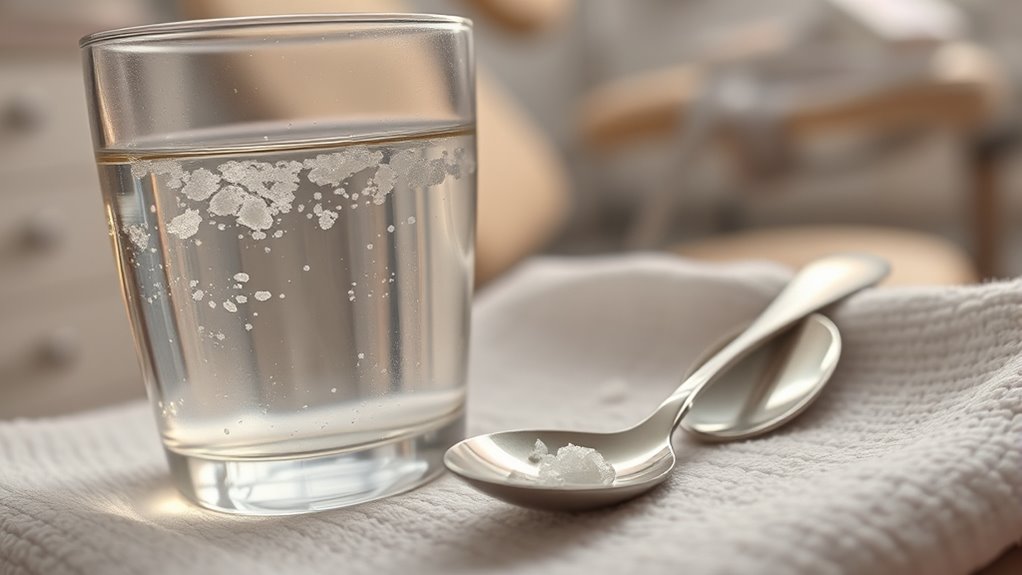
Although it might be tempting to rinse immediately after your tooth extraction, you should wait at least 24 hours before starting salt water rinses. This pause lets the blood clot form and stabilize in the extraction site, which is essential for proper healing. Starting salt water rinses too soon can dislodge the clot, delaying recovery and increasing infection risk.
After the first day, gently rinse 2 to 3 times daily with warm salt water to promote healing and keep the area clean. Be sure to follow your dentist’s specific advice, but generally, this routine helps reduce bacteria and soothes the tissue.
Waiting allows your body to protect the wound naturally before you support it with salt water rinses.
Why Wait 24 Hours Before Rinsing?
You should wait 24 hours before rinsing your mouth with salt water to protect the blood clot that forms at the extraction site. This clot is vital for proper healing and preventing complications like dry socket.
If you rinse too soon, you risk dislodging the clot, which can delay healing and cause pain.
Waiting ensures the clot stabilizes and creates the best conditions for recovery.
Allowing the clot to stabilize creates optimal conditions for a smooth and effective recovery.
Here’s why waiting 24 hours matters:
- Protects the blood clot from being washed away.
- Reduces the chance of dry socket and infection.
- Allows essential healing substances to work undisturbed.
How to Make a Salt Water Rinse at Home

To make your salt water rinse, dissolve half a teaspoon of salt in 8 ounces of warm water until it’s fully mixed.
Use the rinse gently, swishing for about 30 seconds to reach the extraction site without spitting forcefully.
Remember to prepare a fresh solution each time and rinse 2-3 times daily during the first week of healing.
Salt Water Preparation
When preparing a salt water rinse at home, dissolving about one teaspoon of salt in a cup of warm water guarantees an effective solution. Using warm water is essential because it soothes your tissue and helps the salt dissolve completely. Make sure the water is comfortably warm—not hot—to avoid any discomfort.
Mix the salt thoroughly to ensure an even rinse each time you use it. Remember to prepare a fresh batch every time to keep it clean and effective.
Here are a few key tips for your salt water preparation:
- Use about 8 ounces of comfortably warm water
- Stir until the salt fully dissolves
- Make a fresh rinse before each use
This simple rinse aids healing after tooth extraction.
Usage Guidelines
Although preparing the salt water rinse is straightforward, knowing how to use it properly guarantees you get the best healing benefits after your tooth extraction. For effective post-extraction care, swish the salt water gently for about 30 seconds, making sure it reaches the extraction site.
Avoid swallowing and spit it out carefully. Use the rinse 2 to 3 times daily starting the day after your extraction, continuing for at least 7 days to support the healing process.
| Step | Instruction |
|---|---|
| Salt amount | ½ teaspoon |
| Water volume | 8 ounces warm tap water |
| Rinse duration | 30 seconds |
| Frequency | 2 to 3 times daily |
| Duration of use | At least 7 days post-extraction |
How to Rinse Properly After Tooth Extraction
You should start rinsing with warm salt water about 24 hours after your tooth extraction to help healing and reduce bacteria. Mix half a teaspoon of salt in a cup of warm water, then gently swish for 30 seconds without spitting forcefully.
Repeat this process 2 to 3 times a day, especially after meals, for at least a week to keep the area clean.
Timing To Begin
Since the initial bleeding needs to stop, you should wait at least 24 hours after your tooth extraction before starting salt water rinses. The right timing is vital to ensure proper healing and avoid disrupting the blood clot.
Once you begin, rinse gently with a warm salt water solution 2 to 3 times daily. Remember:
- Start only after bleeding stops to protect the clot.
- Use a mild salt water mix: half a teaspoon of salt in 8 ounces of warm water.
- Continue rinsing daily for at least one week to prevent infection and promote healing.
Correct Rinsing Technique
When rinsing after a tooth extraction, make sure to swish warm salt water gently for about 30 seconds without vigorous motion to protect the blood clot.
Use a teaspoon of salt fully dissolved in half a cup of warm water to prepare your rinse.
Tilt your head slightly to the side so the salt water reaches the extraction site effectively.
After swishing, spit out the solution carefully and avoid forceful spitting, which can disturb healing tissue.
This rinsing technique helps keep the area clean while promoting healing.
Remember, a gentle rinse is key—vigorous rinsing can delay recovery.
Following this proper technique ensures you benefit from the salt water rinse without compromising the blood clot.
Rinse Frequency Guidelines
Proper rinsing technique sets the foundation for effective healing, but knowing how often to rinse is just as important. You should start rinsing with warm salt water 24 hours after your tooth extraction to reduce bacteria and promote healing.
Here’s a simple rinse frequency guideline to follow:
- Rinse gently with salt water every 2-3 hours during the day for the first week.
- Avoid rinsing or spitting on the day of surgery to prevent disrupting the blood clot.
- Continue rinsing at least twice daily for a minimum of 7 days, or as your dentist advises.
Using half a teaspoon of salt in 8 ounces of warm water guarantees effective rinsing.
Following these steps will support proper healing without risking complications.
How Often Should You Rinse?
Although you should wait 24 hours after your tooth extraction before starting, rinsing with warm salt water every 2 to 3 hours during the first 48 hours helps speed healing and reduce infection risk.
After that, you can decrease the frequency to 2-3 rinses daily for the first week. Continuing gentle rinses 1-2 times daily afterward supports complete healing.
Avoid rinsing too often, as it can dislodge the blood clot and delay recovery.
| Time Since Extraction | Rinse Frequency |
|---|---|
| First 24 hours | No rinsing |
| 24 to 48 hours | Every 2-3 hours |
| Days 3 to 7 | 2-3 times daily |
| After 1 week | 1-2 times daily |
| Until fully healed | Gentle rinsing advised |
How Long Should You Keep Rinsing?
You should keep rinsing with salt water twice daily for at least one week after your tooth extraction. This consistent rinsing supports your healing process and helps prevent infection. Stopping too soon can hinder tissue regeneration and increase the risk of complications.
Continue rinsing with salt water twice daily for at least a week to promote healing and prevent infection.
Here’s why you should maintain the rinsing routine:
- Promotes proper healing by keeping the extraction site clean
- Reduces bacteria, lowering the chance of infection
- Encourages tissue repair and reduces inflammation
Typically, rinsing for 7 days is sufficient, but your dentist may advise continuing for up to 10 days or longer depending on your specific situation. Follow their guidance closely to ensure effective recovery and avoid setbacks.
What to Do If Rinsing Causes Pain or Bleeding
If rinsing causes pain or bleeding, stop immediately to prevent further irritation or injury to the extraction site. You should take a shorter, gentler rinse with warm salt water to avoid aggravating the area.
If bleeding persists or worsens after you rinse, it might mean the clot was dislodged or there’s trauma, so contact your dentist promptly. To reduce bleeding, apply gentle pressure with gauze or a moistened tea bag on the spot for about 30 minutes.
If rinsing triggers increased pain or bleeding, wait 24 hours before trying again, and double-check you’re using the correct saltwater concentration. Don’t rinse if pain or bleeding continues; instead, reach out to your dental provider for advice or a check-up.
Other Tips to Help Your Mouth Heal Faster
While saltwater rinses play a key role in healing, adopting additional habits can further speed up your recovery after tooth extraction.
Along with incorporating a saltwater rinse into your oral hygiene routine, consider these tips to promote faster healing:
- Rest adequately to give your body the energy it needs to heal.
- Avoid smoking and alcohol, as they can slow down the healing process and increase infection risk.
- Eat soft, nutritious foods that don’t irritate the extraction site.
Frequently Asked Questions
Can I Use Mouthwash Instead of Salt Water Rinse?
You shouldn’t use regular mouthwash right after extraction because it can irritate the site.
Instead, stick to a gentle salt water rinse to promote healing and reduce infection risk until your dentist says otherwise.
Is Salt Water Rinse Safe for Children After Extraction?
Yes, salt water rinse is generally safe for children after extraction, but you should wait until their dentist gives the okay.
Make sure they rinse gently and don’t swallow the solution to avoid irritation or upset stomach.
Can Salt Water Rinses Help With Dry Socket Prevention?
About 2% to 5% of extractions lead to dry socket. You can reduce this risk by gently using salt water rinses—they help keep the area clean and promote healing, lowering the chance of complications.
What if I Accidentally Swallow Salt Water Rinse?
If you accidentally swallow salt water rinse, don’t worry—it’s usually harmless in small amounts. Just avoid swallowing large quantities, and if you feel nauseous or unwell, contact your dentist or healthcare provider right away.
Can I Eat or Drink Immediately After Rinsing?
Like walking on eggshells, you shouldn’t eat or drink right after rinsing.
Give your mouth about 30 minutes to settle, so you don’t disturb healing or cause irritation.
Patience helps your recovery shine!
Conclusion
Starting salt water rinses about 24 hours after your tooth extraction can speed up healing and reduce infection risk. Did you know that proper rinsing can lower the chance of dry socket—a painful complication—by up to 50%?
Just mix half a teaspoon of salt in a cup of warm water, rinse gently, and avoid spitting hard. Keep doing this 3-4 times daily for at least a week, and listen to your body if you feel pain or bleeding.
Following this salt water rinse after tooth extraction routine is essential for a smooth recovery. Proper care helps prevent complications and promotes faster healing.