Does Gargling Salt Water Help Toothache Pain Relief
Yes, gargling salt water can help relieve your toothache by reducing bacteria and easing inflammation, giving you quick, temporary pain relief. Salt water rinse is a simple and effective home remedy that many people use for toothache pain relief.
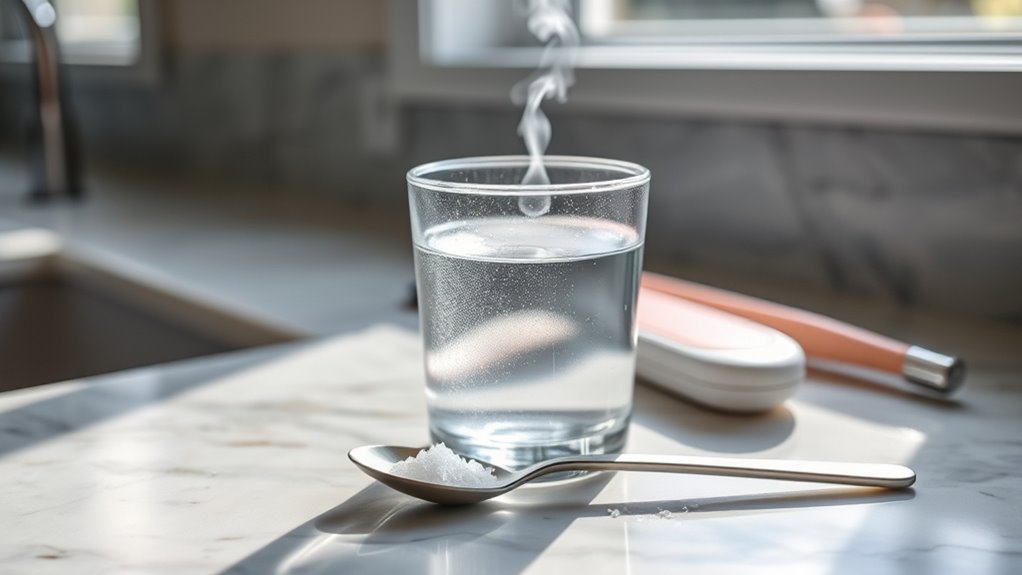
Make sure to use warm water with a fully dissolved tablespoon of salt and rinse gently for about 30 seconds, up to three times a day. This method soothes discomfort and helps keep your mouth clean.
While it provides temporary relief, saltwater isn’t a cure for underlying dental issues. If the pain lasts or worsens, you’ll want to explore why and when to seek professional care.
How Do You Make the Best Saltwater Rinse for Toothache?
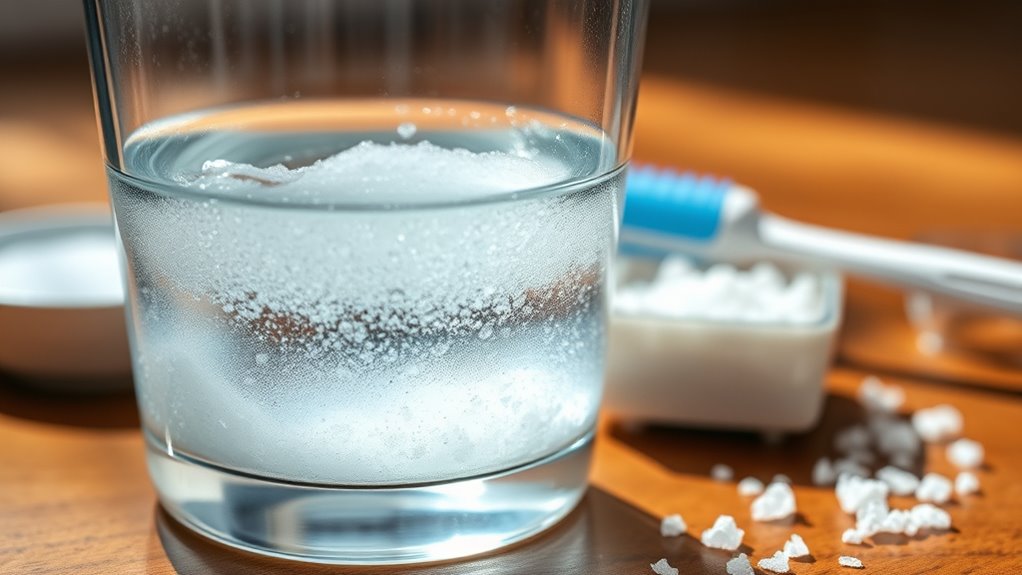
If you want to make the best saltwater rinse for toothache relief, start by dissolving one tablespoon of salt in a glass of warm water. Using warm water is key because it helps the salt dissolve completely and soothes your mouth without causing irritation.
Dissolve one tablespoon of salt in warm water to soothe your mouth and relieve toothache discomfort.
Stir the mixture thoroughly until you see no salt granules left, ensuring a uniform solution.
This saltwater rinse acts as a simple, effective home remedy to promote oral health and reduce discomfort.
When rinsing your mouth, swish the solution gently for about 30 seconds before spitting it out. The dissolved salt helps draw out inflammation and offers relief by cleansing the affected area.
This straightforward process makes the saltwater rinse a reliable option for managing toothache pain.
How Often Should You Use a Saltwater Rinse for Toothache Relief?
Although saltwater rinses provide effective toothache relief, you shouldn’t overuse them. For the best results, use a saltwater rinse 1 to 3 times daily.
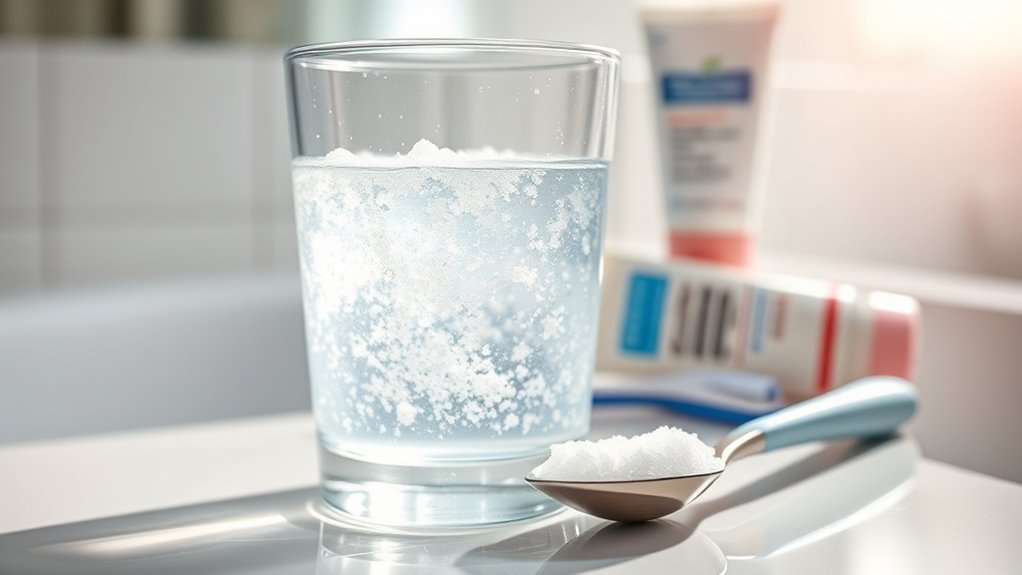
Each rinse involves swishing about 8 ounces of warm water mixed with 1.5 teaspoons of salt for 30 seconds before spitting it out.
This frequency helps maintain good oral care, reduce inflammation, and ease pain without irritating your tissues.
Using saltwater more than 4 or 5 times a day is usually unnecessary and might cause discomfort.
Consistency is key with this home remedy, as regular rinsing supports healing and keeps your mouth clean.
Stick to this routine to maximize toothache pain relief safely and effectively.
How Does Saltwater Rinse Ease Toothache Pain?

When you rinse with saltwater, it reduces pain by neutralizing acids and lowering bacterial activity around the sore area.
You’ll also notice less swelling as the salt draws out fluids from inflamed tissues.
Plus, it helps keep your mouth clean by flushing out food particles and bacteria that can make the pain worse.
Pain Reduction Mechanism
Since saltwater creates an alkaline environment in your mouth, it helps neutralize acids that cause tooth sensitivity and pain. Saltwater rinses work by drawing out excess fluids from inflamed oral tissues, which helps reduce swelling and inflammation. This osmotic effect directly contributes to pain reduction by easing pressure around the affected area.
Additionally, saltwater’s antibacterial properties help dislodge food particles and bacteria trapped between your teeth and gums, lowering the risk of further irritation or infection. By cleansing the area and calming inflamed tissues, these rinses promote faster healing and relieve discomfort.
Using saltwater rinses regularly can effectively soothe your toothache by targeting the root causes of pain and inflammation without harsh chemicals or medications.
Oral Hygiene Benefits
If you want to ease toothache pain effectively, using a saltwater rinse can play an essential role in maintaining your oral hygiene. The saltwater rinse creates an alkaline environment that neutralizes acids, helping reduce inflammation and discomfort.
When you gargle, the salt draws out fluids from swollen tissues, easing pain while flushing away food particles and bacteria that can aggravate your toothache.
This cleansing action is vital for preventing infection and promoting faster healing of minor oral injuries. By incorporating this simple step into your oral care routine, you decrease bacterial growth around affected areas, which helps reduce pain caused by infection.
Regular use of saltwater rinse supports overall oral hygiene, making it a practical and accessible way to manage toothache symptoms effectively.
When Should You Avoid Using Saltwater Rinses for Toothache?
You should avoid saltwater rinses right after dental surgery or tooth extractions to prevent disturbing blood clots.
If you have health issues like high blood pressure or sodium restrictions, saltwater may not be safe for you. Also, steer clear of saltwater if you have open wounds or severe symptoms like swelling or fever and see your dentist instead.
Post-Surgery Restrictions
Although saltwater rinses can soothe toothaches, you should avoid using them immediately after dental surgeries or extractions to prevent disrupting blood clots that are essential for healing.
During the initial 24-48 hours post-surgery, saltwater may increase bleeding, irritation, and swelling, delaying recovery.
If you have open nerve wounds or large bleeding cavities, saltwater rinses can worsen pain and bleeding, so steer clear of them.
Persistent swelling, pain, or bleeding beyond the normal healing period also signals you to avoid saltwater without consulting your dentist.
Following these post-surgery restrictions helps ensure proper healing and reduces complications.
Always follow your dental professional’s advice regarding when to safely resume saltwater rinses after surgery to support effective healing and pain relief.
Preexisting Health Conditions
Beyond post-surgery considerations, certain health conditions can influence whether saltwater rinses are safe for you. If you have high blood pressure or sodium restrictions, avoid saltwater rinses to prevent excess sodium intake. Open oral injuries might worsen with saltwater, delaying healing.
Dry mouth sufferers could experience increased irritation or dryness. Those with kidney disease or pregnancy should consult their healthcare provider before using saltwater rinses regularly.
| Health Condition | Why Avoid Saltwater Rinses? |
|---|---|
| High blood pressure | Raises sodium intake, affecting blood pressure control |
| Oral injuries | May irritate or delay healing of wounds |
| Dry mouth | Can worsen dryness and irritation |
Always check with your doctor if you have these health conditions before trying saltwater rinses.
How Do Saltwater Rinses Compare to Other Toothache Remedies?
While saltwater rinses don’t provide the immediate numbness that topical anesthetics or painkillers offer, they create an alkaline environment that helps reduce bacterial growth and inflammation, supporting your mouth’s natural healing process. Saltwater acts as a gentle disinfectant, helping relieve pain by promoting oral healing without harsh chemicals.
Here’s how saltwater compares to other remedies:
- Topical anesthetics like clove oil numb pain quickly but don’t aid healing.
- Painkillers offer immediate relief but don’t address infection or inflammation.
- Professional treatments and specialized rinses can be costly and invasive.
Saltwater rinses are accessible, cost-effective, and scientifically supported to help reduce pain and support healing, making them a safer alternative for ongoing oral care.
What Precautions Are Needed When Using Saltwater Rinses?
Saltwater rinses can effectively support healing and reduce pain, but you need to use them carefully to avoid complications.
First, avoid rinsing immediately after dental surgery or extractions, as saltwater may disrupt blood clot formation, causing bleeding. Also, if you have open cavities or wounds, using saltwater can lead to irritation and swelling.
Always use warm water when making your rinse—hot or cold water can increase tissue sensitivity and pain.
If you have high blood pressure or sodium restrictions, consult your healthcare provider before using saltwater rinses.
Finally, follow your dentist’s instructions on how often and how long to rinse to ensure proper healing and prevent tissue damage.
Taking these precautions helps you safely benefit from saltwater rinses.
When Should You See a Dentist If Saltwater Rinses Don’t Help?
If your toothache doesn’t improve within 24 to 48 hours despite using saltwater rinses, you should see a dentist promptly to identify the cause and get appropriate treatment.
Persistent discomfort may indicate an infection, abscess, or other serious issues requiring professional care.
Don’t wait if you notice increased swelling, fever, or pus, which signal infection.
A chipped tooth or continuous throbbing pain that home remedies don’t relieve also warrants immediate attention.
Bleeding gums or sharp, worsening pain could mean an abscess or cavity. Ignoring these signs can lead to complications.
When saltwater rinses don’t help, it’s essential to see a dentist immediately to prevent the problem from worsening and to receive targeted treatment.
Frequently Asked Questions
What Takes Away Tooth Pain Fast?
To ease tooth pain fast, you should rinse with warm salt water, apply a cold compress, and take over-the-counter pain relievers.
These steps reduce inflammation, numb nerves, and flush out irritants for quick relief.
How to Sleep With a Toothache While Pregnant?
To sleep better with a toothache while pregnant, prop your head up with pillows, avoid lying flat, use a cold compress before bed, sleep on your side, and rinse gently with salt water for relief and reduced inflammation.
These methods can help ease discomfort and promote better rest. Always consult your healthcare provider before taking any medication or treatment during pregnancy.
What Is the 3-3-3 Rule for Toothache?
The 3-3-3 rule means you should see a dentist within three days of tooth pain, schedule check-ups every three months, and act quickly to prevent problems from worsening.
You’ll keep your oral health in good shape this way.
How Do You Stop Nerve Pain in Your Tooth Asap?
To stop nerve pain in your tooth ASAP, apply a cold compress, take ibuprofen or acetaminophen, and use clove oil on the tooth. Rinse with saltwater to help reduce inflammation and clean the area.
See your dentist promptly for proper treatment to address the underlying cause of the pain and prevent further complications.
Conclusion
When toothache pain feels like a storm raging in your mouth, a saltwater rinse can be your calming sea, soothing inflamed gums and washing away discomfort. Just remember, it’s not a magic spell—use it gently and regularly, like tending a delicate garden.
If the pain lingers like a stubborn shadow, don’t hesitate to seek your dentist’s help. Gargling salt water can help toothache pain relief, but professional care is essential for lasting health. Your smile deserves the brightest sunshine, not the clouds of pain.