
Can You Put Salt Directly on a Canker Sore? Pros, Cons, and Safety
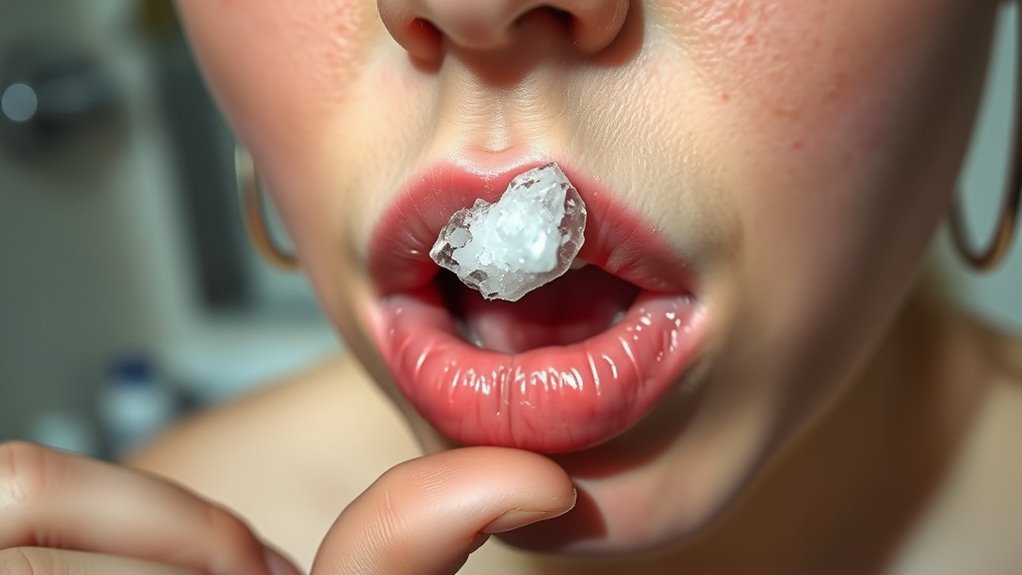
You shouldn’t put salt directly on a canker sore because it causes intense pain and can damage the delicate tissue. This action can slow healing and worsen irritation. Instead, dissolve salt in warm water and gently rinse your mouth.
Rinsing with salt water helps reduce bacteria and soothes inflammation safely. This method promotes faster recovery without the harsh discomfort of direct salt contact. If you want to know more about caring for canker sores and effective home remedies, keep exploring these tips.
Why You Shouldn’t Put Salt Directly on a Canker Sore
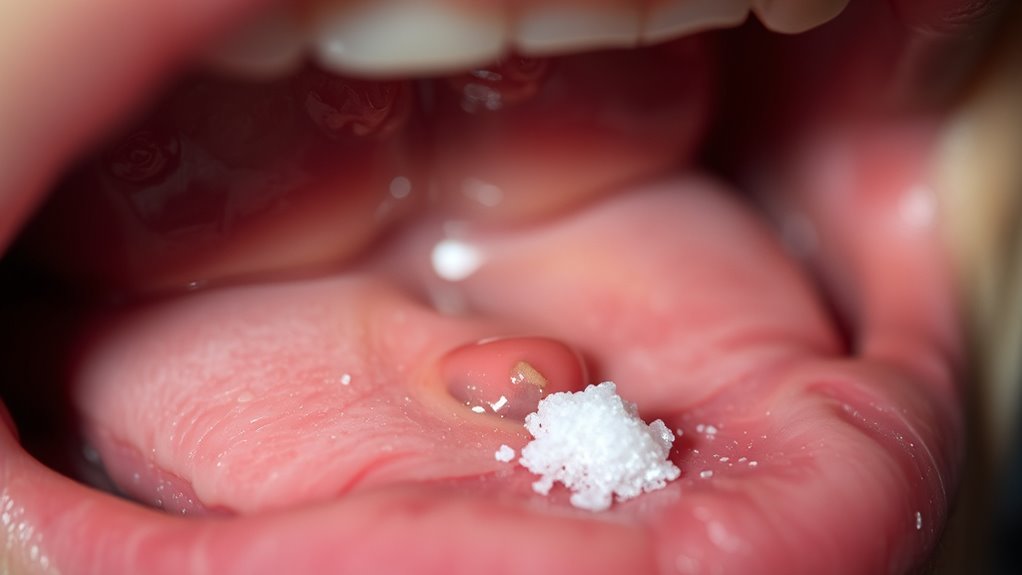
Although salt might seem like a quick fix, putting it directly on a canker sore can cause intense pain and irritation. When you apply salt straight to the sore, its abrasive nature can damage the delicate tissue, leading to more discomfort rather than relief.
This damage not only increases pain but also delays healing, making your recovery longer than necessary. Instead of helping, direct salt contact can exacerbate irritation and even cause bleeding.
Medical advice recommends avoiding this method because the harshness of undiluted salt can do more harm than good. Using a salt water rinse reduces inflammation safely without causing additional trauma, unlike direct salt application, which often results in prolonged soreness and delayed recovery.
How Salt Water Rinses Help Heal Canker Sores Safely
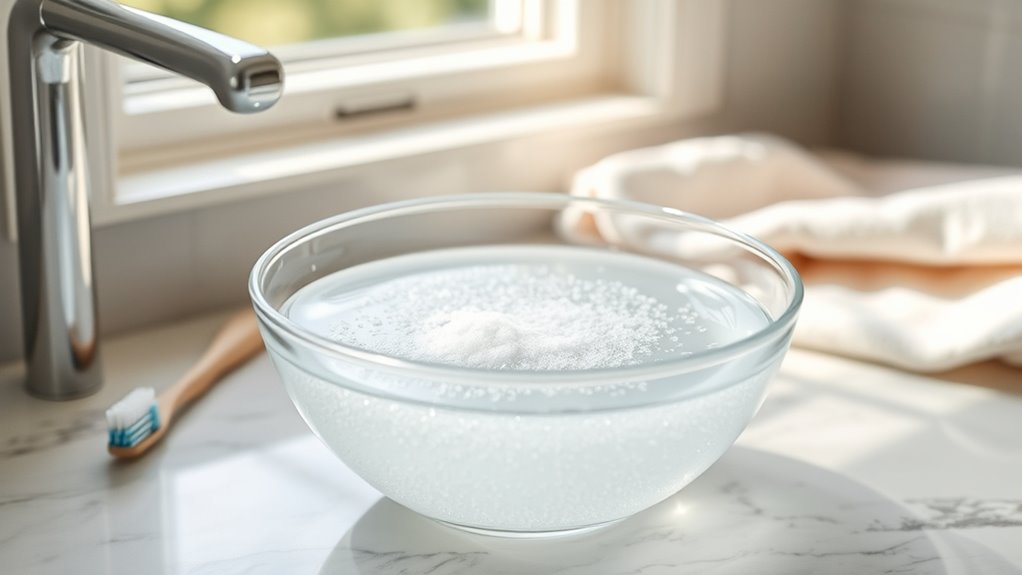
When you rinse your mouth with salt water, you create an antiseptic environment that helps reduce bacteria around canker sores, promoting faster healing and less inflammation. Using salt water rinses is a safe and effective way to support healing canker sores without causing the pain that direct salt application can bring.
A salt water solution—typically one teaspoon of salt in eight ounces of warm water—helps balance your mouth’s pH, accelerating tissue repair and reducing inflammation. Regular rinsing also offers pain relief and improves oral hygiene by preventing secondary infection.
Unlike direct salt, these rinses soothe the sore while maintaining a clean environment, allowing your mouth to heal naturally. You can repeat salt water rinses several times daily without irritation for the best results.
Baking Soda vs. Salt: Which Heals Canker Sores Better?
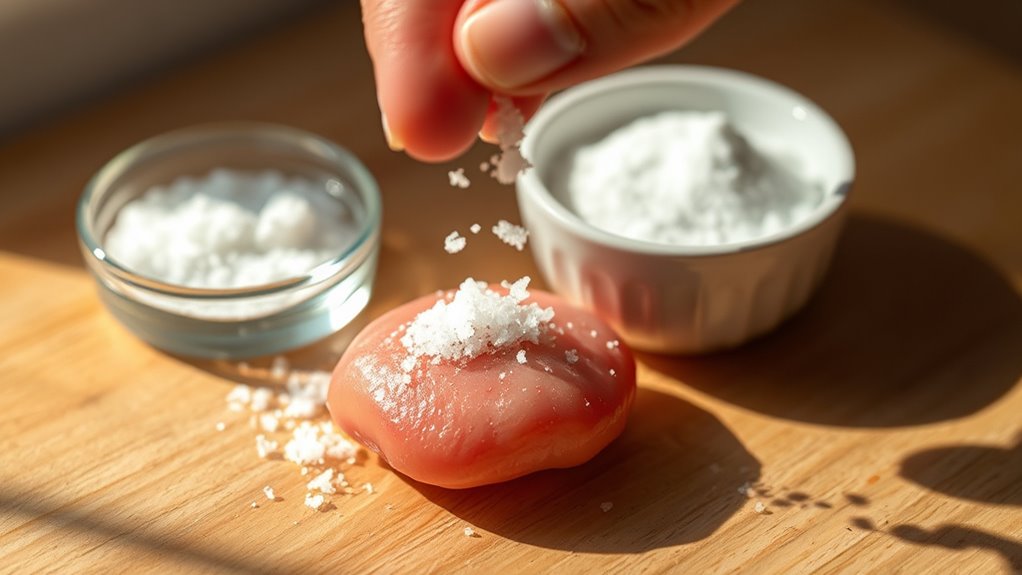
When choosing between baking soda and salt for canker sores, you’ll notice they heal differently and feel different on your skin.
Baking soda gently neutralizes acids and reduces inflammation.
Salt mainly disinfects but can cause sharp pain if applied directly.
Understanding these differences helps you pick the method that eases pain and speeds healing best for you.
Healing Properties Compared
If you want to speed up the healing of canker sores, understanding the differences between baking soda and salt is key.
Salt, when used as a rinse, helps disinfect your mouth and reduces infection risk, creating an antiseptic environment that supports tissue repair. However, applying salt directly to a canker sore can cause intense pain, irritation, and even worsen inflammation, delaying healing.
Baking soda, on the other hand, neutralizes acids and reduces inflammation without causing discomfort. Using a gentle baking soda paste offers a soothing remedy that promotes healing while minimizing pain.
Application Methods Differ
Understanding how to apply salt and baking soda makes a big difference in managing canker sores effectively. Using salt directly on the sore isn’t the best method; it causes intense pain, irritation, and discomfort, which can actually delay healing.
Instead, a salt water rinse—dissolving salt in warm water—works as a gentler remedy. This rinse reduces bacteria and inflammation without harming tissue.
Baking soda offers another effective approach, typically applied as a paste or rinse to neutralize acids and balance your mouth’s pH, promoting healing without the harshness linked to salt’s direct application.
Pain Relief Effectiveness
How do baking soda and salt compare in relieving the pain of canker sores? Baking soda, when dissolved in water, creates a soothing rinse that neutralizes acids and reduces inflammation, promoting faster healing and effective pain relief.
Salt, on the other hand, works well as a saline rinse that disinfects the sore and decreases bacterial growth, aiding healing without causing irritation.
However, direct application of plain salt on a canker sore can irritate delicate tissues, cause intense pain, and lead to tissue damage, making it a harmful remedy.
While both baking soda and salt rinses are beneficial, avoid using salt directly on the sore. These remedies help with pain relief and healing when used properly, but direct salt application is best skipped to prevent further discomfort.
Top Home Remedies That Soothe Canker Sores Without Pain
Though applying plain salt directly on a canker sore might seem like a quick fix, it actually causes intense pain and irritation. Instead, try a saltwater rinse—mix 1 teaspoon of salt in 8 ounces of warm water—to gently soothe canker sores without discomfort.
This natural, gentle home remedy reduces inflammation and supports tissue repair, promoting faster healing. Using a saltwater rinse disinfects the sore area safely, avoiding damage to delicate tissue that direct salt application can cause.
Beyond saltwater rinses, other gentle remedies like honey or aloe vera can also ease pain and speed recovery. By choosing these mild, natural methods, you can effectively manage canker sores while minimizing irritation and discomfort during the healing process.
When to Try Medicated Treatments for Canker Sores
If your canker sores last more than two weeks or grow larger and more painful, it’s time to consider medicated treatments.
You should also watch for signs like fever or sores that keep coming back, which mean you need professional care.
Choosing the right treatment often requires a healthcare provider’s advice to speed up healing and reduce discomfort.
Signs Needing Medication
When your canker sore lasts beyond two weeks or gets noticeably worse, it’s time to contemplate medicated treatments. Pay close attention to signs of infection like swelling, fever, or a white or yellow coating.
A large sore with a thick coating or severe pain interfering with eating or speaking also signals the need for medical intervention. Frequent or recurrent sores that resist home remedies may require prescription medications.
Here’s when you should seek medication:
| Symptom | Description | Action Needed |
|---|---|---|
| Large sore | Unusually big or growing sore | Consult healthcare provider |
| Thick coating | White or yellow coating present | Consider medicated treatments |
| Signs of infection | Swelling, pus, or fever | Immediate medical intervention |
| Persistent sore | Lasts over 10-14 days | Seek prescription medications |
Choosing Appropriate Treatments
Because canker sores can vary in severity and duration, knowing when to try medicated treatments helps you manage pain and speed healing effectively. If your canker sore doesn’t heal within 10-14 days or keeps coming back, it’s time to contemplate more than salt or baking soda home remedies.
While salt and baking soda can help fight bacteria, applying them directly may irritate the sore and delay healing. Over-the-counter topical anesthetics provide temporary relief but don’t promote faster healing.
For persistent or painful sores, corticosteroid gels or prescription rinses can reduce inflammation and fight infection more effectively. If sores last over three weeks or worsen, consult a healthcare professional who might suggest laser therapy or cauterization.
Choosing the right treatment ensures you don’t just mask pain but truly help your canker sore heal.
Tips to Prevent Canker Sores From Getting Worse During Healing
Although salt can irritate canker sores when applied directly, you can still use saltwater rinses to promote healing without causing pain.
To prevent your canker sore from getting worse, avoid placing plain salt on it, as this causes irritation and trauma to the delicate tissue.
Instead, gently rinse your mouth with a saltwater solution—about one teaspoon of salt in eight ounces of warm water. This rinse helps reduce inflammation and bacteria, supporting healing while minimizing discomfort.
Gently rinse with a teaspoon of salt in warm water to reduce inflammation and aid healing.
Be careful not to rub or press the sore, since trauma slows healing and increases irritation.
Consistently using saltwater rinses is an effective prevention method to keep the sore from worsening and to promote a clean, less inflamed environment for faster recovery.
Signs You Should See a Doctor for Persistent Canker Sores
If your canker sore hasn’t healed within three weeks or grows larger despite home treatments, you should see a doctor.
Persistent sores that become severe or have an irregular appearance need medical evaluation to rule out underlying conditions.
Also, if you experience systemic symptoms such as fever, swollen lymph nodes, or fatigue alongside your mouth ulcers, don’t delay seeking professional care.
Recurrent or frequent canker sores, especially those unresponsive to treatment, warrant a thorough examination by a healthcare provider.
Any ulcer located on the lips or with unusual borders should also be examined to exclude more serious issues like oral cancer.
Prompt medical attention guarantees appropriate diagnosis and effective management of persistent canker sores.
How to Care for Canker Sores and Avoid Future Outbreaks
When caring for canker sores, you should avoid applying salt directly, as it causes intense pain and irritation. Instead, use a salt water rinse by dissolving one teaspoon of salt in eight ounces of warm water. This method soothes the mouth sore, reduces inflammation, and promotes healing without causing further irritation.
Maintaining good oral hygiene is essential to prevent future outbreaks. Regularly rinsing with saline helps keep bacteria at bay, supporting oral health and minimizing discomfort.
Avoid harsh treatments that worsen irritation, and focus on gentle care to aid recovery.
Frequently Asked Questions
Can Certain Foods Trigger Canker Sores?
Yes, certain foods can trigger canker sores. You’ll want to avoid acidic, spicy, or rough-textured foods like citrus fruits, tomatoes, and chips, as they can irritate your mouth and worsen the sores or cause new ones to form.
Are Canker Sores Contagious?
No, canker sores aren’t contagious, so you don’t have to worry about passing them to others.
They’re caused by factors like stress or injury, not infections, so you can safely interact without fear of spreading them.
How Long Do Canker Sores Typically Last?
Canker sores usually last 7 to 14 days before healing on their own. You’ll notice pain lessening after a few days, but if they persist beyond two weeks, you should see a healthcare professional.
Can Stress Cause Canker Sores?
Yes, stress can trigger canker sores by weakening your immune system and causing inflammation.
Managing stress through relaxation techniques might reduce your chances of getting these painful mouth ulcers. Keep calm and take care!
Do Vitamin Deficiencies Contribute to Canker Sores?
Yes, vitamin deficiencies—especially B12, iron, and folate—can contribute to canker sores.
If you’re prone to them, make sure you’re getting enough nutrients to help reduce their frequency and promote healing.
Conclusion
You shouldn’t slap salt straight onto a sore—it stings sharply and slows soothing. Instead, swish salt water softly to speed healing safely. Baking soda brings a better balance, calming canker discomfort without the harsh hit.
Remember, treating tender troubles thoughtfully helps hasten healing and happiness. Keep care consistent, avoid aggravation, and seek skilled support if sores stubbornly stick around.
With wise, gentle ways, you’ll win the war against painful, pesky canker sores. Using salt directly on a canker sore is not recommended, but salt water rinses can effectively aid recovery.