5 Best Settings for a Digital Camera in 2027
To get stunning photos in 2027, you’ll want to master five key digital camera settings that really make a difference.
These include balancing aperture for perfect depth of field, setting shutter speed to capture motion smoothly, and adjusting ISO based on lighting to reduce noise.
Using the right shooting mode is also important — like Manual for full control or Auto for quick shots.
And don’t forget to tweak white balance to get true-to-life colors in your images.
These essentials can completely transform your shots.
Plus, exploring each setting further will help you sharpen your photography skills even more.
So, dive in and start experimenting!
| Image | Name | Editor's Rating | Price |
|---|---|---|---|

|
|
||
|
|
||

|
|
||

|
|
||

|
|
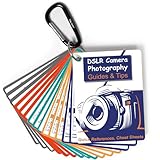
Photography Cheat Sheet for DSLR Camera Beginners
- Comprehensive Guide for Nikon, Canon, and Sony DSLRs:This 30-page photography guide is specifically designed for DSLR...
- Easy-to-Use Reference for Every Shooting Situation:Covering exposure, shooting modes, composition, and lighting, this...
- Compact and Portable Design – Ideal for On-the-Go Use:Measuring just 4×3 inches, this durable cheat sheet fits...
Unlock the full potential of your DSLR camera with the Photography Cheat Sheet, a compact guide designed to simplify manual photography. This handy 30-page resource puts essential tips right at your fingertips, helping you overcome common challenges like exposure and lighting adjustments. Its color-coded pages make finding information quick and easy, so you can focus on capturing the perfect shot.
Designed for portability, this cheat sheet fits comfortably in your pocket or clips onto your camera bag, making it ideal for use anywhere. The durable construction with metal hardware ensures it withstands regular handling during outdoor shoots or travel. It’s a practical tool that supports steady learning and quick reference without bulky manuals.
Maintaining this guide is effortless—just keep it dry and clean to preserve its vibrant colors and sturdy build. Whether you are shooting portraits, landscapes, or fast-paced action, the guide helps you confidently navigate manual settings for better results. It’s a reliable companion for beginners aiming to master DSLR photography skills.
Best for: DSLR camera owners, especially beginners and parents, who want a portable, easy-to-use manual photography guide.
What We Like:
- Compact design allows for easy transport and quick access
- Clear, color-coded layout aids fast information retrieval
- Durable metal hardware enhances longevity
- Covers essential photography topics for varied shooting scenarios
Specification:
| Feature | Details |
|---|---|
| Manufacturer | Not specified |
| Dimensions | 4.5 x 3.0 inches (approx.) |
| Weight | Lightweight (under 0.1 lb) |
| Material | Sturdy laminated paper with metal hardware |
| Color Options | Multi-colored pages (color-coded) |
DSLR Cheat Sheet Photography Accessories Camera Accessories for Canon Nikon
- Must-Have Camera Accessories for Photography: Includes 30 pages of the most useful photography tips, these...
- Photography Tips at Your Fingertips: Covers all the information you need when shooting! Concise and easy to understand...
- Pocket-sized Photography Guides: Measures 3×4 in, this photography accessories for Canon is compact & highly portable...
The DSLR Cheat Sheet is an essential tool for photographers looking to improve their skills with Canon and Nikon cameras. It delivers quick, easy-to-access tips that help you master exposure, composition, and lighting on the go. This compact cheat sheet ensures you spend less time guessing and more time shooting.
Designed to fit in your pocket, it measures just 3×4 inches and features 16 double-sided, color-coded sheets. This organization makes finding the right advice fast and effortless. The durable material and included metal carabiner keep it secure and ready for any shooting environment.
Maintenance is simple—just wipe clean as needed to keep it legible. Its portable design means you can bring it anywhere without hassle. Ideal for both beginners and advanced photographers, it supports a range of shooting situations with concise, practical guidance.
While it focuses on essential tips, it may not cover highly specialized techniques. The small physical size might also challenge those with visual impairments. Still, it serves as a reliable quick-reference guide to improve your photography workflow.
Best for: Photographers of all levels using Canon, Nikon, or similar cameras who need a compact, practical quick-reference guide for essential photography tips.
What We Like:
- Compact, durable design with metal carabiner for easy carrying
- Clear, color-coded cheat sheets for quick reference
- Covers key photography topics including exposure and composition
- Lightweight and pocket-sized for on-the-go use
Specification:
| Feature | Details |
|---|---|
| Manufacturer | Not specified |
| Dimensions | 3 x 4 inches (7.6 x 10.2 cm) |
| Material | Durable laminated card |
| Color Options | Color-coded sheets |
| Weight | Not specified |
KODAK PIXPRO FZ55 16MP Compact Digital Camera, 5X Optical Zoom, Black
- 16MP Sensor: Captures detailed photos with a CMOS sensor for everyday shooting
- Optical Zoom: 5x optical zoom with a 28mm wide angle lens for flexible framing indoors or outdoors
- Full HD Video: Records 1080p video for travel clips, family moments, or simple vlogging

Capture everyday moments with ease using the KODAK PIXPRO FZ55, a compact digital camera designed to enhance your photography experience. Its 16MP sensor and 5x optical zoom allow you to get clear, detailed shots without complicated settings.
The camera’s 28mm wide-angle lens helps you frame wider scenes, perfect for landscapes or group photos. Digital image stabilization reduces blur, making it easier to take steady pictures on the go. The 2.7-inch LCD screen simplifies composition, though its resolution may limit preview sharpness.
Designed for travel and convenience, the FZ55 is lightweight and pocket-friendly. Its battery supports around 200 shots per charge, so plan to carry a charger for extended use. The camera records 1080p Full HD video and supports SD cards up to 512GB, providing plenty of storage for your photos and videos.
Controls are straightforward, making it suitable for casual users. A built-in flash helps in low-light conditions, while USB and HDMI connections keep you connected to other devices. Regular maintenance like lens cleaning and battery care will keep the camera ready for your next adventure.
Best for: Casual photographers and travelers seeking a simple, portable camera with good zoom and image quality for everyday use.
What We Like:
- Lightweight and easy to carry for travel
- Versatile 5x optical zoom with wide-angle lens
- Supports large-capacity SD cards (up to 512GB)
- Records sharp 1080p Full HD video
Specification:
| Feature | Details |
|---|---|
| Manufacturer | KODAK |
| Sensor Resolution | 16 Megapixels |
| Optical Zoom | 5x |
| Lens | 28mm Wide-Angle |
| LCD Screen Size | 2.7 inches |
| Video Resolution | 1080p Full HD |
| SD Card Support | Up to 512GB |
| Battery Life | Approx. 200 shots/charge |
| Connectivity | USB, HDMI |
| Weight | Lightweight (exact weight not specified) |
| Color | Black |
4K 48MP Vlogging Camera with Flip Screen
- 4K DIGITAL CAMERA WITH AUTOFOCUS: The newest 4K digital camera for photography captures videos in 4K resolution and...
- 180° FLIP SCREEN AND PORTABLE: Our 4k camera for photography offers a 3.0-inch IPS 180° flip screen, ideal for selfie...
- MULTIFUNCTIONAL PHOTOGRAPHY CAMERA: The 4K digital video camera features a date stamp, exposure compensation (-3.0 to...
Capture your best moments with the Duluvulu DC101, a camera designed for vloggers who want sharp 4K video and detailed 48MP photos. Its 3.0-inch IPS flip screen rotates 180°, making it easy to frame yourself perfectly every time. This feature solves the common problem of awkward angles during self-recording, improving your content’s quality effortlessly.
The camera’s CMOS sensor ensures clear JPEG images and smooth 4K videos, enhanced by digital stabilization. Face and smile detection autofocus help keep your shots sharp, even when you’re on the move. With 16x digital zoom, you can get closer to your subject without changing lenses.
Designed for versatility, the DC101 offers multiple shooting modes like portrait, night, and sports to adapt to different environments. Continuous shooting at 30 fps lets you capture fast action, and the ability to record while charging means you won’t miss important moments during long sessions.
Maintenance is simple thanks to the camera’s lightweight battery and compact design. However, the reliance on digital zoom may affect image quality, and the limited shutter speed restricts capturing extremely fast motion. Despite these, it remains a functional and user-friendly choice for content creators.
Best for: Vloggers and content creators seeking a compact camera with a flip screen that delivers sharp 4K videos and high-resolution 48MP photos.
What We Like:
- Crisp 4K video and 48MP photo capability with digital image stabilization
- 3.0-inch IPS flip screen for easy self-recording
- Face and smile detection autofocus for sharp images
- Continuous shooting at 30 fps and recording while charging
- Versatile shooting modes for various environments
Specification:
| Feature | Details |
|---|---|
| Manufacturer | Duluvulu |
| Display Size | 3.0 inches |
| Screen Type | IPS, 180° flip |
| Photo Resolution | 48MP |
| Video Resolution | 4K |
| Zoom | 16x digital |
| Battery Weight | 10 g |
| Max Shutter Speed | 1/2650 seconds |
Digital 4K Autofocus Camera with Flip Screen
- 【4K Video & 48MP Photos with Autofocus】 Capture everyday moments in stunning detail with 4K video and 48MP...
- 【180° Flip Screen for Selfies & Vlogging】 Capture yourself from the perfect angle with the 2.8-inch 180° flip...
- 【16X Digital Zoom & Anti-Shake for Flexible Shooting】 Get closer to distant subjects with 16X digital zoom and...
Experience effortless creativity with this Digital 4K Autofocus Camera, designed to capture sharp 48MP photos and smooth 4K videos. Its fast autofocus and CMOS sensor ensure clear, detailed shots every time, solving common frustrations with blurry or out-of-focus images. The camera’s 16X digital zoom and anti-shake feature help you get closer without sacrificing clarity, making it ideal for dynamic shooting situations.
The 180° flip screen is perfect for framing selfies and vlogs with ease. This versatile design supports creative angles and helps you stay in the shot, enhancing your content creation process. Compact and lightweight, it fits comfortably in your hand or bag, making it easy to carry on the go.
Maintenance is straightforward with the included rechargeable battery and USB transfer capability. You can record while charging, so you never miss a moment. The camera also functions as a webcam, adding flexibility for online use. Storage is convenient with the built-in 32GB memory.
While the 2.8-inch screen suits most users, some might find it small, and the digital zoom may slightly impact image quality compared to optical zoom. Advanced photographers might notice limited manual controls, but the intuitive interface is perfect for beginners and casual users.
Best for: Beginners, kids, and teens seeking a simple, portable camera for high-quality photos, videos, and vlogging.
What We Like:
- Sharp 48MP photos and detailed 4K video with fast autofocus
- 180° flip screen for easy selfies and vlogging
- Anti-shake technology and 16X digital zoom enhance shot quality
- Rechargeable battery with record-while-charging feature
- USB transfer and webcam mode for versatile use
Specification:
| Feature | Details |
|---|---|
| Manufacturer | Not specified |
| Dimensions | Not specified |
| Weight | Not specified |
| Sensor Type | CMOS |
| Photo Resolution | 48MP |
| Video Resolution | 4K |
| Zoom | 16X Digital |
| Screen Size | 2.8 inches (flip screen) |
| Storage Included | 32GB |
| Battery | Rechargeable, record-while-charging supported |
Factors to Consider When Choosing Settings for a Digital Camera
When choosing your camera settings, you’ll want to balance the exposure triangle—aperture, shutter speed, and ISO—for the best shot. It might sound tricky at first, but once you get the hang of it, it’s pretty straightforward.
Think about the shooting mode that fits your scene and the lighting conditions you’re working with. Different situations call for different settings, so don’t be afraid to experiment a bit.
Also, don’t forget to adjust focus and zoom to capture sharp, well-composed images. A little tweak here and there can make a big difference in the final photo.
Understanding Exposure Triangle
Mastering the exposure triangle is essential for choosing the right settings on your digital camera. It consists of aperture, shutter speed, and ISO, each controlling light and image quality.
Aperture, measured in f-stops, adjusts how much light enters and affects depth of field. Lower f-stops blur backgrounds, making your subject stand out nicely.
Shutter speed controls how long your sensor is exposed. Faster speeds freeze motion, while slower speeds let in motion blur for creative effects.
ISO increases your sensor’s sensitivity to light, which brightens images in low light. But be careful—higher ISO can add noise and graininess.
You’ll need to balance these three elements carefully to get the exposure and effects you want. Whether you’re brightening a dim scene or capturing sharp action without blur, understanding this balance is key to better photos.
Selecting Appropriate Shooting Modes
Although understanding exposure settings is essential, choosing the right shooting mode can simplify your photography and improve results. You can start with Auto mode for quick, hassle-free shots.
But if you want to get a bit more creative, try exploring scene modes like Portrait, Landscape, Sports, or Macro. These let your camera optimize settings for specific subjects and conditions.
If you want more control, give Aperture Priority a shot. It helps you manage depth of field, so you can either emphasize your subject or keep everything sharp.
Manual mode is great when you want full control over aperture, shutter speed, and ISO. It lets you craft artistic effects exactly how you want.
And don’t forget shutter speed’s role! Use fast speeds to freeze action or slower ones to create motion blur.
Importance of Lighting Conditions
Because lighting conditions directly influence how your camera captures an image, you’ll need to adjust settings like aperture, shutter speed, and ISO to get the best results.
In low-light situations, open your aperture wider (use a lower f-stop) to let in more light. But be mindful that increasing ISO too much can add noise.
On bright, sunny days, opt for a smaller aperture (higher f-stop) to avoid overexposure and keep highlight details sharp.
Take advantage of the golden hour’s soft, diffused light to enhance colors and soften shadows.
Also, recognize the difference between natural and artificial light sources—adjust your white balance accordingly to guarantee accurate color reproduction in your photos.
Lighting truly shapes your image quality.
Choosing Optimal ISO Settings
Anyone adjusting their camera settings quickly learns that ISO plays an essential role in how sensitive your camera is to light. You’ll want to use a low ISO, like 100 to 400, in bright conditions to keep your images clean and noise-free.
When shooting in low light, raising the ISO to 800 or higher helps brighten your photos but can introduce graininess. To maintain quality, set a maximum ISO limit on your camera to prevent excessive noise.
Utilizing Focus and Zoom
When you adjust focus and zoom settings, you directly influence how sharp and detailed your images will be. Use autofocus features like face detection to keep your subjects crisp, especially in fast-paced scenes.
Optical zoom is your best friend for maintaining image quality—avoid digital zoom since it pixelates and lowers sharpness. Match your shutter speed to the scene: faster speeds freeze action, while slower ones allow creative motion blur.
Don’t forget lighting; bright environments call for faster shutter speeds, while low light benefits from wider apertures to keep focus clear. Finally, pick an aspect ratio that suits your output—16:9 works well for video, and 4:3 is ideal for photos—ensuring your composition fits perfectly without cropping important details.
Frequently Asked Questions
How Do Weather Conditions Affect Digital Camera Settings?
Weather conditions affect your camera settings by influencing exposure, ISO, and shutter speed. In low light or fog, you’ll want to boost ISO and slow down the shutter speed. This helps capture more light and detail.
On the other hand, bright sunlight calls for a lower ISO and faster shutter speed. This prevents your photos from being overexposed. Adjusting these settings based on the weather can really improve your shots.
What Are the Best Settings for Astrophotography With a Digital Camera?
You’ll want a wide aperture (f/2.8 or lower), high ISO (1600-3200), and long exposure (15-30 seconds). Use manual focus, a tripod, and remote shutter to avoid blur.
Adjust settings based on light pollution and star trails. It’s a bit of trial and error, but you’ll get the hang of it quickly!
How Can I Optimize Settings for Underwater Digital Photography?
To capture crisp, colorful creatures, you’ll want to adjust white balance for water’s blue. Set a wide aperture to let in more light, and use a fast shutter speed to freeze fish in motion.
Also, boost your ISO carefully—don’t let noise nibble away your natural nuance! Playing around with these settings can really make your underwater shots pop.
What Settings Improve Digital Camera Performance in Low Light Situations?
You should increase ISO, widen your aperture, and slow your shutter speed to capture more light. Use image stabilization and shoot in RAW for better editing flexibility.
Don’t forget to use a tripod to avoid blur. These simple steps can really boost your low-light shots!
How Do Digital Camera Settings Vary for Shooting Fast-Moving Subjects?
You’ll want to increase your shutter speed to freeze motion and raise the ISO for better exposure. Use continuous autofocus and burst mode to capture sharp, fast-moving subjects.
Adjust the aperture to balance depth of field and light. It’s all about finding the right combo to keep your shots clear and well-lit, even when things are moving fast.
Conclusion
Now that you know the top settings for your digital camera in 2027, are you ready to capture moments like a pro? With the right settings, accessories, and a bit of practice, you’ll transform ordinary shots into stunning memories.
Whether you’re using a DSLR, a Kodak PIXPRO, or a 4K vlogging camera, mastering these tips will boost your confidence and creativity. So, why settle for average photos when your best shot is just a click away?
By dialing in the best camera settings, you can elevate your photography game and take full advantage of your digital camera’s capabilities. Remember, great photos come from understanding your gear and experimenting with different techniques.
In 2027, having the perfect settings isn’t just about technical know-how—it’s about expressing your unique vision. So grab your camera, try out these pro tips, and start capturing breathtaking images that truly stand out!