8 Best Cameras for OctoPrint in 2027
If you want crisp, smooth footage of your 3D prints, check out the top eight OctoPrint cameras for 2027.
These cameras are designed to give you clear, detailed views of your printing process, whether you’re monitoring from across the room or remotely. From budget-friendly options like the Logitech C270 to advanced models like the Arducam 4K with autofocus, there’s something for every setup and budget.
You’ll find features like wide-angle views, HDR for better color accuracy, night vision for low-light monitoring, and high frame rates for smooth video.
Whether you need basic capture or detailed, high-res images, these cameras cover all your OctoPrint monitoring needs.
Keep exploring to discover which model suits your setup best.
| Image | Name | Editor's Rating | Price |
|---|---|---|---|
|
|
||

|
|
||

|
|
||

|
|
||

|
|
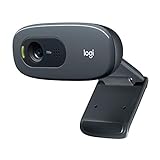
Logitech C270 720p Webcam Plug-and-Play Wide Screen Video Calling – Black
- Compatible with Nintendo Switch 2’s new GameChat mode
- Crisp HD 720p/30 fps video calls with diagonal 55° field of view and auto light correction. Compatible with popular...
- The built-in noise-reducing mic makes sure your voice comes across clearly up to 1.5 meters away, even if you’re in...

The Logitech C270 webcam is a practical solution for anyone needing clear video monitoring without hassle. This webcam captures sharp 720p HD video at 30 frames per second, making it ideal for keeping an eye on 3D prints through OctoPrint or for casual video calls. Its wide 55° field of view ensures you get a broad perspective, helping you track progress without constant adjustments.
Designed for ease of use, the C270 features RightLight 2 technology, which adapts to different lighting conditions. This means your workspace remains well-lit and visible, whether it’s bright or dim. The plug-and-play USB-A connection removes setup complexities, so you can connect and start monitoring quickly, without needing extra drivers.
The webcam’s compact size and adjustable clip allow it to fit securely on most monitors or laptops. Its built-in noise-reducing microphone picks up clear audio from up to 1.5 meters away, enhancing communication when needed. While the focus is fixed and the resolution is capped at 720p, the C270 delivers consistent, reliable performance with minimal maintenance.
Best for: users seeking a straightforward, budget-friendly webcam for steady 720p video monitoring and video calls in varying lighting conditions.
What We Like:
- Sharp 720p HD video with a wide-angle 55° view for effective monitoring
- RightLight 2 technology optimizes video quality in low light
- Easy plug-and-play setup with USB-A connection
- Adjustable clip for secure and flexible mounting
- Built-in noise-reducing microphone for clear audio capture
Specification:
| Feature | Details |
|---|---|
| Manufacturer | Logitech |
| Video Resolution | 720p HD (1280×720) |
| Frame Rate | 30 fps |
| Field of View | 55° |
| Connection Type | USB-A (Plug-and-play) |
| Microphone Range | Up to 1.5 meters |
| Dimensions | Compact, lightweight |
| Color | Black |
Arducam 4K 8MP Autofocus USB Camera Module
- Plug-and-Play USB Camera Module: Experience ultimate convenience with this plug-and-play USB camera module. It offers...
- AI Resolution for Machine Vision: Leverage multiple preset AI image resolutions to train and deploy your models...
- Precision Autofocus Lens: Equipped with an excellent autofocus lens, this USB security camera and monitoring tool...
The Arducam 4K 8MP Autofocus USB Camera Module delivers sharp, clear images that enhance precision monitoring for your 3D printing projects. Its automatic autofocus lens ensures every detail is captured clearly, eliminating the hassle of manual adjustments. This makes it easier to track print quality and spot issues early.
Designed with an ultra-compact metal casing, the camera fits seamlessly into tight spaces. It connects via USB to a variety of devices, including Windows, Linux, macOS, and Android platforms. This broad compatibility simplifies integration into your existing setup, whether for personal or professional use.
The camera’s 4K video and 8MP image capture with HDR improve visibility under different lighting conditions. Its fixed 3.95 mm focal length offers consistent focus, although it limits zoom flexibility. The robust build supports long-term use, but note that included accessories are minimal, requiring separate purchases for mounting or protection.
Maintenance is straightforward thanks to its durable metal housing, which helps protect internal components. This camera is well-suited for detailed print monitoring and machine vision tasks such as laser engraving and robotics.
Best for: hobbyists and professionals needing a high-resolution autofocus USB camera for 3D print monitoring and precision machine vision applications.
What We Like:
- Clear 4K video and 8MP image capture with HDR support
- Compact, durable metal design for reliable use in tight spaces
- Wide OS compatibility including Windows, Linux, macOS, and Android
- Precision autofocus lens ensures sharp images without manual focus
Specification:
| Feature | Details |
|---|---|
| Manufacturer | Arducam |
| Resolution | 4K video, 8MP images |
| Focal Length | 3.95 mm (fixed) |
| Connectivity | USB |
| Compatible OS | Windows, Linux, macOS, Android |
| Material | Metal casing |
| Dimensions | Ultra-compact design (exact size not specified) |
Arducam 1080P HDR Autofocus USB Camera Module
- High-Definition USB Webcam – 1080P HDR Autofocus: Enjoy sharp, vibrant, and true-to-life video with this 1080p USB...
- Compact Metal Body – Mini Size: Built with a durable full-metal housing, this mini USB camera offers excellent heat...
- Plug & Play USB 2.0 Interface: Simple setup with UVC plug-and-play support—no drivers needed. Compatible with Windows...
Experience precise and clear 3D print monitoring with the Arducam 1080P HDR Autofocus USB Camera Module. This compact camera delivers smooth 30fps video at full HD resolution, ensuring you see every detail of your prints in real time. Its HDR capability adjusts color and contrast to provide vibrant, accurate visuals, helping you catch issues early.
The built-in autofocus keeps images sharp throughout your print job, eliminating the need for manual adjustments. Its durable full-metal housing is designed to fit snugly in tight spaces near your 3D printer, making installation simple and maintenance hassle-free. The USB 2.0 connection offers easy plug-and-play compatibility with various systems.
This versatile camera works seamlessly with Windows, Linux, macOS, Android, and Raspberry Pi platforms. It supports popular software like OpenCV and OBS, making it a reliable tool for not only 3D printing but also robotics and embedded system projects. The 78° field of view captures a focused image area, ideal for close monitoring.
Best for: hobbyists and professionals needing a compact, reliable USB camera for detailed, real-time 3D print observation and embedded applications.
What We Like:
- Smooth 1080P HDR video at 30fps with enhanced color accuracy
- Autofocus for consistently sharp images without manual effort
- Durable metal housing fits into tight spaces near printers
- Broad compatibility with major operating systems and software
Specification:
| Feature | Details |
|---|---|
| Manufacturer | Arducam |
| Resolution | 1080P (1920 x 1080) |
| Frame Rate | 30fps |
| Interface | USB 2.0 |
| Autofocus | Yes |
| Field of View | 78° |
| Housing Material | Full-metal |
| Compatibility | Windows, Linux, macOS, Android, Raspberry Pi |
1080P USB 2.0 Wide Angle UVC Camera
- 【Native UVC Compliance】High-Speed USB 2.0 Interface, Native driver on Windows 11/10/7, Mac OS, Linux, Ubuntu and...
- 【Superior Performer】Up to 1080P*30 fps. Support YUY2 and MJPEG format. Designed to perform reliably in both Indoor...
- 【Wide Angle Lens】Fov(D) = 130 degrees and Fov(H) = 103 degree, with industry-standard M12 lens thread for optical...
Experience sharp and detailed monitoring with this 1080P USB 2.0 wide-angle camera designed for precision. It captures smooth video at 30 fps, ensuring every detail on your print bed is visible. The 130° wide-angle lens covers a broad view, minimizing blind spots during your projects.
Its compact 32x32mm PCB design fits easily into various setups, making integration simple. The M12 threaded lens allows for easy optical upgrades, adapting to evolving needs without replacing the entire unit. Connecting via high-speed USB 2.0 provides reliable data transfer with native UVC support.
Maintenance is straightforward since the camera’s design is minimal and robust. Optional metal housings add durability and protection, especially in harsher environments. Certified by FCC, CE, and UKCA, it meets strict standards for indoor and outdoor use.
This camera is ideal for users requiring a dependable, wide-angle USB camera that integrates effortlessly with Raspberry Pi, Jetson Nano, and common operating systems. While it lacks autofocus and advanced image processing, its simple setup and wide coverage make it a practical choice.
Best for: Users needing a high-quality, wide-angle USB camera for detailed monitoring and integration with various platforms like Raspberry Pi and Jetson Nano.
What We Like:
- Clear 1080P video at 30 fps with a broad 130° lens angle
- Native UVC support for compatibility across major OS platforms
- Compact PCB design with optional durable metal housings
- Certified for reliable indoor and outdoor use
Specification:
| Feature | Details |
|---|---|
| Resolution | 1080P (1920×1080) |
| Frame Rate | 30 fps |
| Lens Angle | 130° wide-angle |
| Interface | USB 2.0 |
| PCB Size | 32 x 32 mm |
| Lens Mount | M12 thread |
| Certifications | FCC, CE, UKCA |
Arducam 5MP HD Camera Module for Raspberry Pi
- High-Definition video camera for Raspberry Pi Model A or B, B+, model 2, Raspberry Pi 3,3 B+, Pi 4, Pi 5(NOT for Pi...
- 5MPixel sensor with Omnivision OV5647 sensor in a fixed-focus lens. Software auto focus lens: B07SN8GYGD
- Integral IR filter
Arducam’s 5MP HD Camera Module offers clear and detailed video monitoring for Raspberry Pi projects. Its sharp 1080p video and high-resolution stills capture every detail, making it ideal for watching 3D prints closely.
The camera uses the OV5647 sensor with a fixed-focus lens for consistent clarity. Automatic white balance and exposure settings simplify setup, so you can start recording quickly without manual adjustments.
Designed to fit most Raspberry Pi models except the Pi Zero, this compact and lightweight module integrates smoothly into your workspace. While it lacks image stabilization, its steady performance combined with optional accessories like a tripod case provides reliable mounting options.
Maintenance is straightforward due to its simple design. The fixed-focus lens requires no adjustment, and the automatic exposure helps maintain image quality in varying light conditions. This makes it a practical choice for continuous monitoring tasks.
Best for: Raspberry Pi users needing a compact, easy-to-use camera for detailed video and photo monitoring, especially in 3D printing applications.
What We Like:
- Sharp 1080p video and 2592 x 1944 still image capture
- Automatic white balance and exposure for hassle-free setup
- Lightweight, compact design with versatile mounting options
- Compatible with most Raspberry Pi models (except Pi Zero)
Specification:
| Feature | Details |
|---|---|
| Manufacturer | Arducam |
| Sensor | OV5647 |
| Resolution | 5MP (2592 x 1944 pixels) |
| Video Quality | 1080p at 30fps |
| Viewing Angle | 54 degrees |
| Lens Type | Fixed-focus |
| Compatibility | Raspberry Pi models (except Pi Zero) |
| Weight | Lightweight (exact weight not specified) |
Arducam 1080P USB Day & Night Vision Camera

- Day/Night Vision: IR-CUT Filter switched in and out automatically based on light condition (only visible light during...
- HD Resolution: This camera adopts 2MP OV2710 sensor for sharp image, Max. resolution: 1920*1080
- High Frame Rates: 30fps@320*240, 352*288, 640*480, 800*600, 1024*768, 1280*720, 1280*960, 1280*1024, 1920*1080; YUY...
Discover a compact camera designed to enhance your monitoring with clear day and night vision. The Arducam 1080P USB Day & Night Vision Camera offers reliable performance for various setups, including OctoPrint. Its advanced 2MP OV2710 sensor captures crisp 1080p images, making it easier to track details in any lighting condition.
This camera automatically switches its IR-CUT filter and uses built-in 850nm IR LEDs for consistent clarity from bright daylight to complete darkness. Its USB 2.0 plug-and-play design ensures easy connection across multiple platforms such as Windows, Linux, macOS, Android, and Raspberry Pi. This flexibility means less hassle and more time focusing on your projects.
With a compact 38mm size, the camera fits neatly into tight or discreet spaces, making installation simple and practical. While it supports various audio formats, users should note it does not have a built-in microphone for direct sound capture. It can operate safely in temperatures up to 158°F, suitable for most indoor and moderate outdoor environments.
Maintenance is straightforward with no complex setup required. The rugged design supports extended use, though the 5fps frame rate at full 1080p may limit smooth video capture for fast-moving scenes. Overall, this camera balances functionality and convenience for versatile day and night use.
Best for: users needing a compact, versatile USB camera with reliable day and night vision for applications like OctoPrint setups, home surveillance, or wildlife photography.
What We Like:
- Automatic IR-CUT filter with 850nm IR LEDs for clear imaging day and night
- Wide compatibility with Windows, Linux, macOS, Android, and Raspberry Pi
- Compact 38mm size suitable for tight or hidden installation
- Plug-and-play USB 2.0 connection for easy setup
- Supports multiple audio formats despite no built-in mic
Specification:
| Feature | Details |
|---|---|
| Manufacturer | Arducam |
| Sensor | 2MP OV2710 |
| Resolution | 1920 x 1080 (1080p) |
| Frame Rate | Up to 5fps at 1080p |
| Connectivity | USB 2.0 |
| Size | 38 mm diameter |
| IR LEDs | 850nm infrared LEDs |
| Operating Temp. | Up to 158°F (70°C) |
| Compatibility | Windows, Linux, macOS, Android, Raspberry Pi |
Arducam 100fps Mono Global Shutter USB Camera

- Based on 1MP monochrome (black&white) global shutter sensor OV9281, assembled with a 70°(H) low distortion M12 lens...
- Global Shutter: Shoot high-speed moving objects in crisp sharp images. Avoid the rolling artifacts to get a much more...
- Resolution: 1MP 1280H x 800V; Frame Rates: MJPG 100fps@1280 x 800/800 x 600/640 x 480/320 x 240; YUY2 10fps@1280 x...
Experience smooth, high-speed monitoring with the Arducam 100fps Mono Global Shutter USB Camera. Designed to capture fast-moving objects clearly, this camera uses a 1MP monochrome OV9281 sensor that eliminates rolling shutter artifacts. It delivers sharp images at 100fps, making it ideal for precise, real-time tracking.
The camera’s 70° low distortion M12 lens is sensitive to infrared light, improving visibility in diverse lighting environments. Its compact design ensures easy setup and maintenance. The plug-and-play USB connection works seamlessly with PCs, laptops, Raspberry Pi, and Android devices, offering versatile compatibility without extra hassle.
For users requiring synchronized shots, the camera supports external triggers and manual macro focus. This allows for fine adjustments based on distance and specific use cases. Though limited to monochrome imaging, it excels in applications where color is not essential.
Best for: professionals and hobbyists needing high-speed, accurate motion capture and monitoring in applications like 3D printing, eye tracking, and gesture recognition.
What We Like:
- Global shutter sensor captures motion without rolling artifacts
- Easy USB plug-and-play compatibility across multiple platforms
- Infrared-sensitive, low distortion lens enhances image clarity
Specification:
| Feature | Details |
|---|---|
| Manufacturer | Arducam |
| Sensor | 1MP Monochrome OV9281 |
| Frame Rate | Up to 100fps (MJPG format) |
| Lens | 70° low distortion M12 lens |
| Connectivity | USB plug-and-play |
| Compatibility | PC, Raspberry Pi, Android |
| Focus | Manual macro focus |
| Imaging Mode | Monochrome |
ELP 4K 60FPS USB Manual Zoom Webcam

- 【Ultra HD 4K 2160P】Recording max 3840(H)x2160(V) video and still picture.
- 【High Frame Rates】Under USB 3.0 Interface, shooting speed up to 4K@60fps. Support YUY2 and MJPEG format. Designed to...
- 【5-50mm Varifocal CS Mount Lens】5-50mm 10X manual zoom camera for all kinds of distance shooting, zoom, brightness...
The ELP 4K 60FPS USB Manual Zoom Webcam brings exceptional clarity to your 3D printing monitoring setup. Its ultra-high-definition video captures every detail with sharp precision, helping you track print progress closely and catch issues early. This camera’s smooth 60fps output ensures fluid motion, so you won’t miss any movement during your prints.
Designed with a manual 5-50mm varifocal lens, it offers precise zoom control, allowing you to focus exactly where needed. The IMX678 sensor enhances low-light performance down to 0.1 lux, making it reliable even in dimly lit workspaces. Its compact and lightweight design fits seamlessly into your setup without adding bulk.
Maintenance is straightforward thanks to its plug-and-play USB 3.0 interface. The camera supports multiple platforms, including Raspberry Pi, without requiring extra drivers. While manual zoom requires hands-on adjustment, this simplicity reduces potential mechanical issues.
Though not water-resistant, the webcam excels indoors and in controlled environments. Its broad compatibility and ease of use make it a practical choice for detailed print monitoring and other precision tasks.
Best for: Users seeking high-resolution, smooth video monitoring for detailed 3D printing projects, especially on Raspberry Pi and similar platforms.
What We Like:
- Crisp 4K video at 60fps for clear, fluid monitoring
- Precise manual zoom with varifocal lens for tailored framing
- Excellent low-light performance with IMX678 sensor
- Easy plug-and-play USB 3.0 connection across platforms
- Compact, lightweight design fits small workspaces
Specification:
| Feature | Details |
|---|---|
| Manufacturer | ELP |
| Resolution | 4K UHD (3840×2160) |
| Frame Rate | 60fps |
| Lens | 5-50mm manual varifocal |
| Sensor | IMX678 |
| Low-Light Sensitivity | 0.1 lux |
| Interface | USB 3.0 |
| Compatibility | Windows, Linux, Raspberry Pi |
| Dimensions | Compact (exact size not provided) |
| Weight | Lightweight (exact weight not provided) |
Factors to Consider When Choosing a Camera for Octoprint
When picking a camera for OctoPrint, you’ll want to focus on video resolution and how well it performs in low light. Consider whether autofocus or a fixed lens suits your setup, and check the connectivity options to guarantee smooth integration.
Most importantly, make certain the camera is fully compatible with OctoPrint to avoid any headaches. It’s worth taking the time to get this right so your printing monitoring goes off without a hitch.
Video Resolution Importance
Anyone choosing a camera for OctoPrint should prioritize video resolution because it directly affects how clearly you can monitor your prints. Higher resolutions like 1080p or 4K deliver detailed, crisp images essential for tracking intricate print details.
While 720p might suffice for basic monitoring, it often lacks the clarity needed for precision tasks. Opting for a 4K camera gives you flexibility to crop or zoom in without losing quality, which helps focus on specific print areas.
Also, consider frame rates of 30 fps or higher to guarantee smooth, real-time playback during dynamic printing processes. Most cameras offer a 16:9 aspect ratio, providing a wide field of view that captures the entire print platform.
This really enhances your overall monitoring experience without compromising image quality. So, picking the right resolution and frame rate makes a big difference in keeping an eye on your prints!
Connectivity Options Available
Since seamless integration is key for OctoPrint cameras, you’ll want to prioritize connectivity options that match your setup. USB connectivity is essential because most Raspberry Pi setups support USB cameras for easy plug-and-play installation.
Make sure your camera is UVC (USB Video Class) compliant, so it works smoothly across different operating systems without extra drivers. Also, consider the camera’s resolution and frame rate—1080p or 4K at 30fps or higher gives you clear monitoring of your prints.
Don’t forget about the field of view; wider angles capture more of the print bed, potentially reducing how many cameras you need. Finally, check if the camera plays nicely with popular software used alongside OctoPrint, ensuring smooth streaming and image capture without compatibility headaches.
Low Light Performance
Although many 3D printing setups operate in well-lit spaces, low light performance remains essential for monitoring prints during night or in dim environments. You’ll want a camera with a minimum illumination rating of 0.1 lux or lower to capture clear images without excessive noise.
Look for features like infrared sensitivity and automatic exposure control, which enhance visibility when lighting is poor. A larger sensor size, such as 1/1.8 inches or greater, helps the camera gather more light, reducing graininess and improving overall image quality.
HDR capabilities also play a key role in balancing bright and dark areas, giving you a clearer view of your print. And finally, an IR-cut filter enables smooth switching between day and night modes, optimizing performance based on lighting conditions.
Autofocus Versus Fixed
When monitoring your 3D prints, capturing clear images isn’t just about lighting—it also depends on how your camera handles focus. Autofocus cameras, like the Arducam 4K 8MP, automatically adjust to different distances, ensuring sharp details throughout your print.
This makes them ideal if you need precision and versatility as your print changes. Fixed-focus cameras, such as the Logitech C270, stay locked on one focal distance, which works fine if your setup is stationary and the subject distance doesn’t vary.
Fixed-focus models capture images instantly without delay, while autofocus may introduce a slight pause as it adjusts. If you expect varying object sizes or distances in your prints, autofocus will provide clearer results.
Otherwise, fixed-focus can deliver consistent clarity when positioned correctly. So, it really depends on what kind of monitoring you need and how much your setup changes.
Compatibility With Octoprint
Choosing the right camera for OctoPrint means making certain it works seamlessly with your setup. First, confirm the camera supports USB connectivity since OctoPrint typically relies on USB webcams to connect directly to Raspberry Pi or similar devices.
You’ll want a UVC-compliant camera because it doesn’t require extra drivers, making installation straightforward. Check if the camera is compatible with your specific Raspberry Pi model, as some cameras only work with certain versions.
Aim for at least 720p resolution to get clear video streaming of your prints. Cameras with adjustable focus or zoom are a bonus, letting you capture detailed views of the print bed or ongoing prints.
Prioritizing these factors guarantees smooth integration and reliable monitoring during your 3D printing sessions. It’s all about making your setup work effortlessly so you can keep an eye on your prints without any hassle.
Field Of View
Since the field of view (FOV) determines how much of your 3D printing area the camera captures, it plays an essential role in monitoring your prints effectively. If you want broad coverage of your entire setup, a wider FOV—around 130°—is preferable, reducing the need for multiple cameras.
However, wider angles can cause distortion at the edges, so you’ll need to balance coverage with image clarity. For focused inspection, a narrower FOV near 55° helps minimize distortion and enhances detail on specific parts.
Choosing a camera with an adjustable FOV lens can give you the flexibility to adapt the perspective based on your changing needs. This way, you’ll ensure excellent monitoring whether you’re overseeing large builds or inspecting fine print details.
Mounting And Placement
Although selecting the right camera is essential, how and where you mount it plays an equally important role in capturing clear, detailed footage of your prints. You want a stable mounting solution like an adjustable clip or bracket to keep the camera secure and prevent any shifts during printing.
Position your camera to cover the entire print area with at least a 78° field of view for effective monitoring. Keep the camera within 1 to 2 meters of the print bed, depending on its resolution and focus, to capture sharp images.
Be certain to avoid obstructions and glare that could spoil your view. Choosing a camera with adjustable focus helps maintain image clarity even as print heights and materials vary.
Proper mounting guarantees you never miss a detail. It really makes all the difference in getting great footage every time.
Budget And Warranty
While you want the best camera for your OctoPrint setup, setting a clear budget helps narrow down your options and prevents overspending. Cameras range from affordable models to high-end versions with advanced features, so knowing your financial limit lets you focus on what fits.
Don’t forget to factor in extra costs like accessories or software that might push the price higher. Also, check the warranty period—longer warranties offer peace of mind about durability and reliability.
Aim for a balance between cost and essential features such as resolution and frame rate. Budget-friendly cameras might lack some advanced capabilities, so prioritize what you truly need to get solid performance without breaking the bank.
Frequently Asked Questions
How Do I Set up Octoprint With Multiple Cameras?
You set up OctoPrint with multiple cameras by installing the MultiCam plugin. Then, add each camera’s URL or device path in the settings.
It’s pretty straightforward. You can switch views easily during prints to monitor different angles seamlessly.
Can Octoprint Cameras Be Used for Time-Lapse Videos?
Absolutely, you can use OctoPrint cameras for time-lapse videos! They capture your print’s story frame by frame, letting you watch hours of work unfold in seconds.
Just enable time-lapse in OctoPrint’s settings and start filming. It’s pretty straightforward and super cool to see your prints come to life quickly!
What Is the Best Camera Angle for 3D Print Monitoring?
You want the camera angled slightly above and facing the print bed diagonally to capture the entire print area clearly.
This view helps you monitor progress, detect issues early, and create effective time-lapse videos effortlessly.
It’s a simple setup that makes a big difference when keeping an eye on your 3D prints.
Are There Any Privacy Concerns With Octoprint Cameras?
Yes, you should worry about privacy with OctoPrint cameras. They can expose your network if not secured properly.
Always use strong passwords, update firmware, and consider isolating the camera on a separate network to protect your privacy. It’s better to be safe than sorry!
How Do I Troubleshoot Camera Connectivity Issues in Octoprint?
Having trouble connecting your camera? First, check your USB or network cable to make sure everything’s plugged in right. Make certain your camera’s powered on, too.
Next, verify OctoPrint’s camera settings. Sometimes a quick restart of the server can do the trick.
Also, don’t forget to update your drivers and firmware regularly. Keeping everything up to date helps avoid connectivity issues!
Conclusion
Choosing the right camera for OctoPrint can feel like picking between simplicity and innovation. You could go with the trusty Logitech C270 for easy setup, or explore the advanced features of the Arducam 4K autofocus models.
While some cameras offer crystal-clear detail, others prioritize speed or night vision. It all depends on what matters most to you.
Ultimately, it’s about balancing your needs with your budget. The perfect camera isn’t just about specs; it’s about what fits your 3D printing world best. Whether you want high resolution, fast frame rates, or reliable low-light performance, there’s an OctoPrint camera out there for you. Finding the best camera for OctoPrint means matching features to your workflow, so your 3D printing monitoring is seamless and efficient.