4 Best Camera Settings for Mountain Photography in 2027
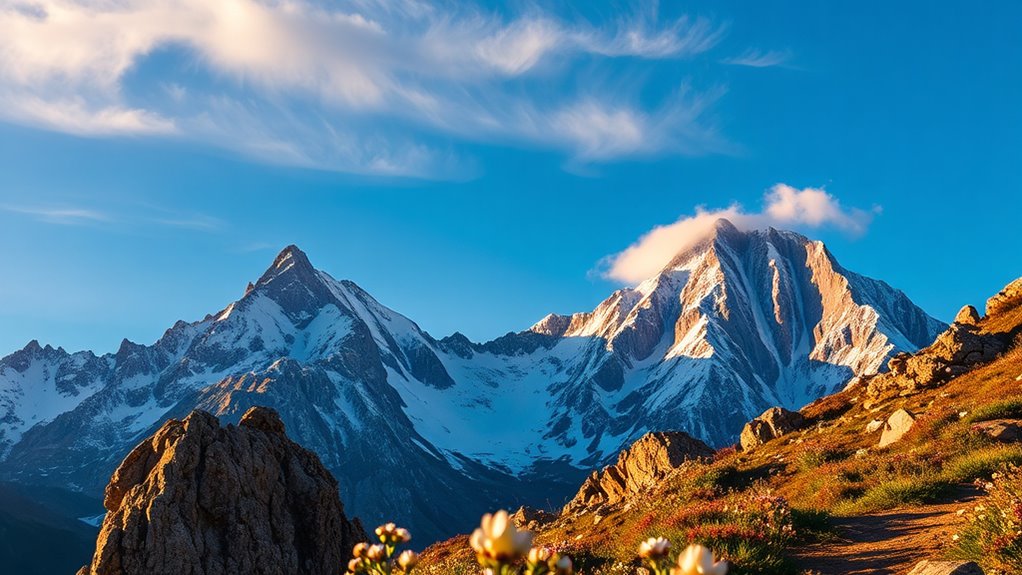
For mountain photography in 2027, focus on camera settings that bring out the natural beauty of rugged landscapes. Setting your aperture between f/8 and f/16 helps capture sharp details from the foreground all the way up to the mountain peaks. This range balances depth of field and clarity, making your shots look crisp and professional.
When it comes to shutter speed, aim for 1/125s or faster to avoid any blur caused by movement or wind. Keep your ISO low to maintain image quality, increasing it only when the light demands it. Also, consider underexposing by 1–2 stops to protect highlights, especially in bright or snowy conditions.
Shooting in RAW format is a must because it maximizes your camera’s dynamic range, allowing for better editing flexibility later. Remember, lighting and weather can change quickly in the mountains, so adjust your settings on the fly. With these tips, you’ll be ready to capture stunning mountain photos every time.
| Image | Name | Editor's Rating | Price |
|---|---|---|---|

|
|
||

|
|
||

|
|
||
|
|
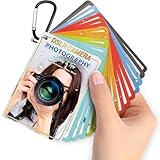
Photography Cheat Sheet for DSLR Camera Accessories
- Comprehensive Guide for Nikon, Canon, and Sony DSLRs:This 30-page photography guide is specifically designed for DSLR...
- Easy-to-Use Reference for Every Shooting Situation:Covering exposure, shooting modes, composition, and lighting, this...
- Compact and Portable Design – Ideal for On-the-Go Use:Measuring just 4×3 inches, this durable cheat sheet fits...
Capture stunning mountain scenes with confidence using the OCQOTAT Photography Cheat Sheet. This handy tool is designed to help both beginners and seasoned DSLR photographers quickly master essential camera settings. It breaks down complex concepts like exposure, manual modes, and composition into easy-to-understand references.
Its compact 4×3-inch size lets you carry it effortlessly on your camera bag with the included metal carabiner. This means you have quick access to crucial tips during shoots without fumbling through bulky manuals. The color-coded, double-sided sheets make finding information fast and straightforward, even in challenging outdoor conditions.
Maintenance is simple—just keep it clipped to your gear and wipe clean with a soft cloth if it gets dusty or smudged. While the cheat sheet is tailored for Canon, Nikon, and Sony DSLR cameras, it may not cover mirrorless models or highly specialized techniques. Still, it offers a practical, portable solution to improve your photography in the field.
Best for: DSLR photographers using Canon, Nikon, or Sony cameras who want an easy-to-carry, quick reference guide to enhance manual shooting skills.
What We Like:
- Compact, durable design with metal carabiner for easy attachment
- Clear, color-coded cheat sheets for quick concept review
- Covers exposure, shooting modes, lighting, and composition
- Portable size ideal for outdoor and travel photography
Specification:
| Feature | Details |
|---|---|
| Manufacturer | OCQOTAT |
| Dimensions | 4 × 3 inches (10.2 × 7.6 cm) |
| Weight | Lightweight (approx. 30g) |
| Material | Laminated cardstock |
| Color Options | Color-coded double-sided sheets |
DSLR/Mirrorless Photography Cheat Sheets Credit Card Size
- 📷 QUICK PHOTOGRAPHY REFERENCE CARDS - Printed on PVC plastic making them waterproof and durable.
- 📷 EASY TO UNDERSTAND – Quick, easy reference for aperture, shutter speed, ISO, white balance, ND filters, and flash...
- 📷 BEGINNING, INTERMEDIATE & ADVANCED PHOTOGRAPHERS – these cheat sheets are appropriate for all levels of...
Capture stunning mountain photos effortlessly with this DSLR and mirrorless photography cheat sheet. Designed to fit in your wallet or camera bag, it offers quick access to essential camera settings without fumbling through manuals. Its compact, credit card size makes it easy to carry on any outdoor adventure.
Crafted from durable, waterproof PVC, this cheat sheet stands up to rugged hikes and unpredictable weather. It helps you adjust aperture, shutter speed, ISO, and white balance on the fly, so you can focus on the perfect shot. The clear layout simplifies complex concepts like ND filter calculations and manual mode tips.
This compact guide works universally with Nikon, Canon, Sony, and film cameras, making it a handy tool for photographers of all skill levels. While it doesn’t replace detailed manuals, it’s perfect for quick reference and improving your efficiency in the field.
To keep it clean, simply wipe it with a damp cloth after use. Its sturdy design ensures long-lasting usability without wear or fading.
Best for: Photographers at all levels needing a portable, waterproof quick-reference for outdoor and mountain photography settings.
What We Like:
- Compact credit card size fits easily in wallets and bags
- Waterproof, rugged PVC material for outdoor durability
- Covers essential settings including aperture, ISO, shutter speed, and white balance
- Universal compatibility with major camera brands
- Clear, concise layout for quick understanding
Specification:
| Feature | Description |
|---|---|
| Manufacturer | Not specified |
| Dimensions | Credit card size (~3.4 x 2.1 in) |
| Weight | Lightweight |
| Material | Waterproof PVC |
| Color Options | Single standard color |
DSLR Cheat Sheet Cards for Canon, Nikon, Sony
- QUICK REFERENCE CARDS - These cheat sheets include 20 pages of helpful photography tips, printed on 11 double-sided...
- POCKET-SIZED GUIDE - At 3x4 inches, they are easy to fit in your pocket and clip to your purse or camera bag for...
- DURABLE PLASTIC - Professionally printed on glossy plastic to withstand years of use! They're rip-proof, weather-proof...
DSLR Cheat Sheet Cards for Canon, Nikon, and Sony offer quick and reliable guidance for photographers tackling outdoor shoots. These compact, double-sided cards make it easy to refresh your knowledge on essential camera settings without fumbling through manuals. Designed for on-the-go use, they help you confidently adjust exposure, aperture, shutter speed, and ISO to capture your best mountain shots.
Crafted from weather-proof, glossy plastic, these cards withstand rain, dirt, and tearing, making them perfect for rugged conditions. Their pocket size and included carabiner mean you can keep them handy on any adventure. This durability ensures the cards remain a trusted reference, no matter how tough the environment.
Ideal for beginners and those transitioning beyond auto mode, the cards break down key photography concepts into clear, concise tips. They act as a portable photography class, offering practical advice that improves your DSLR skills without overwhelming you with technical jargon.
While these cards focus on basic to intermediate tips, they cover the most critical settings for Canon, Nikon, and Sony cameras. Keep in mind, they may not address every advanced feature or other camera brands. Still, their simple design and robust build make them an invaluable tool for outdoor photography learning and practice.
Best for: Photography beginners and enthusiasts needing a durable, easy-to-use reference for DSLR settings during outdoor shoots.
What We Like:
- Weather-proof and rip-proof for durability in rugged conditions
- Compact, pocket-sized with a carabiner for easy access
- Clear, concise tips tailored for Canon, Nikon, and Sony DSLR users
- Covers key photography settings to boost confidence beyond auto mode
Specification:
| Feature | Details |
|---|---|
| Manufacturer | Not specified |
| Dimensions | Pocket-sized (approx. credit card size) |
| Weight | Lightweight |
| Material | Glossy, weather-proof plastic |
| Color Options | Not specified |
Photography Cheat Sheet Book for Beginner – 4×3 inch Pocket Size for Travel
- Quick reference cards for Sony Canon Nikon Leica Fuji Ricoh digital SLR camera settings: This 30-page photography guide...
- An easy-to-use photography books:covering exposure, aperture settings, shooting modes, histogram interpretation...
- PORTABLE TRAVEL DESIGN: Featuring a 4x3 inch pocket size with a sturdy metal clip and camera lanyard, these photographer...
Master mountain photography effortlessly with the Photography Cheat Sheet Book for Beginner, a compact guide designed to fit right in your pocket. This 4×3 inch book offers quick, accessible reference tables that help you adjust settings without interrupting your workflow. It simplifies exposure, aperture, shooting modes, and composition, making it easier to capture stunning mountain scenes on the go.
The double-sided color cards provide instant access to essential camera functions, reducing the need to flip through bulky manuals. Its lightweight and durable design, complete with a metal clip and lanyard, ensures you can attach it securely to your bag or gear. This makes it a practical and reliable travel companion during outdoor adventures.
Maintenance is simple—just keep it dry and clean to preserve the vibrant colors and sturdy build. Whether you use Sony, Canon, Nikon, or other camera brands, this guide adapts to your needs by focusing on universal photography settings.
While it targets beginners and offers limited depth for advanced users, its portability and clarity make it ideal for quick learning and reference in the field. Elevate your mountain photography skills with this handy, easy-to-use cheat sheet.
Best for: Beginner digital SLR photographers seeking a portable, easy-to-use reference guide for improving mountain and travel photography skills on the go.
What We Like:
- Compact 4×3 inch size fits easily in pockets or bags
- Double-sided color cards provide fast access to key camera settings
- Durable design with metal clip and lanyard for secure attachment
- Clear tables simplify complex photography concepts for beginners
Specification:
| Feature | Details |
|---|---|
| Manufacturer | Not specified |
| Dimensions | 4 x 3 inches |
| Weight | Lightweight |
| Material | Durable cardstock |
| Color Options | Full color double-sided cards |
Factors to Consider When Choosing Camera Settings for Mountain Photography
When choosing camera settings for mountain photography, you need to take into account lighting conditions and how weather affects visibility. Think about your desired depth of field and whether you need to capture a wide dynamic range.
Also, keep your lens and focal length in mind to frame the scene perfectly. It really helps to visualize the shot before you start clicking. That way, you get the best composition and the right settings for the moment.
Lighting Conditions Impact
Because lighting conditions in mountain environments vary dramatically, adjusting your camera settings is essential to capture the scene accurately. At high altitudes, sunlight is stronger and bluer, so reduce exposure by about one-third to one stop to avoid blown highlights.
During golden hours—early morning and late afternoon—use a low ISO (100–200) and narrower apertures (f/8–f/16) to emphasize texture and depth. Overcast or snowy days diffuse light, lowering contrast; boost exposure by +1/3 to +1 stop and open your aperture or slow your shutter to maintain brightness.
When facing mixed lighting with harsh shadows and sun patches, bracket exposures or use graduated neutral density filters, prioritizing highlight detail. If clouds shift quickly, pick faster shutter speeds (1/250s+) to freeze light changes or longer exposures to capture mood, adjusting ISO as needed.
Weather and Visibility
Although mountain weather can change rapidly, understanding how visibility affects your camera settings helps you adapt quickly and capture stunning images.
In bright, clear conditions, stop down to f/8–f/16 for sharpness, keep ISO low at 100–200, and use shutter speeds around 1/125s or faster to avoid shake.
When fog or mist lowers visibility, open your aperture to f/4–f/5.6, raise ISO moderately to 400–800, and slow shutter speeds to 1/30s or slower—using a tripod to maintain detail.
Rapid weather shifts call for faster shutter speeds (1/500s–1/2000s) and flexible ISO to freeze changing light.
In snowy scenes, increase exposure compensation by +1 to +2 EV to prevent underexposed highlights, keeping ISO low and shutter speeds fast.
For haze, use smaller apertures (f/11–f/16) and boost contrast later in RAW processing.
It might seem like a lot to juggle, but once you get the hang of how visibility impacts your settings, adjusting on the fly becomes second nature.
Depth of Field Choice
Choosing the right depth of field plays a pivotal role in capturing mountain landscapes that truly stand out. For vast scenes, use a small aperture like f/8 to f/16 to keep everything sharp from foreground to distant peaks.
However, to avoid diffraction on high-megapixel sensors, don’t stop down beyond f/16. Instead, try f/8 or f/11 and focus about one-third into the scene using the hyperfocal technique.
If you want to isolate a subject—a flower or rock—choose a wider aperture such as f/2.8 to f/5.6 for a shallow depth of field and strong background blur.
Dynamic Range Needs
Mastering depth of field sets the stage, but capturing the full tonal range of mountain scenes requires careful attention to dynamic range. Mountain landscapes often present over 10 stops of contrast—from bright snow and sunlit peaks to deep shadows in valleys.
To preserve highlight and shadow details, underexpose by 1–2 stops from your camera’s meter reading and shoot in RAW with at least 12–14 bits per channel. Use exposure bracketing with ±1–2 EV steps across 3–5 frames to blend HDR images when the scene exceeds your sensor’s native dynamic range.
Consider graduated neutral density filters or selective fill lighting to manage bright skies. Always check your histogram on-site; avoid clipped highlights and keep essential shadow detail above the left edge to retain recoverable image data.
Lens and Focal Length
When you frame mountain scenes, selecting the right lens and focal length shapes how you convey scale and detail. Use wide-angle lenses (14–35mm) to capture vast alpine vistas, emphasizing depth from foreground to peak.
If you want to isolate distant peaks and highlight layered ridgelines, reach for telephoto lenses (70–300mm+). They’re perfect for minimalist compositions.
Mid-range focal lengths (35–70mm) offer a natural look, balancing foreground interest with mountain massifs without distortion. Remember to stop down to f/8–f/16 on wide to mid lenses for sharpness across the scene.
Also, consider a tripod if shutter speeds drop. Keep in mind that telephoto lenses magnify haze and lower contrast, so shoot during golden hours or use a polarizer to enhance clarity and color.
Stability and Shutter Speed
Keep your shots sharp by minding stability and shutter speed, especially on uneven mountain terrain or when using long lenses. Use a shutter speed of at least 1/250s when handholding lenses longer than 200mm or shooting on unstable footing to reduce camera shake.
Follow the reciprocal rule—set shutter speed to at least 1 divided by the focal length. And if it’s windy or you’re using telephoto lenses, bump it up by 1–2 stops to be safe.
For long exposures like smoothing waterfalls or clouds, mount your camera on a sturdy tripod. Use shutter speeds ranging from 1/2 second to several seconds.
To prevent vibrations during slow shutter speeds, try mirror lock-up, electronic front-curtain shutter, or a remote release. These tricks really help keep things sharp.
If you’re shooting handheld in low light, boost your ISO to keep shutter speeds above 1/125s. It’s all about balancing sharpness with acceptable noise.
Frequently Asked Questions
How Do Weather Changes Affect Mountain Photography Settings?
You’ll need to adjust your ISO, aperture, and shutter speed as weather shifts. Cloudy skies call for higher ISO, while bright sun means lower ISO and faster shutter.
Changing light demands quick setting tweaks. It’s all about staying flexible to capture the best shot no matter what the weather throws your way.
What Time of Day Is Best for Mountain Photography?
You’ll want to shoot during the golden hours—shortly after sunrise and just before sunset. These times offer soft, warm light that enhances textures and colors, making your mountain photos truly stunning and dramatic.
Honestly, the light during these times just feels magical. It’s not too harsh and gives everything a nice glow. Perfect for capturing those breathtaking mountain scenes!
How to Protect Camera Gear in Cold Mountain Conditions?
You’ll protect your gear by insulating it, keeping it dry, and avoiding rapid temperature changes. Use padded bags, silica gel packs, and hand warmers.
Keep batteries warm, switch them often, and never leave your camera exposed to snow or frost. These simple steps really help your equipment last longer in cold mountain conditions.
What Are the Best Lenses for Capturing Mountain Landscapes?
You’ll want a wide-angle lens like a 16-35mm for expansive views and a telephoto lens around 70-200mm to capture distant peaks.
These let you frame dramatic landscapes with sharpness and detail effortlessly.
Trust me, having both gives you the flexibility to get those stunning shots no matter what the terrain throws at you.
How to Compose Shots for Dramatic Mountain Photos?
Think of composing mountain shots like telling a story; you want to lead your viewer’s eye. Use foreground elements, the rule of thirds, and dramatic lighting to create depth and emotion.
It’s just like how a gripping novel hooks readers. You want your photo to draw people in and keep them captivated.
Conclusion
You might think mountain photography requires complicated gear or expert skills, but with the right camera settings, you can capture stunning peaks effortlessly. Imagine standing on a crisp trail, your DSLR perfectly tuned to highlight every rugged edge and vibrant sky.
By using these simple, effective settings, you’ll bring those breathtaking mountain views to life in your photos—no stress, just pure adventure ready to share. Give it a try; the mountains are waiting!
With the best camera settings for mountain photography, you don’t need to be a pro to get amazing shots. Just adjust your aperture, shutter speed, and ISO thoughtfully, and watch your images come alive with sharpness and color. Remember, mountain photography in 2027 is about capturing the essence of nature’s grandeur with ease and creativity. So grab your camera and start exploring—the perfect mountain photo is just a click away!