3 Best Cameras for Nature Pictures in 2027 (Capture Every Detail)
For capturing every nature detail in 2027, you’ll want a camera that combines powerful zoom, sharp image quality, and reliable stabilization. The Nikon COOLPIX P1100 is a fantastic choice with its massive 125x zoom and specialized bird-watching mode. It’s perfect for those who want to get close to wildlife without disturbing them.
Then there’s the KODAK PIXPRO AZ425, which offers vibrant 20MP shots and a 42x zoom with stabilization to keep your photos crisp. This camera strikes a nice balance between ease of use and impressive features.
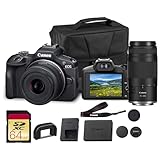
If you prefer mirrorless cameras, the Canon EOS R100 mirrorless bundle delivers sharp 24.2MP images and versatile lenses for everything from wide-angle landscapes to telephoto shots.
Each of these models balances zoom, sensor quality, and stabilization perfectly. Keep exploring to find the best fit for your outdoor adventures.
| Image | Name | Editor's Rating | Price |
|---|---|---|---|

|
|
||
|
|
Nikon COOLPIX P1100 Superzoom Digital Camera Black
No products found.
Capture the beauty of wildlife with the Nikon COOLPIX P1100 Superzoom. This camera solves the challenge of photographing distant subjects by offering an impressive 125x optical zoom, extendable to 250x with Dynamic Fine Zoom. You get closer to the action without disturbing nature.
Its 16 MP CMOS sensor delivers sharp images, while Dual Detect Optical VR reduces blur caused by hand shake. The 3.2-inch rotating LCD and electronic viewfinder allow flexible framing from various angles, making it easier to capture perfect shots in the field.
Designed with bird watchers and nature photographers in mind, this camera includes a dedicated bird-watching mode and hybrid autofocus for quick, precise focus. It supports 4K video recording to document wildlife with clarity and detail, though video length is limited to 30 minutes per clip.
Despite its powerful zoom and features, the P1100 weighs 3.1 pounds, balancing reach with portability. Regular cleaning of the lens and sensor will help maintain image quality and extend the camera’s lifespan.
Best for: Wildlife and nature photographers needing extreme zoom and versatile shooting options in a portable design.
What We Like:
- Powerful 125x optical zoom with extended Dynamic Fine Zoom for distant detail
- Sharp images thanks to 16 MP CMOS sensor and Dual Detect Optical VR
- Flexible shooting with 3.2-inch rotating LCD, electronic viewfinder, and 4K video
- Dedicated bird-watching mode and hybrid autofocus improve capture speed and accuracy
Specification:
| Feature | Details |
|---|---|
| Manufacturer | Nikon |
| Dimensions | Not Specified |
| Weight | 3.1 lb (approx. 1.4 kg) |
| Sensor | 16 MP CMOS |
| Zoom | 125x optical, up to 250x Dynamic Fine Zoom |
| Display | 3.2-inch rotating LCD |
| Video Resolution | 4K |
| Color Options | Black |
KODAK PIXPRO AZ425 20MP Digital Camera, 42x Optical Zoom, OIS, Black
- 42x Optical Zoom Camera: Reach subjects other cameras cannot with a 24mm wide angle lens covering wide group shots to...
- 20MP BSI CMOS Sensor: Get richer color and finer detail in difficult light; backside-illuminated design gathers light...
- Optical Image Stabilization: Shoot handheld at full 42x without blur; built-in OIS compensates for hand movement, the...

Discover the freedom to capture stunning wildlife and landscapes from a distance with the KODAK PIXPRO AZ425, designed for clarity and ease. Its powerful 42x optical zoom combined with a 24mm wide-angle lens allows you to frame your shots perfectly without disturbing your subjects. This means you can enjoy nature photography and expansive scenes with sharp, detailed results.
Equipped with a 20.68MP BSI CMOS sensor, the camera excels in delivering vibrant colors and fine details, even in low-light conditions. The built-in optical image stabilization ensures your photos remain steady, especially when zoomed in, reducing blur caused by hand movement. This feature is crucial for maintaining image quality during handheld shooting.
The camera’s fast 7 fps continuous shooting mode paired with reliable autofocus helps capture fast-moving subjects smoothly. Its 3-inch LCD screen provides clear framing and playback, while Full HD video recording adds versatility for those who want to create crisp videos. Lightweight and user-friendly, this camera is easy to carry and operate in outdoor settings.
Maintenance is straightforward; regular battery charging and lens care keep the camera ready for your adventures. While battery life allows about 240 shots per charge and the LCD resolution is moderate, these are manageable with simple adjustments during longer shoots. The lack of 4K video and electronic stabilization is a trade-off for its compact design.
Best for: Nature enthusiasts and beginner to enthusiast photographers seeking a lightweight bridge camera with strong zoom and image stabilization for capturing wildlife and landscapes.
What We Like:
- Robust 42x optical zoom with wide-angle lens for versatile shooting.
- High-resolution 20.68MP sensor ensures detailed, colorful images.
- Effective optical image stabilization for sharp handheld photos.
- Fast continuous shooting and reliable autofocus for action shots.
- Lightweight, beginner-friendly design ideal for outdoor use.
Specification:
| Feature | Details |
|---|---|
| Manufacturer | KODAK |
| Dimensions | Approx. 4.7 x 3.2 x 3.1 in (12 x 8.1 x 7.9 cm) |
| Weight | Approx. 0.5 lb (230 g) |
| Sensor | 20.68MP BSI CMOS |
| Zoom | 42x Optical Zoom |
| Lens | 24mm Wide-Angle |
| Display | 3-inch LCD, 460,000 dots |
| Video | Full HD 1080p |
| Stabilization | Optical Image Stabilization |
Canon EOS R100 Mirrorless Camera with 18-45mm & 75-300mm Double Lens Bundle
- Capture every perspective with the Canon EOS R100 mirrorless camera kit, featuring two versatile lenses — the RF-S...
- High-Resolution Imaging with APS-C Sensor - Equipped with a 24.2MP APS-C CMOS sensor and DIGIC 8 image processor, the...
- Canon’s renowned Dual Pixel CMOS AF ensures accurate and responsive focusing across the frame, perfect for moving...
Capture every moment with the Canon EOS R100 Mirrorless Camera, designed to bring your photography dreams to life. Its dual lens kit, featuring 18-45mm and 75-300mm lenses, lets you easily transition from sweeping landscapes to detailed wildlife shots without changing gear. This flexibility simplifies your creative process and enhances your ability to tell stories through images.
Equipped with a 24.2MP APS-C sensor and DIGIC 8 processor, it produces sharp, vibrant photos that stand out. The Dual Pixel CMOS AF system ensures quick and precise focusing, reducing missed shots in dynamic scenes. Video enthusiasts will appreciate the capability to shoot in stunning 4K, opening new possibilities for capturing memories.
This camera is straightforward to maintain, with included essentials like a 64GB card and a battery charger, so you can keep shooting without interruption. Its lightweight, compact design makes it an excellent companion for travel and outdoor adventures. While the kit lacks a built-in flash and has a modest rear LCD resolution, its overall versatility makes it a practical choice for beginners.
Best for: Beginner photographers and content creators seeking an affordable, versatile mirrorless camera bundle for travel, nature, and everyday photography.
What We Like:
- Two versatile lenses cover wide-angle and telephoto needs for diverse shooting conditions
- High-resolution sensor with fast autofocus enhances image clarity and focus speed
- 4K video support expands creative possibilities beyond still photography
- Comes with essential accessories for immediate use and easy maintenance
Specification:
| Feature | Details |
|---|---|
| Manufacturer | Canon |
| Dimensions | Compact mirrorless body (approx.) |
| Weight | Lightweight design (approx.) |
| Sensor | 24.2MP APS-C CMOS |
| Lenses Included | 18-45mm f/4.5-6.3 & 75-300mm f/4-5.6 |
| Video Resolution | 4K UHD |
| Memory Card | 64GB included |
| Display Resolution | 720 x 480 pixels |
Factors to Consider When Choosing a Camera for Nature Pictures
When choosing a camera for nature pictures, you’ll want to focus on key features like sensor size and zoom range. These help you capture sharp, detailed shots from a distance.
Also, pay attention to image stabilization and autofocus speed. These are crucial for keeping your photos clear and in focus, especially when shooting moving subjects.
And don’t forget about weather sealing. It’s essential for protecting your gear during outdoor adventures in unpredictable conditions.
Sensor Size Importance
Understanding sensor size plays a crucial role in choosing the right camera for nature photography. Larger sensors like APS-C or full-frame capture more light, giving you better image quality, less noise, and greater dynamic range than smaller sensors.
This advantage helps especially in low-light conditions at dawn or dusk. Bigger sensors also let you achieve a shallow depth of field, isolating your subject effectively, while smaller sensors produce deeper depth of field at the same aperture.
Keep in mind, sensor size affects your lens’s field of view—a smaller sensor crops the image, narrowing your angle. This can help with distant wildlife but limits wide landscapes.
Zoom Range Benefits
Although sensor size is essential, zoom range plays an equally important role in nature photography by letting you capture distant wildlife without disturbing them. A longer optical zoom reaching several hundred to a few thousand millimeters helps you preserve natural behavior and stay safe.
However, as zoom lengthens, atmospheric distortion and camera shake can blur your shots. So, you’ll want faster shutter speeds and reliable optical image stabilization to keep your images sharp.
Extremely long focal lengths narrow your angle of view and depth of field, making focus accuracy tougher. It’s a good idea to check your camera’s focus performance and aperture for this.
Also, choose a zoom range that includes wide to mid focal lengths. This way, you can capture both landscapes and distant subjects without swapping lenses.
And remember, avoid digital zoom since it reduces resolution. Instead, opt for true optical zoom or cropping from a high-res sensor—it’ll give you better quality shots.
Image Stabilization Types
Picking the right image stabilization can make or break your nature shots, especially when you’re handholding your camera in challenging conditions.
Optical stabilization moves lens elements to counteract shake, offering 2–5 stops of benefit—ideal for long lenses and low-light shots.
In-body image stabilization (IBIS) shifts the sensor across multiple axes, providing 4–6 stops and working with any lens. It’s perfect for handheld macro or telephoto photography.
You can combine both for even better results, especially at extreme telephoto ranges or slow shutter speeds.
Electronic stabilization digitally crops or warps images, reducing blur but sacrificing resolution and field-of-view. So, it’s less ideal when capturing fine wildlife or landscape details.
Autofocus Speed Accuracy
You’ll often find that a camera’s autofocus speed and accuracy make all the difference when capturing quick, elusive wildlife. You want a system with 100+ phase-detect AF points to lock onto fast, small animals anywhere in the frame.
Hybrid AF is ideal, blending phase-detect speed with contrast-detect precision to reduce focus hunting in dense foliage or low-contrast scenes. Continuous AF tracking (AF-C) with subject recognition helps keep erratic movers sharp, while high frame-rate metering guarantees smooth focus updates.
Don’t overlook low-light AF sensitivity—it lets you focus reliably at dawn, dusk, or under canopy shade. Finally, low latency and a fast AF buffer matter, especially at extreme zooms where tiny focus errors become visible.
Prioritize these autofocus features to nail every nature shot with confidence. It really makes a huge difference when you’re out in the field.
Weather Sealing Necessity
Fast and accurate autofocus helps you capture fleeting wildlife moments, but your camera also needs to withstand the elements while you’re out in nature. Weather sealing—dust and moisture resistance—reduces damage risk to your sensor, shutter, and electronics in rain, mist, snow, or dusty trails, boosting reliability.
Sealed bodies and lenses use rubber gaskets, reinforced covers, and sealed buttons to prevent water and particle entry. However, weather sealing isn’t waterproof, and performance declines with wear, so rain covers or waterproof housings remain wise for prolonged exposure.
Temperature changes and humidity can affect seals, so carry silica gel and let your gear acclimate to avoid condensation. Since weather sealing adds cost and weight, weigh your shooting conditions against budget and portability before deciding if it’s necessary.
Battery Life Considerations
Although cold weather can make your camera struggle, managing battery life effectively guarantees you won’t miss essential nature shots. Cold temps can slash battery capacity by 20–50%, so keep spare batteries insulated and close to your body.
Mirrorless cameras and 4K video drain batteries faster than DSLRs, especially when using EVF, image stabilization, or continuous autofocus. Disable wireless features and stabilization if you don’t need them to save power.
Always bring multiple fully charged spares and a portable charger if you’ll be off-grid for hours or days. Estimate your battery needs by considering your shooting style—RAW+JPEG shots and video hours require at least 2–3 times your usual daily battery supply.
Planning ahead secures you capture every moment without power interruptions. It’s all about being prepared so you don’t miss that perfect shot!
Portability and Weight
When heading out on long nature hikes, choosing a camera that keeps your load light can make all the difference. Aim for a total system weight under 2–3 pounds, including lens, batteries, and tripod. This helps reduce fatigue and lets you shoot longer without taking frequent breaks.
Don’t just think about the camera body; heavy telephoto lenses and spare batteries can quickly add pounds. Compact mirrorless and bridge cameras often strike the best balance. They offer good image quality with less bulk than DSLR setups.
If you need quick access and mobility—like when birding—pick gear that combines a lightweight design with an ergonomic grip and fast lens changes. Also, make sure your equipment fits comfortably in your usual bag or harness and matches your typical carry distance. That way, you won’t be forced to leave essentials behind.
Frequently Asked Questions
How Do Weather Conditions Affect Camera Performance in Nature Photography?
Weather conditions impact your camera’s performance by affecting exposure, focus, and sensor sensitivity. Moisture can damage equipment, fog reduces clarity, and harsh sunlight causes glare.
You’ll need weather-sealed gear and adjust settings accordingly to capture sharp images. It’s all about being prepared and knowing how to tweak your camera based on what Mother Nature throws at you.
What Accessories Enhance Nature Photography With These Cameras?
Imagine hiking with a tripod—it’s a game-changer for stability and sharp shots. You’ll want filters, extra batteries, and waterproof cases too.
These accessories let you capture crisp, vivid nature photos no matter the conditions. They really make a difference when you’re out there in the wild.
How Important Is Sensor Size for Capturing Wildlife Details?
Sensor size’s essential for capturing wildlife details because larger sensors gather more light, improving image quality and detail.
You’ll get better low-light performance and sharper photos, making your nature shots truly stand out in every setting. It really makes a difference when you’re trying to catch those fine textures and subtle colors in the wild.
Can These Cameras Shoot in RAW Format for Better Editing?
Imagine painting a masterpiece—you need raw colors.
Yes, these cameras shoot in RAW format, letting you tweak every detail like a pro.
You won’t miss a single nuance when editing your nature shots later.
What Are the Best Settings for Low-Light Nature Photography?
You should use a wide aperture, high ISO, and slower shutter speed to capture more light. Don’t forget to stabilize your camera with a tripod and shoot in RAW for better editing flexibility later on.
It really helps to keep your gear steady, especially when the light is low. Shooting in RAW means you’ll have more room to tweak your photos afterward, which is a lifesaver in tricky lighting.
Conclusion
Choosing the perfect camera for nature photos isn’t just about specs—it’s about capturing moments that take your breath away. Whether you lean toward Nikon’s powerful zoom, Kodak’s steady shots, or Canon’s versatile lenses, each option lets you see the wild world in stunning detail.
Remember, the best camera is the one that feels like an extension of your eye, ready whenever inspiration calls. So, which adventure will you capture first?
When it comes to the best cameras for nature pictures, think about what suits your style and needs. The right gear can truly elevate your outdoor photography experience, helping you capture every detail—from sweeping landscapes to tiny wildlife moments. So grab your camera, step outside, and start creating breathtaking nature photos that tell your unique story.