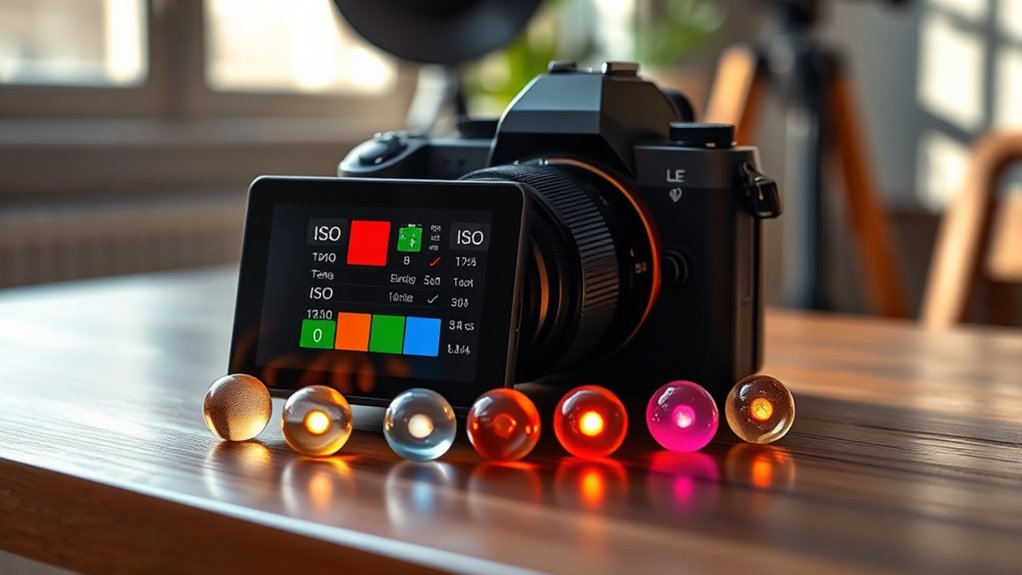
5 Best ISO Settings for Cameras in 2027
To capture sharp, vibrant shots in 2027, understanding the best ISO settings for cameras is key.
Starting with ISO 100-200 in bright daylight helps keep grain low and images crisp. These settings are perfect when you want clean, clear photos without much noise.
When you’re dealing with mixed lighting or need a bit more flexibility, try ISO 400. It balances clarity and brightness nicely, so your shots still look sharp.
For those low light or indoor scenes, bumping up to ISO 800 or higher can be a lifesaver—but just watch out for noise.
Choosing the right ISO really depends on your lighting conditions and how much motion is in the shot.
Keep experimenting to find what works best for your style and the cameras or films you love to use!
| Image | Name | Editor's Rating | Price |
|---|---|---|---|

|
|
||
|
|
||

|
|
||
|
|
||

|
|
Kodak Ultramax 400 35mm Film – 3 Pack
- AUTHENTIC KODAK ULTRAMAX 400 – 3 rolls of genuine Kodak Ultramax 400 color negative film, 36 exposures per roll for a...
- VERSATILE 400-SPEED FILM – Performs beautifully in bright daylight, overcast skies, mixed light, indoor with flash...
- WORKS WITH ANY 35MM CAMERA – DX-coded 135-36 format compatible with all 35mm film cameras including Kodak Ektar H...
Capture life’s vibrant moments with the Kodak Ultramax 400 35mm Film – 3 Pack. This versatile ISO 400 film adapts effortlessly to different lighting, delivering sharp images with rich, true-to-life colors. Whether you’re shooting bright daylight or dim indoor scenes, this film ensures your photos come out vivid and detailed.
Designed for all 35mm cameras, it offers 108 exposures, giving you plenty of room to document travel adventures, portraits, or everyday life. The fine grain quality helps maintain clarity and color accuracy, solving common issues of graininess in varied lighting conditions.
Maintaining your camera is simple with the included premium microfiber cloth. It helps keep lenses and gear clean, ensuring optimal performance and longevity. This pack supports standard C-41 processing, making development accessible for both beginners and seasoned photographers.
While ideal for many situations, keep in mind that ISO 400 may require additional lighting support in very low-light environments. Also, it is specifically designed for 35mm cameras, not suitable for medium or large formats.
Best for: Photographers seeking a reliable, high-quality ISO 400 film for vivid, sharp images in diverse lighting with 35mm cameras.
What We Like:
- Produces 108 exposures with fine grain and accurate colors
- Compatible with all 35mm cameras and standard C-41 processing
- Includes a premium microfiber cloth for easy gear maintenance
Specification:
| Feature | Details |
|---|---|
| Manufacturer | Kodak |
| Film Type | 35mm Color Negative Film |
| ISO Speed | 400 |
| Number of Rolls | 3 |
| Exposures per Roll | 36 |
| Processing | C-41 Standard |
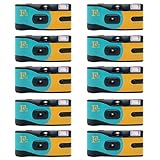
Foto Film Disposable Camera ISO 400, 10 Pack
- EASY TO USE : FotoFilm Pro single-use camera comes with preloaded ISO 400 film with 27 exposures
- SMALL AND PORTABLE : Our thinnest disposable camera yet, allowing you to slot the camera with ease in your pocket...
- BULK PACK : Perfect for your wedding, birthday or special event!
Capture memories effortlessly with the Foto Film Disposable Camera ISO 400, 10 Pack. This camera bundle is designed for simplicity, letting you focus on the moment without worrying about settings or film loading. Its preloaded ISO 400 35mm film delivers consistent quality for up to 27 shots per camera.
The slim and lightweight design fits comfortably in your pocket, making it ideal for spontaneous photography. The built-in flash automatically recharges, ensuring clear images in both low-light and daylight conditions. Its wide-angle lens helps capture more of the scene, which is perfect for group photos or landscapes.
Maintenance is minimal since the camera is disposable. Just handle with care to avoid moisture damage, as it is not water-resistant. Once the film is used, simply replace the camera with a new one from the pack, providing a hassle-free photography experience.
This 10-pack is a practical choice for events where convenience and bulk value matter. It eliminates the need for complicated camera gear, making photography accessible for casual users.
Best for: Casual photographers and event attendees wanting a simple, portable disposable camera with bulk convenience.
What We Like:
- Preloaded ISO 400 film offering 27 exposures per camera for ease of use.
- Auto-recharging built-in flash suitable for various lighting scenarios.
- Slim, pocket-friendly design with a wide-angle lens for capturing broad scenes.
- Disposable format removes the need for film loading or camera maintenance.
Specification:
| Feature | Details |
|---|---|
| Manufacturer | Foto Film |
| Film Type | 35mm ISO 400 |
| Exposures per Unit | 27 shots |
| Camera Type | Disposable |
| Pack Size | 10 cameras |
| Dimensions | Compact, pocket-sized |
| Water Resistance | No |
Kodak Power Flash 35mm One-Time-Use Disposable Camera (ISO-800) (4 Pack)
- One touch flash with automatic recharge and a 4 to 14.5 feet flash range. Great for indoor and low light situations
- Delivers better pictures from a distance. Cuts out unwanted background & foreground
- Bright colors! Loaded with Kodak 800 speed, 27 exposure film for pictures with bright, vibrant colors
Capture your memories clearly, even in low light, with the Kodak Power Flash 35mm disposable camera. Its ISO-800 film is designed to perform well indoors and in dim environments, helping you get vibrant photos without hassle. The camera’s built-in flash automatically recharges and lights up scenes from 4 to 14.5 feet away, ensuring your pictures stay bright and sharp.
This disposable camera is compact and easy to hold, thanks to its no-slip grip. It fits comfortably in your hand, making it simple to carry on the go. Each camera offers 27 exposures, giving you plenty of opportunities to capture special moments before needing a replacement.
Maintenance is minimal, but the included microfiber cleaning cloth helps keep the lens clear for the best possible image quality. This 4-pack provides convenience and value, perfect for casual photographers who want straightforward, reliable results without complicated settings.
While the camera offers automatic exposure control for ease of use, it limits creative adjustments. As a one-time-use device, it generates waste and requires replacement after the film is used.
Best for: Casual photographers looking for a simple, dependable disposable camera for indoor and low-light shots.
What We Like:
- Built-in flash with effective range for clear low-light photos
- Comfortable no-slip grip for easy handling
- Comes with microfiber cloth and four cameras for convenience
- ISO-800 film optimized for indoor photography
Specification:
| Feature | Details |
|---|---|
| Manufacturer | Kodak |
| Film Type | 35mm ISO-800 |
| Exposures per Camera | 27 |
| Flash Range | 4 to 14.5 feet (1.2 to 4.4 m) |
| Cameras per Pack | 4 |
| Included Accessory | Microfiber cleaning cloth |
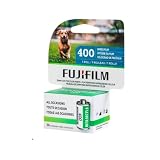
Fujifilm Fujicolor 400 35mm Color Film
- Key Features: ISO 400 speed – versatile performance in both bright and low light ISO 200 speed – best suited for...
- Why You’ll Love It 📸 Perfect for Everyday Use – Great for beginners, hobbyists, and anyone who loves shooting on...
Fujifilm Fujicolor 400 35mm Color Film brings your photography to life with vivid colors and fine grain. Its balanced ISO 400 speed adapts well to both bright daylight and dim indoor scenes. This flexibility allows you to capture sharp, detailed images without constantly changing film.
The film delivers true-to-life tones and excellent contrast, ensuring your photos have a classic look with natural warmth. It excels at reproducing skin tones realistically, making portraits and candid shots appear vibrant yet authentic. You’ll notice the rich color depth that enhances every frame.
Maintaining your lens is simple with the included PixiBytes microfiber cleaning cloth. This tool helps keep your equipment clear of dust and smudges, so each shot remains crisp and clear. The combination of quality film and proper lens care improves your overall shooting experience.
With 36 exposures per roll, this film suits casual shooting and creative projects. While the ISO 400 speed may introduce some grain in bright conditions, it offers versatility that supports various lighting environments. This makes it reliable for everyday use and travel photography.
Best for: Beginners, hobbyists, and film enthusiasts seeking a versatile 35mm color film that performs well in diverse lighting conditions.
What We Like:
- Adaptable ISO 400 speed for different light settings
- True-to-life color with fine grain and strong contrast
- Realistic and warm skin tone reproduction
- Includes PixiBytes microfiber cloth for lens cleaning
- Classic film aesthetic with sharp image quality
Specification:
| Feature | Details |
|---|---|
| Manufacturer | Fujifilm |
| Film Type | 35mm Color Film |
| ISO Speed | 400 |
| Exposures | 36 per roll |
| Included Accessory | PixiBytes microfiber cloth |
Fujifilm Fujicolor 200 ISO 35mm Film 3-Pack
- Key Features: ISO 200 speed – versatile performance in both bright and low light ISO 200 speed – best suited for...
- Why You’ll Love It 📸 Perfect for Everyday Use – Great for beginners, hobbyists, and anyone who loves shooting on...
Capture vibrant moments with the Fujifilm Fujicolor 200 ISO 35mm Film 3-Pack, designed to deliver vivid colors and sharp details in bright daylight or flash settings. This film enhances your images with natural, warm skin tones and balanced contrast, making your photos truly lifelike.
Each roll provides 36 exposures, ideal for portraits, landscapes, and street photography. The film’s fine grain structure ensures smooth, detailed images, giving your shots a classic film aesthetic without sacrificing clarity. Its versatility allows both beginners and professionals to work confidently across various lighting conditions.
Maintaining your gear is simple with the included PixiBytes microfiber cleaning cloth, helping you keep lenses clean and your shots clear. However, the ISO 200 rating means this film performs best with ample light and might require additional lighting for indoor or low-light environments.
This 3-pack format offers extended use, perfect for travel or longer photo sessions, while the color negative film requires proper processing to achieve the desired results.
Best for: Photographers seeking versatile, vivid color film for outdoor and flash photography, especially in portrait, landscape, and street scenes.
What We Like:
- Produces natural, warm skin tones with sharp detail
- Fine grain for smooth, classic film texture
- Includes microfiber cleaning cloth for easy maintenance
- Convenient 3-pack for extended shooting sessions
Specification:
| Feature | Details |
|---|---|
| Manufacturer | Fujifilm |
| Film Type | Color Negative 35mm |
| ISO Speed | 200 |
| Exposures per Roll | 36 |
| Pack Size | 3 Rolls |
| Cleaning Cloth | Included (PixiBytes microfiber) |
Factors to Consider When Choosing Iso for Camera
When choosing ISO for your camera, you need to contemplate the lighting conditions and how sensitive your camera sensor is. Think about the amount of grain you want in your image and whether you’re shooting motion or holding the camera steady.
Also, pay attention to the contrast levels in your scene to get the best results. It’s all about balancing these factors to capture the perfect shot. Don’t be afraid to experiment a little to see what works best for your situation.
Lighting Conditions Impact
Because lighting conditions vary greatly, adjusting your camera’s ISO is essential to capturing clear, well-exposed images. In bright daylight, you’ll want to use a low ISO like 100 or 200 to reduce noise and keep your photos sharp with fine details.
As light fades, increasing ISO to around 800 or higher helps you maintain faster shutter speeds, preventing motion blur in low-light settings. Just remember, higher ISO can introduce graininess, so strike a balance.
For mixed lighting scenarios, a moderate ISO of about 400 often works best, preserving color accuracy without too much noise. When shooting indoors or in dim environments, bumping ISO up to 1600 might be necessary, but be mindful of the potential noise that can affect image quality.
Camera Sensor Sensitivity
Understanding your camera sensor’s sensitivity is key to choosing the right ISO setting for any shooting situation. ISO measures how sensitive your sensor is to light, with higher values letting you shoot in darker conditions but increasing noise risk.
Standard ISO ranges from 100 to 6400, where lower numbers offer finer grain and higher ones suit low-light or fast action shots. Each time you double your ISO, your sensor’s sensitivity doubles, allowing faster shutter speeds or smaller apertures when light is limited.
Keep in mind, ISO works alongside aperture and shutter speed to control exposure. Selecting the right ISO means balancing light sensitivity with image clarity, helping you get the best results whether you’re shooting bright landscapes or dim indoor scenes.
Desired Image Grain
Although ISO settings primarily affect exposure, they also play an essential role in determining the grain structure of your images. Lower ISO values like 100 or 200 produce fine grain, delivering sharp, detailed photos ideal for landscapes and portraits in good lighting.
When you increase the ISO to 400 or above, you’ll notice more pronounced grain, which can add a vintage or artistic feel, especially in street or casual photography. However, higher ISO settings introduce coarser grain that may reduce image clarity.
You need to balance your desire for smoothness against your lighting conditions and creative goals. Experimenting with ISO helps you tailor the grain texture to fit your artistic intentions while maintaining the right exposure.
Motion and Stability
When you’re trying to capture sharp images of fast-moving subjects, choosing the right ISO setting plays a critical role. Higher ISO lets you use faster shutter speeds, freezing motion and reducing blur.
If you stick to low ISO, longer exposure times increase the chance of motion blur, especially if your subject or camera moves. In low-light conditions, boosting ISO compensates for limited light, allowing quicker shots without losing clarity.
However, don’t overlook the trade-off: higher ISO often adds noise, which can soften details and reduce sharpness. You need to find a balance between ISO, shutter speed, and aperture to manage motion and stability effectively.
Scene Contrast Levels
Since scene contrast levels directly influence how light interacts with your camera sensor, you should adjust your ISO accordingly to preserve detail. In bright, high-contrast scenes, opt for a lower ISO like 100 to avoid overexposure and keep highlights and shadows crisp.
This helps maintain image quality by preventing loss of detail. On the other hand, in low-contrast or dimly lit conditions, increasing your ISO to 400 or 800 boosts sensor sensitivity, capturing more detail where light is scarce.
However, higher ISO settings introduce noise, which can blur fine details, especially in shadow areas. By understanding your scene’s contrast and lighting, you’ll choose an ISO setting that balances exposure and image clarity effectively.
This way, your photos look their best without unnecessary grain or washed-out highlights.
Post-Processing Flexibility
Because ISO settings influence how much light your camera captures, they play a crucial role in post-processing flexibility. Higher ISO settings let you capture more light in low-light scenes, giving you greater leeway to adjust exposure and recover shadow details later.
However, higher ISOs can introduce color shifts and noise, requiring extra correction during editing. On the other hand, lower ISO settings provide finer grain, sharper details, and a wider dynamic range, which means smoother gradients and better highlight-to-shadow adjustment.
These qualities make low ISO ideal when you plan significant cropping or enlarging, as your image retains clarity. Choosing the right ISO depends on balancing light capture with the level of noise and color accuracy you’re willing to manage during post-processing.
Frequently Asked Questions
How Does ISO Affect Shutter Speed and Aperture Settings?
ISO affects shutter speed and aperture by controlling your camera’s sensitivity to light. When you increase ISO, you can use faster shutter speeds or smaller apertures, helping you capture sharper images in low light without blur.
It’s pretty handy because higher ISO lets you shoot in darker conditions without needing a tripod. Just keep in mind, boosting ISO too much can add some grain or noise to your photos.
What Is the Difference Between Native and Extended ISO?
Native ISO is your camera’s true sensitivity range, giving the best image quality. It’s where your camera performs optimally with minimal noise.
Extended ISO digitally boosts sensitivity beyond those native limits. But keep in mind, this often adds noise and reduces detail in your photos. So, it’s a trade-off between brightness and quality.
Can High ISO Cause Color Distortion in Images?
High ISO can cause color distortion, like a watercolor painting bleeding outside the lines. When you crank ISO too high, your camera’s sensor struggles, producing noise and shifting colors.
This messes up your image’s clarity and accuracy. It’s kind of like your photo gets a little confused about what colors to show. So, keeping ISO balanced helps keep those colors true and sharp.
How Do ISO Settings Impact Video Recording Quality?
ISO settings impact video quality by controlling brightness and noise. You’ll see more grain at high ISOs, which reduces clarity.
Are There Camera Brands With Better High ISO Performance?
Yes, you’ll find brands like Sony and Canon often lead in high ISO performance, offering cleaner images with less noise.
Choosing these can help you capture better low-light shots without sacrificing quality or detail.
Conclusion
When choosing your ISO, remember higher numbers don’t always mean better photos. While you might think cranking it up will fix low light, it often adds unwanted grain.
Instead, balance your ISO with lighting and film type—like Kodak Ultramax 400 or Fujifilm 200—to get the best results. So, don’t just rely on theory; test your settings in real conditions.
You’ll find that understanding your gear beats guessing every time. Mastering ISO settings, especially with the best cameras in 2027, can truly elevate your photography. The key is knowing when to increase or decrease ISO for the perfect exposure without sacrificing image quality. Practice with different ISO ranges and lighting scenarios to discover what works best for your style. This hands-on approach ensures you get sharp, vibrant photos every time, no matter the situation.