7 Best Camera Settings for Family Photos in 2027
To capture great family photos in 2027, start by setting your aperture between f/4 and f/5.6. This range helps keep faces sharp and clear, which is super important for those special moments.
Next, use shutter speeds of 1/125 to 1/250 seconds to freeze natural movement without any blur.
Keep your ISO around 100 to 800 to balance noise and exposure nicely. Choosing Single-Point or Face-Detection AF ensures crisp focus right on the eyes, making your photos pop.
If you’re shooting in backlit conditions, add exposure compensation of +1 to +2 to brighten up your subjects. Don’t forget to shoot in RAW format—it gives you more flexibility to fix white balance and other details later on.
Mastering these settings will help you get consistent, vibrant shots every time. Ready to dive into some deeper tips? Let’s explore more!
| Image | Name | Editor's Rating | Price |
|---|---|---|---|

|
|
||
|
|
||

|
|
||
|
|
||
|
|
Photography Cheat Sheet for DSLR Camera Beginners
- Comprehensive Guide for Nikon, Canon, and Sony DSLRs:This 30-page photography guide is specifically designed for DSLR...
- Easy-to-Use Reference for Every Shooting Situation:Covering exposure, shooting modes, composition, and lighting, this...
- Compact and Portable Design – Ideal for On-the-Go Use:Measuring just 4×3 inches, this durable cheat sheet fits...
Capture every family moment with confidence using the OCQOTAT Photography Cheat Sheet, designed to simplify DSLR camera settings. This handy tool helps beginners quickly understand exposure, shooting modes, and composition, so you can focus on creating beautiful photos without fumbling through menus. Its color-coded, double-sided cards break down complex photography concepts into easy steps.
The compact, durable design fits perfectly in your pocket or clips onto your camera bag, making it accessible during shoots. Whether you’re capturing lively action shots or posed portraits, this cheat sheet ensures you adjust your settings correctly for sharp, well-lit images. It’s a practical solution to avoid missed opportunities and frustrating trial-and-error.
Maintaining the cheat sheets is simple—they’re made from sturdy material that withstands regular use outdoors. Just keep them dry and clean, and they’ll remain a reliable reference for your photography sessions. Tailored for Canon, Nikon, and Sony DSLR users, it may be less suitable for other brands or mirrorless cameras.
Best for: DSLR photography beginners and intermediate users seeking a portable, straightforward guide for mastering camera settings and improving photo quality.
What We Like:
- Clear, color-coded cheat sheets for quick, on-the-go reference
- Compact and durable with a metal clip for easy attachment
- Simplifies key photography concepts for family and action shots
- Designed specifically for Canon, Nikon, and Sony DSLR cameras
Specification:
| Feature | Details |
|---|---|
| Manufacturer | OCQOTAT |
| Dimensions | 4 × 3 inches (10.2 × 7.6 cm) |
| Weight | Lightweight (few ounces) |
| Material | Durable laminated cardstock |
| Color Options | Color-coded, multi-color sets |
DSLR Cheat Sheet Photography Accessories Camera Accessories for Canon Nikon
- Must-Have Camera Accessories for Photography: Includes 30 pages of the most useful photography tips, these...
- Photography Tips at Your Fingertips: Covers all the information you need when shooting! Concise and easy to understand...
- Pocket-sized Photography Guides: Measures 3×4 in, this photography accessories for Canon is compact & highly portable...
Master your DSLR photography with the DSLR Cheat Sheet Photography Accessories designed to simplify your shooting experience. These compact, color-coded cheat sheets deliver quick, clear guidance, eliminating the need to sift through bulky manuals. Their pocket-sized design ensures you always have essential tips at your fingertips.
Tailored for popular brands like Canon, Nikon, and Sony, these cheat sheets cover crucial topics such as exposure, shooting modes, composition, and lighting. Whether you’re capturing stunning portraits or vibrant sunsets, the sheets offer practical advice for diverse scenarios, helping you improve your photos effortlessly.
Durability is key—the sheets come with a metal carabiner and keyring for easy attachment and portability. While frequent use may cause some wear, their sturdy design holds up well outdoors, making maintenance simple. These cheat sheets serve as quick reference tools, ideal for both beginners and enthusiasts who want to enhance their photography skills without technical jargon.
Best for: photographers of all skill levels seeking a portable, easy-to-understand guide to improve their Canon, Nikon, Sony, or other DSLR camera use.
What We Like:
- Compact size with metal carabiner for easy carrying
- Color-coded, double-sided sheets for quick reference
- Covers essential photography topics and shooting scenarios
- Useful for beginners and advanced users alike
- Replaces the need for complex manuals with straightforward tips
Specification:
| Feature | Details |
|---|---|
| Manufacturer | DSLR Cheat Sheet |
| Dimensions | 3 × 4 inches (7.6 × 10.2 cm) |
| Weight | Lightweight |
| Material | Durable laminated card stock |
| Color Options | Multi-color coded sheets |
DSLR/Mirrorless Photography Cheat Sheets Reference Card
- 📷 QUICK PHOTOGRAPHY REFERENCE CARDS - Printed on PVC plastic making them waterproof and durable.
- 📷 EASY TO UNDERSTAND – Quick, easy reference for aperture, shutter speed, ISO, white balance, ND filters, and flash...
- 📷 BEGINNING, INTERMEDIATE & ADVANCED PHOTOGRAPHERS – these cheat sheets are appropriate for all levels of...
Discover a compact solution to mastering your camera settings with the DSLR/Mirrorless Photography Cheat Sheets Reference Card. This credit card-sized guide puts essential photography information within easy reach, eliminating the hassle of flipping through manuals or apps during shoots. Its durable, waterproof PVC design means it withstands the challenges of outdoor and on-location photography.
The reference card simplifies complex concepts like aperture, shutter speed, ISO, and the exposure triangle, helping you make quicker, more confident adjustments. It also includes handy tips for manual mode, white balance presets, ND filter calculations, and flash settings. This makes it easier to capture the perfect shot regardless of lighting or camera brand.
Designed for photographers of all levels, this tool enhances learning and speeds up workflow. Its portable size fits effortlessly into wallets or camera bags, so you can always have it on hand. While it offers concise guidance, beginners may want to supplement it with more detailed resources for advanced understanding.
Overall, this cheat sheet is a practical companion for improving your photography skills and efficiency. Its blend of durability, convenience, and comprehensive coverage makes it a reliable reference wherever you shoot.
Best for: Photographers of all skill levels seeking a compact, durable, and easy-to-use quick reference guide for essential camera settings on the go.
What We Like:
- Credit card size fits easily in wallets or camera bags for quick access.
- Waterproof, durable PVC construction holds up in various environments.
- Covers key camera settings including aperture, shutter speed, ISO, and exposure.
- Includes manual mode tips and ND filter calculations for creative control.
- Compatible with Nikon, Canon, Sony, and film cameras.
Specification:
| Specification | Details |
|---|---|
| Manufacturer | Not specified |
| Dimensions | Credit card size (approx. 3.4 x 2.1 inches) |
| Weight | Lightweight |
| Material | Waterproof PVC plastic |
| Color Options | Not specified |
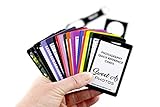
22 Double-Sided Photography Quick Reference Cards
- PHOTOGRAPHY QUICK REFERENCE CARDS - Concise cheat sheets designed to be light-weight and portable
- ALL CAMERA MAKES - Essential tool for photographers of all levels - Canon, Sony, Nikon
- PROFESSIONALLY PRINTED - 22 Double Sided professionally printed on plastic
Master your camera settings with ease using the Sweet As Photos Double-Sided Photography Quick Reference Cards. These 22 compact, weather-resistant cards are designed to simplify complex photography concepts like exposure, ISO, shutter speed, aperture, and white balance. They offer quick, reliable guidance that helps you capture better family photos without fumbling through manuals.
Each plastic card is durable and easy to clean, making them ideal for outdoor shoots regardless of weather conditions. Their compact size means you can clip them to your bag or belt for instant access during fast-paced moments. This design ensures you stay focused on your subject while having essential techniques at your fingertips.
The cards provide clear, brand-agnostic instructions, allowing photographers to apply proven principles without confusion. While the small font packs a wealth of information, it may require close attention. These quick reference tools are perfect for photographers who want practical, on-the-go reminders rather than in-depth camera model specifics.
Best for: Amateur and enthusiast photographers seeking a portable, easy-to-use guide to mastering camera settings and photography basics during shoots.
What We Like:
- Concise, essential photography techniques for quick reference
- Durable, weather-resistant plastic construction
- Compact size clips easily to gear for accessibility
- Compatible with all camera brands
- Clear, practical guidance for improving photo quality
Specification:
| Feature | Details |
|---|---|
| Manufacturer | Sweet As Photos |
| Number of Cards | 22 |
| Material | Plastic (weather-resistant) |
| Dimensions | Credit card size (~3.4 x 2.1 in) |
| Weight | Ultra-lightweight |
| Color Options | Standard multicolor print |
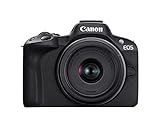
Canon EOS R50 Mirrorless Camera RF-S18-45mm F4.5-6.3 is STM Lens Kit
- High Image Quality: Canon EOS R50 4K digital camera features a 24.2 Megapixel CMOS (APS-C) sensor and DIGIC X processor...
- High-Speed Continuous Shooting: Capture fast action with up to 12 fps with Electronic First Curtain shutter and up tp...
- Advanced Auto Focus: Dual Pixel CMOS AF II covers up to 100% x 100% area with 651 AF zones; features auto subject...

Capture life’s moments with ease and professional quality using the Canon EOS R50 Mirrorless Camera paired with the RF-S18-45mm F4.5-6.3 IS STM lens. This compact camera solves the challenge of getting sharp, vibrant images, even when subjects move quickly or lighting changes. Its high-resolution APS-C sensor and powerful DIGIC X processor deliver clear photos that bring memories to life.
Designed for portability and comfort, the EOS R50 features a lightweight body and a user-friendly vari-angle touchscreen. This makes framing shots from any angle simple and intuitive. The built-in image stabilization and smart autofocus help keep images steady and in perfect focus, reducing blur and missed moments.
Maintenance is straightforward, with a durable build that withstands everyday use. The camera’s single memory card slot simplifies storage management but may require frequent card changes during extended shoots. The RF-S18-45mm lens offers versatility for everyday photography, though its modest zoom and aperture limit low-light and distant shooting options.
Best for: Parents and hobbyists who want a versatile, easy-to-use mirrorless camera that produces high-quality photos and video.
What We Like:
- Sharp, vibrant images with 24.2 MP APS-C sensor and DIGIC X processor
- Fast 12 fps continuous shooting with advanced Dual Pixel CMOS AF II autofocus
- Lightweight design and vari-angle touchscreen for easy handling and framing
- Built-in image stabilization ensures steady shots without extra gear
Specification:
| Feature | Details |
|---|---|
| Manufacturer | Canon |
| Sensor | 24.2 MP APS-C |
| Lens Included | RF-S18-45mm F4.5-6.3 IS STM |
| Continuous Shooting | Up to 12 frames per second |
| Autofocus | Dual Pixel CMOS AF II |
| Video Recording | Up to 60 minutes per clip |
| Weight | Approx. 429 g (body only) |
| Dimensions | Approx. 122.5 x 87.8 x 60.6 mm |
DSLR Photography Cheat Sheet Cards for Cameras

- Comprehensive - Contains 11 double-sided infassic cards featuring 19 different photography concepts. Includes info about...
- Sturdy cards - Made from thick, durable plastic that is waterproof and scratch-resistant. Perfect for beginner or...
- An essential accessory for blooming photographers - These guides and tips are compatible with all models of Canon...
Capture your family’s precious moments with confidence using the DSLR Photography Cheat Sheet Cards. These cards provide quick, clear guidance on essential camera settings, helping you avoid common mistakes and improve your photo quality. Designed to simplify complex settings like shutter speed, aperture, and ISO, they make learning photography practical and accessible.
The compact, waterproof design means these cards withstand outdoor use and fit easily in your pocket or camera bag. You can even attach them to your belt or bag with the included ring, keeping your reference tools close at hand during shoots. This durability ensures long-lasting support for your photographic journey.
Ideal for both beginners and intermediate photographers, these cards cover 19 key topics across 11 double-sided sheets. They are compatible with major DSLR brands such as Canon, Nikon, and Sony, making them versatile for different camera systems. While the concise format focuses on essentials, it’s a handy supplement rather than a comprehensive manual.
Maintaining these cards is simple—they resist scratches and water, so cleaning with a damp cloth keeps them in good condition. This makes them a practical, reusable learning aid that enhances your understanding without adding bulk or complexity.
Best for: Beginner and intermediate photographers seeking a quick, durable, and portable reference tool to master DSLR camera settings and techniques.
What We Like:
- Covers 19 essential photography topics on waterproof, scratch-resistant cards
- Compact size with a ring for easy attachment to bags or belts
- Compatible with popular DSLR brands like Canon, Nikon, and Sony
- Durable design suitable for outdoor and everyday use
Specification:
| Feature | Details |
|---|---|
| Manufacturer | Unspecified |
| Dimensions | Fits comfortably in pocket |
| Weight | Lightweight |
| Material | Waterproof, scratch-resistant plastic |
| Color Options | Not specified |
DSLR Cheat Sheet Cards for Canon, Nikon, Sony

- QUICK REFERENCE CARDS - These cheat sheets include 20 pages of helpful photography tips, printed on 11 double-sided...
- POCKET-SIZED GUIDE - At 3x4 inches, they are easy to fit in your pocket and clip to your purse or camera bag for...
- DURABLE PLASTIC - Professionally printed on glossy plastic to withstand years of use! They're rip-proof, weather-proof...
Unlock the full potential of your DSLR camera with the DSLR Cheat Sheet Cards designed specifically for Canon, Nikon, and Sony models. These handy cards make switching from automatic to manual mode straightforward, helping you gain control over your shots. By breaking down complex settings like exposure, aperture, shutter speed, and ISO into simple terms, they reduce confusion and improve your confidence behind the lens.
Crafted for convenience, the 20 double-sided plastic cards are weather-proof and pocket-sized, ensuring they withstand outdoor conditions and fit easily into your camera bag or pocket. The included carabiner lets you attach them securely, so you’re never without quick-reference guidance when inspiration strikes. This means less fumbling with manuals or apps and more time capturing sharp, vibrant photos.
Maintaining these cards is easy; a simple wipe keeps them clean and ready for use, making them a durable companion during all your photography adventures. Their focus on fundamental concepts like avoiding blur and controlling background depth helps you quickly enhance image quality without overwhelming technical jargon.
While tailored for DSLR users of Canon, Nikon, and Sony, these cards may not cover advanced techniques or mirrorless camera models. However, their clear, practical advice makes them invaluable for beginners seeking to master manual photography.
Best for: Beginners and casual photographers using Canon, Nikon, or Sony DSLR cameras who want an easy, portable guide to improve manual shooting skills.
What We Like:
- Clear explanations of key photography settings in plain English
- Durable, weather-proof design ideal for outdoor use
- Compact size with carabiner for easy portability
- Helps transition smoothly from automatic to manual modes
- Practical tips to improve photo sharpness and control depth of field
Specification:
| Feature | Details |
|---|---|
| Manufacturer | Not specified |
| Dimensions | Fits standard pocket size |
| Weight | Lightweight |
| Material | Weather-proof plastic |
| Compatible Brands | Canon, Nikon, Sony DSLR |
Factors to Consider When Choosing Camera Settings for Family Photos
When setting up your camera for family photos, you’ll want to think about the lighting conditions and how they affect your exposure. Choosing the right lens and focus mode will help you capture everyone clearly.
Don’t forget to adjust your aperture and shutter speed to control depth of field and motion blur. It might sound tricky, but once you get the hang of it, it really makes a difference in your shots.
Lighting Conditions Impact
Although lighting conditions can vary widely, they play a crucial role in determining the best camera settings for family photos. In bright daylight, use a fast shutter speed (1/500s or faster) and a moderate aperture (f/5.6–f/8) to prevent overexposure and harsh shadows.
During golden hour, slow your shutter speed (1/125–1/250s) and open the aperture (f/2.8–f/4) for soft, flattering light and shallow depth of field. This time of day really adds a warm, gentle glow that’s perfect for portraits.
Indoors with mixed lighting, adjust white balance manually around 3000–4000K or shoot RAW for easier correction. This way, you can fix any weird color casts later without much hassle.
In low light, raise ISO (800–1600), open aperture wide (f/1.8–f/4), and keep shutter speed above 1/focal length to avoid blur. It might mean a bit more noise, but it’s better than blurry shots.
For backlit portraits, expose for faces using +1 to +2 exposure compensation and add fill flash or reflectors to reduce silhouettes and brighten catchlights. This helps keep your subjects bright and lively, even with strong backlighting.
Lens Selection Tips
Choosing the right lens plays a crucial role in capturing the perfect family photo. It directly affects composition, perspective, and depth of field.
For group portraits, pick a moderate wide-to-normal focal length, around 35–50mm full-frame equivalent. This helps include everyone without distortion while keeping a natural look.
When shooting tighter individual or couple shots, use a longer focal length between 85–135mm. It compresses features and creates a pleasing background blur.
Pay attention to aperture—f/4 to f/8 often works best. This keeps multiple family members in focus without losing subject separation.
If you need more sharpness, back up and zoom in instead of stopping down too much. That way, you maintain image quality.
For candid, action-packed moments, a wider lens like 24–35mm helps capture context and maintain flexibility. It also helps keep shutter speeds high.
Focus Mode Choices
Lens choice sets the stage for your composition, but nailing focus mode assures your subjects stay sharp and clear.
For posed family portraits, use Single-Point AF to lock focus precisely on the nearest subject’s eyes, avoiding distractions.
When kids or pets are moving, switch to Continuous AF (AF-C) paired with high frame rates and shutter speeds of 1/250s or faster to track movement smoothly.
For groups with multiple rows, use a smaller aperture and either Single-Point AF on the center subject or Zone/Group AF covering the middle row to keep more faces sharp.
Face/Eye-Detection AF is invaluable for candid shots, automatically prioritizing eyes.
In low light or tricky focus situations, enlarge your AF area or use manual focus with live view and a tripod to assure crisp results.
Aperture Settings Guide
When you adjust your aperture settings, you control how much of the scene stays sharp and how much background blur you get in family photos. For tight portraits, use a wide aperture like f/1.8 to f/2.8 to isolate your subject with a soft, blurred background. This works especially well when using longer lenses.
For small groups, pick a mid-range aperture around f/4 to f/5.6 to keep multiple faces reasonably sharp. You’ll still separate them nicely from the background.
For larger groups, stop down to f/8 or f/11 to expand depth of field and guarantee everyone stays in focus. Remember, wider apertures need faster shutter speeds or lower ISO to avoid overexposure. On the flip side, smaller apertures might require raising ISO or slower shutter speeds.
Also, focus just in front of your nearest subject to maximize sharpness. It’s a little trick that really helps nail the focus where you want it.
Shutter Speed Effects
Aperture sets the stage for your family photo’s depth and sharpness, but shutter speed controls how motion appears in the frame. For mostly still family moments, use shutter speeds between 1/125 and 1/250 seconds to freeze subtle movements like smiles or hand gestures while maintaining good exposure indoors.
If kids are running or jumping, bump your shutter speed up to 1/500–1/1000 seconds to avoid motion blur. When shooting with long lenses, follow the reciprocal rule—use a shutter speed at least as fast as 1 over the focal length (e.g., 1/200 s for 200 mm) to prevent camera shake.
For creative motion blur, try 1/30–1/60 seconds and pan with your subject. Just remember, faster shutter speeds reduce light, so you’ll need to adjust aperture or ISO accordingly.
ISO Settings Advice
You’ll often need to adjust ISO to balance shutter speed and aperture, especially in varying light conditions. Start with the lowest ISO—typically 100–200 outdoors in daylight—and increase it indoors or in low light to avoid motion blur.
When photographing active toddlers, raise ISO to achieve shutter speeds of 1/250 to 1/500 seconds to freeze motion without underexposing. In dim environments, gradually boost ISO (800–3200) to maintain shutter speed, but be aware this adds noise.
Frequently Asked Questions
How Do I Organize a Family Photo Shoot for Large Groups?
You should plan the location, communicate clearly with everyone, and assign roles to help manage kids or elders.
Use wide-angle lenses, keep lighting soft, and take multiple shots to capture the best moments effortlessly.
That way, you’ll have plenty of great photos to choose from without the stress. Just keep things fun and relaxed!
What Are the Best Times of Day for Natural Lighting in Family Photos?
You’ll want to shoot during the golden hours—early morning just after sunrise or late afternoon before sunset. These times give you soft, warm light that flatters everyone and reduces harsh shadows in your family photos.
It’s like nature’s own filter, making skin tones glow and colors pop without being too harsh. Plus, the gentle light helps keep everyone looking their best, even the little ones who tend to move around a lot.
How Can I Make Shy Family Members Feel Comfortable During Photos?
You can make shy family members feel comfortable by chatting casually, encouraging natural smiles, and giving gentle prompts.
Keep the atmosphere relaxed, play their favorite music, and avoid rushing—patience helps everyone open up comfortably.
Just take it slow and let things flow naturally. Before you know it, they’ll be smiling right at the camera!
What Clothing Colors Work Best for Coordinating Family Portraits?
You should choose soft, neutral colors like beige, pastels, or muted blues that complement everyone’s skin tones. Avoid bright patterns to keep the focus on faces and connection.
This way, you’ll ensure a timeless, cohesive look for your family portraits. It really helps everyone look their best together!
How Do I Preserve and Digitally Archive Family Photos Long-Term?
Imagine your photos glowing on screens decades from now. You’ll want to back them up on multiple drives, use cloud storage, and regularly update file formats to keep those precious memories vivid and safe for generations.
Backing up on multiple drives means if one fails, your photos aren’t lost. Cloud storage adds an extra layer of security, letting you access your memories from anywhere.
And don’t forget to update the file formats every few years. Technology changes, and keeping your files current ensures they’ll still open in the future. This way, your family photos stay alive and vibrant for years to come.
Conclusion
So, you’ve got your DSLR, lenses, and cheat sheets all lined up, ready to capture that perfect family moment—because nothing says “family bonding” like fumbling with settings while everyone’s already halfway out the door.
But hey, with these tips, you might actually snap that flawless shot before the toddler melts down or the dog runs off.
Ironically, mastering your camera might just save you from missing the real memories altogether.
By dialing in the best camera settings for family photos in 2027, you can focus on the fun and genuine moments instead of stressing over technical details.
From adjusting aperture to perfect shutter speed, these simple tweaks help you capture sharp, vibrant images that tell your family’s unique story.
So, get ready to create lasting memories with ease and confidence—because the right camera settings make all the difference in preserving those precious moments for years to come.