4 Best Cameras for Beginner Outdoor Photography in 2027
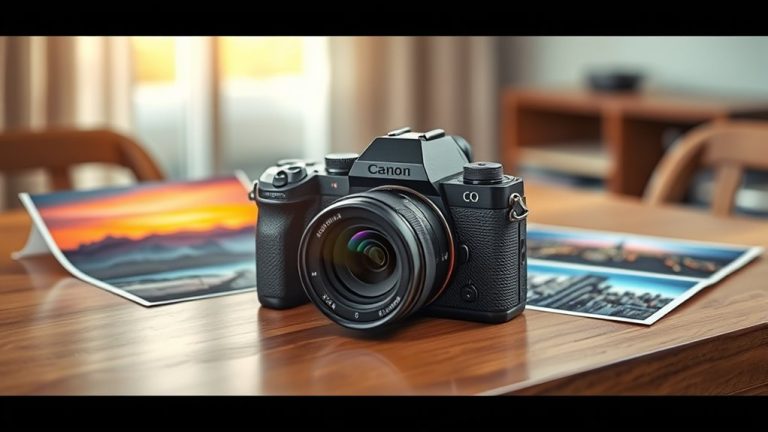
For beginner outdoor photography in 2027, you can count on the Canon EOS Rebel T7 DSLR kits with their 24.1 MP APS-C sensor and versatile 18-55mm lens for sharp, reliable shots and beginner-friendly handling. These kits are great for those just starting out and wanting to explore the outdoors through their camera lens. The renewed and bundle options offer affordability and lens expandability, making it easier to grow your gear collection without breaking the bank.
If you want lightweight design, 4K video, and advanced autofocus with eye and animal detection, the Canon EOS R100 mirrorless kit is a strong alternative. It’s perfect for beginners who want a bit more tech to play with while still keeping things simple. Exploring their features closely will reveal which fits your outdoor style best and helps you capture stunning photos on all your adventures.
| Image | Name | Editor's Rating | Price |
|---|---|---|---|

|
|
||

|
|
||

|
|
||

|
|
Canon EOS Rebel T7 DSLR Camera EF-S 18-55mm f/3.5-5.6 is II Lens Kit
- 24.1 Megapixel CMOS (APS-C) sensor with is 100–6400 (H: 12800)
- Built-in Wi-Fi and NFC technology
- 9-Point AF system and AI Servo AF

Experience the joy of capturing stunning outdoor moments with the Canon EOS Rebel T7 DSLR Camera EF-S 18-55mm f/3.5-5.6 IS II Lens Kit. This camera is designed to help beginners take sharp, vibrant photos with ease. Its 24.1 MP APS-C sensor ensures detailed images, perfect for both landscapes and close-up shots.
The included lens features image stabilization and an 18-55mm zoom, making it versatile for various outdoor scenes. Manual controls and a straightforward 9-point autofocus system allow you to experiment and improve your photography skills gradually. Sharing your images is simple thanks to built-in Wi-Fi and NFC connectivity.
This DSLR is lightweight and easy to maintain, ideal for outdoor use where portability matters. While the fixed rear LCD limits shooting from creative angles, it still provides clear viewing for composing your shots. The camera captures Full HD video, though with some limits on clip length and frame rate.
Best for: Beginner photographers seeking a user-friendly DSLR with versatile zoom and manual controls for outdoor and general photography.
What We Like:
- Clear, detailed images with high-resolution sensor
- Image-stabilized lens reduces blur in handheld shots
- Convenient Wi-Fi and NFC for quick sharing
- Lightweight design for easy outdoor use
- Manual controls help develop photography skills
Specification:
| Feature | Details |
|---|---|
| Manufacturer | Canon |
| Sensor | 24.1 MP APS-C |
| Lens | EF-S 18-55mm f/3.5-5.6 IS II |
| Autofocus Points | 9-point AF system |
| Video Resolution | Full HD 1080p |
| Connectivity | Wi-Fi, NFC |
| Weight | Approx. 475 g (1.05 lb) |
| Dimensions (W×H×D) | Approx. 5.1 × 3.9 × 3.0 in |
Canon EOS Rebel T7 DSLR Camera with 18-55mm Lens (Black) (Renewed)
- High-Quality Imaging: The Canon EOS Rebel T7 DSLR Camera features a 24.1 Megapixel CMOS sensor for stunningly detailed...
- Versatile ISO Range: With an ISO range of 100 to 6400 (expandable to 12800), the Canon EOS Rebel T7 captures clear...
- Fast Autofocus System: Equipped with a 9-point AF system and AI Servo AF, the Canon EOS Rebel T7 ensures precise focus...
Capture your best moments effortlessly with the Canon EOS Rebel T7 DSLR Camera with 18-55mm Lens (Renewed). Designed to enhance your outdoor photography, this camera’s 24.1 MP APS-C sensor delivers crisp, detailed images that bring your vision to life. Its autofocus system ensures your shots stay sharp, even when tracking moving subjects.
The included 18-55mm lens offers the flexibility to shoot wide landscapes or zoom in on details, adapting to various scenes without the need for extra gear. With Full HD video capabilities, you can also record smooth, high-quality footage for memorable storytelling.
This camera’s user-friendly design, including a fixed 3-inch LCD and optical viewfinder, simplifies composition and framing. Lightweight and compatible with Canon EF and EF-S lenses, it supports your growth as a photographer without adding bulk.
Maintenance is straightforward—just keep lenses clean and handle the camera gently to ensure long-lasting performance. While the fixed LCD and moderate continuous shooting speed might limit some fast-action shots, the Rebel T7 remains a reliable tool for everyday photography.
Best for: Beginners and hobbyists seeking an affordable DSLR that balances ease of use with quality results for outdoor and general photography.
What We Like:
- Sharp 24.1 MP APS-C sensor for detailed images
- Versatile 18-55mm lens covers wide to moderate zoom needs
- Built-in Wi-Fi and NFC for convenient sharing and remote shooting
- Compatible with a broad range of Canon EF and EF-S lenses
Specification:
| Feature | Details |
|---|---|
| Manufacturer | Canon |
| Sensor Resolution | 24.1 MP APS-C |
| Lens Included | 18-55mm |
| Screen Size | 3 inches (fixed LCD) |
| Connectivity | Wi-Fi, NFC |
| Compatible Lenses | Canon EF and EF-S |
| Weight | Approx. 475 g (body only) |
| Color | Black |
Canon EOS Rebel T7 DSLR Camera with 18-55mm Lens Bundle
- Items Included: Canon EOS Rebel T7 DSLR Camera with 18-55mm Lens, Canon LP-E10 Battery (860mAh), LC-E10 Battery Charger...
- Exceptional Image Quality for All Levels: Capture stunning, true-to-life photos with the Canon EOS Rebel T7's 24.1MP...
- Seamless Sharing with Built-In Wi-Fi & NFC: Enjoy effortless connectivity with the Rebel T7’s built-in Wi-Fi and NFC...
Capture your outdoor moments with ease using the Canon EOS Rebel T7 DSLR Camera. Its 24.1MP APS-C sensor ensures sharp, vibrant images that bring your scenes to life without complicated settings. This camera is designed to help beginners focus on creativity instead of technical hurdles.
The included 18-55mm zoom lens adapts to various shooting needs, from sweeping landscapes to close-up portraits. Lightweight and easy to handle, the Rebel T7 makes carrying and shooting comfortable during any adventure. Its compatible lens mounts allow you to expand your gear as your skills grow.
Sharing your photos is simple with built-in Wi-Fi and NFC, letting you send images directly to your phone or control the camera remotely. Maintenance is straightforward with intuitive controls and a durable body that withstands everyday use.
While it lacks 4K video and has a modest autofocus system, the Rebel T7 offers reliable performance for everyday photography tasks. Its continuous shooting speed meets the needs of casual shooters, making it a solid entry-level DSLR.
Best for: Beginners and novice photographers seeking an easy-to-use DSLR camera for outdoor photography, travel, and everyday moments.
What We Like:
- Sharp, vibrant images from the 24.1MP APS-C sensor
- Easy photo sharing and remote control via Wi-Fi and NFC
- Versatile 18-55mm lens suited for multiple shooting styles
- Lightweight design ideal for travel and outdoor use
Specification:
| Feature | Details |
|---|---|
| Manufacturer | Canon |
| Sensor Resolution | 24.1 Megapixels |
| Lens Included | 18-55mm Zoom Lens |
| Connectivity | Built-in Wi-Fi and NFC |
| Dimensions | Approx. 5.07 x 3.93 x 3.11 in (12.9 x 10 x 7.9 cm) |
| Weight | Approx. 1.04 lb (0.47 kg) |
| Lens Mount | Canon EF and EF-S mount |
Canon EOS R100 Mirrorless Camera RF-S18-45mm F4.5-6.3 IS STM Lens Kit
- Stellar Image Quality: Canon EOS R100 4K digital camera with 24.1 megapixel CMOS (APS-C) sensor for superb image clarity...
- Compact Design: Compact, lightweight EOS R series 4K camera with an affordable price; smallest and lightest camera body...
- Powerful Image Processor: DIGIC 8 image processor allows for improved shooting functionality and 4K video capability...
Capture your world with the Canon EOS R100 Mirrorless Camera, designed to blend power and portability. This lightweight camera features a 24.1 MP APS-C sensor that produces sharp, vibrant images, making it easy to take stunning photos on the go. Its compact design means you can carry it comfortably for outdoor adventures without feeling weighed down.
The camera’s DIGIC 8 processor ensures smooth and responsive performance, while the Dual Pixel CMOS AF system with eye and animal detection helps keep your subjects perfectly in focus. Whether you’re shooting wildlife or family moments, this autofocus technology reduces the chance of blurry shots.
Video creators will appreciate the ability to record in 4K resolution, capturing high-quality footage with ease. The included RF-S 18-45mm lens offers versatile zoom and 4-stop image stabilization, which helps reduce shake for clearer photos and videos, even when shooting handheld.
Maintenance is straightforward, thanks to the durable build and simple controls that help beginners focus on creativity rather than complicated setups. However, the lens’s maximum aperture range of f/4.5-6.3 may limit low-light performance, and the fixed 3.0″ LCD lacks touchscreen or articulation features.
Best for: beginner photographers and content creators seeking a lightweight, compact mirrorless camera with reliable autofocus and 4K video functionality for outdoor and nature photography.
What We Like:
- High-resolution 24.1 MP APS-C sensor delivers detailed images
- Dual Pixel CMOS AF with eye and animal detection for sharp focus
- Compact, lightweight design paired with versatile RF-S 18-45mm lens
- 4K video recording capability enhances creative options
- 4-stop image stabilization reduces blur in handheld shots
Specification:
| Feature | Details |
|---|---|
| Manufacturer | Canon |
| Sensor | 24.1 MP APS-C CMOS |
| Lens | RF-S 18-45mm F4.5-6.3 IS STM |
| Processor | DIGIC 8 |
| Video | 4K UHD |
| Display | Fixed 3.0″ LCD, non-touch |
| Dimensions | Compact (exact size not provided) |
| Weight | Lightweight (exact weight not provided) |
Factors to Consider When Choosing a Camera for Beginner Outdoor Photography
When choosing a camera for outdoor photography, you’ll want to take into account sensor size, since it affects image quality and low-light performance. Think about lens versatility to handle different scenes, and look for image stabilization to keep your shots sharp.
Don’t forget battery life and how lightweight the camera is, so you can shoot comfortably all day. These factors really make a difference when you’re out exploring and want to capture great shots without hassle.
Sensor Size Importance
Although sensor size might seem technical, it plays a crucial role in your outdoor photography results. Larger sensors, like APS-C, capture more light per pixel, giving you cleaner images and better low-light performance.
They also offer greater dynamic range, helping you preserve details in both bright skies and shaded areas. With a bigger sensor, you get a shallower depth of field, making it easier to separate subjects from the background—perfect for outdoor portraits.
Additionally, larger sensors provide a wider field of view at the same focal length, letting you frame shots more freely without changing lenses. Keep in mind, though, bigger sensors usually mean larger, heavier cameras and higher costs.
Lens Versatility Needs
Picking the right lens setup can make or break your outdoor photography experience. Aim for a zoom range covering wide-angle to short telephoto—roughly 18–200mm equivalent—so you can capture landscapes, portraits, and details without constantly switching lenses.
Prioritize lenses that offer optical image stabilization or use a camera with in-body stabilization. This helps you get sharp, handheld shots in low light or at longer focal lengths.
A maximum aperture between f/2.8 and f/5.6 balances good low-light performance and manageable size. That way, you avoid fatigue on hikes.
Don’t overlook lens weight and size. Lighter zooms or compact primes are easier to carry but might limit aperture or zoom reach.
Finally, check filter thread size and availability of UV, polarizer, or ND filters. These help you control reflections, contrast, and exposure outdoors without changing lenses.
Image Stabilization Benefits
Along with choosing the right lens, image stabilization plays a big role in capturing sharp outdoor photos. Optical stabilization, whether lens- or sensor-based, can recover 2–4 stops of shutter speed, letting you shoot handheld at slower speeds without blur.
This feature is especially useful for telephoto or zoom shots where camera shake is more noticeable. When you’re shooting in low-light outdoor settings like dawn or shaded forests, stabilization helps you avoid cranking up ISO too high, preserving fine details.
Keep in mind, though, using stabilization with slow shutter speeds on moving subjects can cause motion blur. So, it’s best to pair it with faster shutter speeds or tracking autofocus.
Plus, built-in stabilization reduces your need for a tripod and keeps video steady when walking or panning. It really makes a difference in getting those smooth, crisp shots outdoors!
Battery Life Considerations
When you’re out shooting outdoors, battery life can make or break your day. Check the expected shot count per charge—some DSLRs and mirrorless cameras range from 300 to over 800 shots.
Keep in mind, using features like electronic viewfinders, image stabilization, live view, or Wi-Fi cuts battery life markedly compared to optical viewfinders. Cold weather can slash capacity by 20–50%, so bring extra batteries and keep spares warm in an inner pocket.
If you plan on video recording or high-frame-rate burst shots, expect much higher power use and pack accordingly. Also, consider how easy it is to swap batteries, the availability of spares, and whether your camera supports USB charging or external battery packs for longer trips.
These factors guarantee you stay powered throughout your outdoor adventure.
Weight and Portability
For day-long outdoor shoots, keeping your camera kit under about 1.5 to 2 kilograms (3.3 to 4.4 pounds) helps prevent fatigue during hikes or tours. Focus on a lightweight body paired with a compact zoom lens, like an 18–55mm, for better balance and comfort compared to heavier setups.
Don’t forget accessories—spare batteries, memory cards, and small tripods can quickly add weight, affecting your portability. If you’re traveling by air or backpacking, choose cameras with smaller lenses and compact cases to fit carry-on limits and keep your pack manageable.
For handheld low-light shots, a slightly heavier camera with built-in stabilization might be worth the trade-off, improving sharpness without needing a tripod. Prioritizing weight and portability guarantees you can shoot longer, comfortably capturing stunning outdoor moments.
Connectivity Options Available
Choosing a camera with strong connectivity options can make your outdoor photography experience much smoother and more enjoyable. Look for built-in Wi-Fi with 802.11 compatibility and companion app support to transfer photos directly to your smartphone or tablet for quick sharing and remote control.
Bluetooth low-energy offers always-on pairing, allowing automatic geotagging and seamless image transfer without draining your battery. NFC enables one-tap pairing, perfect for fast connection setup when you need immediate sharing on the go.
Don’t overlook wired ports like USB for tethered shooting or fast file transfers, and HDMI for live monitoring or external recorders. Also, check if the camera supports webcam streaming or FTP uploads, which help with live blogging or backing up images during your outdoor adventures.
Budget and Value
Although it might be tempting to focus on specs, setting a clear budget and prioritizing overall value will help you get the most from your beginner outdoor photography gear. Start by defining a total budget range—under $500, $500–$1,000, or $1,000+—since the real cost includes the camera body, kit lens, extra batteries, and memory cards.
Don’t just chase megapixels; investing a bit more for better low-light performance and weather resistance often leads to more usable shots outdoors. Factor in ongoing expenses like protective gear and potential lens upgrades.
Look for package deals that bundle essentials to save money upfront. Finally, consider long-term system value—choosing a camera with a broad lens and accessory ecosystem can be more economical than buying a cheaper model that limits your growth.
Frequently Asked Questions
How Do I Maintain and Clean My Outdoor Photography Camera?
You should regularly wipe your camera with a soft cloth and use a blower to remove dust from the lens. It’s best to avoid harsh chemicals since they can damage your equipment.
Also, make sure to store your camera in a dry place to prevent any moisture issues. And don’t forget to clean the sensor and lens carefully—they’re super important for getting clear shots!
What Are the Best Memory Cards for Outdoor Photography?
Think of memory cards as your camera’s trusty backpack—go for SanDisk Extreme Pro or Lexar Professional for speed and durability.
They’ll keep your shots safe through rain, dust, and endless outdoor adventures without faltering.
With these cards, you won’t have to worry about losing precious memories no matter where you shoot.
Plus, their fast write speeds mean you won’t miss a moment, even during rapid bursts.
Can I Use Smartphone Apps to Enhance Outdoor Photos?
Yes, you can use smartphone apps to enhance outdoor photos. They let you adjust lighting, colors, and sharpness easily.
With the right app, you’ll quickly improve your shots without needing complex software or equipment. It’s a simple way to make your photos look even better.
How Do Weather Conditions Affect Camera Performance?
Weather conditions affect your camera’s performance by causing foggy lenses, reduced battery life in cold, and sensor issues in extreme heat or moisture.
You’ll want weather-sealed gear and protective covers to keep shooting smoothly outdoors. It really helps prevent those annoying interruptions when the weather turns tricky.
What Accessories Improve Outdoor Photography for Beginners?
Accessories like tripods, UV filters, and weatherproof camera bags are your secret weapons in outdoor photography. They stabilize shots, protect your gear, and enhance image clarity, helping you capture nature’s beauty without a hitch.
Think of a tripod as your steady friend—it keeps your camera still so your photos come out sharp. UV filters? They’re like sunglasses for your lens, reducing glare and making colors pop.
And don’t forget a weatherproof camera bag. It keeps your equipment safe from rain, dust, and rough terrain. With these accessories, you’re all set to shoot stunning outdoor photos with ease!
Conclusion
Choosing your first outdoor camera might feel overwhelming, but it doesn’t have to be. Whether you lean toward the trusted Rebel T7 or the sleek EOS R100, each offers something special for beginners.
You’re just one step away from capturing stunning moments in nature. So, which camera will open your outdoor photography journey?
The answer might surprise you—get ready to see the world through a whole new lens! With the right beginner outdoor camera, you’ll not only improve your skills but also enjoy every moment spent outside. Outdoor photography is all about embracing the beauty around you, and having the best camera for beginners can make that experience unforgettable. Ready to start your adventure? Let’s find the perfect camera to kick off your outdoor photography journey in 2027!