When to Rinse With Salt Water After Tooth Extraction How to Guide
You should wait at least 24 hours after your tooth extraction before gently rinsing with salt water to avoid disrupting the healing blood clot. Rinsing with salt water after tooth extraction is important for keeping the area clean and promoting faster healing.
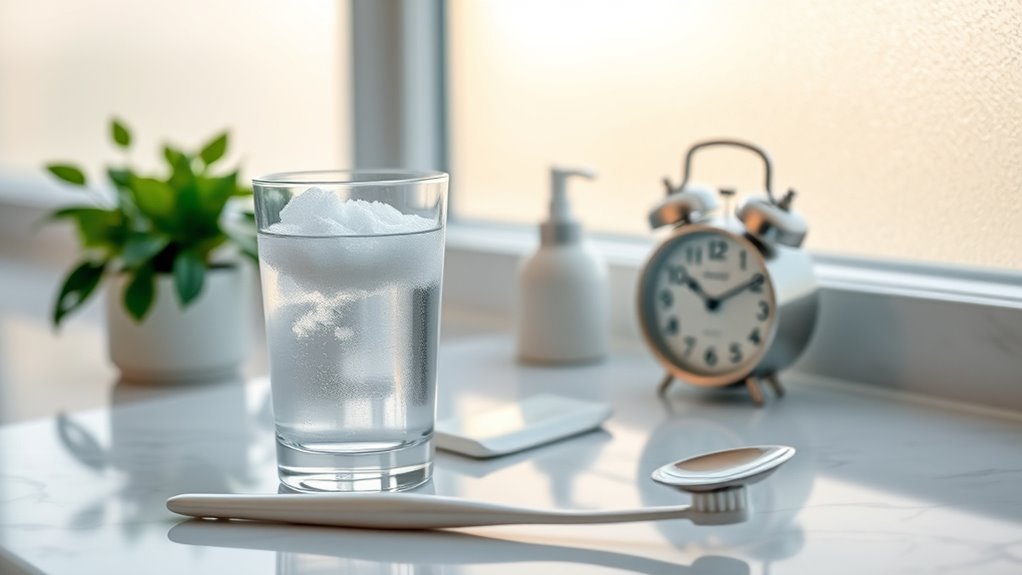
Mix half a teaspoon of salt in 8 ounces of warm, sterile water and softly swish for 30 seconds, then spit out. Do this 3 to 6 times daily until swelling and discomfort fade.
Watch for increased pain or bleeding—if they occur, stop and call your dentist. Keep going, and you’ll find helpful tips to recover faster.
When Should You Start Rinsing With Salt Water After Tooth Extraction?
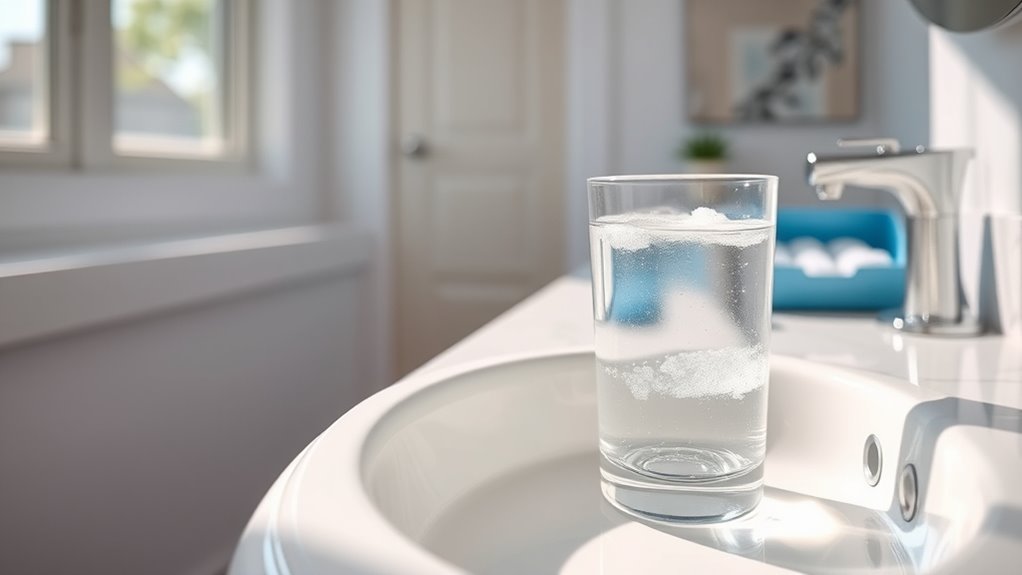
When should you start rinsing with salt water after a tooth extraction? You should wait at least 24 hours post-surgery before beginning salt water rinsing. Rinsing too soon can disrupt the vital blood clot, increasing bleeding and delaying healing.
After that first day, gently rinse with warm salt water to soothe the gingival tissues and reduce discomfort. This practice promotes healing by keeping the extraction site clean and lowering the risk of infection.
Be sure to follow your dentist’s specific instructions, as your individual healing process might require adjustments.
Proper salt water rinsing after the initial 24 hours can effectively support recovery while minimizing complications. Avoid rinsing on the day of surgery to protect the clot and ensure smooth post-surgery healing.
How Do You Prepare And Use A Salt Water Rinse Safely?
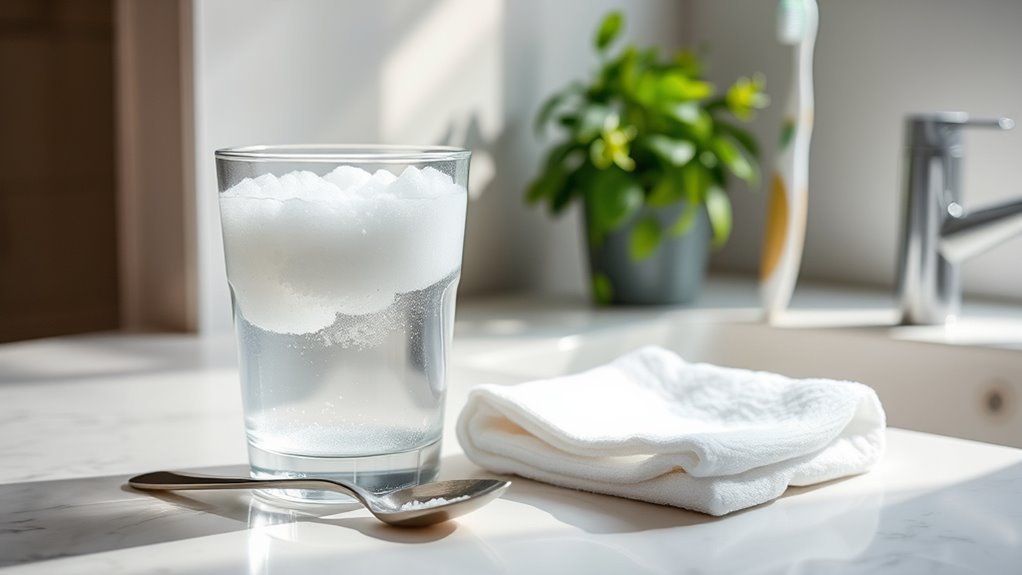
After waiting the recommended 24 hours post-extraction, you’ll want to prepare your salt water rinse carefully to support healing. Use 1/2 teaspoon of salt dissolved in 8 ounces of warm, sterilized water—either sterile or freshly boiled and cooled to avoid burns or infection.
When rinsing, gently swish the solution to protect the blood clot, using a soft rinse technique for about 30 seconds. Spit it out without swallowing to prevent irritation. Follow your dentist’s timing advice, usually rinsing 3-4 times daily as part of your oral hygiene and post-surgery care routine.
| Step | Details |
|---|---|
| Salt Amount | 1/2 teaspoon |
| Water Volume | 8 ounces of warm water |
| Water Type | Sterile or freshly boiled, cooled |
| Rinse Technique | Gentle swish, avoid vigorous rinsing |
| Duration & Timing | About 30 seconds, 3-4 times daily |
How Often And How Long Should You Rinse With Salt Water?

Since rinsing too soon can cause bleeding, you should wait until the day after your tooth extraction to start using salt water.
For effective post-extraction care, perform salt water rinses 3 to 6 times daily during the initial healing stage.
Use a warm salt water mixture—half a teaspoon of salt in 8 ounces of water—to gently rinse your mouth each time.
Gently rinse with warm salt water—half a teaspoon of salt in 8 ounces of water—for soothing relief.
This rinse frequency helps reduce swelling and discomfort while promoting healing.
As your oral hygiene improves and the stages of healing progress, gradually decrease how often you rinse.
Continue salt water rinses for about a week or until swelling, bleeding, and discomfort subside.
Stopping too early might slow healing, but once your surgical site is fully healed and free from debris, you can end the rinsing regimen as advised by your dentist.
What Warning Signs Mean You Should Stop Rinsing And Call Your Dentist?
If you notice increased bleeding, severe pain, or signs of infection like pus or a foul odor, stop rinsing immediately and contact your dentist.
You should also discontinue rinsing if you see the blood clot dislodging or exposure of the surgical site, as these are signs of a dry socket.
Persistent or heavy bleeding, swelling that worsens, or numbness that doesn’t improve are other warning signs requiring you to call your dentist promptly.
Avoid rinsing if discomfort escalates or if you experience fever alongside these symptoms.
Continuing to rinse despite these signs can worsen infection or delay healing.
Always monitor your extraction site closely, and when in doubt, discontinue rinsing and seek professional advice to prevent complications.
What Extra Oral Care Tips Help You Heal Faster After Tooth Extraction?
While your dentist focuses on the extraction site, you can speed up healing by caring for the area outside your mouth as well. Applying cold packs to the cheek reduces swelling and supports faster healing. Keeping your lips moisturized aids mouth moistening and prevents discomfort.
Gentle jaw massages improve circulation, enhancing tissue regeneration. Resting with your head elevated minimizes bleeding and promotes post-operative recovery. Alongside your salt water rinse and oral hygiene, good nutrition accelerates healing.
| Extra Oral Care Tips | Benefits |
|---|---|
| Cold packs | Reduces swelling, speeds healing |
| Lip moisturization | Prevents cracking, keeps moist |
| Jaw muscle massage | Relieves stiffness, boosts circulation |
| Head elevation & rest | Minimizes bleeding, aids tissue repair |
| Balanced nutrition | Supports tissue regeneration |
Frequently Asked Questions
Can I Use Salt Water Rinse if I Have Braces?
Yes, you can use a salt water rinse with braces. It helps reduce inflammation and clean your mouth gently.
Just avoid vigorous swishing to prevent loosening brackets or wires, and rinse gently for best results.
Will Salt Water Rinse Whiten My Teeth?
Salt water rinse won’t work miracles for whitening your teeth; it’s more of a gentle gardener, keeping your mouth clean and healthy.
For brighter smiles, you’ll want to try specific whitening products or treatments instead.
Can I Add Other Ingredients to My Salt Water Rinse?
You can add mild ingredients like baking soda or a few drops of essential oils to your salt water rinse, but avoid harsh chemicals or alcohol to prevent irritation.
Stick to gentle additives for safe, effective rinsing.
Is It Okay to Swallow Salt Water Rinse Accidentally?
If you accidentally swallow salt water rinse, don’t panic—it’s not like you just gulped down the ocean! It’s generally safe in small amounts, but try to spit it out to avoid an upset stomach.
Can Children Use Salt Water Rinse After Tooth Extraction?
Yes, children can use salt water rinse after tooth extraction, but you should supervise them closely to prevent swallowing. Make sure they rinse gently and only start after the first 24 hours to promote healing safely.
Encourage them to swish the salt water gently around the mouth without vigorous spitting. This helps reduce the risk of dislodging the blood clot and allows the extraction site to heal properly.
Conclusion
After your tooth extraction, rinsing with salt water is like gently washing away the storm clouds, letting healing sunshine peek through. Start when your dentist says it’s safe, and let the warm, soothing waves carry away debris and calm irritation.
Be mindful—if pain or unusual signs crash in, pause and call your dentist. With careful care and patience, you’ll soon feel the calm after the storm, your smile shining bright again.
Remember, when to rinse with salt water after tooth extraction is crucial for proper healing. Follow your dentist’s advice closely to ensure the best recovery and maintain a healthy, beautiful smile.