3 Best Salt for Asphalt Driveways in 2026
For your asphalt driveway, choosing the best salt for asphalt driveways in 2026 is crucial to ensure effective ice melting and driveway protection. Use salts like Thawtful Blue Ice & Snow Melt (1 or 2 quarts) and Qik Joe Polar Express Rock Salt (20 lbs) for effective melting down to around -16°F.
These options balance strong ice melting power with minimal asphalt damage and environmental impact. They provide good traction and won’t overly corrode or soften your driveway.
If you want to know what else to contemplate when choosing salt for your asphalt, keep exploring these essential factors.
| Image | Name | Editor's Rating | Price |
|---|---|---|---|

|
|
||

|
|
||
|
|
Thawtful Blue Ice & Snow Melt Salt (1 Quart)
- Melts fast — works down to −16°F (−27°C). Starts melting on contact for quick traction; performance varies with...
- Surface-smart: OK for asphalt, brick, rubber, and unfinished wood. Not for new concrete (<12 months), aggregate, or...
- Right dose, less waste: spread 1–4 lb per 500 sq ft (conditions vary). Approx. coverage (quarts): 1 qt ~650 (heavy...
When winter hits, keeping your driveway safe and ice-free is crucial. Thawtful Blue Ice & Snow Melt Salt (1 Quart) melts ice quickly and works effectively down to −16°F. Its fast action not only clears ice but also offers traction on contact, helping prevent slips and falls.
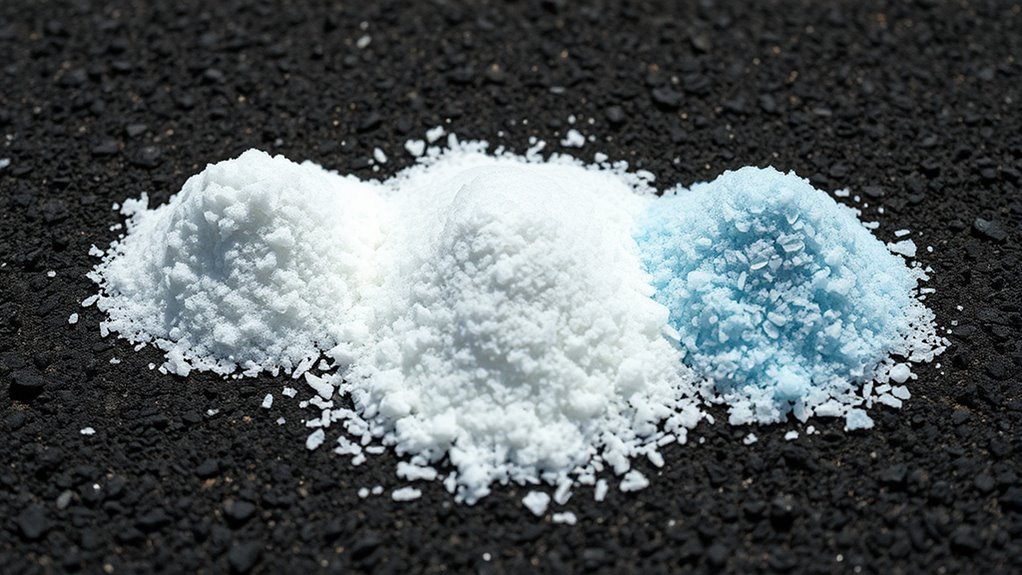
This ice melt stands out with its unique blue tint that shows exactly where you’ve applied it. The color fades naturally without leaving any stains, so you can easily track your coverage and avoid missing spots. It’s designed for use on asphalt, brick, rubber, and unfinished wood, making it versatile for many common surfaces.
Maintenance is simple thanks to the resealable 1-quart bag that keeps the product fresh and ready for repeated use. The bag covers an area between 650 and 1,300 square feet, making it ideal for small to medium outdoor spaces. It’s water-soluble and environmentally friendly when used as directed, protecting your lawn and carpets from damage.
However, avoid using this product on new concrete (less than 12 months old), porous, painted, or aggregate surfaces, as it may cause damage. While effective, it may require multiple bags for larger areas. Overall, it’s a practical solution for homeowners who need reliable ice melting without harsh chemicals.
Best for: Homeowners and property managers seeking an effective, eco-friendly ice melt safe for asphalt and other durable surfaces in small to medium outdoor areas.
What We Like:
- Melts ice quickly down to −16°F with added traction on contact
- Blue tint helps track application and fades without staining
- Resealable 1-quart bag ensures easy storage and controlled use
- Safe for asphalt, brick, rubber, and unfinished wood surfaces
- Environmentally friendly and water-soluble formula
Specification:
| Feature | Details |
|---|---|
| Manufacturer | Thawtful |
| Package Size | 1 Quart (resealable) |
| Coverage Area | 650 to 1,300 sq ft |
| Effective Temp | Down to −16°F (−27°C) |
| Suitable Surfaces | Asphalt, brick, rubber, unfinished wood |
| Color | Blue tint |
Qik Joe Polar Express Rock Salt Ice Melt 20 lbs
- Fast Melting Power - This ice and snow melt works instantly, even in extreme cold down to -15°F, providing reliable...
- Powerful blended formula – Combines calcium chloride flakes, potassium chloride granules, and sodium chloride crystals...
- Versatile Surface Use - These ice melt salt pellets are safe for use on concrete, asphalt, steps, sidewalks, driveways,...
Qik Joe Polar Express Rock Salt Ice Melt 20 lbs offers a practical solution for tackling icy surfaces quickly and effectively. When winter’s chill makes walkways and driveways hazardous, this ice melt dissolves ice down to -15°F, helping to restore safety with minimal effort. Its unique blend of calcium chloride, potassium chloride, and sodium chloride works fast to break apart ice and prevent dangerous slips.
The product is designed to reduce the hassle of constant reapplication by drawing moisture from surfaces, which helps prevent re-freezing. This means fewer trips outside during cold weather and a safer area that stays clear longer. It’s ideal for use on common outdoor surfaces like concrete, asphalt, sidewalks, and driveways, making winter maintenance more manageable for both homeowners and businesses.
Handling the 20-pound bag is straightforward, though it may feel heavy for some users. While the salt-based formula is effective, users should be mindful of environmental impacts with overuse. Also, the ice melt performs best down to -15°F; conditions colder than this may reduce its effectiveness.
With its reliable performance and ease of use, Qik Joe Polar Express Rock Salt Ice Melt keeps properties safer in winter’s toughest conditions, cutting down on ice hazards and maintenance time.
Best for: Homeowners and businesses needing a fast-acting ice melt that works reliably in extreme cold, down to -15°F.
What We Like:
- Fast melting action with a balanced salt blend
- Prevents ice from re-forming, reducing reapplication
- Suitable for multiple outdoor surfaces
- Easy to apply and manage in 20-pound bags
Specification:
| Feature | Details |
|---|---|
| Manufacturer | Qik Joe |
| Weight | 20 lbs (9.07 kg) |
| Material | Calcium chloride, potassium chloride, sodium chloride |
| Intended Use | Ice melting on concrete, asphalt, sidewalks, driveways |
| Effective Temperature | Down to -15°F (-26°C) |
Thawtful Blue Ice & Snow Melt Salt (2 Quarts)
- Melts fast — works down to −16°F (−27°C). Starts melting on contact for quick traction; performance varies with...
- Surface-smart: OK for asphalt, brick, rubber, and unfinished wood. Not for new concrete (<12 months), aggregate, or...
- Right dose, less waste: spread 1–4 lb per 500 sq ft (conditions vary). Approx. coverage (quarts): 1 qt ~650 (heavy...
Thawtful Blue Ice & Snow Melt Salt (2 Quarts) offers a practical solution for managing winter ice safely and effectively. Its unique blue tint helps you easily track where the salt has been applied, ensuring thorough coverage without guesswork. This feature fades naturally, leaving no unsightly stains on your driveway or walkways.
Designed to work efficiently in temperatures as low as −16°F, this ice melt quickly breaks down ice to improve traction. It’s ideal for use on asphalt, brick, and unfinished wood surfaces, helping prevent slips and falls during icy conditions. The quick action means safer outdoor spaces with less waiting time.
The product comes in a resealable 2-quart bag, making it easy to store and apply only what you need. This reduces waste and keeps the salt fresh for future use. However, it’s important to avoid applying it on new concrete under one year old or on porous and painted surfaces to prevent damage.
Overall, Thawtful Blue Ice & Snow Melt Salt is a dependable choice for homeowners who want a visible, fast-acting ice melt that protects common outdoor surfaces during winter months. Its convenience and targeted design help maintain safe and accessible property in cold weather.
Best for: Homeowners and property managers seeking a visible, efficient ice melt safe for asphalt, brick, and unfinished wood surfaces.
What We Like:
- Blue tint ensures clear application visibility without staining
- Effective ice melting down to −16°F for quick safety
- Resealable bag allows easy storage and precise use
- Suitable for multiple surface types except new concrete and porous finishes
Specification:
| Attribute | Details |
|---|---|
| Manufacturer | Thawtful |
| Quantity | 2 Quarts (resealable bag) |
| Effective Temp | Down to −16°F |
| Suitable Surfaces | Asphalt, brick, unfinished wood |
| Color | Blue tint |
Factors to Consider When Choosing Salt for Asphalt Driveway
When choosing salt for your asphalt driveway, you’ll want to consider the type and composition to ensure it works effectively in your climate. Think about how well the salt performs at different temperatures and whether it’s safe for your driveway surface.
Also, keep in mind the environmental impact and how much coverage you’ll need for your area.
Salt Type And Composition
Although many salts are available for melting ice on asphalt driveways, you’ll want to choose one based on its composition, as this affects how quickly and effectively it works at different temperatures. Rock salt is common but only works well down to about 16°F. If you face colder conditions, calcium chloride is more effective, melting ice even at -25°F.
Keep in mind that additives or impurities in some salts can increase corrosiveness, potentially damaging your asphalt. If you’re concerned about this, calcium magnesium acetate offers a less corrosive alternative, though it may not perform as well in extreme cold. Additionally, consider how well the salt dissolves and binds with water, since this determines how fast it melts ice and how long it maintains traction on your driveway.
Temperature Effectiveness Range
Choosing the right salt for your asphalt driveway means paying close attention to its temperature effectiveness range. This range shows the lowest temperature at which the salt can reliably melt ice. Common rock salts work well down to about -16°F to -20°F, but if temperatures drop lower, their performance slows, increasing safety risks.
For extremely cold conditions, calcium chloride is a better choice since it remains effective down to around -25°F. When you use salt within its suitable temperature range, it melts ice efficiently and reduces the need for excessive application.
If the temperature falls below the salt’s effective range, you’ll need extra or alternative deicing methods to keep your driveway safe and clear during harsh winters.
Surface Compatibility Considerations
Because different salt formulations interact uniquely with asphalt, you need to take into account their chemical composition carefully to avoid surface damage. Some salts, like calcium chloride, release heat and moisture that can soften or crack your driveway if misapplied.
Choosing chloride-free or low-chloride options helps prevent corrosion and staining, preserving your asphalt’s integrity. You should also consider the salt’s melting point; even effective salts at -15°F or lower may harm asphalt if overused or applied in unsuitable conditions.
To protect your driveway, apply salt sparingly and only when necessary. Proper timing and dosage reduce the risk of accelerated deterioration, ensuring your asphalt driveway stays durable through winter without unnecessary damage.
Environmental Impact Factors
While salt effectively melts ice on your asphalt driveway, it can also impact the environment around your home. You need to contemplate how different salts affect soil and water quality. Choosing salts with lower chloride content can reduce pollution runoff and protect nearby plants and aquatic life.
Remember, salts with high solubility disperse quickly, increasing the risk of contaminating soil and waterways. Excess salt buildup can raise soil salinity, harming roadside vegetation and impeding plant growth. To minimize environmental damage, apply salt carefully, paying close attention to timing and amounts.
Application Coverage Rates
Balancing effective ice melting with environmental care means paying close attention to how much salt you apply on your asphalt driveway. Application coverage rates typically range from 1 to 4 pounds per 500 square feet, depending on how severe the snow and ice conditions are. Applying too much salt may seem efficient but often leads to waste and potential damage.
On the other hand, light coverage extends the salt’s use but might reduce melting effectiveness. A well-measured application guarantees proper thickness, optimizing salt performance and protecting your driveway. Coverage per quart-sized bag can vary widely—from about 650 to 1,300 square feet—based on spreading rate.
Packaging And Storage Options
When selecting salt for your asphalt driveway, consider how packaging and storage impact its effectiveness. Choose resealable zip bags, which come in sizes from 1 to 20 quarts, for convenience and portability. Smaller packages work well for steps and entryways, while larger containers suit bulk driveway use.
Resealable packaging keeps moisture out, preventing clumping and preserving the salt’s potency. Store your salt in a dry, cool spot to avoid caking and extend its shelf life. Look for packaging designed for easy pouring and measuring—this helps you apply salt evenly and reduces waste.
Safety For Surrounding Areas
Since you want to keep your asphalt driveway safe, you also need to protect the surrounding areas from salt damage. Choose a salt that’s safe for nearby vegetation, pets, and lawns to prevent harm or toxicity. Opt for environmentally friendly salts that reduce runoff pollution and soil contamination.
Make sure the salt doesn’t contain corrosive agents that could damage metal fixtures, vehicles, or other infrastructure close by. Apply the salt at the correct rate to avoid excess buildup that might leach into surrounding soil and water. Consider using products that fade or are visible during application, so you won’t over-apply and negatively impact the environment.
Frequently Asked Questions
Can Salt Damage Nearby Plants or Landscaping?
Yes, salt can damage nearby plants and landscaping by causing dehydration and nutrient imbalances.
To protect your garden, you’ll want to use salt sparingly and consider alternatives or barriers to keep salt from spreading to sensitive areas.
How Does Salt Affect Pets’ Paws?
Salt can irritate your pet’s paws, causing dryness, cracking, or burns.
You’ll want to rinse or wipe their paws after walks in salted areas to keep them comfortable and prevent any painful reactions or infections.
Are There Eco-Friendly Alternatives to Traditional Rock Salt?
Yes, you can use eco-friendly alternatives like calcium magnesium acetate or beet juice blends. They’re less harmful to plants, pets, and your driveway,
plus they still melt ice effectively without the harsh effects of traditional rock salt.
What Is the Best Storage Method for Ice Melt Salt?
You’ll want to store ice melt salt in an airtight, waterproof container to keep it dry as a desert—because moisture ruins it fast.
Keep it in a cool, shaded spot, and avoid direct sunlight or humidity for best results.
How Often Should Salt Be Reapplied During a Snowstorm?
You should reapply salt every 2-3 hours during a snowstorm or after heavy snowfall to keep your driveway clear and prevent ice buildup.
Adjust frequency based on temperature and snowfall intensity for best results.
Conclusion
When it comes to keeping your asphalt driveway safe and ice-free, picking the right salt is key. Whether you go with Thawtful Blue Ice & Snow Melt Salt or Qik Joe Polar Express Rock Salt, you’ll be tackling winter’s worst like a pro.
Remember, not all salts are created equal, so choose wisely to protect your driveway and avoid costly damage. With the right salt, you’ll be snow-ready in no time—no need to cry over spilled milk!
For the best results, consider these top options to ensure your asphalt driveway remains in excellent condition throughout the winter. Using the best salt for asphalt driveways will save you money and keep your property safe in 2026.