
How to Safely Bathe Babies in Epsom Salt: Pediatrician Tips
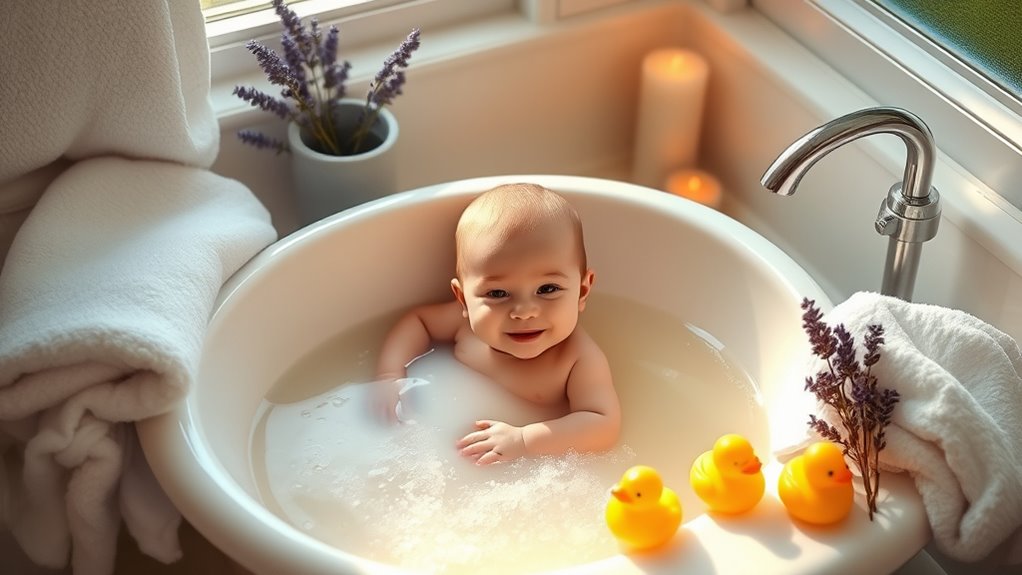
To safely bathe your baby in Epsom salt, start by adding 1 to 2 tablespoons of pure Epsom salt per gallon of warm (not hot) water. Make sure the salt is fully dissolved before placing your baby in the bath. This gentle bath routine helps soothe your baby’s skin and promote relaxation.
Keep your baby’s soak time short—about 10 to 15 minutes—to avoid skin irritation. Never leave your baby unattended during the bath. After soaking, rinse your baby gently with clean water.
Pat your baby’s skin dry with a soft towel and apply a mild moisturizer to keep their skin hydrated. Watch closely for any signs of irritation or discomfort during and after the bath. Following these steps ensures a safe and soothing Epsom salt bath experience for your little one.
What Is Epsom Salt and Is It Safe for Babies?
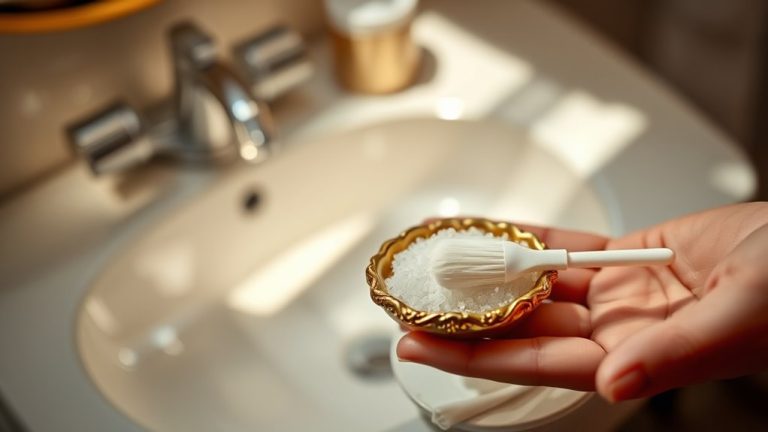
Epsom salt, which is actually magnesium sulfate and not true salt, offers therapeutic benefits when added to baths. When you use Epsom salt for your infant’s bath, you’re introducing magnesium and sulfate ions that can be absorbed through the skin. This absorption may help soothe and relax your baby.
Epsom salt is generally safe for infants as long as you use a high-quality, pure product and dilute it properly in the bathwater. Always supervise your baby during the bath to ensure safety.
Keep in mind, Epsom salt is intended for external use only; never let your baby ingest it. Using Epsom salt carefully allows you to provide a gentle, potentially beneficial bath experience that supports your infant’s skin and overall comfort.
Why Magnesium Matters in Epsom Salt Baths for Babies

You’ll want to understand how magnesium in Epsom salt supports your baby’s muscle and nerve function while promoting relaxation.
When absorbed through their skin during a bath, magnesium can help soothe irritation and aid skin repair.
Just be sure to follow safety guidelines to guarantee your baby gets the benefits without any risks.
Magnesium’s Role In Infants
Because magnesium supports muscle function, nerve transmission, and bone health, it plays a vital role in your baby’s development. In infants, magnesium helps regulate over 300 enzyme systems essential for growth and metabolism.
You want to guarantee your baby maintains proper magnesium levels, as magnesium deficiency can cause irritability, poor feeding, and muscle cramps.
Epsom salt baths provide a gentle way to support magnesium absorption, complementing their diet without overwhelming their system.
By promoting healthy muscle function and nerve transmission, magnesium helps soothe your baby’s nervous system, encouraging relaxation and better sleep.
Understanding magnesium’s role in infants highlights why incorporating safe Epsom salt baths can be a beneficial addition to your baby’s care routine, supporting overall bone health and well-being.
Absorption Through Baby Skin
Magnesium plays a key role in your baby’s health, and one effective way to support this is through baths containing magnesium sulfate, commonly known as Epsom salt.
During Epsom salt baths, magnesium absorption occurs through your baby’s skin, which acts as a barrier but allows some magnesium sulfate to penetrate.
Factors like water temperature and bath duration influence how much magnesium is absorbed—warmer water and longer soaks can increase absorption but should be carefully managed.
The skin permeability of your baby, especially if delicate or irritated, also affects absorption rates.
While the exact amount of magnesium absorbed varies and isn’t precisely measurable, these baths can provide gentle magnesium supplementation.
Safety Precautions For Magnesium
While Epsom salt baths can support your baby’s muscle and nerve health, you need to take careful precautions to avoid excess magnesium absorption.
Magnesium is absorbed through the skin, but infants’ delicate skin and immature kidneys make them vulnerable to overdose. To verify safety, follow these steps:
- Use only recommended amounts of Epsom salt to limit magnesium concentration in the bathwater.
- Keep the bath duration short to reduce absorption through the skin.
- Always supervise your baby during the bath to monitor for signs of drowsiness or discomfort.
- Consult your pediatrician before starting Epsom salt baths to confirm it’s safe for your infant.
How Much Epsom Salt to Use for Infants

You’ll want to use about 1 to 2 cups of pure Epsom salt in a standard infant bath. Make sure it fully dissolves before your baby gets in.
Keep the water warm but not hot, and limit bath time to 15-20 minutes to protect your baby’s skin.
Always check with a healthcare provider if you’re unsure about the right amount or safety.
Recommended Salt Quantity
Because infants have sensitive skin, you should use only a small amount of Epsom salt when preparing their bath. To guarantee safety and comfort during the infant bath, follow these guidelines for the recommended quantity:
- Add 1 to 2 tablespoons (or about 1 to 2 teaspoons per gallon) of Epsom salt.
- Use no more than 1/4 to 1/2 cup of pure Epsom salt for a standard-sized baby bath.
- Always dissolve the salt fully in warm water before placing your baby in the tub.
- Limit baths with Epsom salt to once or twice weekly to avoid skin irritation.
Sticking to these amounts helps maintain the recommended quantity for safety and ensures the salt is effective without harming your baby’s delicate skin.
Dilution And Safety
Although it’s tempting to add more Epsom salt for extra benefits, you should never exceed 1 to 2 cups in a standard baby bath. Always make sure the salt is fully dissolved before placing your infant in the water.
Proper dilution is vital for safety, ensuring even distribution and preventing skin irritation.
Keep the water temperature lukewarm, around 90-100°F (32-38°C), to avoid burns.
Limit your baby’s soak time to 15-20 minutes to prevent skin dryness and overexposure to magnesium sulfate.
Always add the recommended amount of Epsom salt before your baby enters the bath.
If you’re ever unsure about the right dilution or safety measures, consult a healthcare professional to protect your infant’s delicate skin and health.
Preparing Water for Baby’s Epsom Salt Bath
When preparing water for your baby’s Epsom salt bath, maintaining a lukewarm temperature around 37°C (98.6°F) is essential to keep their skin comfortable and safe.
To guarantee a safe and soothing bath, follow these steps:
- Fill the tub gently, setting the water level to cover your baby’s body without submerging the head.
- Add 1-2 cups of pure Epsom salt, stirring until fully dissolved.
- Use a bath thermometer to monitor the temperature, making sure it stays consistent and below 38°C (100.4°F).
- Regularly check the water temperature with your wrist during the bath to maintain a safe, lukewarm water environment.
How to Give Your Baby an Epsom Salt Bath
Before you start, make sure the water is lukewarm and the Epsom salt is fully dissolved in the infant basin. Add 1-2 cups of pure Epsom salt to warm water, stirring well to ensure it dissolves completely.
Start with lukewarm water and dissolve 1-2 cups of pure Epsom salt completely before bathing your baby.
Gently lower your baby into the bath, keeping a close watch for any signs of skin irritation or discomfort. This safe bathing method allows magnesium in the Epsom salt to provide a soothing effect on your baby’s skin and muscles.
Always supervise your baby during the bath to maintain safety.
After the bath, gently pat your baby dry without rinsing off the salt, avoiding soap to let the magnesium absorb. This process helps maximize the soothing benefits of the Epsom salt in your baby bath.
How Long Should a Baby Soak in an Epsom Salt Bath?
How long should your baby soak in an Epsom salt bath to gain the most benefit without risking skin dryness? To guarantee a safe soaking time, follow these guidelines:
- Start with a short duration of around 10 minutes to see how your baby’s skin responds.
- Limit the bath to a maximum of 15-20 minutes to prevent skin irritation and excessive moisture loss.
- Always monitor your baby during the bath for any signs of discomfort or redness.
- After soaking, gently pat your baby dry without immediately applying soap to preserve the benefits of the Epsom salt bath.
Essential Safety Tips for Baby’s Epsom Salt Bath
Since your baby’s delicate skin is especially sensitive, you’ll want to take several important precautions during an Epsom salt bath to guarantee safety and comfort. Always use lukewarm water and make sure the Epsom salt is fully dissolved before placing your baby in the tub to avoid burns or skin irritation.
Limit the soak time to 15-20 minutes and never leave your infant unattended. Baby bath safety means you should closely supervise your little one throughout the entire soak time to prevent accidents.
Use only 1-2 cups of pure Epsom salt, adjusting for your baby’s age and weight to avoid skin dryness. Following these steps helps you provide a safe, soothing Epsom salt bath that supports your baby’s well-being.
Post-Bath Care for Baby’s Skin
Once your baby’s Epsom salt bath is over, you’ll want to gently rinse their skin with lukewarm water to wash away any leftover salt.
Proper post-bath skin care is essential, especially for sensitive skin. Follow these steps to protect your baby’s delicate skin:
Proper post-bath care is key to protecting your baby’s delicate, sensitive skin from dryness and irritation.
- Use lukewarm water to gently rinse off residual salt without causing skin dryness.
- Pat the skin dry softly with a clean towel—avoid rubbing to prevent skin irritation.
- Skip soap right after the bath to maintain the salt’s beneficial effects and avoid drying out the skin.
- Apply a mild, fragrance-free moisturizer to lock in moisture and support the skin barrier.
This routine helps prevent skin dryness and irritation, keeping your baby’s skin healthy and comfortable.
Warning Signs After Baby’s Epsom Salt Bath and When to Call a Doctor
After caring for your baby’s skin post-bath, it’s important to keep an eye out for any unusual reactions following an Epsom salt bath. Watch for skin irritation like redness, swelling, or rash.
If you notice signs of fussiness, lethargy, or trouble breathing, seek medical attention immediately. Overdose symptoms and accidental ingestion can cause vomiting, diarrhea, or abdominal discomfort—these require prompt care.
Always monitor your baby closely during and after the bath. Call a doctor if your baby shows a slow heart rate, weakness, or excessive drowsiness.
Being vigilant about these warning signs ensures your baby stays safe and healthy. Don’t hesitate to contact emergency services if any concerning symptoms develop after the Epsom salt bath.
Frequently Asked Questions
Can a Baby Have an Epsom Salt Bath?
Yes, you can give your baby an Epsom salt bath using 1-2 cups in warm water for 15-20 minutes. Always supervise closely, avoid if there are skin issues, and consult your pediatrician first.
How to Use Epsom Salt for Babies?
Did you know 90% of parents report Epsom salt baths soothe their babies? You’ll dissolve 1-2 cups in warm water, soak your baby 15-20 minutes, supervise closely, then gently pat dry—no soap right after.
Why Did Jessica Biel Use so Much Epsom Salt?
Jessica Biel used so much Epsom salt to maximize magnesium absorption, helping her relax and detoxify her skin.
You’ll find that higher amounts can soothe sore muscles and promote a calming effect, but moderation is key.
Is It Necessary to Rinse off After an Epsom Salt Bath?
Yes, you should rinse off after an Epsom salt bath to prevent skin dryness and irritation.
Use lukewarm water and gently pat your baby’s skin dry to keep it moisturized and healthy.
Conclusion
Using Epsom salt baths for your baby can be a gentle way to soothe their skin and relax their muscles. Did you know that about 60% of magnesium absorbed through the skin can help improve skin hydration? Just remember to follow the right amount and safety tips carefully.
Always keep an eye on your little one during the bath, and if you notice any unusual reactions, don’t hesitate to contact your pediatrician. Safe bathing practices are essential when using Epsom salt with babies to ensure their comfort and health.
In conclusion, bathing babies in Epsom salt can be beneficial, but it’s important to use the correct amount and monitor your baby closely. Prioritizing safety and proper usage will help you enjoy the soothing effects of Epsom salt baths for your baby.