How to Use Epsom Salt to Help Poison Ivy Rash
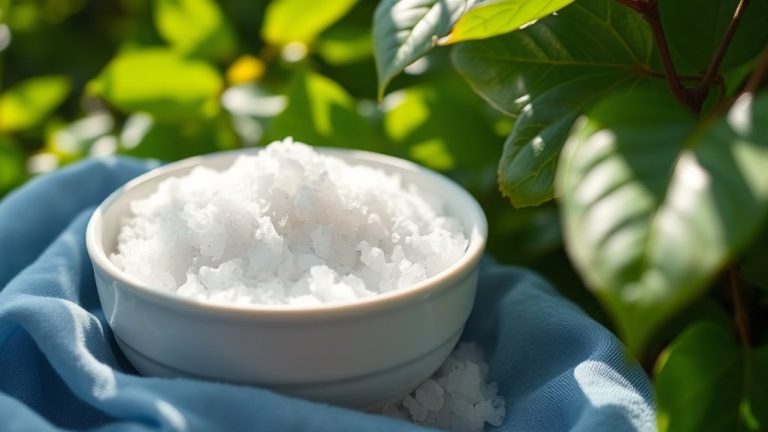
You can ease poison ivy rash by soaking in a warm bath with about 2 cups of Epsom salt for 12 minutes, 1-2 times daily. This helps reduce swelling and itching, providing soothing relief. Epsom salt is a popular remedy due to its anti-inflammatory properties.
Alternatively, apply a compress soaked in diluted Epsom salt for 15-20 minutes. Always clean the rash before use and avoid applying treatments to open blisters.
Don’t overdo treatments to prevent dryness, as excessive use can irritate the skin. If symptoms persist, seek medical advice promptly. Keep exploring to discover how to safely combine Epsom salt with other remedies for better relief.
Why Epsom Salt Helps Poison Ivy Rash Relief
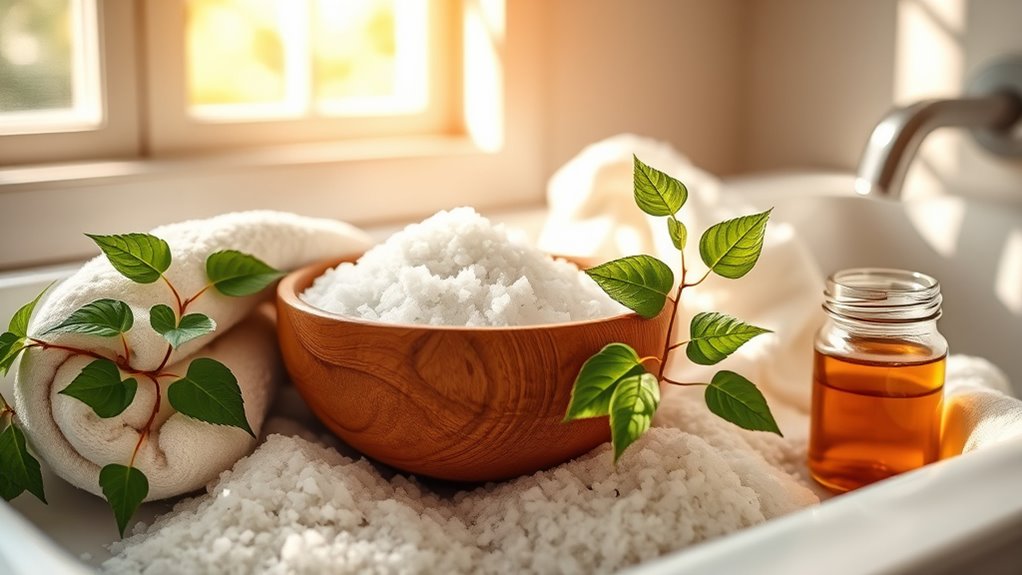
Although poison ivy rashes can be stubborn and uncomfortable, using Epsom salt can provide effective relief by reducing inflammation and swelling.
When you apply Epsom salt to the affected area, its magnesium sulfate works to draw moisture out of your skin, helping to decrease swelling and dry out blisters caused by poison ivy.
This process also lowers nerve firing, which means you’ll feel less itching and discomfort.
Epsom salt’s ability to pull out toxins and moisture prevents secondary infections, making it easier for your rash to heal.
Whether you soak or use compresses, Epsom salt cools and calms irritated skin, speeding up recovery and providing much-needed relief from the annoying symptoms of poison ivy.
Preparing an Epsom Salt Bath for Rash Relief
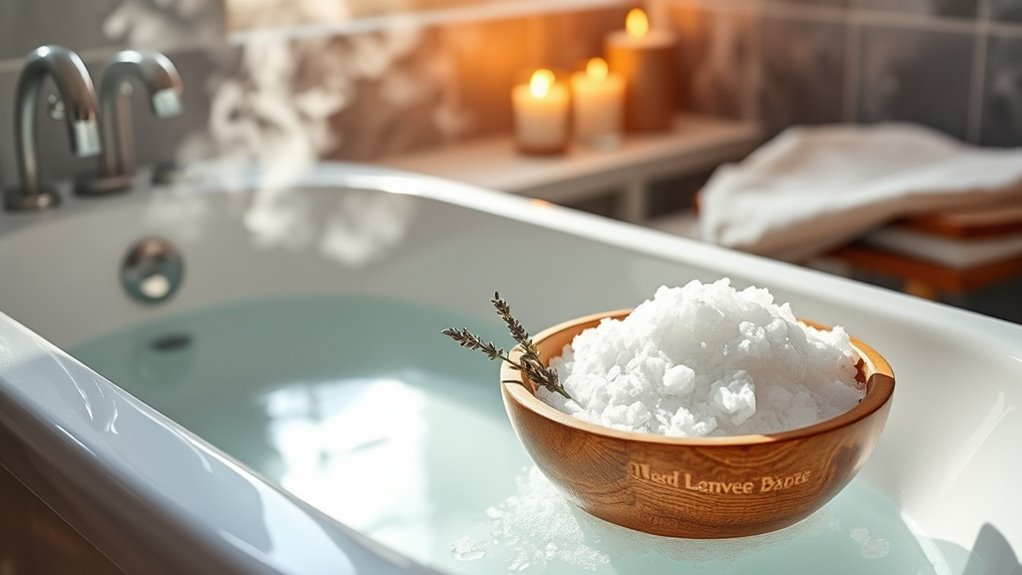
Start by filling your bathtub with warm water—comfortable enough to soothe without causing irritation—and add about 2 cups of Epsom salt, stirring until it dissolves completely.
Make sure the water temperature is just right to avoid aggravating your rash.
Plan to soak for at least 12 minutes to get the full relief benefits.
Epsom Salt Measurement
To prepare an effective Epsom salt bath for your poison ivy rash, add 2 cups of Epsom salt to a standard-sized bathtub filled with warm water. Proper measurement guarantees the right concentration for soothing soaking.
Follow these steps to get it right:
- Measure 2 cups of Epsom salt using a standard measuring cup.
- Sprinkle the salt under running water as the tub fills for faster dissolution.
- Stir the water well to completely dissolve the Epsom salt before soaking.
- Confirm the water is comfortably warm—not too hot—to avoid irritating your rash.
Accurate Epsom salt measurement and thorough mixing create the best environment for reducing itching and inflammation during your soak.
Bath Temperature Guidelines
When preparing your Epsom salt bath, keep the water temperature between 100 and 104°F (38-40°C) to maximize comfort and soothe your poison ivy rash effectively. Warm water helps dissolve the Epsom salt fully, allowing its soothing properties to work on irritated skin.
Avoid hotter water above 104°F, as it may worsen your rash or cause discomfort. If the water cools during your soak, add warm water to maintain the ideal temperature.
Proper temperature ensures the Epsom salt can reduce inflammation and itching caused by poison ivy. By controlling bath temperature carefully, you enhance the relief and avoid further skin irritation.
This step is key when you use Epsom salt to calm your poison ivy rash.
Soaking Duration Recommendations
Although soaking your poison ivy rash in an Epsom salt bath can bring relief, spending the right amount of time in the water is crucial. To get the most from your soak, follow these soaking duration recommendations:
- Add 2 cups of Epsom salt to a warm bath and stir well to dissolve.
- Soak the affected skin for at least 12 minutes to allow the salt to reduce itching and inflammation.
- Keep the water warm but avoid hot temperatures that might irritate your skin.
- Repeat this bath 1-2 times daily as needed for continued relief.
Epsom Salt Compresses and Pastes for Rash Relief
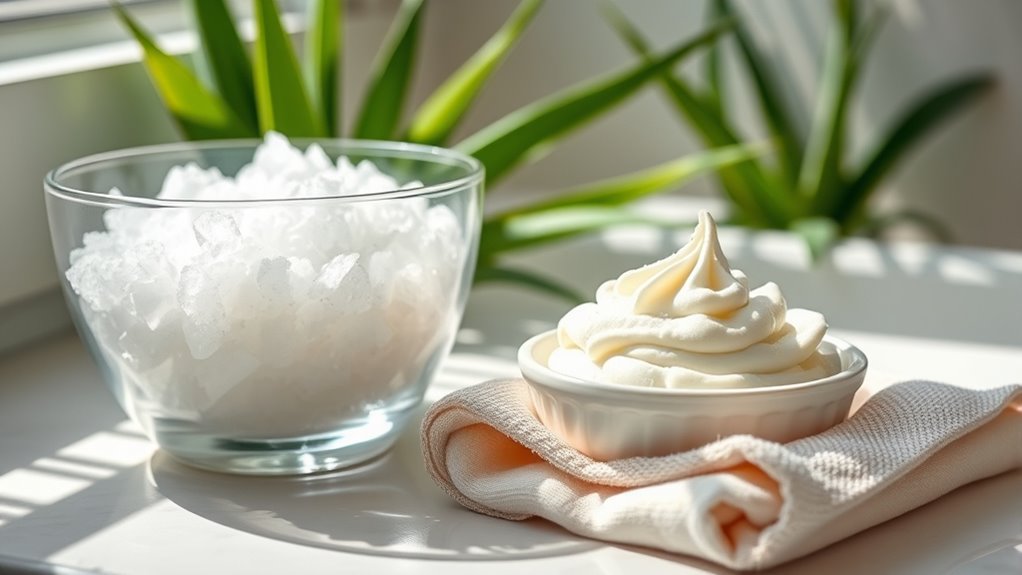
You can make an Epsom salt compress by soaking a cloth in cold saltwater or prepare a paste by dissolving salt in hot water and letting it cool.
Applying these treatments directly to clean, dry skin helps reduce itching and inflammation from poison ivy.
Make sure to follow safe steps to get the best relief without irritating your rash further.
Making Epsom Salt Compress
If you want to soothe your poison ivy rash quickly, making an Epsom salt compress is a simple and effective method. Here’s how you can prepare one:
- Dissolve 1 to 2 tablespoons of Epsom salt in a cup of hot or cold water.
- Soak a clean cotton washcloth or gauze pad in the Epsom salt solution until fully saturated.
- Wring out any excess liquid to avoid dripping, then apply the compress directly to the affected skin.
- Leave it on for 15 to 20 minutes to help reduce swelling and itching.
Repeat this compress application 2 to 3 times daily for the best relief.
Using an Epsom salt compress regularly can effectively ease your poison ivy rash symptoms.
Preparing Epsom Salt Paste
When treating a poison ivy rash, preparing an Epsom salt paste can provide targeted relief by drying out blisters and reducing irritation. To make the paste, mix 1 teaspoon of Epsom salt with a small amount of hot water until it forms a thick consistency.
Make sure your skin is clean and dry before applying the paste directly to the rash to enhance absorption and effectiveness. You can also use a clean cotton cloth soaked in Epsom salt solution as a compress.
Apply the paste or compress gently to the affected area. Repeat this treatment 2-3 times daily to help reduce itching, swelling, and promote drying of poison ivy blisters.
This simple Epsom salt paste is an effective way to soothe your rash quickly.
Applying Treatments Safely
Although Epsom salt compresses and pastes can relieve poison ivy rash symptoms, applying them safely is essential to avoid irritation or infection. Follow these steps to ensure proper use:
- Clean and dry the affected skin thoroughly before application to prevent infection.
- For compresses, soak a cotton cloth in a cold Epsom salt solution (2 tablespoons per cold water), then apply for 15-20 minutes.
- For pastes, dissolve 1 teaspoon of Epsom salt in hot water, chill for 20 minutes, dry the skin, and gently apply the paste.
- Use treatments only as temporary relief and consult a healthcare professional if symptoms persist or worsen.
How Often to Use Epsom Salt Safely on Poison Ivy Rash
Since overusing Epsom salt baths can dry out your skin, you should limit soaking to one or two times daily to safely ease the itching and inflammation caused by poison ivy rash.
For each soak, add 2 cups of Epsom salt to warm bath water and soak for at least 12 minutes to get the best relief.
Don’t exceed two Epsom salt baths per day, as too much can cause dryness or irritation.
After soaking, let your skin dry completely before applying any moisturizers or other treatments.
If your poison ivy rash worsens or doesn’t improve after two weeks despite regular Epsom salt soaks, make sure to consult a healthcare professional for further advice and treatment options.
Combining Epsom Salt With Other Natural Remedies
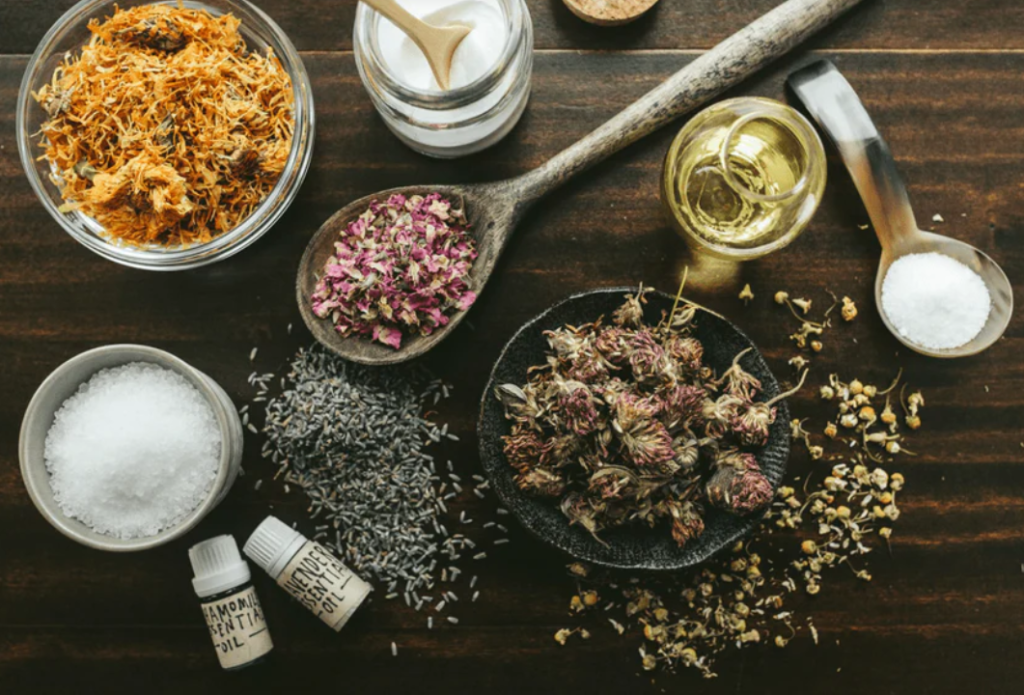
Combining Epsom salt with other natural remedies can boost its effectiveness in soothing poison ivy rash. You can enhance relief by pairing Epsom salt with:
- Oatmeal or baking soda in baths to reduce inflammation and calm skin irritation.
- A few drops of tea tree or lavender essential oil in your Epsom salt soak for added antiseptic and anti-inflammatory benefits.
- Jewelweed juice compresses alongside Epsom salt to decrease itching and promote healing.
- Apple cider vinegar mixed in your Epsom salt bath to amplify detoxifying and antimicrobial effects.
Additionally, applying a paste made from Epsom salt combined with turmeric or aloe vera gel delivers powerful anti-inflammatory and soothing properties.
Using these natural remedies together helps you maximize the calming and healing potential of Epsom salt on poison ivy rash.
Precautions for Safe Epsom Salt Use on Poison Ivy
When using Epsom salt to ease poison ivy rash, you should take certain precautions to guarantee safe and effective relief. First, use only USP-grade Epsom salt to guarantee safety and proper efficacy.
Avoid applying Epsom salt directly on open blisters or severely broken skin, as this can cause irritation.
Remember, Epsom salt offers temporary relief and shouldn’t replace primary treatments for poison ivy. Always prepare your skin properly before application and consider combining Epsom salt with other natural remedies for better results.
Epsom salt provides temporary relief and should complement, not replace, primary poison ivy treatments.
If your rash worsens or doesn’t improve after a week, consult a healthcare professional promptly.
Taking these precautions will help you use Epsom salt safely while managing your poison ivy rash effectively.
Choosing the Right Epsom Salt for Skin Treatment
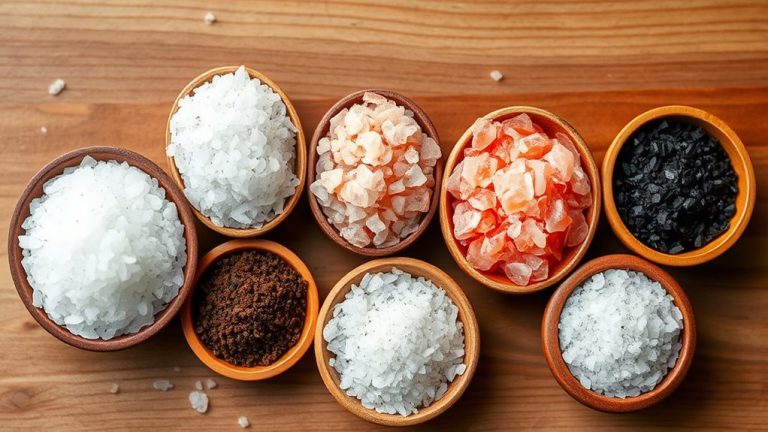
Although many Epsom salts look similar, choosing the right one for skin treatment is crucial to avoid irritation and guarantee safety. When selecting Epsom salt to soothe your poison ivy rash, keep these tips in mind:
- Pick Epsom salt with the USP designation to ensure purity and safety.
- Choose plain, additive-free salt without fragrances or dyes to prevent allergic reactions.
- Avoid products containing chemicals that might irritate sensitive skin.
- Opt for coarse crystals, as they dissolve better in baths or compresses than fine powders.
Also, make sure the packaging states it’s safe for human use, especially if you buy from non-pharmacy stores.
Following these guidelines helps you use Epsom salt effectively and safely for your skin treatment.
When to Use Epsom Salt and When to See a Doctor
If your poison ivy rash causes mild itching and swelling, using Epsom salt baths or compresses can provide soothing relief. These remedies help reduce discomfort temporarily but aren’t a cure.
You should see a doctor if the rash worsens, spreads extensively, or lasts more than a week despite treatments. Also, seek medical help immediately if you experience severe swelling, difficulty breathing, fever, or signs of infection like pus or increased redness.
Don’t rely solely on Epsom salt remedies if new symptoms develop or if you have underlying health conditions that could complicate the rash. Always prioritize professional evaluation to guarantee safe and effective care for your poison ivy rash.
Additional Tips to Support Skin Healing With Epsom Salt
Since Epsom salt offers multiple benefits for poison ivy rash, you can enhance skin healing by incorporating it thoughtfully into your routine. Here are additional tips to support your recovery:
- Add two cups of Epsom salt to a warm bath to reduce inflammation and promote skin healing.
- Apply an Epsom salt compress after soaking to draw out excess moisture and soothe itching.
- Use Epsom salt regularly for gentle exfoliation, which helps remove dead skin cells and speeds healing.
- Combine Epsom salt treatments with aloe vera to boost overall skin healing and comfort.
Frequently Asked Questions
Does Epsom Salt Help With Poison Ivy Rash?
Yes, Epsom salt can help reduce your poison ivy rash’s swelling and itching. You’ll feel relief from discomfort, but it won’t cure the allergy itself, so use it alongside other treatments for best results.
Would Epsom Salt Help a Rash?
You’ll find that 70% of people report reduced itching using Epsom salt. It helps dry out rashes and lessen inflammation, so you can relieve discomfort quickly by soaking or applying compresses regularly.
Will Salt Water Dry Out Poison Ivy?
Yes, salt water can help dry out poison ivy by drawing moisture from your skin and reducing oozing.
Just don’t overdo it, as too much salt exposure might irritate your skin further and worsen discomfort.
Does Epsom Salt Bath Draw Out Infections?
Epsom salt baths don’t directly draw out infections, but they soothe itching and reduce inflammation. You can use them to promote healing, yet remember, proper medical care is essential if a bacterial infection develops.
Conclusion
Using Epsom salt to soothe your poison ivy rash is like giving your skin a gentle rain that washes away discomfort and speeds healing. It helps reduce inflammation and draws out toxins, providing much-needed relief. You can add Epsom salt to a warm bath or make a compress to apply directly on the rash.
Just remember to use it safely and consistently, whether in a bath or as a compress. Keep the water warm but not hot, and soak or apply for about 15-20 minutes. Doing this regularly can help calm the itching and promote faster recovery.
Pair it with other natural remedies for the best results, such as aloe vera or oatmeal baths. But don’t hesitate to see a doctor if symptoms worsen or if you experience severe reactions. With care and patience, you’ll help your skin bounce back stronger and calmer, making Epsom salt a valuable part of your poison ivy rash treatment.