How to Safely Rinse With Salt Water After Tooth Extraction
You can safely start rinsing with saltwater about 24 hours after your tooth extraction, once initial bleeding has stopped. Rinsing with salt water after tooth extraction helps keep the area clean and promotes healing.
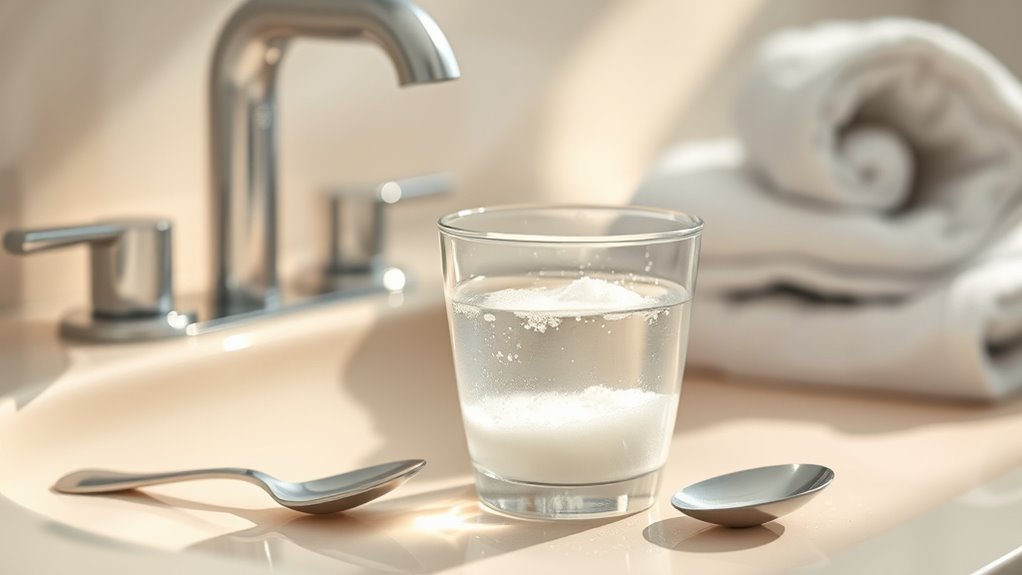
Mix one teaspoon of salt in a warm 8-ounce glass of water, then gently swirl small sips in your mouth for 30 seconds. Be careful not to dislodge the blood clot during rinsing.
Do this 2-3 times daily, especially between meals. Following these steps helps ease healing and prevent infection.
Keep going to discover tips on avoiding common mistakes and recognizing warning signs.
When Can You Safely Start Rinsing With Saltwater?

Although it might be tempting to rinse right away, you should wait at least 24 hours after your tooth extraction before starting saltwater rinses. During this time, the blood clot forms and stabilizes in the extraction site, which is essential for proper healing.
Rinsing too soon can dislodge this clot and cause bleeding or dry socket, delaying recovery. Once the initial bleeding has slowed, you can begin gently rinsing with saltwater to keep the area clean.
Always follow your dentist’s instructions about when to start rinsing, but generally, waiting 24 hours lets your mouth begin healing safely without disrupting the clot.
Taking this precaution helps ensure a smoother, faster recovery after your extraction.
Why Salt Water Helps Your Mouth Heal After Extraction
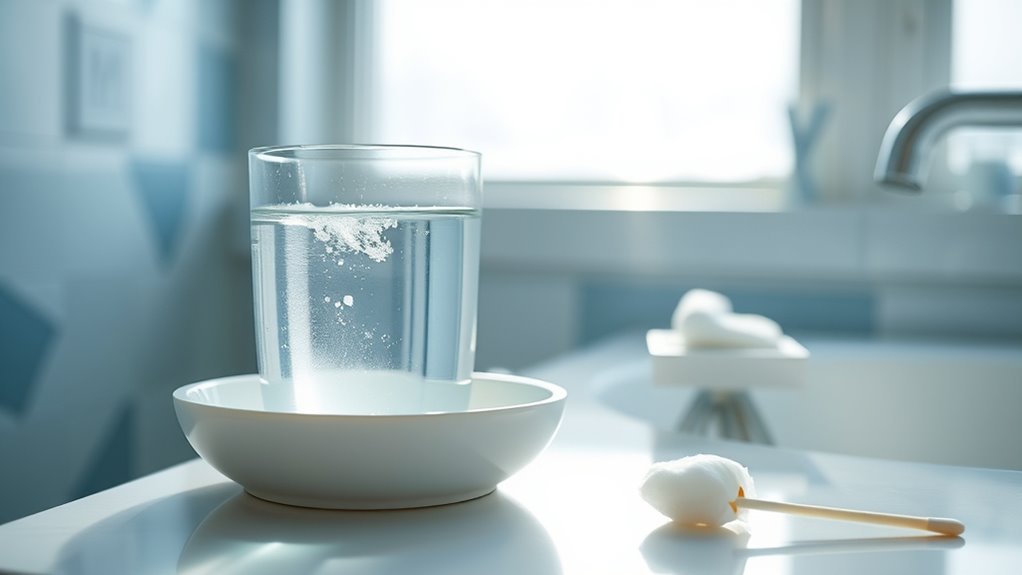
Once you start rinsing with salt water after your tooth extraction, you’ll notice it does more than just clean the area. Salt water helps reduce inflammation and swelling around the extraction site, speeding up your mouth’s healing process.
Rinsing with salt water after extraction reduces swelling and speeds up healing.
Its antibacterial properties fight harmful bacteria, lowering the risk of infection. This natural rinse soothes the wound, easing pain and providing comfort when brushing feels too harsh.
Salt water creates an environment that discourages bacterial growth, keeping the extraction site clean and healthy. By gently rinsing, you support your mouth’s recovery without disturbing sensitive oral tissues.
Using salt water after your extraction guarantees a safer, cleaner healing experience, helping you get back to normal faster while protecting against complications caused by inflammation and bacteria.
How to Make the Best Saltwater Rinse
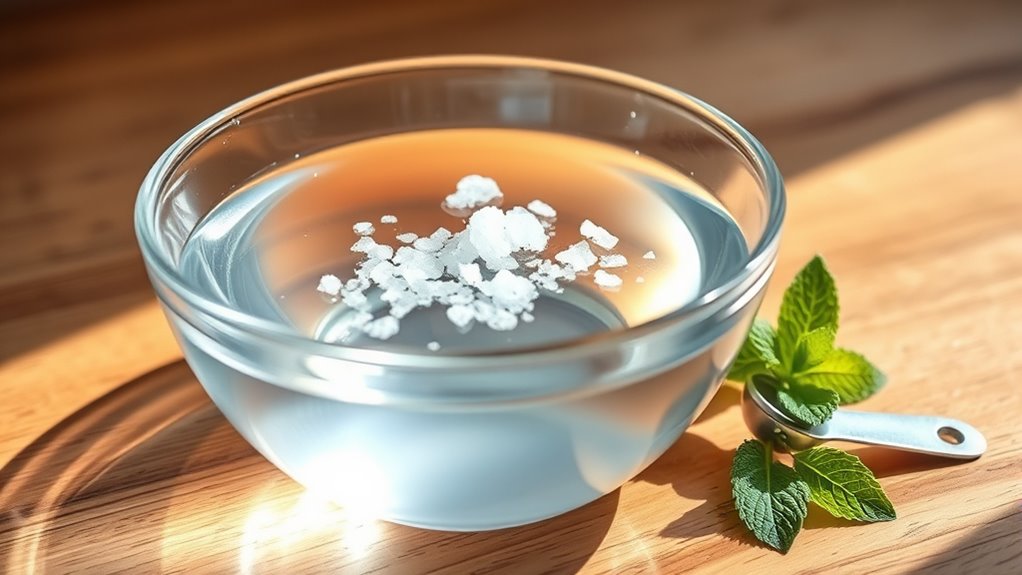
To make the best saltwater rinse, dissolve one teaspoon of salt in an 8-ounce cup of warm water, guaranteeing the salt fully dissolves before use.
Use warm water close to body temperature to avoid irritating the surgical site while promoting comfort. Stir the solution thoroughly to create a consistent saltwater rinse that effectively supports your oral hygiene routine.
Avoid using water that’s too hot, as it can harm healing tissues around the extraction area. Always prepare a fresh rinse each time to maintain cleanliness and maximize its healing benefits.
This gentle solution helps clean your teeth and the surgical site, reducing bacteria without disrupting the delicate healing process.
Following these simple steps ensures your saltwater rinse is both safe and effective.
How to Rinse Without Dislodging the Blood Clot
When you rinse after a tooth extraction, you need to be very gentle to protect the blood clot that forms in the socket. Using saltwater correctly helps avoid dislodging this essential clot and prevents bleeding.
Follow these steps to rinse safely:
Follow gentle rinsing steps to protect the blood clot and promote healing after a tooth extraction.
- Take a small sip of saltwater and swirl it softly around your mouth for at least 30 seconds without force.
- Carefully spit out the solution without harshly disturbing the extraction site.
- Limit saltwater rinses to 2-3 times daily to support healing without risking clot disruption.
How Often Should You Use Saltwater Rinses?
You should start rinsing with saltwater about 24 hours after your extraction, doing it 3 to 4 times a day.
Each rinse should last around 30 seconds to avoid disturbing the blood clot.
Stick with this routine for about a week to help your mouth heal properly.
Recommended Rinse Frequency
Although it might be tempting to rinse frequently after a tooth extraction, you should limit saltwater rinses to 2 to 3 times daily starting 24 hours after the procedure. This frequency helps protect the blood clot, essential for proper healing, while reducing the risk of infection.
Using saltwater rinses more than 4 times a day can actually dislodge the clot and delay recovery. To guarantee the best results, follow these guidelines:
- Rinse gently for about 30 seconds each time to clean without disturbing the wound.
- Maintain consistent frequency—twice daily rinses effectively reduce bacteria.
- Always follow your dentist’s instructions regarding rinse frequency.
Timing After Extraction
Since proper timing plays a crucial role in healing, start rinsing with saltwater 24 hours after your tooth extraction unless your dentist tells you otherwise.
You should rinse gently 3 to 4 times daily to support healing and prevent infection. Make sure your timing avoids disturbing the blood clot—swish the saltwater softly for about 30 seconds each time.
Also, wait at least 4 to 6 hours after eating before rinsing to protect the extraction site.
Consistent saltwater rinsing during this important period helps maintain a clean environment and promotes recovery. Stick with this timing routine for up to a week or as your dental professional recommends, ensuring you don’t rush or delay rinsing to optimize your healing process.
Duration Per Rinse
After waiting the recommended 24 hours to begin rinsing, it’s important to manage how often and how long you rinse with saltwater each day.
To protect the blood clot and promote healing post-extraction, follow these guidelines carefully:
- Rinse with salt water 3 to 4 times daily to reduce bacteria and support faster healing.
- Each rinse should last about 30 seconds—long enough to clean without dislodging the blood clot.
- Avoid rinsing more than 4 times a day to prevent irritation or disturbing the healing site.
Mistakes to Avoid When Using Saltwater Rinses
When you rinse after a tooth extraction, avoid vigorous swishing to protect the blood clot.
Dislodging that clot can delay healing and cause complications.
Gentle rinsing is key to a smooth recovery.
Avoid Vigorous Swishing
Although rinsing with saltwater is essential for healing, you shouldn’t swish vigorously, as this can dislodge the blood clot and delay recovery.
Vigorous swishing increases the risk of dry socket, a painful complication that prolongs healing.
Instead, practice gentle rinsing by taking a small sip of saltwater, letting it sit briefly, and spitting out slowly without force. Avoid aggressive swirling to protect the surgical site and surrounding tissues.
Remember these key points:
- Use light, controlled movements when swishing saltwater.
- Avoid rinsing altogether for the first 24 hours after extraction.
- Be mindful that vigorous swishing can traumatize tissues and dislodge the blood clot.
Prevent Blood Clot Dislodgement
Since rinsing with saltwater is essential for healing, you need to be careful to avoid actions that can dislodge the blood clot. After your tooth extraction, don’t rinse immediately—wait at least 24 hours to let the blood clot stabilize.
When you do rinse, use a mild, lukewarm salt water solution to avoid irritating the healing tissue. Swish gently without force; vigorous swishing can easily dislodge the clot, slowing healing and causing bleeding.
Also, avoid mouthwashes with alcohol or harsh ingredients that might disrupt the clot. When spitting out the salt water rinse, do it gently—forceful expelling can damage the extraction site.
Protecting the blood clot ensures smooth healing and prevents complications after your extraction.
Warning Signs to Watch For After Rinsing
If you notice persistent bleeding or worsening pain after rinsing, you could be dealing with a complication that needs prompt dental care. Watch closely for warning signs that indicate trouble, such as:
- Bleeding and dislodgement: Continued or increased bleeding might mean the blood clot has been disturbed, risking dry socket or delayed healing.
- Pain and infection: Sharp, severe pain or a foul odor despite rinsing can signal infection or dry socket development.
- Swelling and other signs: Swelling that worsens or won’t improve, visible exposed bone, or symptoms like fever and chills are red flags of infection.
Recognizing these signs early helps you avoid serious issues and ensures your recovery stays on track.
Don’t overlook these symptoms after rinsing.
When to Contact Your Dentist About Post-Extraction Care
Recognizing warning signs after rinsing is your first step in protecting your recovery. You should contact your dentist if you experience prolonged bleeding, severe pain, or if you dislodge the blood clot, which can lead to dry socket.
Also, watch for signs of infection like swelling, pus, or bad odor. Prompt post-extraction care is vital to prevent complications.
| Warning Sign | When to Contact Your Dentist |
|---|---|
| Bleeding | If bleeding lasts beyond 2 hours |
| Dry Socket Symptoms | Severe pain or exposed bone after clot loss |
| Signs of Infection | Swelling, pus, or foul odor develops |
Don’t hesitate to reach out if you notice numbness or unusual discomfort. Early contact ensures proper healing.
Frequently Asked Questions
How to Rinse With Saltwater After Tooth Extraction?
You mix a teaspoon of salt in warm water, take a small sip, gently swish for 30 seconds, then spit carefully without force.
Do this 2-4 times daily to help your extraction heal safely.
How Long Do I Rinse With Salt Water After Extraction?
Like a gentle breeze, you should rinse with salt water for about 30 seconds each time, 3 to 4 times daily.
Continue this routine for 7 to 10 days until your extraction site fully heals. This will help guarantee proper recovery.
Can Swishing Salt Water Cause Dry Socket?
Yes, swishing salt water too vigorously can cause dry socket by dislodging the blood clot.
You should rinse gently to protect the healing site and reduce infection risk without disturbing the clot.
Conclusion
Just like a gentle tide nurturing a fragile shell, your saltwater rinse soothes and protects your healing mouth after extraction. Start rinsing only when it feels right, using the right mix and gentle swirls to keep that precious blood clot safe.
Trust this simple ritual to help your smile rebuild its strength. Listen to your body—if anything feels off, reach out to your dentist.
Your care today is the seed for tomorrow’s healthy smile. Safe rinsing with salt water after tooth extraction is essential for proper healing and preventing complications.