How to Use Salt Water Rinse Without Dislodging a Blood Clot
You should wait at least 24 hours after your extraction before starting salt water rinses to protect the blood clot. Using a salt water rinse correctly is essential for healing without dislodging the clot.
Mix one teaspoon of salt with eight ounces of warm water, then gently swish the solution around your mouth for about 30 seconds without force. Avoid vigorous rinsing or spitting hard, as this can dislodge the clot and delay healing.
Keep rinses to a few times daily, and you’ll find more ways to support your recovery ahead.
When Should You Start Salt Water Rinses After Extraction?
Although it might be tempting to rinse immediately after your extraction, you should wait at least 24 hours before starting salt water rinses. During this time, saliva helps with clot formation, which is vital for initial healing. An early rinse can dislodge the blood clot, increasing the risk of complications like dry socket.
Most dental professionals recommend beginning a gentle rinse 24 to 48 hours post-extraction. When you do start, use a soft swish to avoid disturbing the clot.
Proper timing is essential—following your dentist’s instructions ensures you promote healing without risking damage.
Preparing the Right Salt Water Solution for Healing
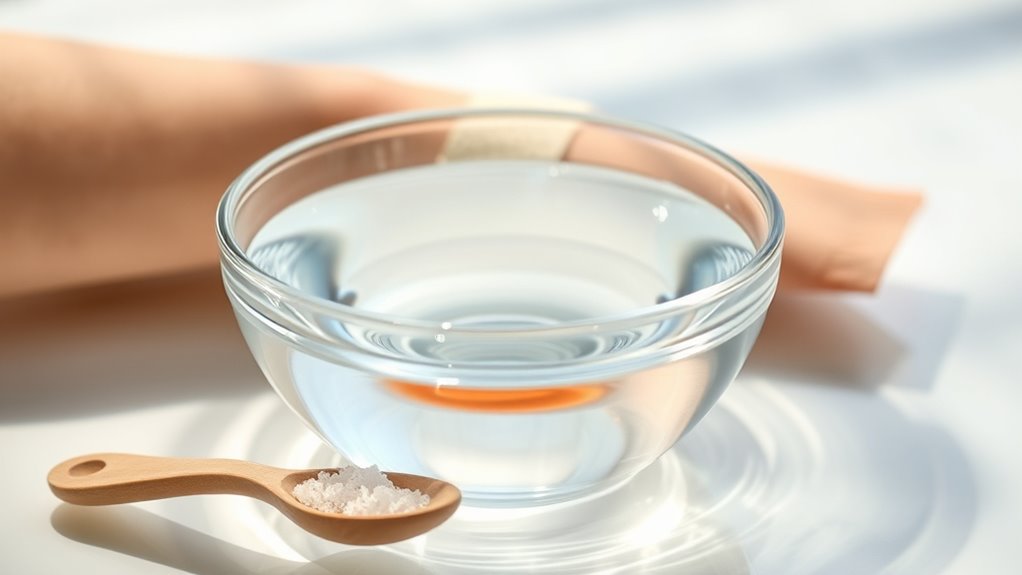
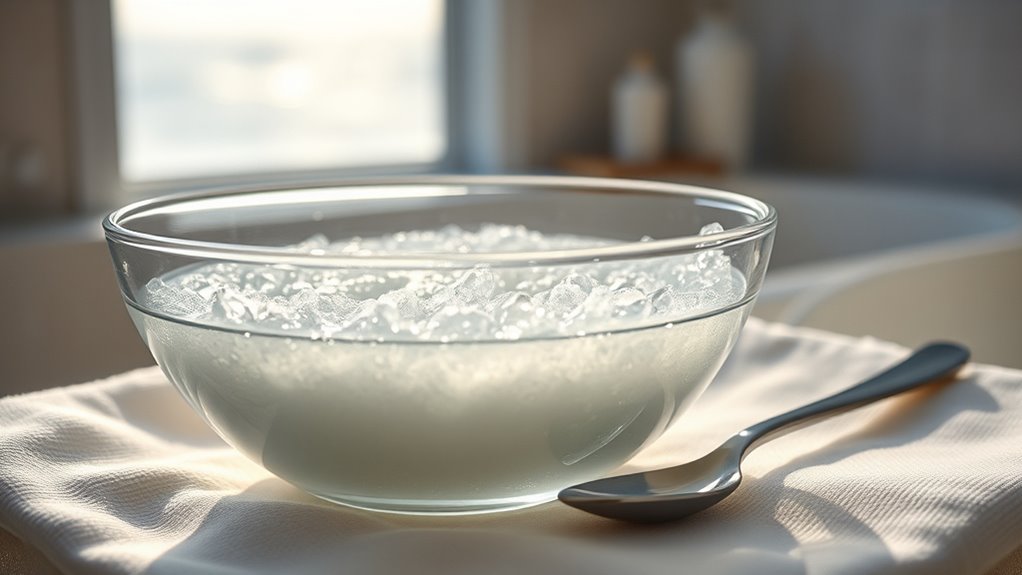
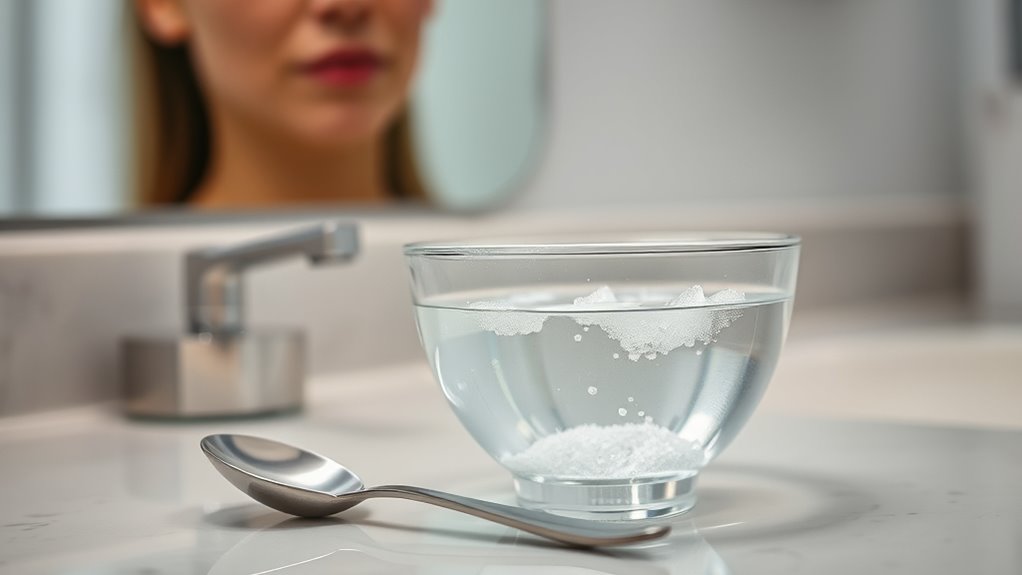
To prepare the right salt water solution for healing, dissolve one teaspoon of salt in eight ounces of warm water, making sure the salt fully dissolves before use. Use warm water close to body temperature to help the salt dissolve quickly and to ensure the rinse is comfortable. Stir thoroughly to create a consistent saline mixture, avoiding any undissolved salt particles that could irritate your mouth.
Dissolve one teaspoon of salt in eight ounces of warm water for a soothing, effective healing rinse.
During the initial healing period, it’s important to prepare fresh saltwater rinse multiple times daily, especially after meals. This helps keep the extraction site clean and promotes healing.
By following these steps, your saltwater solution will be effective without risking discomfort or damage to the blood clot.
Always use a properly prepared saltwater solution for the best results.
Tips for Gently Rinsing With Salt Water Without Dislodging the Blood Clot
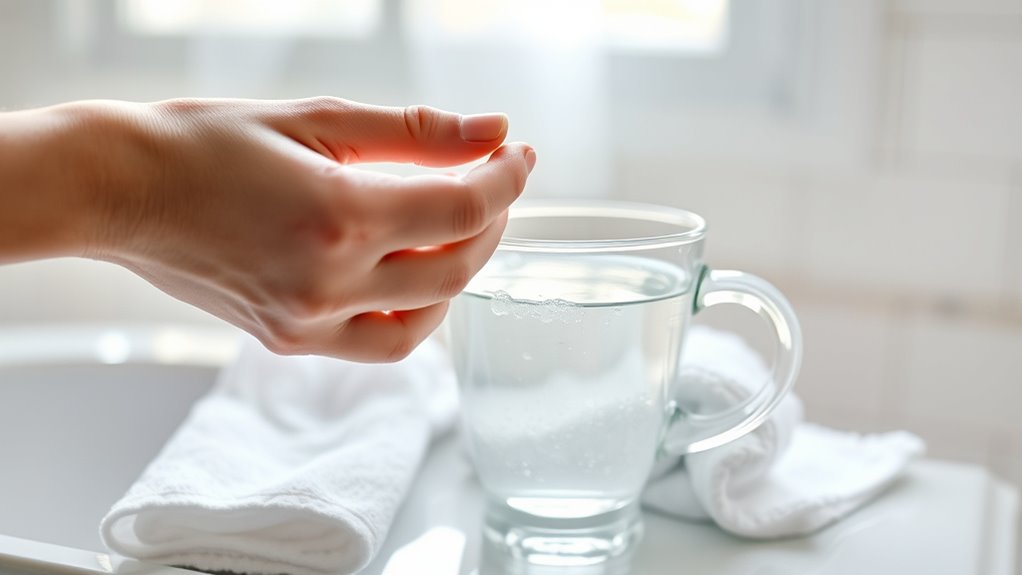
Once you’ve prepared your salt water solution correctly, the next step is to rinse gently to protect the blood clot at the extraction site. Take a small sip of warm salt water and swish it slowly around your mouth, focusing on the extraction site without using force.
Swirl the rinse gently for at least 30 seconds, avoiding vigorous movements that could dislodge the clot.
When spitting out, do so carefully to avoid applying pressure on the healing area. Limit rinsing to 2-3 times daily, ensuring each rinse is soft and controlled.
Also, avoid using straws or aggressive rinsing techniques, as these create suction that can disturb the blood clot.
Following these tips helps maintain clot stability and promotes healing after your extraction.
Why You Should Avoid Vigorous Salt Water Swishing
Because vigorous salt water swishing creates strong pressure, you risk dislodging the blood clot that’s essential for healing after an extraction. This clot protects the healing tissue and prevents complications like dry socket.
Here’s why you should avoid vigorous swishing during your salt water rinse:
- Excessive force can dislodge the blood clot, causing pain and delaying recovery.
- Vigorous swishing increases the risk of infection by exposing the wound prematurely.
- Strong pressure may restart bleeding and irritate the healing tissue, making gentle rinsing *vital*.
Instead, use soft, controlled motions to clean the area effectively without disturbing the clot. Remember, a careful salt water rinse supports healing and prevents complications better than vigorous swishing ever could.
Additional Care Tips to Support Recovery After Salt Water Rinses
After you’ve mastered gentle swishing to protect the blood clot, focus on other habits that support your recovery. Maintain good oral hygiene, but rinse carefully to avoid dislodging the clot.
Limit salt water rinses to 6-8 times daily, especially in the first few days, to help your body heal without causing irritation.
Always spit gently—avoid suction or forceful spitting that can pull out the clot and lead to painful dry sockets.
Stick to soft foods and avoid straws for at least four days to keep swelling to a minimum and protect the clot’s stability.
Keeping your head elevated and avoiding strenuous activity after rinsing also reduces bleeding risks.
These additional care tips will support healing and ensure a smooth recovery.
Frequently Asked Questions
Will Salt Water Dislodge a Blood Clot After Tooth Extraction?
Salt water won’t dislodge your blood clot if you rinse gently.
Just avoid forceful swishing or vigorous rinsing, especially within the first 24 hours, to protect the clot and promote proper healing after tooth extraction.
How to Drink Water Without Dislodging a Blood Clot?
Sip slowly, stay steady, and skip straws.
Keep your head held high while sipping small sips to stop suction.
Don’t swish or swirl; simply swallow to safely safeguard your blood clot and speed healing.
How Does Rinsing Affect the Blood Clot?
Rinsing can loosen or dislodge the blood clot if you do it too forcefully. You should rinse gently to avoid disturbing the clot, which protects the wound and helps your mouth heal properly after extraction.
How Do I Tell if I Dislodged a Blood Clot?
If you notice an unwelcome empty space or sudden, sharp discomfort days after, you might’ve nudged the clot.
A lingering bad taste or smell also hints it’s time to check with your dentist promptly.
Conclusion
As you gently swirl the warm salt water around your mouth, imagine it soothing your healing gums like a calm tide washing over sandy shores. By starting rinses at the right time and using a soft touch, you’ll protect that fragile blood clot, your body’s natural shield.
Stay gentle and avoid harsh swishing to prevent dislodging the blood clot. Supporting your recovery with care is essential. Soon, you’ll feel refreshed and ready to smile without a worry in the world.
Remember, to use salt water rinse without dislodging a blood clot, always rinse gently and start at the recommended time after your procedure. This careful approach promotes healing and protects your gums.