Does Epsom Salt Help Poison Ivy Rash Relief
You can rely on Epsom salt to soothe your poison ivy rash by reducing itching, swelling, and drying blisters. Epsom salt helps draw moisture out, calms irritated nerves, and speeds healing, making your rash less uncomfortable. Using Epsom salt for poison ivy relief is a popular home remedy.
You can use it in baths, compresses, or pastes for effective relief. Just be sure to apply it on unbroken skin and avoid overdoing it. If you want to explore how to prepare treatments and know when to see a doctor, keep reading.
How Epsom Salt Reduces Poison Ivy Itch and Swelling
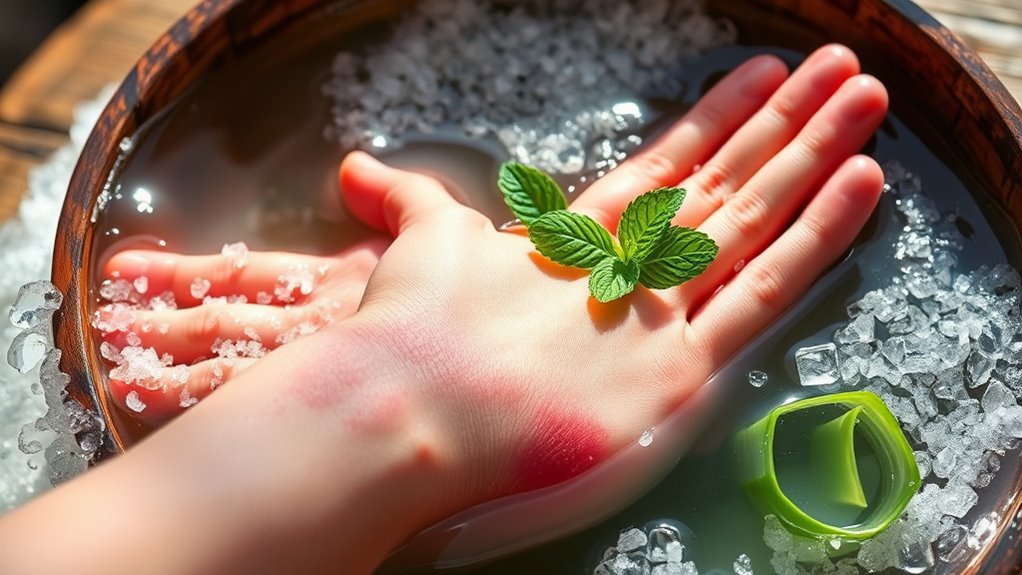
When you soak in an Epsom salt bath, the magnesium sulfate works to draw moisture out of your skin, reducing swelling and calming the itching caused by poison ivy. This itch relief happens because Epsom salt decreases nerve firing, which lowers the urge to scratch. It also helps dry out weeping blisters, soothing irritated skin.
You can apply Epsom salt as a compress or paste for localized areas, targeting swelling and itchiness directly.
Regular use of Epsom salt treatments speeds up healing, making the rash less uncomfortable and shorter-lasting.
Preparing an Epsom Salt Soak
To prepare your Epsom salt soak, add 2 cups of Epsom salt to a warm bath and stir until fully dissolved. Make sure the water is comfortably lukewarm to protect your skin.
Soak the affected area for at least 12 minutes to help reduce itching and swelling.
Epsom Salt Bath
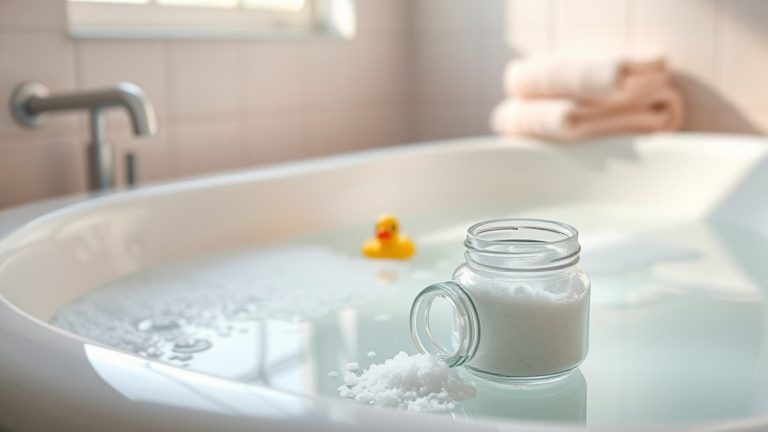
Although poison ivy can cause uncomfortable itching and inflammation, you can ease these symptoms by preparing an Epsom salt bath. Start by adding 2 cups of Epsom salt to a standard-sized bathtub filled with warm water. Stir the water well until the salt dissolves completely.
Before you get in, make sure your skin is clean and dry to maximize the rash relief benefits. Soaking in this bath helps draw out moisture and reduce inflammation caused by poison ivy.
After soaking, gently pat your skin dry instead of rubbing it.
You might also want to apply a soothing lotion like calamine or hydrocortisone afterward to further calm the rash. This simple bath routine can be an effective step in managing poison ivy discomfort.
Soaking Duration Guidelines
Since soaking for the right amount of time is essential, you should spend at least 12 minutes in your Epsom salt bath to let the magnesium sulfate penetrate your skin and ease the irritation.
Add 2 cups of Epsom salt to a standard-sized bath filled with lukewarm water to maximize relief without causing further skin irritation.
For targeted relief, soak a cloth in a cold water solution with 2 tablespoons of Epsom salt per cup, then apply it as a compress for 15-20 minutes.
You can repeat these soaks or compress applications 2-3 times daily to help reduce swelling and itching from poison ivy rash.
Proper soaking duration guarantees you get the most soothing benefits from your Epsom salt treatment.
Applying Epsom Salt Compresses and Pastes
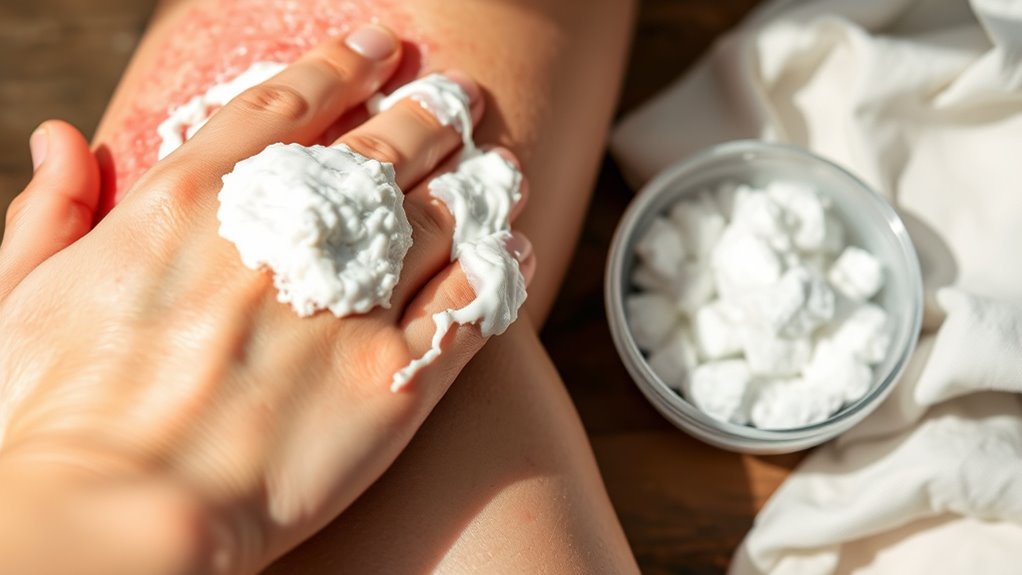
When you dissolve Epsom salt in water, you create an effective compress or paste that can soothe poison ivy rash quickly. For a compress, dissolve 2 tablespoons of Epsom salt in a cup of cold water, soak a clean cloth, and apply it to the rash for 15-30 minutes.
To make a paste, mix 1 teaspoon of Epsom salt in hot water, chill it for 20 minutes, then apply to reduce itching and inflammation. These simple remedies help dry blisters and calm discomfort.
| Method | Preparation |
|---|---|
| Compress | 2 tbsp Epsom salt + cold water |
| Paste | 1 tsp Epsom salt + hot water, chilled |
| Application | Apply 15-30 mins, multiple times daily |
| Benefits | Reduces itching, swelling, promotes healing |
How Magnesium in Epsom Salt Calms Inflammation
You’ll find that magnesium in Epsom salt helps calm inflammation by reducing the swelling caused by poison ivy rash. It works by regulating your immune response and blocking inflammatory chemicals that trigger redness and itchiness.
Using Epsom salt allows magnesium to absorb through your skin, promoting faster healing and soothing discomfort.
Magnesium’s Anti-Inflammatory Effects
Although poison ivy causes intense skin irritation, the magnesium in Epsom salt can help calm inflammation by being absorbed directly through your skin. Magnesium acts as a natural anti-inflammatory agent by inhibiting pro-inflammatory cytokines that worsen skin irritation.
When applied topically, magnesium promotes blood vessel relaxation, reducing redness and calming the immune system’s overactive responses that fuel the rash.
It also modulates nerve firing and decreases histamine release, which not only soothes inflammation but helps relieve itching. By regulating these cellular processes, magnesium targets the root causes of inflammation rather than just masking symptoms.
Using Epsom salt soaks allows magnesium to penetrate irritated skin and deliver these anti-inflammatory benefits exactly where you need them, making it a helpful natural option for managing poison ivy symptoms.
Reducing Rash Swelling
Magnesium’s ability to calm inflammation doesn’t just ease irritation—it also helps reduce the swelling that often accompanies a poison ivy rash. When you soak in an Epsom salt bath, magnesium absorbs through your skin, relaxing blood vessels and promoting vasodilation. This improved blood flow helps clear inflammatory substances, reducing rash swelling.
Additionally, magnesium inhibits inflammatory chemical release, calming your immune response and drawing excess fluid out of swollen tissues.
| Effect | Mechanism | Benefit |
|---|---|---|
| Vasodilation | Blood vessel relaxation | Clears inflammation |
| Chemical inhibition | Reduces inflammatory mediators | Decreases immune response |
| Fluid removal | Draws out excess fluid | Lessens rash swelling |
Using Epsom salt regularly can markedly ease poison ivy rash swelling and discomfort.
Epsom Salt vs. Oatmeal Baths for Itch Relief
When dealing with poison ivy itch, choosing between Epsom salt and oatmeal baths depends on the relief you need. Epsom salt baths reduce swelling and draw out moisture, offering itch relief through inflammation control.
Oatmeal baths soothe irritated skin and prevent further scratching by calming and lubricating your skin.
You might prefer oatmeal if your primary concern is intense itching, while Epsom salt works well to relax muscles and reduce rash swelling.
- Imagine the soothing comfort of oatmeal calming relentless itching
- Feel the tension ease as Epsom salt reduces painful swelling
- Enjoy a natural remedy that fits right into your home routine
- Experience relief without harsh chemicals or steroids
- Regain peace of mind knowing you’re actively healing your skin
Both options provide effective, natural itch relief tailored to your needs.
How Often to Use Epsom Salt for Poison Ivy
To get the best results from Epsom salt for poison ivy, you should soak the affected area for 12 to 20 minutes one to two times a day. This frequency helps reduce inflammation and soothe the itchy rash effectively. Some prefer compresses or baths up to three times daily to dry out blisters, but overuse may cause skin dryness or irritation.
Consistency during the rash’s early days is key to managing symptoms without overdoing it.
| Application Type | Recommended Frequency |
|---|---|
| Soak (bath or compress) | 1-2 times daily |
| Compress only | Up to 3 times daily |
| Maximum recommended | 2-3 times daily |
| Soak duration | 12-20 minutes per session |
Safety Tips for Using Epsom Salt on Poison Ivy
Although Epsom salt can soothe poison ivy symptoms, you should always use it carefully to avoid skin irritation or infection. Proper use ensures you get relief without worsening your skin condition. Always clean the affected skin before treatment to remove urushiol, and never apply Epsom salt on broken skin or open wounds.
Keep these safety tips in mind:
- Use only USP-grade Epsom salt to protect your skin.
- Follow recommended dosages, like 2 cups in a warm bath.
- Avoid overuse to prevent irritation.
- Don’t apply Epsom salt pastes on open or broken skin.
- Seek medical advice if irritation worsens or rash persists.
Combining Epsom Salt With Other Poison Ivy Remedies
You can boost the effectiveness of Epsom salt by combining it with other remedies for poison ivy relief. Adding Epsom salt to a lukewarm bath with colloidal oatmeal helps reduce inflammation and provides itch relief simultaneously.
Enhance Epsom salt’s power by soaking in a lukewarm bath with colloidal oatmeal for soothing relief.
You can also create a soothing paste by mixing Epsom salt with baking soda, which calms the rash effectively.
After applying calamine lotion or hydrocortisone cream, using Epsom salt compresses can further ease skin irritation.
For a natural approach, combine Epsom salt soaks with jewelweed juice or apple cider vinegar to target both itching and swelling.
If your symptoms are severe, pairing Epsom salt baths with topical steroid creams enhances overall symptom management.
These combinations make Epsom salt a versatile part of your poison ivy remedies.
When to See a Doctor for Poison Ivy Rash
If your poison ivy rash spreads over a large area or affects sensitive spots like your face or genitals, you should see a doctor promptly. While home treatment can ease mild symptoms, certain signs demand immediate medical attention. Don’t hesitate to guarantee help if your condition worsens or shows alarming symptoms.
Prompt care can prevent complications and speed recovery. Watch for these warning signs:
- Severe swelling or rash that covers much of your body
- Difficulty breathing, swallowing, or swelling of lips and throat
- Rash that persists beyond two weeks despite home treatment
- Infected blisters, fever, or chills
- Dizziness or intense allergic reactions
Recognizing when to get medical attention ensures your rash doesn’t escalate and keeps you safe.
Frequently Asked Questions
Are Epsom Salt Baths Good for Poison Ivy Rash?
Yes, you’ll find Epsom salt baths helpful for poison ivy rash. They reduce inflammation, soothe itching, and promote healing.
Soak for about 12 minutes to ease redness and swelling, supporting your skin’s recovery naturally.
What Dries up Poison Ivy Rash the Quickest?
Think of your poison ivy rash like a campfire—calamine lotion or hydrocortisone cream acts as the water that quickly douses the flames, drying and calming it fast.
Avoid scratching and keep it clean to speed healing.
Would Epsom Salt Help a Rash?
Yes, Epsom salt can help your rash by reducing itching and inflammation. Soaking or applying a cooled compress soothes irritated skin, but remember, it only relieves symptoms, not the underlying cause.
Will Magnesium Help With Poison Ivy?
Imagine magnesium as the superhero in your skin’s drama—while it won’t single-handedly defeat poison ivy, it might calm the chaos a bit.
Don’t expect miracles, but it can help soothe and support healing alongside other treatments.
Conclusion
If poison ivy’s itch feels like a never-ending battle, Epsom salt might just be your secret weapon. Its magnesium helps calm inflammation and ease swelling, giving your skin the relief it craves. Whether you soak, compress, or paste, just remember to use it wisely and not too often.
When in doubt, don’t hesitate to see a doctor—because sometimes, even the best remedies need a little backup. Your skin deserves that care! Epsom salt can be a helpful option for poison ivy rash relief, but always combine it with proper medical advice for the best results.