Does Pouring Salt on a Canker Sore Help?
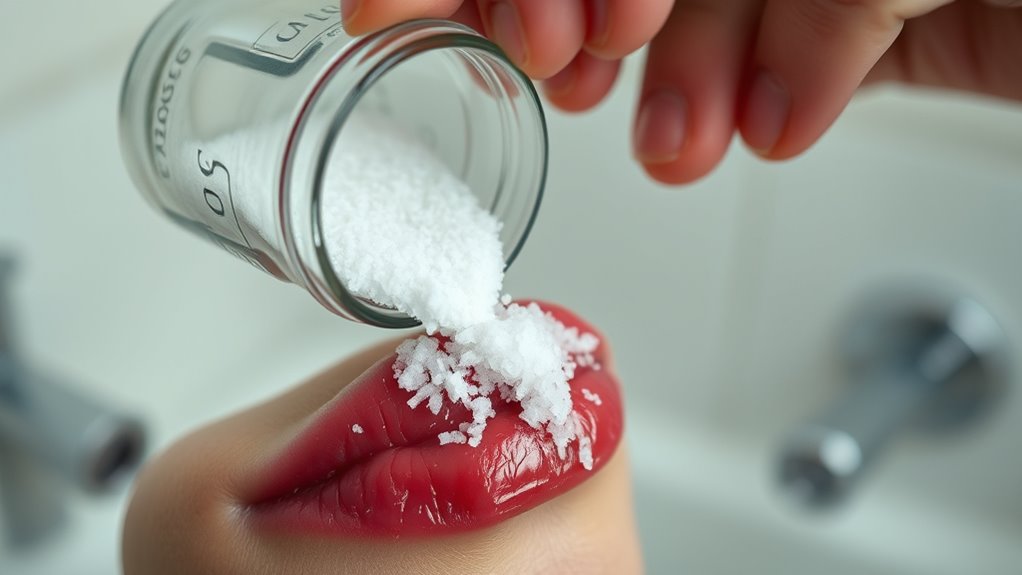
You shouldn’t pour salt directly on a canker sore because it causes sharp pain and can damage the delicate tissue, making healing take longer. Salt on canker sore might seem like a quick fix, but it often does more harm than good. Instead, salt water rinses gently reduce bacteria and inflammation without irritating your mouth.
To get the benefits, dissolve salt in warm water and swish gently. This method soothes the sore and promotes healing without causing additional pain. If you want to understand why salt water helps and when to avoid it, there’s more helpful info ahead.
Why Shouldn’t You Pour Salt Directly on a Canker Sore?
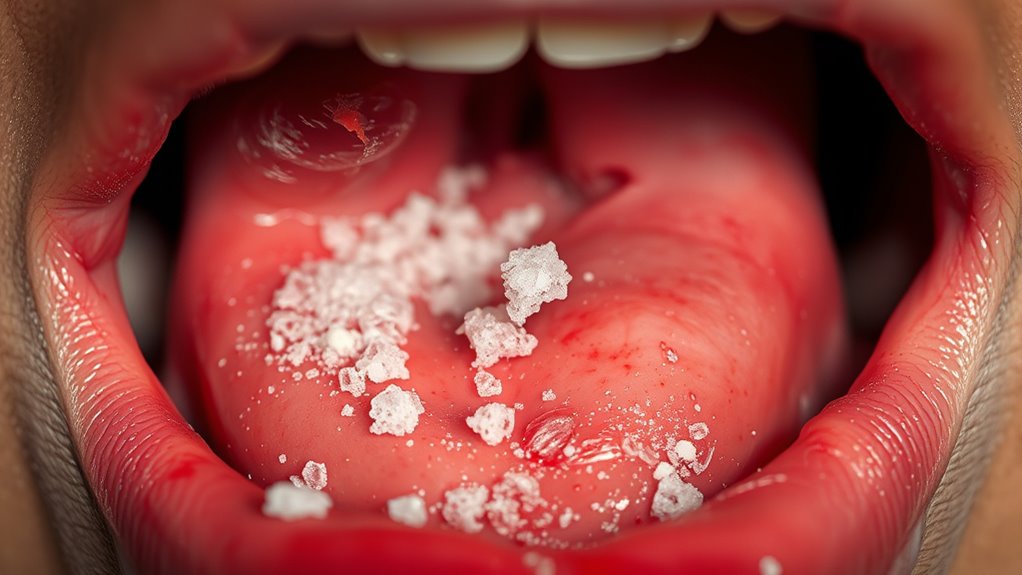
Although salt is often recommended for canker sores, you shouldn’t pour it directly on the sore because it can cause intense burning and damage the sensitive tissue.
When you apply salt straight onto the canker sore, the coarse salt crystals irritate the area, creating micro-injuries that worsen pain rather than relieve it.
This damage delays healing and can even lead to secondary infections. Instead of helping, direct salt application only increases discomfort and irritation.
You might think salt helps by drying out the sore, but in reality, it aggravates the delicate oral mucosa, making recovery longer.
Salt may seem helpful, but it actually irritates tissue and prolongs soreness healing time.
To protect your mouth and promote healing, avoid pouring salt directly on canker sores and consider safer alternatives.
How Do Salt Water Rinses Help Heal Canker Sores?
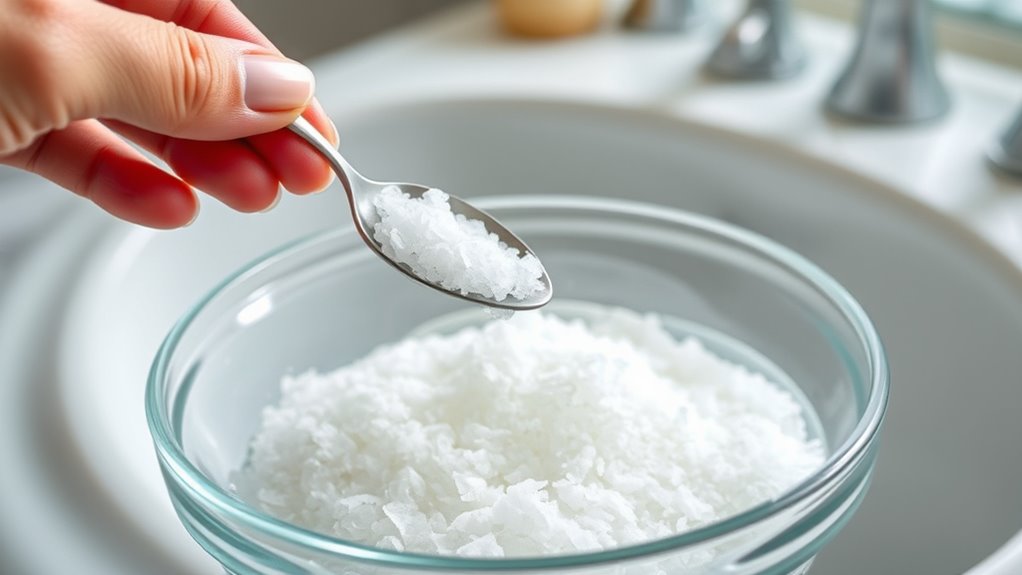
You’ll find that salt water rinses act as a natural antiseptic, helping to reduce bacteria around your canker sore. They also calm inflammation, which eases pain and swelling.
Salt Water Antiseptic Effects
When you rinse with salt water, it reduces inflammation and bacteria around your canker sore, speeding up healing. Salt water acts as a natural antiseptic, disinfecting the sore area and preventing secondary infections that could slow down recovery.
The saline solution creates an osmotic effect, drawing fluid out of swollen tissues, which helps decrease both inflammation and pain.
By increasing the pH balance in your mouth, salt water makes the environment less hospitable to harmful bacteria, further supporting the healing process. Regularly using a salt water rinse promotes tissue repair without causing additional trauma to the sore.
Reducing Oral Inflammation
Salt water rinses not only combat bacteria but also play a key role in reducing inflammation around canker sores. When you gargle with salt water, it draws out excess fluid from the irritated tissues, decreasing swelling and relieving discomfort.
This natural remedy creates an antiseptic environment that helps prevent infection, supporting your oral health during the healing process.
Unlike applying pure salt directly, which can cause pain and tissue damage, salt water gently soothes the sore without worsening irritation.
Promoting Tissue Healing
Although canker sores can be painful and slow to heal, rinsing with salt water can speed up the recovery process. When you use salt water, it creates an alkaline environment that inhibits bacterial growth around the sore, helping to promote healing.
This rinse also reduces inflammation and swelling, which supports faster tissue repair.
The osmotic effect of salt draws excess fluid away from the sore, decreasing discomfort and edema.
By removing debris and bacteria, salt water lowers the risk of infection, enhancing wound healing.
Maintaining good oral hygiene with regular salt water rinses balances your mouth’s pH, further supporting natural tissue repair.
How to Use Salt Water Rinses Properly
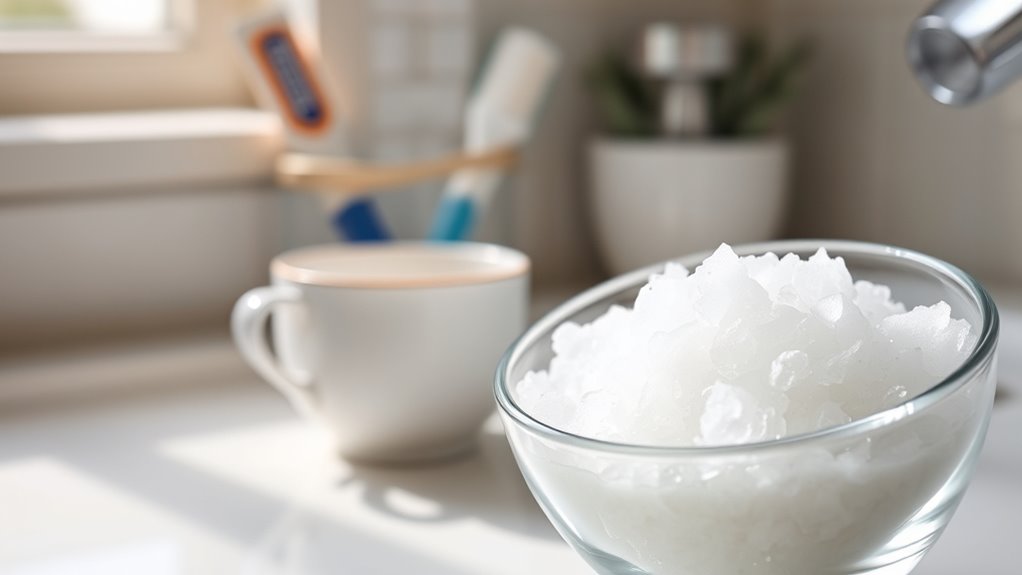
If you want to soothe a canker sore effectively, you’ll need to prepare a proper salt water rinse by dissolving one teaspoon of salt in half a cup of warm water.
Using salt water rinses correctly can help you heal faster and reduce pain by minimizing inflammation and bacteria in your mouth.
Swish the diluted solution around for 20-30 seconds before spitting it out.
Repeat this 2-3 times daily to maintain good oral hygiene and support recovery.
Avoid applying salt directly to the canker, as it can irritate canker sores and delay healing.
What Salt Does to Your Canker Sore (And Why It Helps)
When you rinse your mouth with a saltwater solution, it pulls moisture from the sore through osmosis, reducing swelling and helping it heal faster. Salt works by drawing water out of the inflamed tissue, which decreases inflammation and promotes healing.
Using a salt rinse also disinfects the area, lowering bacterial growth that can cause more pain or delay recovery.
However, pouring salt directly on a canker sore can irritate the delicate tissue and cause intense pain, so it’s best to avoid that. Instead, a gentle saltwater rinse offers a safer way to soothe your canker sore, reduce inflammation, and speed up healing without damaging the surrounding tissue or increasing discomfort.
Common Myths About Using Salt on Canker Sores : Busted
You might think rubbing salt directly on a canker sore will help, but it actually causes more pain and slows healing. Using salt in a diluted form, like a saltwater rinse, is the safe and effective way to reduce bacteria and promote recovery.
Let’s clear up these common myths so you can treat your sore the right way.
Salt Direct Application Risks
Although many believe that rubbing salt directly on a canker sore speeds healing, it actually causes intense pain and worsens tissue irritation. Direct salt application leads to mucosal damage and inflammation, resulting in pain escalation and healing delay.
Instead of helping, salt crystals aggravate the sore, making recovery longer and more uncomfortable. Using salt in diluted form, like a salt water rinse, is safer and less painful.
Here’s a quick guide to the risks of salt application on canker sores:
| Risk | Effect | Outcome |
|---|---|---|
| Tissue irritation | Increased soreness | More discomfort |
| Mucosal damage | Damage to tissue | Healing delay |
| Pain escalation | Sharp pain | Avoid direct salt use |
| Inflammation | Swelling worsens | Prolonged recovery |
| Healing delay | Slower repair | Use salt water rinse |
Effective Salt Water Use
Since direct salt application causes pain and damage, using a diluted salt water rinse offers a safer way to soothe canker sores. When you rinse your mouth with a gentle salt water solution, you help reduce pain and inflammation without harming the tissue.
This method supports healing canker sores by lowering bacteria levels around your mouth ulcers, promoting better oral hygiene. Unlike pouring salt directly on the sore, which can worsen discomfort and delay recovery, a salt water rinse provides a balanced approach to care.
When Should You Avoid Salt Treatments for Mouth Sores?
If your canker sore is large, deep, or inflamed, applying salt directly can cause intense pain and delay healing. Salt can irritate the sore, increasing sensitivity and causing further tissue damage. Avoid using salt treatments if you have sensitive oral tissues or an infection, as salt may worsen pain and slow recovery.
Instead, dilute salt in water for gentle rinsing.
| When to Avoid Salt | Why? |
|---|---|
| Large sores | Causes intense pain |
| Deep ulcers | Increases tissue damage |
| Inflamed sores | Delays healing |
| Sensitive tissues | Heightens irritation |
| Mouth infections | Worsens discomfort |
Being cautious helps protect your mouth and supports faster healing without added pain.
Other Natural Remedies to Try With Salt Water
When dealing with canker sores, you can boost the benefits of salt water rinses by combining them with other natural remedies.
For faster canker sore healing, try applying aloe vera gel after rinsing with salt water to soothe irritation.
Using chamomile tea bags as a compress can add anti-inflammatory effects.
You might also mix baking soda with salt water to neutralize acids and reduce soreness more effectively.
Rinsing with diluted apple cider vinegar alongside salt water offers antimicrobial properties that support healing.
Additionally, herbal mouthwash containing sage or licorice root complements salt water by providing natural anti-inflammatory and antimicrobial benefits.
These natural remedies enhance the soothing and healing effects of salt water, helping you manage canker sores more comfortably and efficiently.
When to See a Doctor for Stubborn Canker Sores
Although most canker sores heal on their own, you should see a doctor if a sore lasts longer than three weeks or gets worse despite home treatments. Persistent ulcers or increasing pain could signal underlying causes needing medical attention.
Also, if you experience fever, swollen lymph nodes, or notice unusual sore features like irregular borders, consult a healthcare professional promptly. Frequent or recurring canker sores might indicate immune or nutritional issues requiring evaluation.
| When to Seek Medical Attention | Possible Causes | Signs to Watch For |
|---|---|---|
| Sore lasts > 3 weeks | Immune system issues | Increased pain or size |
| Worsening despite home remedies | Nutritional deficiencies | Fever or swollen lymph nodes |
| Frequent ulcers | Infection or systemic illness | Abnormal ulcer appearance |
| Bleeding or irregular sores | Oral cancer (rare) | Persistent ulcers |
Safer Home Remedies to Soothe Canker Sore Pain
Since canker sores can be painful, you’ll want to use remedies that soothe without causing more irritation. Instead of salt application directly on the sore, which can increase pain and damage tissue, a safer home remedy is a saltwater rinse.
This method helps reduce pain and promote healing while protecting your oral health.
Here are three safer ways to soothe canker sore pain:
- Rinse your mouth with a warm saltwater solution (1 teaspoon salt in 8 ounces of water) several times daily.
- Use over-the-counter topical gels designed to reduce pain and shield the sore.
- Avoid spicy or acidic foods that might irritate the ulcer further.
A saltwater rinse is simple, effective, and supports faster recovery without harsh effects.
Frequently Asked Questions
How Do You Get Rid of a Canker Sore Fast?
You can get rid of a canker sore faster by rinsing your mouth with warm saltwater several times daily, applying aloe vera or honey for relief, and avoiding spicy or acidic foods that irritate the sore.
These steps help reduce pain and promote healing, making the sore less bothersome.
Additionally, maintaining good oral hygiene and avoiding trauma to the affected area can speed up recovery.
Conclusion
Pouring salt directly on a canker sore might sting intensely and delay healing, but rinsing your mouth with salt water can soothe pain and speed recovery.
While salt’s natural antibacterial properties help, harsh applications can do more harm than good. So, instead of risking irritation, use gentle salt water rinses and combine them with other safe remedies.
When in doubt, don’t ignore persistent sores—see a doctor to avoid complications. Remember, proper care and using salt water rinses can effectively manage canker sore pain and promote healing.