
Does Salt Water in Pools Burn Your Eyes and How to Prevent It
Saltwater in pools can cause your eyes to burn, especially if the chemical balance, such as pH levels, isn’t properly maintained. Chloramines, which are compounds formed when chlorine reacts with sweat and oils, can also build up and irritate the eyes. The salt in the water draws moisture from your eyes, leading to dryness and discomfort.
Wearing goggles is an effective way to protect your eyes from salt and chemical exposure while swimming. Additionally, rinsing your eyes with fresh water after swimming helps to soothe any irritation and reduce burning sensations.
To keep your eyes comfortable, it’s important to understand how pool chemistry affects irritation. Maintaining proper chemical levels and following preventive measures can significantly reduce eye discomfort in saltwater pools.
Why Does Saltwater Burn Your Eyes?
Although saltwater pools have much lower salinity than the ocean, you can still experience eye burning if the water’s pH or chemical balance is off.
Saltwater pools usually maintain salinity around 3,000 ppm, which is gentler on your eyes than ocean water at 35,000 ppm.
However, if the chemical balance isn’t properly maintained, irritants like chloramines can build up, causing eye irritation and redness.
Salt also draws moisture from your tear film, dehydrating your eyes and leading to discomfort.
Poor pool maintenance increases these irritants, making your eyes more prone to burning.
Even if you’re sensitive, high salinity or imbalanced chemicals can trigger irritation.
Can Saltwater Pools Cause Eye Irritation?
Even though saltwater pools have much lower salinity than the ocean, they can still cause eye irritation for some swimmers. If you have sensitive eyes, prolonged exposure might lead to discomfort.
Often, eye irritation isn’t just about salt content—it’s about the chemical balance in the pool. When pH levels stray below 7.4 or rise above 7.8, your eyes can burn regardless of salt concentration.
Eye irritation often stems from improper pool pH, not just salt levels, causing discomfort when pH is off balance.
To protect yourself, make sure the pool is properly maintained and regularly tested to keep its chemical balance in check. Wearing swimming goggles is one of the simplest ways to shield your eyes from irritation.
After swimming, rinse your eyes with fresh water to wash away any residual salt or chemicals that might cause redness or stinging.
How Saltwater Pools Differ From Ocean Water in Causing Eye Irritation?
You might expect saltwater pools to irritate your eyes just like the ocean, but the salt concentration is much lower—around 3,000 ppm compared to the ocean’s 35,000 ppm. This means you usually experience less stinging and discomfort in pools, though improper pH or salinity can still cause dryness.
Unlike ocean water, pools don’t have bacteria or organic matter, which often worsen eye irritation and infection risks.
Salt Concentration Differences
Since saltwater pools contain about 3,000 ppm of salt—much less than the ocean’s 35,000 ppm—you’ll usually feel less stinging and burning in your eyes when swimming in them. The lower salinity in saltwater pools means reduced eye irritation compared to ocean water.
However, a few factors still affect your comfort:
- Salinity level in saltwater pools is carefully controlled to minimize discomfort.
- Individual sensitivity varies; some swimmers may still notice mild irritation.
- Prolonged exposure can disturb your tear film, especially if water chemistry is off.
- Proper maintenance keeps water chemistry balanced, preventing excess salt buildup and eye irritation.
Eye Irritation Factors
Although saltwater pools contain much less salt than ocean water, you might still notice some eye irritation while swimming. Saltwater pools typically have lower salinity, reducing stinging compared to ocean water, but improper pH balance or chemical levels can cause discomfort. Your sensitivity also plays a role; some swimmers feel irritation even with balanced pools.
Maintaining proper pH and chemicals minimizes eye irritation and keeps your swim comfortable.
| Factor | Saltwater Pools | Ocean Water |
|---|---|---|
| Salt Concentration | ~3,000 ppm | ~35,000 ppm |
| pH Balance | Controlled, adjustable | Naturally variable |
| Chemicals | Added for sanitation | Minimal, natural elements |
| Eye Irritation | Mild if balanced | Often stronger stinging |
| Sensitivity | Varies by individual | Usually higher |
How Pool Chemicals Like pH and Chloramines Affect Your Eyes
When pool chemicals like pH and chloramines aren’t properly balanced, they can cause your eyes to burn and become irritated. Maintaining the right chemical balance is vital to avoid discomfort. Here’s how these factors affect you:
- pH levels below 7.4 or above 7.8 increase eye irritation by disrupting the water’s natural comfort.
- Chloramines form when chlorine reacts with ammonia from sweat and organic matter, leading to red, stinging eyes.
- Strong chlorine smells usually signal high chloramine concentrations, which worsen eye irritation.
- Keeping pH near 7.8 ensures efficient disinfection while minimizing eye burning. Regularly testing and adjusting your pool’s pH and chlorine levels helps prevent chemical imbalances that cause eye discomfort, letting you enjoy swimming without irritation.
What Chloramines Are and Why They Sting Your Eyes
When chlorine mixes with sweat, urine, and skin cells in your pool, it creates chloramines. These compounds cause that strong chlorine smell and sting your eyes.
Understanding how chloramines form helps you prevent that uncomfortable burning sensation.
Chloramine Formation Process
Because chlorine reacts with substances like sweat, urine, and organic matter in pool water, it forms chemical compounds called chloramines. These chloramines are a byproduct of chlorine’s chemical reaction with nitrogen-containing materials. When chloramines build up, they can cause eye irritation and produce that strong “chlorine” smell you notice around pools.
Understanding how chloramines form helps you see why eye discomfort happens. Here’s the process:
- Chlorine in pool water encounters nitrogen compounds from swimmers.
- A chemical reaction occurs, producing chloramines.
- Chloramines dissolve in the water and release gases.
- These gases volatilize, causing eye irritation and discomfort.
Eye Irritation Causes
Although chloramines form naturally in pool water, they can cause significant discomfort by irritating your eyes. These chemicals develop when chlorine reacts with organic matter like sweat, urine, or skin oils.
In your saltwater pool, chloramines are the main culprit behind that burning sensation and red, itchy eyes.
They also make the water smell strongly of chlorine. Since chloramines are less effective disinfectants, they can increase your risk of eye infections if not properly managed.
To reduce eye irritation, pool operators need to balance the pH and regularly shock the water to break down chloramines.
How Can You Protect Your Eyes When Swimming in Saltwater Pools?
If you want to protect your eyes while swimming in saltwater pools, wearing waterproof goggles is essential since they create a seal that keeps saltwater out and reduces irritation.
To further prevent eye irritation, follow these steps:
- Use swimming goggles that fit well to avoid saltwater contact.
- Rinse eyes with clean freshwater or sterile saline solution immediately after swimming to remove residual salt.
- Avoid rubbing your eyes to prevent worsening irritation or injury.
- Apply preservative-free artificial tears to hydrate and soothe dry, irritated eyes.
Additionally, choose pools with balanced chemical levels and maintain a pH around 7.8 to minimize burning sensations.
These precautions help keep your eyes comfortable and protected during and after saltwater swimming.
Why Should You Wear Goggles to Prevent Eye Irritation?
You should wear goggles to protect your eyes from saltwater and reduce irritation. They also help minimize the risk of infections by keeping out bacteria and chlorine.
Plus, goggles make swimming more comfortable by preventing dryness and redness.
Protection From Saltwater
Since saltwater pools contain salt and other irritants, wearing goggles is essential to protect your eyes from burning and redness. Goggles provide reliable eye protection by creating a seal that keeps saltwater and chemicals from directly touching your eyes, reducing irritation considerably.
Even though saltwater pools have lower salinity than oceans, goggles still prevent discomfort and potential damage. Here’s why you should always wear goggles:
- They block out saltwater and chemical irritants.
- Proper fit minimizes water leakage and prevents redness.
- Goggles shield your eyes from bacteria that cause infections.
- Consistent use safeguards against long-term irritation and discomfort.
Wearing goggles ensures your eyes stay comfortable and healthy during every swim in saltwater pools.
Minimizing Infection Risk
Although saltwater pools offer a gentler swimming experience than traditional chlorinated pools, your eyes still face risks from bacteria and chemical irritants. Wearing goggles creates a protective seal that keeps salt, pool chemicals, and harmful pathogens from directly contacting your eyes. This seal markedly reduces the chance of eye infection caused by bacteria and germs lurking in pool water.
Properly fitted goggles also minimize eye irritation triggered by pH imbalances and chemical byproducts like chloramines, which cause burning and redness. By using goggles regularly, you shield your eyes from these irritants, helping maintain good eye health and preventing discomfort.
Enhancing Swimming Comfort
Protecting your eyes from bacteria and chemical irritants is just one way goggles improve your swimming experience. When you wear goggles in swimming pools, you actively protect your eyes from saltwater and chemical exposure that often cause eye irritation.
Here’s why you should always use them:
- Goggles create a tight seal, preventing salt and chemicals from contacting your eyes directly.
- They block out irritants like chloramines and salt particles, reducing redness and burning.
- Properly fitted goggles markedly decrease discomfort linked to salt or chemical exposure.
- Goggles lower the risk of infections by shielding your eyes from bacteria and germs.
What to Do If Saltwater Irritates Your Eyes
If saltwater irritates your eyes, you should rinse them immediately with clean, sterile saline solution or fresh water to flush out any irritants.
Avoid rubbing your eyes, as this can worsen eye irritation or cause injury.
After rinsing eyes, use preservative-free artificial tears to hydrate and soothe burning sensations caused by saltwater exposure.
Use preservative-free artificial tears to soothe and hydrate eyes after saltwater exposure.
Applying a cool compress can also help reduce swelling and discomfort.
If your symptoms persist, worsen, or you experience significant pain or changes in vision, seek medical attention promptly.
Taking these steps will help you manage saltwater-related eye irritation effectively and prevent further complications.
Always remember, quick and proper care is key to protecting your eyes after exposure to saltwater.
How to Soothe and Rinse Irritated Eyes After Swimming
When your eyes feel irritated after swimming in saltwater, you should rinse them right away with clean, lukewarm water or a sterile saline solution to wash away salt and any irritants.
To soothe and care for irritated eyes after swimming in saltwater, follow these steps:
- Rinse your eyes thoroughly with a saline solution or lukewarm water to flush out salt residue.
- Apply preservative-free artificial tears to keep your eyes hydrated and reduce dryness.
- Avoid rubbing your eyes to prevent further irritation or damage.
- Use a cool compress on your closed eyes to relieve burning and inflammation.
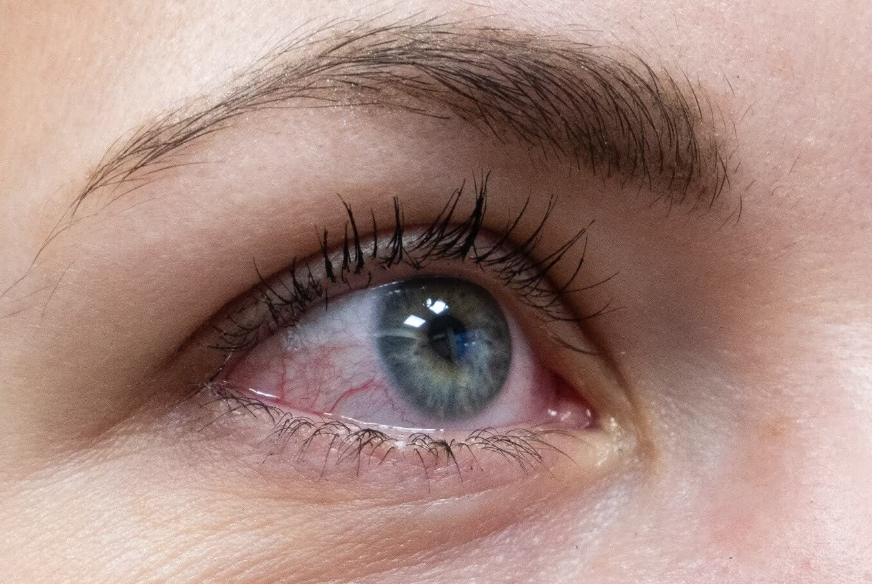
When Should You See a Doctor for Saltwater-Related Eye Problems?
Although mild eye irritation from saltwater often resolves on its own, you should see a doctor if pain, redness, or blurred vision persists after swimming.
If your red eyes don’t improve after using an eye wash or if you experience intense burning or a foreign body sensation, it’s time to seek medical attention.
Also, seek prompt care if you notice severe swelling, discharge, or signs of infection.
If you suspect exposure to a chemical irritant or develop sensitivity to light and significant discomfort, contact an eye specialist immediately.
Don’t wait if symptoms worsen or don’t respond to home treatment—professional evaluation guarantees proper care and prevents complications from saltwater-related eye problems.
Frequently Asked Questions
How to Stop Saltwater From Burning Your Eyes?
You can stop saltwater from burning your eyes by wearing swim goggles, rinsing with fresh water after swimming, keeping pool pH balanced, using lubricating eye drops, and avoiding rubbing your eyes to prevent irritation and discomfort.
Wearing swim goggles creates a barrier that prevents saltwater from coming into contact with your eyes. After swimming, rinsing your eyes with fresh water helps to remove any salt residue.
Maintaining a balanced pool pH reduces eye irritation caused by chemical imbalances. Using lubricating eye drops can soothe and hydrate your eyes. Finally, avoid rubbing your eyes, as this can worsen irritation and discomfort.
How to Make Eyes Stop Burning From Pool?
Don’t just ignore the burning—you can stop it by rinsing your eyes with sterile saline or artificial tears right away. Avoid rubbing, use cool compresses, and if irritation lingers, see an eye care professional promptly.
Why Do My Eyes Hurt When I Go to the Saltwater Pool?
Your eyes hurt in the saltwater pool because of imbalanced pH, chloramines, or leftover chemicals.
You can prevent this by wearing goggles, maintaining proper pool chemistry, and rinsing your eyes with fresh water after swimming.
How to Get Rid of Blurry Vision After Swimming in Saltwater?
You can get rid of blurry vision by rinsing your eyes with sterile saline or clean water, using artificial tears to rehydrate, avoiding rubbing your eyes, and resting them.
If blurry vision persists, see a doctor promptly.
Conclusion
Saltwater pools might sting your eyes like a sudden splash of cold wind, but understanding the cause helps you keep discomfort at bay.
By wearing goggles, maintaining balanced pool chemistry, and rinsing your eyes after swimming, you can protect your eyes from irritation.
Remember, if the burning lingers or worsens, don’t hesitate to see a doctor. Taking these simple steps ensures your pool time stays invigorating—not painful.
In conclusion, knowing why salt water in pools burn your eyes and how to prevent it is key to enjoying a safe and comfortable swim.