
5 Components That Affect How Much Salt Water Pool Installation Does Cost
The cost of installing a saltwater pool depends on five key things you should know. Understanding these factors will help you budget effectively for your saltwater pool installation. First, pool size and shape affect excavation and materials, so bigger or custom shapes cost more.
Second, your choice of pool material impacts construction and maintenance expenses. Third, saltwater equipment like chlorinators and salt bags add to upfront and ongoing costs.
Fourth, site preparation varies with terrain and can get pricey if your land’s uneven. Finally, picking the right contractor influences labor costs and quality. Keep exploring, and you’ll discover how these areas might fit your budget.
How Pool Size and Shape Affect Saltwater Pool Installation Costs
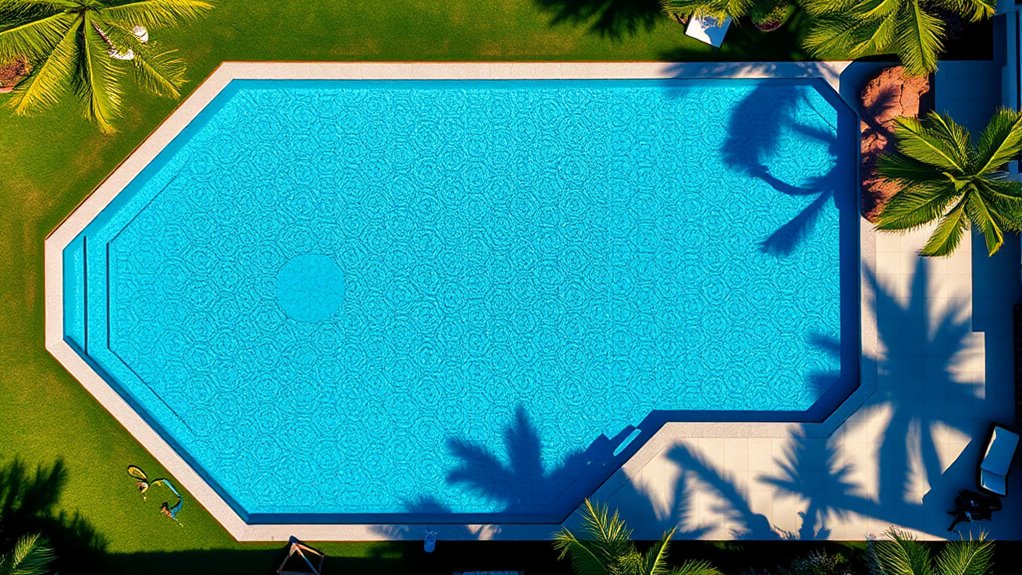
When you choose a larger saltwater pool, like a 16×32-foot model, expect installation costs to range between $48,000 and $70,000.
Smaller pools, such as 10×16 feet, typically cost $15,000 to $26,000. Pool size directly impacts excavation, material requirements, and labor costs, especially for in-ground pools where surface area matters.
Smaller pools like 10×16 feet generally cost $15,000 to $26,000 due to size-related factors.
Larger pools benefit from economies of scale, lowering cost per square foot, but total expenses still rise with size.
Pool shape also affects installation costs; custom shapes demand more site prep and design, increasing labor and complexity.
Rectangular pools usually cost less to install than freeform or custom designs.
Ultimately, your pool’s size and shape are key factors that determine how much you’ll invest upfront in your saltwater pool project.
How Saltwater Pool Material Choices Influence Your Budget
Although your pool’s size and shape set the stage, the material you choose plays a crucial role in determining your saltwater pool’s overall cost. Fiberglass pools offer low long-term maintenance and excellent saltwater compatibility, with installation costs ranging from $9,000 to $40,000.
Vinyl liner pools cost between $20,000 and $63,000 but need liner replacements every 5–10 years, affecting ongoing expenses.
Concrete pools, while highly customizable, come with the highest installation costs—$50,000 to $200,000—and require more upkeep due to their pool surface material’s susceptibility to saltwater corrosion.
Your material choice influences construction complexity, with concrete demanding more labor for sealing and maintenance. Selecting a pool surface compatible with saltwater systems can reduce future repairs, so weigh upfront costs against long-term maintenance carefully when budgeting your saltwater pool installation.
What Saltwater Pool Equipment Really Costs and Why
Understanding the costs of saltwater pool equipment is essential for budgeting your installation accurately. A salt chlorination system, including the salt cell and control board, typically ranges from $1,700 to $2,500.
Your pool size influences installation costs and how much salt you’ll need. Usually, you’ll require 10-12 bags annually, each costing $10–$25.
Replacement parts like the salt cell ($700–$1,100) and control board ($500–$900) last 3 to 7 years. This adds to maintenance costs.
Investing in energy-efficient saltwater systems may cost more upfront but reduces long-term expenses.
Key factors to consider:
- Salt chlorination system price and components
- Pool size affecting salt and equipment needs
- Replacement parts lifespan and costs
- Energy efficiency impact on maintenance and running costs
Why Site Preparation Can Make or Break Your Saltwater Pool Budget
Saltwater pool equipment costs are just one piece of the puzzle; site preparation can quickly impact your overall budget. Depending on terrain difficulty, site preparation expenses may range from $1,000 to over $20,000.
Site preparation can add $1,000 to $20,000+ to your saltwater pool budget depending on terrain difficulty.
If your land needs extensive land clearing or grading requirements, expect excavation costs and installation costs to rise. Rocky or uneven ground demands land leveling and sometimes land reshaping, driving up expenses.
Building on a slope might require foundation work and retaining walls, further increasing costs.
Removing trees or structures before installation can also double your site preparation budget. Remember, thorough site preparation prevents future problems like leaks or instability, making it a critical factor you can’t overlook when planning your saltwater pool installation costs.
How Labor and Contractor Selection Affect Saltwater Pool Installation Costs
When you hire experienced contractors skilled in saltwater pool installation, you might pay more upfront, but you’ll save money by avoiding costly mistakes down the line. Labor costs vary markedly due to regional rates, so choosing the right contractor impacts your total installation expenses.
Contractor selection should focus on licensed professionals with a solid reputation in pool system setup to reduce repair risks.
Obtaining detailed cost estimates from multiple sources helps you compare labor charges fairly. Ensure your contractor complies with local building codes to avoid hidden costs.
- Verify licensing, insurance, and references
- Compare cost estimates for best value
- Consider regional labor rates affecting pricing
- Prioritize contractors with proven saltwater pool expertise
Frequently Asked Questions
How Much Does a Saltwater Pool Cost to Install?
You’ll typically spend between $25,000 and $38,500 to install a saltwater pool, but costs can rise based on size, materials, site prep, and features.
Larger or custom pools might push your budget even higher.
What Is the Most Expensive Part of Pool Installation?
You might imagine a gold-plated pool float draining your wallet, but actually, the most expensive part is digging up your backyard.
That excavation and site prep can swallow your budget like quicksand—no inflatable can save you here!
What Are the Components of a Saltwater Pool System?
You’ll find a salt chlorinator, control board, pool pump, filtration system, and sensors for salinity, pH, and chlorine in a saltwater pool system.
Optional extras like automatic feeders and booster pumps improve performance and maintenance.
How Expensive Is It to Keep up a Saltwater Pool?
You’ll spend around $250 to $400 yearly on chemicals and maintenance, plus $700 to $1,100 every few years replacing salt cells.
Energy and testing add more, but regular care keeps costs manageable and equipment lasting longer.
Conclusion
When you’re planning your saltwater pool installation, every detail counts—from size and shape to materials and equipment. Don’t underestimate site prep or the impact of choosing the right contractor; these can either save or drain your wallet faster than a desert sun melting ice.
By understanding these five key components, you’ll make smarter decisions and avoid surprises, turning your dream pool into a stunning reality without breaking the bank.
Plunge in wisely and watch how these factors affect how much salt water pool installation does cost, ensuring you get the best value for your investment.