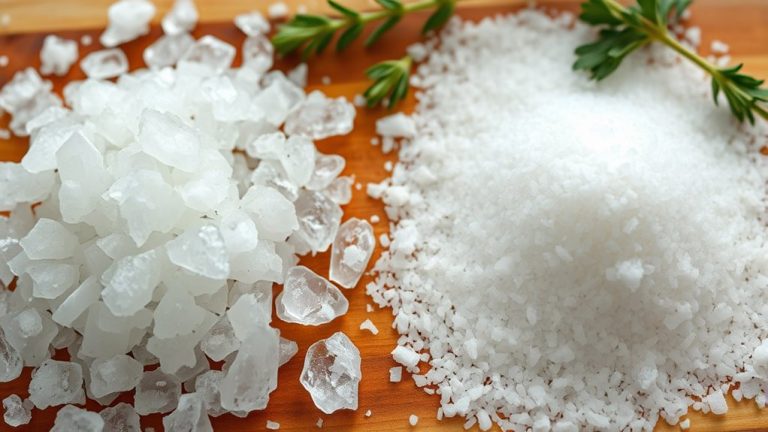

How to Use Epsom Salt for Good Sciatic Nerve Pain Relief
To ease your sciatic nerve pain, using Epsom salt can be highly effective. Dissolve 1-2 cups of Epsom salt fully in warm bath water at about 92°F-100°F, then soak for 15-20 minutes to reduce inflammation and relax muscles.
Limit each soak to avoid skin irritation and rinse off afterward. Try soaking 2-3 times daily for steady relief, and use moisturizer afterward to protect your skin.
Combining this with heat, cold therapy, and stretching can enhance your results—there’s more to explore for effective pain management.
Preparing the Perfect Epsom Salt Bath for Sciatica

When you prepare an Epsom salt bath for sciatica, you want to use 1-2 cups of salts dissolved fully in warm water between 92°F and 100°F. This water temperature helps maximize magnesium sulfate absorption, which is essential for muscle relaxation and inflammation reduction.
Make sure the salts dissolve completely before you soak to ensure even distribution.
Stay in the warm bath for about 15-20 minutes; this soak time allows your body to absorb magnesium effectively, promoting pain relief. Avoid water that’s too hot to prevent skin irritation or burns.
After soaking, rinse off with clean water and moisturize your skin to combat dryness.
Using epsom salts correctly in your bath can be a simple, soothing way to relieve sciatic nerve discomfort.
How Often Should You Soak for Sciatic Pain Relief?

Although soaking in an Epsom salt bath can provide quick relief for sciatic nerve pain, you should limit each session to 15 to 20 minutes to avoid skin irritation or dehydration.
For the best results, soak 2 to 3 times daily during acute sciatic pain. Consistent daily sessions help reduce inflammation and muscle tension, improving overall relief. Avoid exceeding 30 minutes per soak to protect your skin.
Here’s a guide to help you manage your soak routine effectively:
| Frequency | Duration per Soak | Benefits |
|---|---|---|
| 2-3 times daily | 15-20 minutes | Reduces inflammation |
| Daily | 15-20 minutes | Eases muscle tension |
| Avoid > 30 mins | N/A | Prevents skin irritation |
| Several days | Consistent | Enhances sciatic pain relief |
Tips to Keep Your Skin Safe During Epsom Salt Baths

Sticking to the recommended soak times helps protect your skin, but you’ll also want to take a few extra steps to keep it safe during your Epsom salt baths. Always dissolve 1-2 cups of Epsom salt fully in warm water to prevent skin irritation caused by concentrated salt.
Limit your bath to 15-20 minutes to avoid skin dryness and maintain skin hydration.
After soaking, rinse thoroughly with fresh water to remove any salt residue.
For ideal skin safety and prevention of irritation, keep these tips in mind:
- Avoid applying salts directly on broken or irritated skin to prevent stinging.
- Use a gentle, fragrance-free moisturizer immediately after bathing for skin protection.
- Be consistent with these steps to support healthy skin during your relief routine.
Why Epsom Salt Helps Sciatic Nerve Pain
You’ll find that the magnesium in Epsom salt works to reduce inflammation and relax tight muscles causing your sciatic pain.
When absorbed through your skin, it targets the root of discomfort by calming nerve and muscle tension.
This combination helps ease the pain and improve your mobility.
Magnesium’s Anti-Inflammatory Effects
When you soak in an Epsom salt bath, your skin absorbs magnesium, which helps reduce inflammation in the nerves and muscles causing your sciatic pain. Magnesium acts as a powerful anti-inflammatory agent by blocking inflammation pathways and lowering cytokine production, key drivers of nerve inflammation.
This process helps reduce swelling around compressed nerves, easing discomfort and promoting nerve regeneration. The magnesium absorption from Epsom salt supports faster healing by calming irritated nerve tissue and decreasing inflammation.
Here’s how magnesium’s anti-inflammatory effects benefit you:
- Swelling reduction around sciatic nerve roots
- Inhibition of inflammatory cytokine production
- Support for nerve regeneration and reduced nerve irritation
Regular Epsom salt baths can be a simple, effective way to manage sciatic nerve inflammation.
Muscle Relaxation Benefits
Beyond reducing inflammation, Epsom salt also helps relax the muscles that often tense up around the sciatic nerve.
When you soak in Epsom salt baths, magnesium sulfate is absorbed through your skin, promoting muscle relaxation and calming muscles that press on the nerve.
This mineral helps regulate nerve signaling, which reduces muscle cramps and eases nerve irritation.
The warm water enhances blood flow and oxygen delivery, making it easier to relax tense muscles and further reduce inflammation.
Regular soaking in Epsom salt baths can markedly decrease muscle stiffness and the severity of sciatic pain.
Using Heat and Cold Therapy With Epsom Salt Baths
Although Epsom salt baths alone can soothe sciatic nerve pain, combining them with heat and cold therapy enhances their effectiveness. Heat therapy through warm Epsom salt baths boosts circulation, promoting muscle relaxation and soothing nerve pain. Cold therapy, applied via cold packs before or after your bath, helps reduce inflammation and numb sharp pain.
By carefully managing temperature control, you prevent skin damage while maximizing therapeutic benefits. Try alternating between warm baths and cold packs to relieve pain and reduce swelling effectively.
- Soak in warm Epsom salt baths for 15-20 minutes to ease muscle tension
- Apply cold packs to diminish inflammation and numb acute pain
- Alternate heat and cold therapy to enhance overall pain relief and healing This combination targets sciatic nerve pain with powerful, complementary effects.
Boosting Sciatic Pain Relief With Stretching and Epsom Salt
Combining Epsom salt baths with stretching can considerably boost relief from sciatic nerve pain. When you add 1-2 cups of Epsom salt to a warm soaking bath, the magnesium sulfate helps reduce inflammation and promotes muscle relaxation.
After stretching, soaking in this bath for 15-20 minutes enhances your flexibility and eases nerve pressure caused by sciatica. Stretching targets tight muscles, while the Epsom salt bath supports inflammation reduction, making this combo an effective home remedy for pain relief.
Regularly pairing these two methods not only alleviates immediate discomfort but also supports natural healing and reduces flare-ups.
Magnesium’s Role in Epsom Salt for Sciatica Relief
Since magnesium plays a crucial role in nerve function and muscle relaxation, it directly impacts how you experience sciatic nerve pain. Epsom salt, rich in magnesium sulfate, boosts magnesium absorption through your skin during baths, supporting nerve health and muscle relaxation.
This mineral helps reduce inflammation around the sciatic nerve, easing pain and swelling.
Plus, magnesium promotes nerve relaxation and aids nerve regeneration, which can improve long-term sciatic discomfort.
Here’s why magnesium in Epsom salt is key for sciatica relief:
- Enhances muscle relaxation to reduce tension and nerve irritation
- Supports inflammation reduction around the sciatic nerve
- Promotes nerve regeneration for improved nerve health
Using Epsom salt regularly can strengthen your body’s ability to manage and relieve sciatic nerve pain.
Frequently Asked Questions
How to Use Epsom Salt for Sciatica?
You add 1-2 cups of Epsom salt to warm bathwater, soak for 15-20 minutes, then rinse off.
Repeat 2-3 times weekly to ease sciatica pain, relax muscles, and reduce inflammation effectively.
Can Sciatic Nerve Pain Cause Nausea?
Back in the days of knights, you’d find sciatic nerve pain can cause nausea due to intense pain or muscle spasms. When your body’s stress response kicks in, you might feel queasy alongside the discomfort.
The severe pain can trigger a physical reaction, leading to feelings of nausea or even vomiting in some cases. This is because the body perceives the pain as a form of trauma, activating various systems to cope.
Muscle spasms associated with sciatica can also contribute to this uneasy feeling, as they add to the overall distress and discomfort experienced.
What Is the Quickest Way to Relieve Sciatic Nerve Pain?
The quickest way to relieve sciatic nerve pain is by soaking in a warm Epsom salt bath for 15-20 minutes, then applying alternating hot and cold compresses.
Don’t forget to stretch gently and stay hydrated afterward.
What Is the Chinese Method of Ridding Sciatica Pain?
Imagine your pain as a tangled river; the Chinese method untangles it using acupuncture, acupressure, and herbal poultices to soothe and release.
Cupping, moxibustion, and warming foods like ginger help restore flow and ease sciatica.
Conclusion
By soaking regularly in an Epsom salt bath, you’ll feel sciatic pain melt away like ice on a blazing summer day. Combining heat, cold therapy, and gentle stretching will supercharge your relief, making discomfort a distant memory.
Remember, magnesium in Epsom salt works wonders beneath your skin, calming those nerve aches. So, immerse yourself, take care of your skin, and let this simple remedy transform your sciatic pain into pure comfort.
Using Epsom salt for good sciatic nerve pain relief is a natural and effective way to soothe inflammation and relax muscles. Make it a part of your routine to experience lasting benefits.