Is It Bad to Put Salt on Canker Sores? What You Need to Know
You shouldn’t put salt directly on canker sores because it causes sharp pain and can delay healing by irritating delicate tissues. Instead, rinsing your mouth with diluted saltwater helps reduce bacteria and inflammation, supporting faster recovery without discomfort.
Using salt the right way enhances healing safely, while applying it directly does more harm than good. Keep looking to discover safer methods and when you might need to see a doctor about your sore.
What Are Canker Sores?
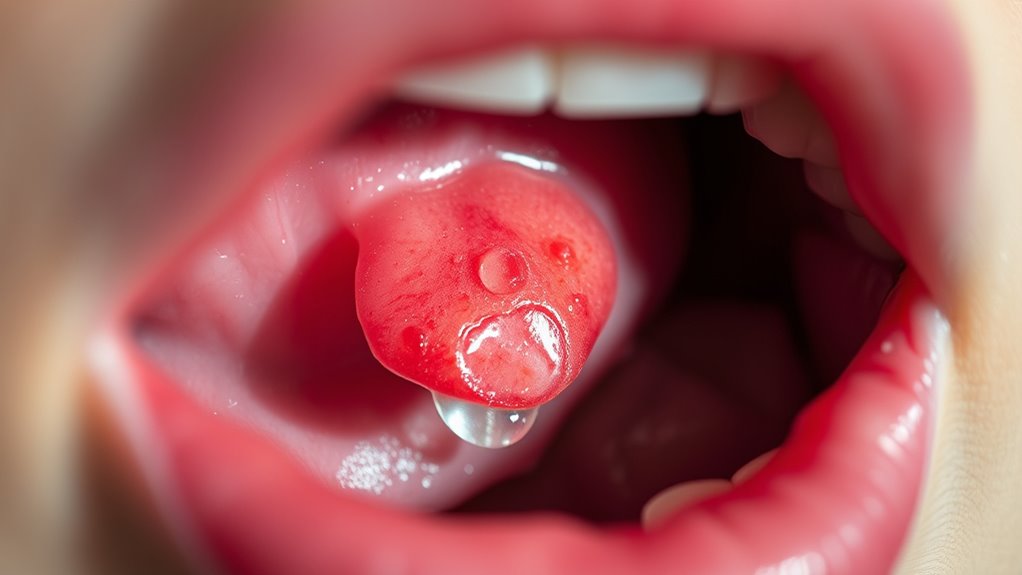
Although they might seem alarming, canker sores are small, painful ulcers that develop inside your mouth on soft tissues like your cheeks, lips, tongue, or gums. These mouth ulcers usually have a white or yellowish center surrounded by a red border, making them quite noticeable.
Canker sores are small, painful ulcers inside your mouth with a distinct white or yellow center and red border.
Even though they’re uncomfortable, canker sores aren’t contagious and typically heal on their own within one to two weeks without leaving scars.
You might wonder why they appear; while the exact cause isn’t clear, factors like stress, minor injuries, certain foods, and vitamin deficiencies can trigger them.
They often come and go in episodes and are more common among teens and young adults.
Understanding what canker sores are helps you manage their healing process better.
Why Use Salt for Canker Sores?
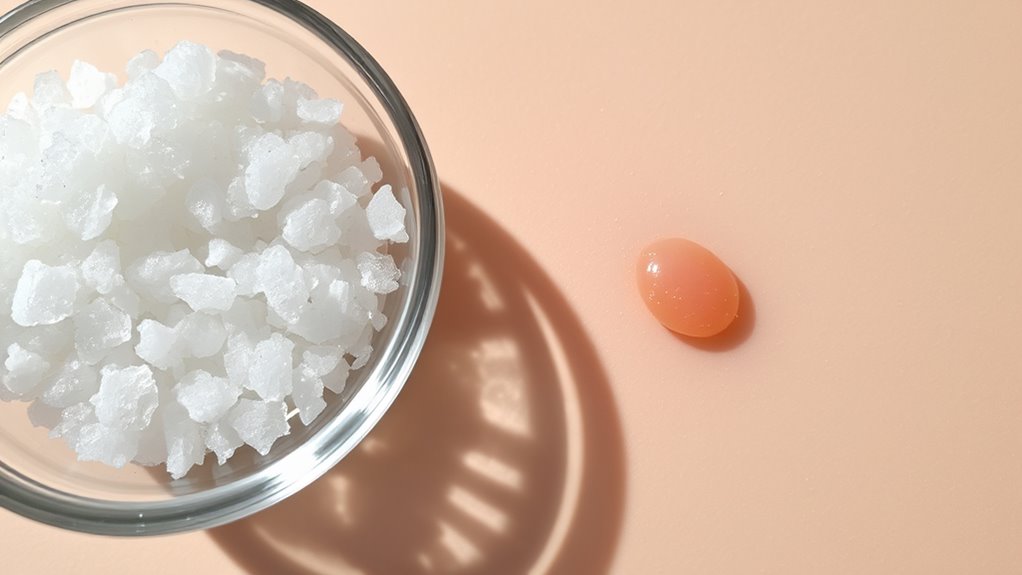
When you rinse your mouth with saltwater, it can reduce inflammation and speed up the healing of canker sores. A saltwater rinse creates a hypertonic environment that draws excess fluid from the sore, helping to dry it out and promote healing.
Salt also neutralizes harmful bacteria in your mouth, lowering the risk of infection around the sore. Using a properly diluted saltwater rinse is safe and effective, but applying salt directly can cause pain and irritate your tissues.
By incorporating saltwater rinses into your routine, you can help soothe inflammation and support the natural healing process of canker sores without causing additional discomfort or damage.
Just remember to keep the salt diluted for the best results.
How Saltwater Rinses Help Heal Canker Sores
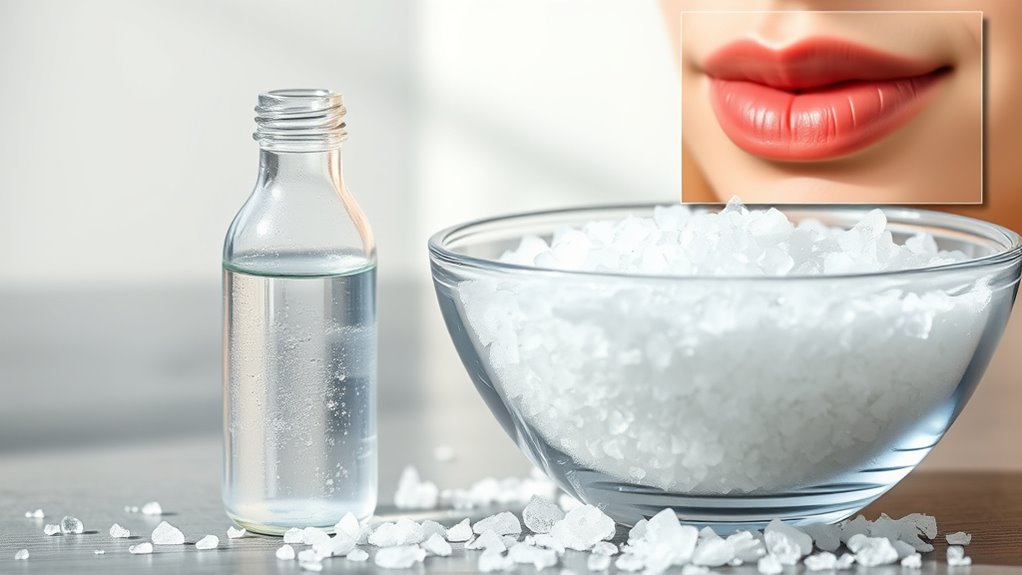
Since saltwater rinses create a hypertonic environment, they help draw out excess fluid from canker sores, reducing swelling and discomfort. Using saltwater regularly supports the healing process and eases pain.
When you rinse your mouth with saltwater, you also neutralize acids, creating a better environment for canker sores to heal.
Plus, saltwater’s antimicrobial properties reduce bacteria, preventing infection.
Here’s how saltwater rinses help with canker sores:
- Draw out fluids to decrease swelling
- Neutralize harmful acids in the mouth
- Reduce bacteria and lower infection risk
- Accelerate overall healing time
- Provide a gentle, safe rinse you can use multiple times daily
Saltwater rinses are a simple, effective way to promote healing of canker sores.
What Happens If You Put Salt Directly on a Canker Sore?
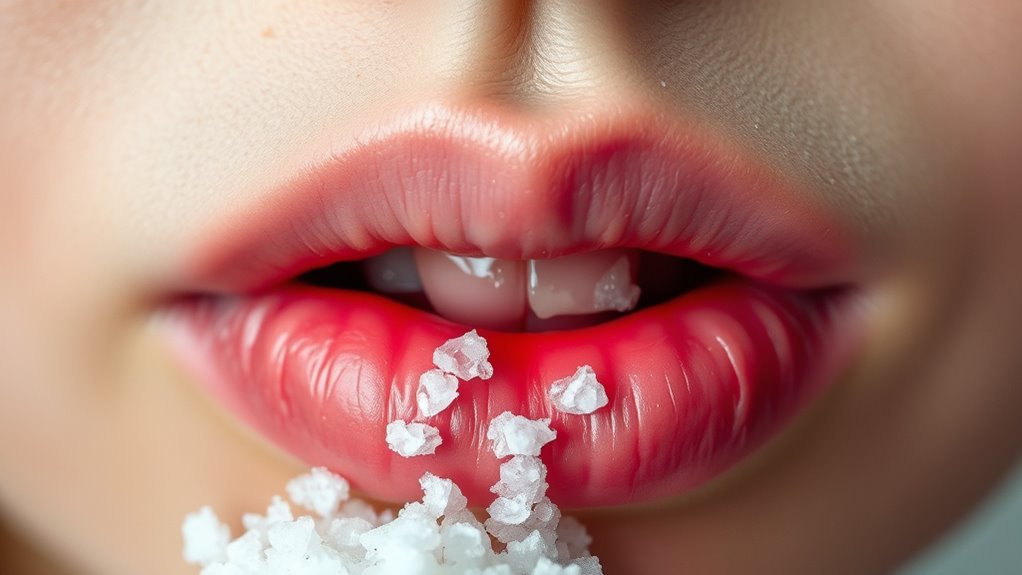
What happens if you put salt directly on a canker sore? When you apply salt straight to the sore, it causes intense pain and a stinging sensation. Salt crystals irritate the delicate tissue, increasing inflammation and delaying healing.
This direct contact can damage the mucosal tissue, causing further trauma and discomfort. Here’s a quick overview:
| Effect | Cause | Outcome |
|---|---|---|
| Pain & Burning | Salt crystals | Immediate irritation |
| Increased Inflammation | Tissue damage | Worsened soreness |
| Delayed Healing | Irritation | Longer recovery time |
| Tissue Trauma | Direct salt contact | More discomfort |
Safer Alternatives to Putting Salt on Canker Sores
Instead of rubbing salt directly on your canker sore, try rinsing your mouth with a gentle saltwater solution to ease pain and speed healing.
You can also explore natural remedies like aloe vera or honey, which soothe irritation without causing harm. These options help protect your delicate tissues while supporting recovery.
Effective Saltwater Rinses
Although applying salt directly to canker sores might seem like a quick fix, rinsing your mouth with a saltwater solution offers a much safer and effective alternative. Saltwater rinses reduce inflammation and support healing without causing pain or tissue damage.
You can easily prepare a solution by dissolving a teaspoon of salt in a cup of warm water. Swish it gently several times a day to help neutralize acids and clear bacteria, lowering infection risk and speeding recovery.
Remember these key benefits of saltwater rinses:
- Soothes soreness without burning
- Promotes faster healing
- Reduces inflammation effectively
- Cleanses mouth bacteria
- Safe for regular use
Using rinses instead of direct salt application protects your sores and encourages a smoother healing process.
Natural Healing Alternatives
You might feel tempted to apply salt directly to canker sores for quick relief, but this method often causes more pain and slows healing. Instead, try a saltwater rinse, which gently reduces inflammation and supports the healing process without irritating your sore.
Saltwater helps neutralize oral acidity and lowers bacterial presence, making it a safer alternative to direct salt application.
Beyond rinses, natural remedies like honey, aloe vera, or coconut oil can soothe discomfort and promote recovery without causing trauma.
These options protect sensitive tissues, avoid worsening pain, and encourage faster healing.
When to Avoid Salt and See a Doctor for Canker Sores
If your canker sore lasts more than two weeks, it’s time to stop using salt and see a doctor.
Watch for signs of infection like increased redness, swelling, or pus. Also, if your sore looks unusual or causes severe pain, don’t hesitate to get medical advice.
Persistent Sore Duration
When a canker sore lingers beyond two weeks, it signals that salt treatments might no longer be effective and could even cause more harm. Persistent sores may not heal properly with salt alone and could suffer from increased irritation or tissue damage.
If your sore persists, stop excessive salt use to prevent worsening inflammation. Consider seeing a doctor if the sore doesn’t improve soon.
Watch for these signs to decide when to seek medical advice:
- Persistent pain or swelling beyond two weeks
- Sore shows no signs of healing
- Increased irritation after salt rinses
- Sore lasts more than three weeks despite treatment
- Any changes in size, color, or texture
Taking these steps ensures you avoid delays in proper care and prevent complications.
Signs Of Infection
Although salt can sometimes ease canker sore discomfort, applying it when signs of infection appear can worsen the condition.
If you notice increased redness, swelling, pus, or severe pain around the sore, these are clear signs of infection. Using salt in these cases may cause more trauma and raise the risk of a secondary bacterial infection.
Pay attention to the severity of your symptoms—if the sore persists beyond three weeks, worsens despite home care, or if you develop a fever or swollen lymph nodes in your neck, it’s vital to see a doctor.
Don’t rely on salt when infection is present; instead, seek professional advice to prevent complications and get appropriate treatment tailored to the severity of your condition.
Unusual Sore Characteristics
Because unusual canker sore characteristics can signal underlying issues, you should avoid applying salt directly and consult a doctor. Using salt on these atypical sores might cause severe irritation, worsening pain, or delayed healing.
Instead, watch for signs that indicate you need professional care:
- Sores that grow larger or multiply rapidly
- Intense pain unrelieved by saltwater rinses
- Persistent irritation lasting more than two weeks
- Sores accompanied by fever or swollen lymph nodes
- Unusual coloration or bleeding not linked to salt use
Direct salt application can damage delicate tissues, increasing inflammation rather than promoting healing. To protect your mouth, stick to gentle saltwater rinses and seek medical advice if your canker sores display any unusual features.
Tips to Prevent and Heal Canker Sores With Salt and Other Remedies
If you want to ease the discomfort of canker sores and speed up healing, rinsing your mouth with a saltwater solution can be very effective. Mix 1 teaspoon of salt in half a cup of warm water and use it as a saltwater rinse several times a day.
This promotes healing, reduces inflammation, and provides pain relief without damaging the sensitive tissue.
Avoid applying salt directly onto sores, as it can cause pain and worsen the condition. Besides saltwater rinses, maintaining good oral hygiene, avoiding spicy or acidic foods, and using over-the-counter topical treatments can help prevent irritation and support recovery.
Regular saltwater gargles also prevent secondary infections, ensuring your mouth stays comfortable while healing naturally.
Frequently Asked Questions
Can Salt Worsen Canker Sores if Used Too Frequently?
Yes, using salt too often can irritate your canker sores, making them worse. While salt helps clean, overuse can delay healing and increase pain.
Use it sparingly and rinse with water afterward to soothe discomfort.
Is It Safe to Combine Salt With Other Home Remedies?
Sure, you can mix salt with other home remedies—because who wouldn’t want their mouth to taste like a science experiment?
Just don’t overdo it; your canker sores aren’t fans of a salt overload or too many combos.
How Long Should I Wait After Eating Before Using a Salt Rinse?
You should wait about 30 minutes after eating before using a salt rinse. This allows your mouth’s pH to balance and prevents irritation, ensuring the salt rinse works effectively without causing discomfort to your canker sores.
Can Saltwater Rinses Replace Prescribed Medications for Canker Sores?
Saltwater rinses can be a helpful band-aid, but they won’t replace prescribed medications completely. You’ll want to use both as directed because meds target deeper issues, while saltwater mainly soothes surface pain and cleanses.
Are There Any Side Effects of Using Salt on Children’s Canker Sores?
You might notice irritation or increased pain when using salt on children’s canker sores. It’s best to dilute saltwater and avoid direct salt application to prevent discomfort or potential tissue damage in sensitive mouths.
Conclusion
Canker sores affect about 20% of people, so you’re definitely not alone in dealing with them. While saltwater rinses can speed up healing, putting salt directly on sores often causes painful irritation.
Instead, stick to gentle saltwater rinses and other soothing remedies. If your sores persist beyond two weeks or worsen, it’s best to see a doctor.
Taking these steps helps you heal comfortably and get back to feeling your best. Remember, avoiding direct salt on canker sores is important for managing pain and promoting healing.