Is Putting Salt on a Canker Sore Good? Benefits, Risks, and Safety
You shouldn’t put dry salt directly on a canker sore because it causes sharp pain and damages the delicate tissue, making healing slower. Instead, rinsing your mouth with saltwater helps reduce bacteria, eases inflammation, and speeds recovery safely.
Saltwater rinses offer gentle relief without irritating your sore, unlike harsh direct salt application. If you want to understand the best ways to soothe your canker sore and prevent future ones, there’s more useful information ahead.
What Is a Canker Sore and How Does It Form?
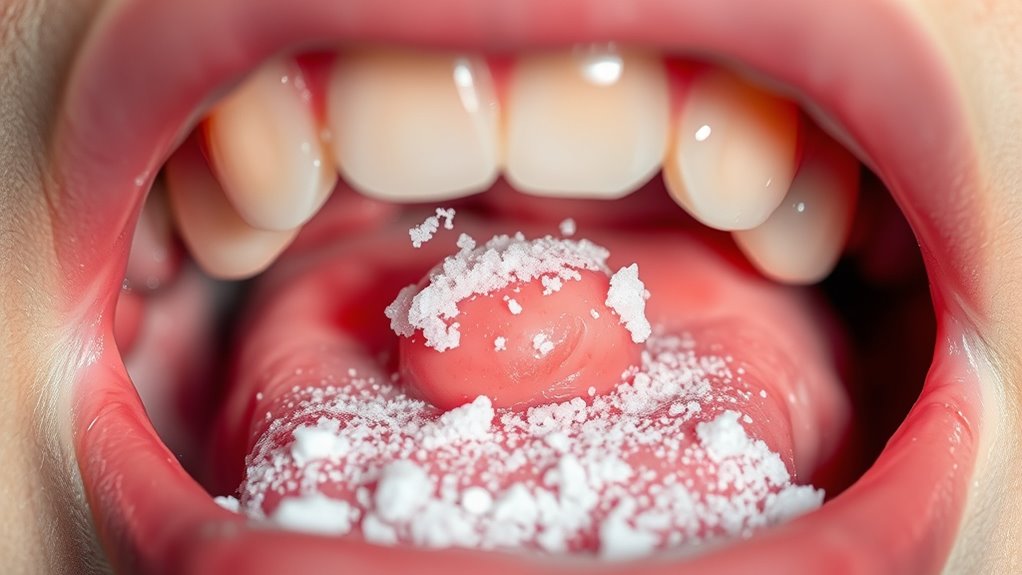
Although canker sores are common and usually harmless, they can be quite painful when they appear inside your mouth. These small, round mouth ulcers typically have a white or yellow center with a red border.
They form when your immune system mistakenly attacks the healthy mucous membrane, causing inflammation and ulceration.
Minor injuries, like biting your cheek or tongue, often trigger these sores by damaging the oral lining. Stress, certain foods, and hormonal changes may also contribute.
Maintaining good oral hygiene helps prevent infection and promotes healing.
While salt water rinses are popular for pain relief, understanding the cause of canker sores can guide you in managing inflammation and supporting your immune system to heal these bothersome ulcers effectively.
Why Saltwater Rinses Help Canker Sores Heal
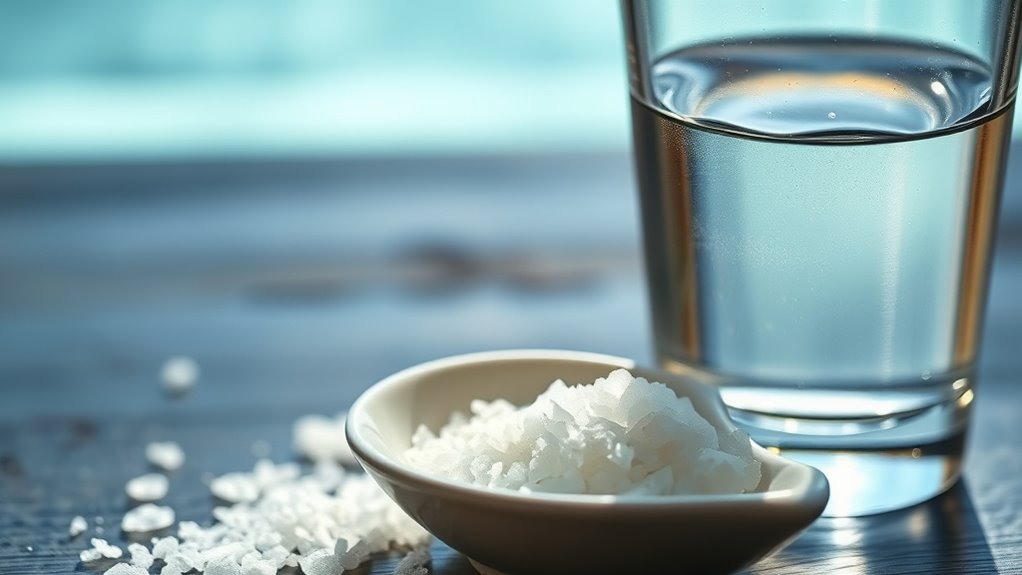
When you rinse your mouth with saltwater, it creates an alkaline environment that slows bacterial growth around the canker sore. Saltwater rinses reduce inflammation and help dehydrate bacteria and damaged tissue in the ulcer, speeding up healing.
Rinsing with saltwater creates an alkaline environment that slows bacteria and speeds healing of canker sores.
This process also increases blood flow to the sore, delivering nutrients essential for recovery.
Regular rinsing cleans the ulcer area, promotes faster healing, and decreases pain in your mouth.
Imagine the saltwater rinse as a gentle, natural cleanser that:
- Pulls fluid away from the sore to reduce swelling
- Creates an environment hostile to bacteria
- Removes debris and damaged cells around the ulcer
- Stimulates circulation for nutrient delivery
- Enhances tissue repair and recovery
Using saltwater rinses consistently supports effective healing without harsh irritation.
Why Dry Salt Hurts When Applied to Canker Sores
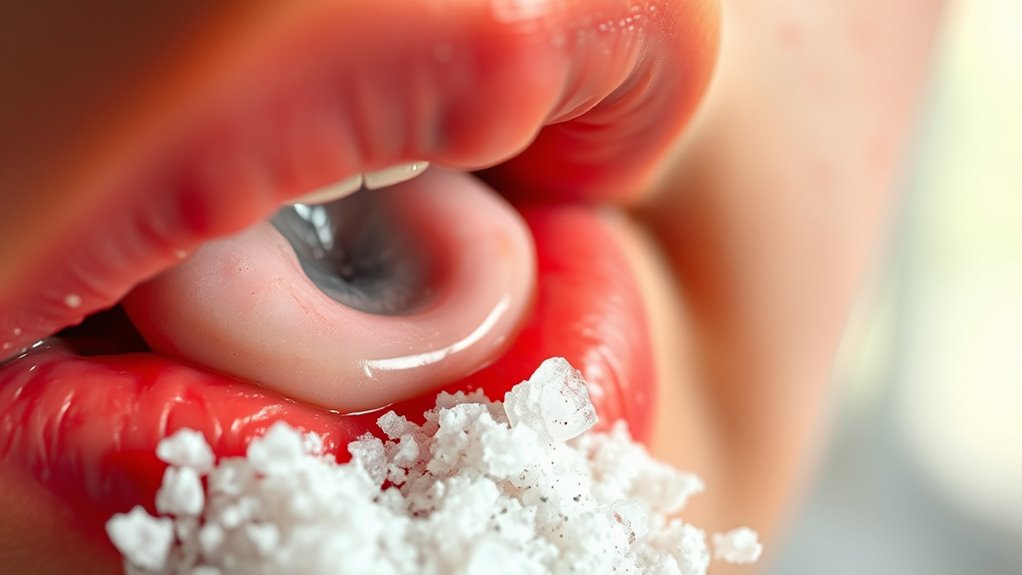
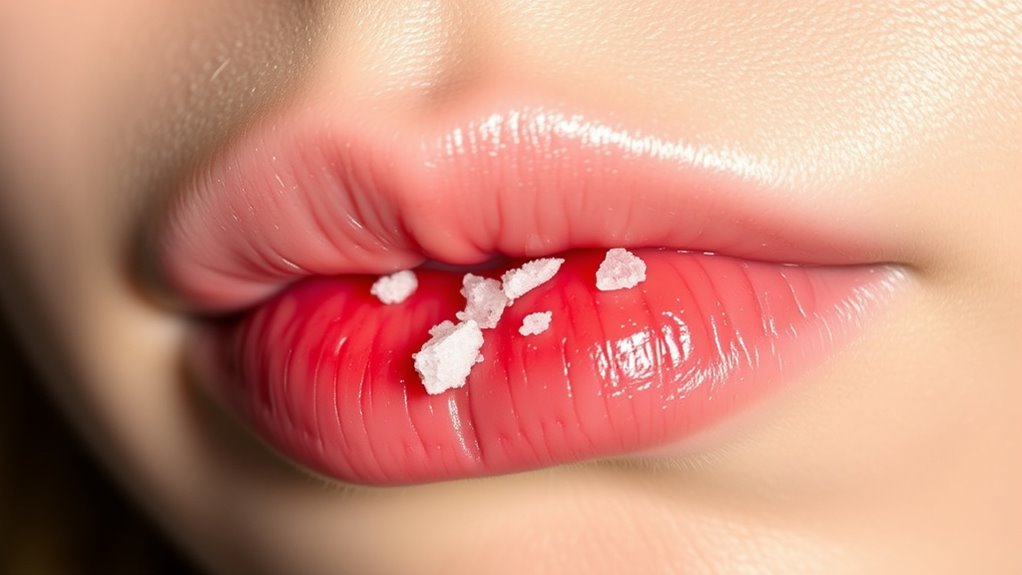
When you apply dry salt directly to a canker sore, it irritates the sensitive tissue and causes sharp pain.
The salt’s abrasive texture and its ability to draw moisture out can damage the delicate sore, making it hurt even more.
Understanding how salt affects your sore helps explain why this common remedy often backfires.
Salt’s Irritating Effect
Since dry salt draws moisture from tissues, applying it directly to a canker sore causes intense burning and pain. When you put abrasive salt on oral ulcers, it dehydrates the mucous membrane, leading to tissue damage and a sharp burning sensation. This irritation can worsen inflammation, making the sore more painful instead of helping.
Salt’s harsh effect tends to irritate canker sores, increasing discomfort and delaying healing. Instead of direct application, using salt in diluted form is safer.
- Sharp sting as salt touches the sore
- Dry, cracked mucous membrane around the ulcer
- Redness marking inflammation
- Increased pain with every movement
- Sensitive, damaged tissue reacting harshly
Avoid direct salt contact to prevent pain increase and further tissue injury.
Pain Mechanism Explained
Although you might expect salt to soothe a canker sore, applying dry salt actually triggers a sudden osmotic shift that pulls water out of your sore’s tissue, causing sharp pain. This movement of water leads to mucosal irritation and epithelial damage, which activates pain receptors in the area.
The abrasive nature of salt causes microtrauma, further aggravating inflammation and intensifying your discomfort. When salt disrupts cell membranes, nerve activation spikes, sending strong pain signals to your brain.
This reaction delays tissue healing by increasing inflammation and preventing the sore from recovering quickly. So, while salt might seem like a simple remedy, its effect on your canker sore’s sensitive tissue actually worsens pain and slows down recovery.
Tissue Damage Risks
If you apply dry salt directly to your canker sore, you’ll cause tissue damage because salt acts as an abrasive that irritates and burns the delicate mucous membrane. Salt’s abrasiveness can scratch the oral mucosa, leading to inflammation and a painful burning sensation.
The high osmotic pressure from salt causes dehydration of cells around the sore, worsening irritation and delaying healing.
Instead of soothing, salt intensifies discomfort by traumatizing sensitive tissue. This additional damage prolongs recovery and may even cause bleeding.
- Sharp salt crystals scraping sore tissue
- Dry, cracked oral mucosa from dehydration
- Inflamed, swollen edges around the sore
- Intense burning sensation upon contact
- Slow, painful healing due to repeated trauma
Using salt this way risks serious tissue damage and delays your sore’s natural healing process.
How to Safely Use Saltwater Rinses for Relief
When you use saltwater rinses correctly, they can effectively reduce inflammation and bacteria around your canker sore, speeding up healing. Saltwater rinses can be used safely by dissolving one teaspoon of salt in eight ounces of warm water.
Swish gently in your mouth for about 30 seconds, making sure to avoid direct contact with the sore to prevent irritation or pain. Regular rinsing two to three times daily helps promote healing and eases symptoms of stomatitis without causing tissue damage. Always spit out the solution after rinsing, as swallowing precautions are essential to avoid stomach upset.
Comparing Saltwater Rinses With Other Home Remedies
You’ll find that saltwater rinses offer a gentle way to reduce inflammation and promote healing without irritating your sore.
Other home remedies, like applying baking soda or milk of magnesia, also have their benefits but work differently.
Let’s compare these options so you can choose the best approach for your canker sore relief.
Saltwater Rinse Benefits
Although many home remedies claim to soothe canker sores, saltwater rinses stand out for their proven ability to reduce inflammation and bacteria without causing additional pain. Using a saltwater rinse twice daily helps promote healing and supports oral health by creating a soothing environment that encourages wound healing.
Unlike putting salt on a sore, which can worsen pain, a gentle mouth rinse offers effective pain relief and reduces irritation. To get the best results, dissolve a teaspoon of salt in warm water and rinse your mouth thoroughly.
- Warm, gentle rinse soothing irritated tissue
- Reduced redness and swelling around the sore
- Neutralized oral acids promoting faster healing
- Killed bacteria preventing infection
- Improved comfort without stinging pain from salt on sore
A saltwater rinse is a safe, effective way to support your mouth’s natural healing process.
Alternative Home Remedies
Since canker sores can be stubborn and painful, exploring alternative home remedies alongside saltwater rinses can help you find the best relief. Saltwater rinses effectively reduce bacteria and inflammation, promoting healing while maintaining oral health without causing tissue damage.
Unlike directly applying salt, which can irritate and harm delicate tissue, saltwater rinses provide a gentler approach.
Alternative treatments like honey and aloe vera offer additional soothing effects and antimicrobial benefits, making them valuable options to contemplate.
While hydrogen peroxide can be used, it poses a higher risk of irritation.
When to See a Doctor About Your Canker Sore
If your canker sore lasts longer than two weeks, it’s important to see a healthcare professional for evaluation. Persistent sores may signal underlying issues requiring treatment.
You should seek medical attention if you notice severe pain that home remedies can’t ease or if ulcers that last cause daily discomfort.
Watch for signs of infection like swelling, pus, or fever. Also, frequent recurrence of canker sores or ulcers that don’t heal after three weeks warrants a doctor’s visit to ensure proper long-term healing.
Look out for:
- Ulcers that rapidly increase in size
- Severe pain impacting eating or speaking
- Persistent sores beyond two weeks
- Signs of infection such as pus or fever
- Frequent recurrence of painful canker sores
Don’t hesitate to get professional advice for severe or lasting symptoms.
How Long Do Canker Sores Last With and Without Salt?
When you deal with a canker sore, you can expect it to heal within 7 to 14 days without treatment. Using salt as a home remedy can affect this healing time differently.
Direct salt application on mouth ulcers often causes pain and symptom aggravation, which may delay recovery. However, a saltwater rinse helps reduce inflammation and provides pain relief, potentially speeding up healing.
So, while saltwater rinses are a beneficial home remedy for canker sores, putting salt directly on the sore isn’t recommended.
To manage your canker sores effectively, stick to gentle saltwater rinses rather than harsh salt application to avoid worsening symptoms and support faster healing.
Preventing Canker Sores: Oral Hygiene and Diet Tips
Although canker sores can be stubborn, you can diminish their occurrence by maintaining good oral hygiene and making mindful dietary choices. Good oral health plays a key role in preventing mouth sores, and simple home remedies can be part of your routine.
Maintaining good oral hygiene and mindful dietary choices helps reduce the occurrence of stubborn canker sores.
Salt rinses, for example, can be a gentle way to reduce irritation and keep your mouth clean.
To prevent canker sores, focus on these habits:
- Brush gently with a soft-bristled toothbrush and floss daily
- Replace your toothbrush regularly to avoid tissue trauma
- Avoid acidic, spicy, and abrasive foods that trigger irritation
- Rinse twice daily with warm salt water to reduce infection risk
- Ensure a balanced diet rich in B vitamins and iron to support immune health
These steps can be effective in reducing the frequency and severity of canker sores.
Frequently Asked Questions
Is It Okay to Put Salt Directly on a Canker Sore?
You shouldn’t put salt directly on a canker sore because it’ll cause intense pain and irritation.
Instead, rinse gently with salt water to reduce bacteria and inflammation without harming the delicate tissue or delaying healing.
What Gets Rid of Canker Sores Fast?
Speedy soothing starts by swishing saltwater several times daily. You’ll reduce redness, relieve pain, and rapidly repair your sore.
Keep lips and lifestyle clean, avoid irritants, and consider topical treatments to hasten healing effectively.
Conclusion
You want relief, so rinse with saltwater gently. You want healing, so avoid rubbing dry salt directly. You want comfort, so choose soothing remedies over harsh treatments.
You want to prevent future sores, so maintain good oral hygiene and watch your diet. By caring for your mouth with patience and kindness, you’ll ease pain, speed healing, and keep your smile healthy and bright.
Remember, gentle care leads to lasting comfort. Using salt on a canker sore can be helpful if done properly, but direct application of dry salt is not recommended. Instead, saltwater rinses provide the best balance of relief and healing.