How to Use Rock Salt and Ice Melt: Are They the Same?
Rock salt and ice melt aren’t the same—they differ in composition and temperature range. Understanding how to use rock salt and ice melt effectively can help you choose the best option for your de-icing needs. Use rock salt for milder cold above 15°F; it’s cheaper but less effective in extreme cold.
Ice melt contains additives like calcium chloride, working well down to -25°F and melting ice faster. Apply both evenly, avoid overuse, and wear gloves during application. Understanding their differences helps you pick the best option for safe, effective de-icing and caring for your environment.
Keep going to discover more tips.
What Are Rock Salt and Ice Melt?
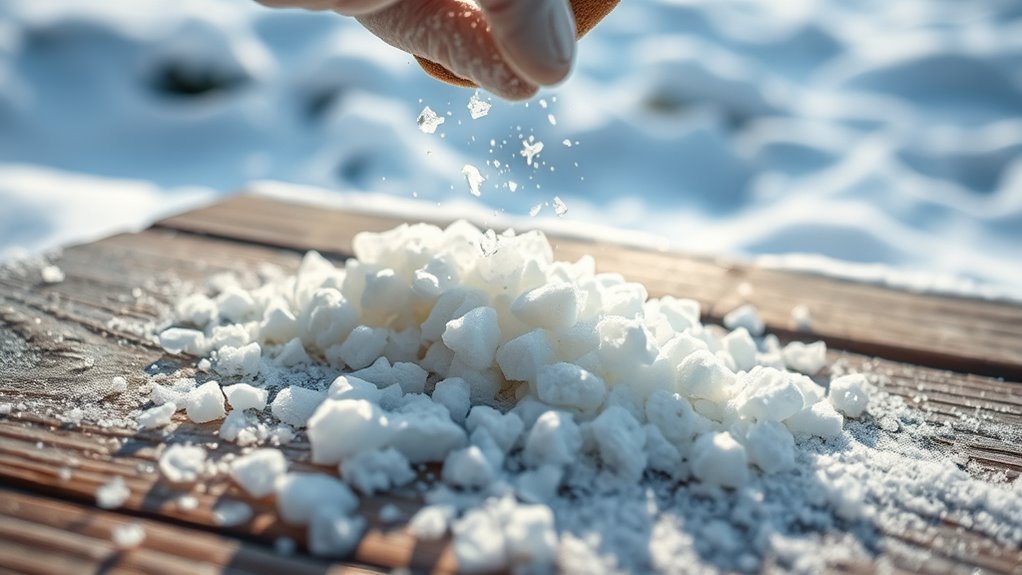
What makes rock salt and ice melt different, and how do they work? Rock salt, primarily sodium chloride, is a natural mineral used in de-icing by lowering ice’s freezing point. You’ll notice rock salt has larger, less refined particles that work well for melting ice above 5°F.
Ice melt, on the other hand, is a commercial blend often containing sodium chloride, calcium chloride, magnesium chloride, and other chemicals. These additives help ice melt faster and remain effective in much colder temperatures, sometimes down to -25°F.
When you use ice melt, you benefit from a product designed for more efficient melting and safer application on surfaces.
Both serve the same purpose of de-icing, but their composition and effectiveness set them apart.
How Do Rock Salt and Ice Melt Differ?
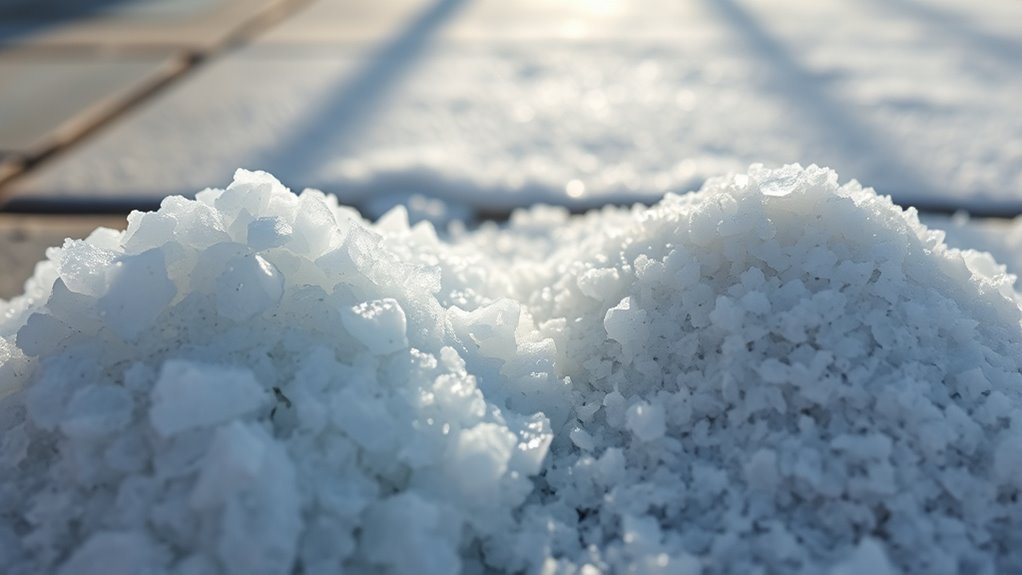
You’ll notice that rock salt is mostly just sodium chloride, while ice melt combines several chemicals for better performance.
Ice melt works at much lower temperatures and usually melts ice faster than rock salt.
Keep in mind, rock salt can be harsher on surfaces and the environment compared to many ice melt options designed with safety in mind.
Chemical Composition Differences
Although both rock salt and ice melt serve to clear ice, they differ markedly in their chemical composition and effectiveness. Rock salt mainly consists of sodium chloride in larger crystalline particles, mined directly from natural salt deposits.
In contrast, ice melt products blend sodium chloride with calcium chloride, magnesium chloride, and other chemicals. These additives boost melting power, especially at lower temperatures.
Ice melt often contains anti-caking agents and color indicators, which help with application and visibility—features absent in pure rock salt. The chemical composition of ice melt is designed to lower freezing points more effectively, making it more versatile.
Temperature Performance Range
When temperatures drop below freezing, choosing the right ice melting agent becomes essential for effectiveness. Rock salt is effective at melting ice down to about 15°F (-9°C), but its efficiency drops sharply below 20°F (-6°C).
In contrast, many ice melt products, especially those with calcium or magnesium chloride, work well at much lower temperatures, often as low as -25°F (-32°C). Calcium chloride-based melts generate heat through an exothermic reaction, making them highly effective at melting ice in severe cold temperatures.
Regular rock salt becomes less effective below 5°F (-15°C), requiring larger amounts for minimal results.
Blended ice melt salts maintain performance well below the freezing point, offering a broader temperature range for colder climates.
Understanding this temperature performance range helps you pick the best product to melt ice effectively in your conditions.
Environmental Impact Considerations
Choosing the right ice melting agent isn’t just about temperature performance; you also need to contemplate how it affects the environment. Rock salt’s chemical composition (sodium chloride) can cause soil contamination and harm aquatic life through runoff.
On the other hand, many ice melt products contain calcium or magnesium chlorides, which are less corrosive and reduce environmental impact.
Consider these factors when choosing:
- Rock salt can degrade soil quality and vegetation over time.
- Eco-friendly ice melts often include additives that minimize harmful runoff and chlorine release.
- Proper application of ice melts with safer chemical makeup helps protect ecosystems better than traditional rock salt.
When Should You Use Rock Salt vs. Ice Melt?
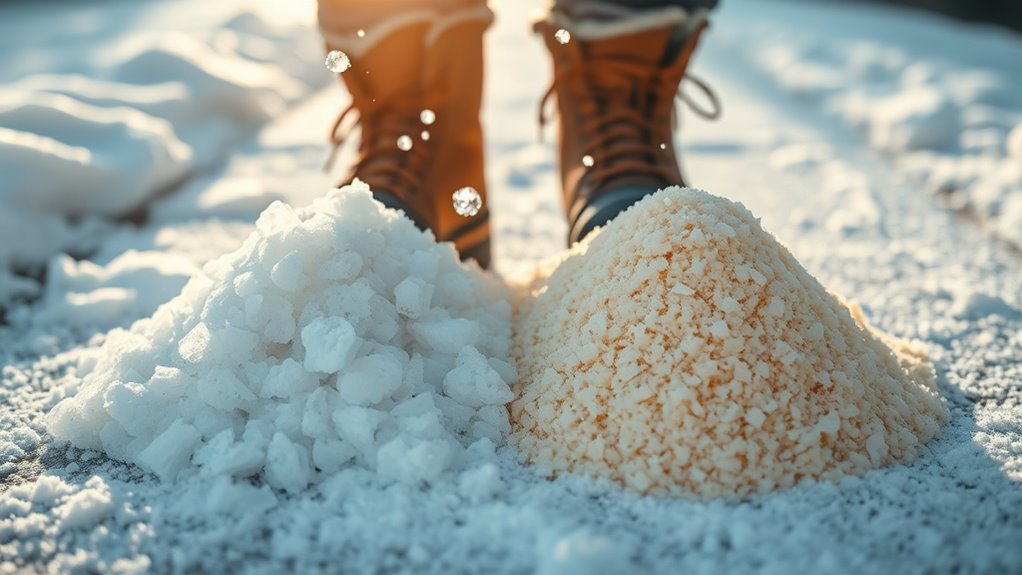
Since temperatures and conditions vary, you’ll want to pick rock salt or ice melt based on the situation. Use rock salt when temperatures are above 15°F for effective de-icing and good melting efficiency, especially on large areas where cost matters more than surface safety.
Rock salt works well in milder winter conditions, offering traction and quick ice removal.
However, when temperatures drop below freezing or reach as low as -25°F, ice melt becomes the better choice. It offers faster melting efficiency and improved surface safety, making it ideal for extreme cold or pet-friendly environments.
Sometimes, combining both products depending on temperatures and winter conditions can optimize results, balancing cost, melting speed, and protecting surfaces.
Choose wisely to keep your walkways safe and ice-free all season.
How to Apply Rock Salt Safely and Effectively
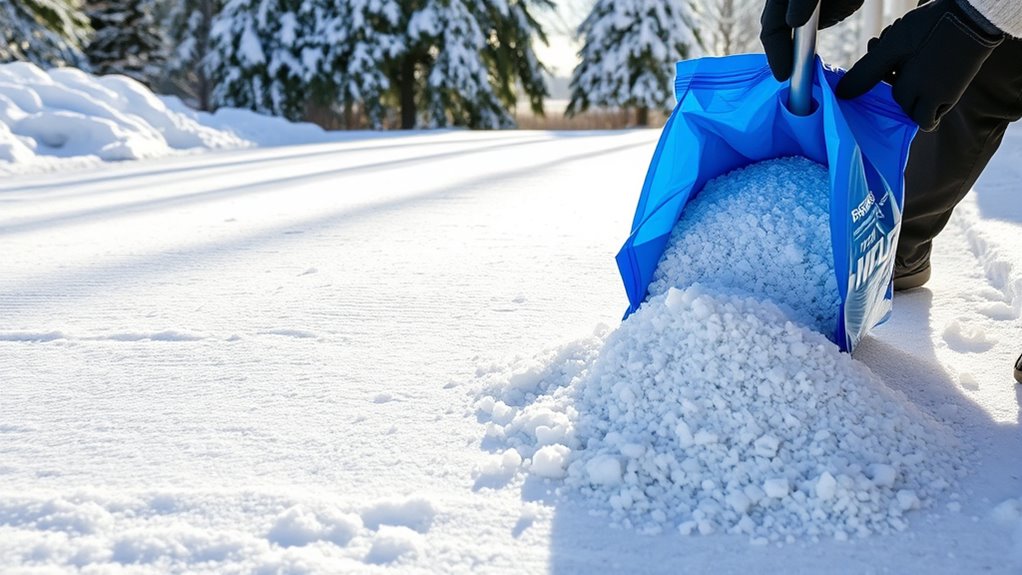
When you apply rock salt, make sure to wear gloves and protective clothing to avoid skin irritation.
Spread it evenly in a thin layer using a spreader or shovel to prevent waste and runoff.
Keep shoveling away slush promptly to stop refreezing and maintain safe pathways.
Proper Application Techniques
Although applying rock salt and ice melt seems straightforward, doing it correctly guarantees maximum effectiveness and safety. Proper application ensures ice melt spreads evenly and melts ice efficiently without wasting product or compromising traction.
Keep these tips in mind for the best results:
- Clear loose snow and ice before application to improve coverage and contact with the surface.
- Use a calibrated spreader or gloves to distribute a thin, even layer of salt or ice melt, avoiding over-application and clumping.
- Apply during dry conditions and when the temperature is above freezing to maximize melting power and maintain safety.
Safety Precautions
To apply rock salt safely and effectively, you’ll need to wear gloves to protect your skin and avoid contact with your eyes and mouth. Proper handling reduces the risk of skin irritation and guarantees pet safety.
Always shovel snow before applying salt to minimize usage and prevent refreezing. Avoid over-application to prevent surface damage to concrete and vegetation.
| Safety Precautions | Actions to Take |
|---|---|
| Wear Gloves | Prevent skin irritation |
| Avoid Over-Application | Protect surfaces and plants |
| Keep Pets Away | Ensure pet safety until dissolved |
How to Use Ice Melt for Best Results
How can you get the most out of your ice melt? To maximize its effectiveness, you want to apply it properly and at the right time. Start by pre-wetting the surface with water to boost the ice melt’s melting power.
Maximize ice melt effectiveness by applying it at the right time and pre-wetting surfaces with water first.
Then, spread a thin, even layer to ensure ideal coverage without wasting product. Keep safety in mind by keeping pets and children away until the ice melt dissolves fully.
Here are three key tips to follow:
- Apply ice melt at the first sign of ice or snow to prevent buildup.
- Use a spreader or gloves for even application and better coverage.
- Reapply as needed, especially if temperatures stay below freezing or after fresh snowfall.
Following these steps will help you tackle icy surfaces efficiently.
Are Rock Salt and Ice Melt Safe for Pets and Plants?
Applying ice melt effectively helps keep your walkways safe, but you’ll also want to contemplate how these products affect your pets and plants. Rock salt can cause salt toxicity in pets, irritating their paws and leading to gastrointestinal issues if ingested. It also poses a higher risk of plant damage due to its corrosive effects on lawns and garden vegetation.
Many ice melt chemicals, like magnesium chloride or calcium chloride, offer safer alternatives with reduced harm to pets and plants. For better pet safety, choose pet-safe options containing propylene glycol or potassium chloride, and always follow manufacturer instructions. To minimize risks, shovel snow first and avoid overuse. By doing this, you protect your furry friends and keep your plants healthy while keeping walkways clear and safe.
Environmental Impact: Rock Salt vs. Ice Melt
You’ll want to contemplate how rock salt and ice melt affect vegetation, soil, and water quality before applying them. Rock salt can increase soil salinity and harm plants.
Some ice melts are gentler but still risk corrosion. Using the right product in moderation helps protect your landscape and local waterways.
Vegetation and Soil Effects
Although rock salt is a common choice for melting ice, it can seriously harm your soil and plants by raising soil salinity and altering pH levels. This increase in soil salinity leads to vegetation damage and hampers plant growth.
Changes in soil pH can cause long-term soil degradation.
You should consider how these factors impact the overall environmental impact of your ice-melting choices. Compared to rock salt, many ice melt products are less damaging and more eco-friendly.
Keep in mind:
- Excess rock salt causes salt runoff, polluting nearby areas and stressing vegetation.
- Ice melts with calcium or magnesium chloride are gentler on soil and plants.
- Pet-safe ice melts often reduce chloride levels, limiting soil and vegetation damage.
Choose wisely to protect your soil and promote healthy plant growth.
Corrosion and Water Quality
Beyond its effects on soil and plants, rock salt also poses significant risks to water quality and infrastructure. When rock salt dissolves, it increases chloride levels in runoff, which can lead to corrosion of pipes and concrete over time. This corrosion not only damages infrastructure but also contributes to salt deposits that further degrade the environment.
In contrast, many ice melt products use calcium or magnesium chlorides, which tend to have a lower environmental impact due to reduced corrosiveness. However, both rock salt and ice melt products can affect water quality if not applied carefully.
To protect aquatic ecosystems and maintain infrastructure, you should use proper application and containment strategies to minimize runoff and chloride contamination, reducing corrosion and preserving water quality.
Mistakes to Avoid With Rock Salt & Ice Melt
When using rock salt and ice melt, take care not to mix different types or combine them with other de-icing products unless the instructions say it’s safe, as this can reduce their effectiveness or cause unwanted chemical reactions.
To avoid common mistakes, focus on a precise application and steer clear of overuse. Excessive salt can cause surface damage and harm the environment.
Also, keep these points in mind:
- Don’t apply on delicate surfaces like untreated wood or painted areas to prevent chemical damage.
- Avoid using products with iron or copper additives, which can stain concrete and hurt plants.
- Never apply salt before or during rain to reduce environmental runoff and contamination.
How to Store and Handle Rock Salt and Ice Melt
To keep rock salt and ice melt effective, store them in a cool, dry place away from moisture and tightly seal their containers when not in use. Proper storage prevents clumping and caking, maintaining their melting power.
When handling these products, avoid placing containers near acids, chemicals, or fertilizers to prevent contamination. Use pallets or shelves to keep bags or buckets off the ground, protecting them from water damage and making access easier.
Always ensure containers are sealed well after each use to block humidity. Clearly label your storage areas and product containers to avoid mix-ups and promote safe handling during application.
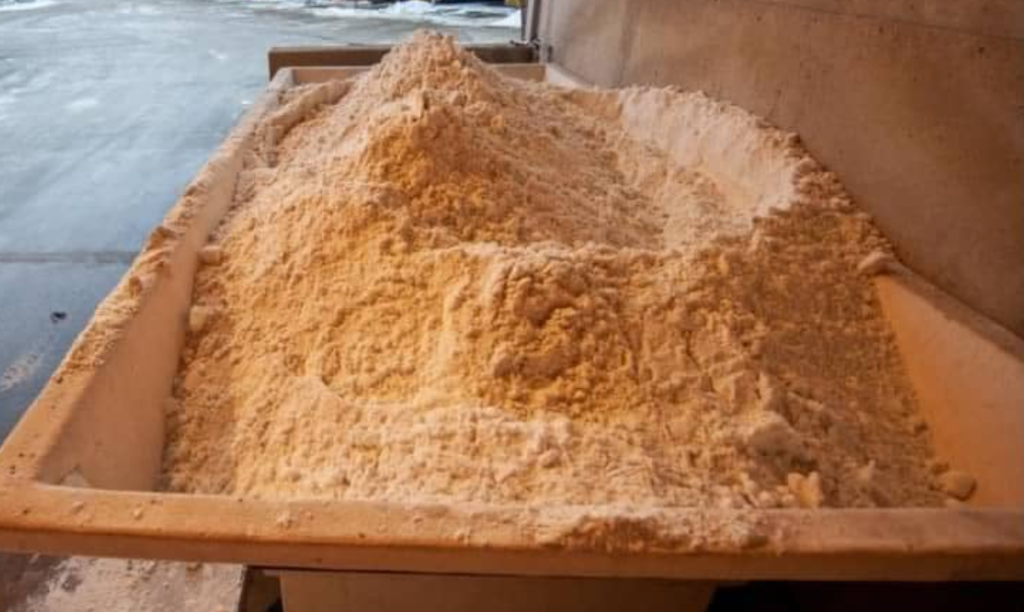
Choosing the Right Product for Your Winter Needs
Although choosing the right product depends on your local climate, you’ll want rock salt for quick, cost-effective melting in milder temperatures above 15°F.
For fast, budget-friendly melting, opt for rock salt when temperatures stay above 15°F.
Ice melt containing calcium or magnesium chloride works best in colder conditions down to -25°F.
When planning your winter maintenance, consider these factors:
- Melting temperature: Select rock salt for temperatures above 15°F and ice melt products for colder conditions.
- Environmental safety: Ice melt options are generally safer for vegetation, concrete, and pets.
- Application instructions: Always follow manufacturer guidelines to ensure effective de-icing and surface protection.
Frequently Asked Questions
Is Rock Salt the Same as Ice Melt?
No, rock salt isn’t the same as ice melt. You’ll find rock salt is pure sodium chloride, while ice melt blends chemicals for better performance in colder temperatures.
Ice melt melts ice faster and more effectively.
How to Use Rock Salt for Ice Melting?
You spread rock salt evenly over ice using a shovel, applying 1-2 pounds per 10 square feet. Wear gloves, shovel melted slush promptly, and reapply as ice reforms to keep surfaces safe and clear.
What Is the Best Salt to Use on Your Driveway?
The best salt for your driveway is calcium chloride-based ice melt—it works well in cold temps, down to -25°F.
You can mix it with rock salt for cost savings but avoid overusing rock salt alone.
When Not to Use Rock Salt?
Don’t use rock salt if you want your driveway to survive winter without looking like a salt mine!
Avoid it below 15°F, near plants, metal, or if you cherish your concrete and asphalt’s dignity.
Conclusion
Using rock salt and ice melt is like picking the right tool for a job—you want the one that fits your needs best. Rock salt works well for quick, heavy-duty melting, while ice melt is gentler on surfaces and the environment.
By applying them correctly and storing them properly, you’ll keep your walkways safe without causing unnecessary harm. Just remember, choosing wisely makes winter a lot easier to handle.
When deciding between rock salt and ice melt, consider factors like effectiveness, surface safety, and environmental impact. Using rock salt and ice melt appropriately ensures safe and efficient ice removal throughout the winter season.