Should You Salt Your Driveway Before Snowfall
You should salt your driveway before snowfall because it lowers water’s freezing point and stops ice from sticking tightly, making snow easier to remove and your surfaces safer. Pre-salting your driveway is an effective way to prevent ice buildup and reduce slipping hazards during winter.
Apply salt a few hours prior when temperatures are above 15°F for the best effect. Using the right amount and type of salt is crucial to avoid damage to your driveway and environmental issues.
Skipping pre-salting often leads to tougher ice and more work later. Keep going to discover how to salt effectively and protect your driveway.
How Does Pre-Salting Prevent Ice Before Snowfall?

When you salt your driveway before snowfall, you create a chemical barrier that stops snow and ice from sticking firmly to the surface. This pre-salting works by lowering the freezing point of water, so ice has a much harder time forming even as temperatures fall.
By applying salt ahead of time, you reduce snow accumulation and disrupt ice bonding to the pavement.
This snow prevention method makes later snow removal much easier. For pre-salting to be most effective, you should apply salt when temperatures are above 15°F to ensure it dissolves properly and forms the protective layer.
Doing this a few hours before the storm starts helps the salt work its magic, preventing ice from bonding tightly and keeping your driveway safer.
When Should You Salt Your Driveway Before Snow?

If you want to maximize the effectiveness of salting your driveway, apply salt a few hours before the snow starts falling. Timing is key for pre-salting to work well. Keep these points in mind:
- Salt when temperatures are above 15°F for better dissolving and effectiveness.
- Check the weather forecast for an upcoming snowstorm within 12-24 hours.
- Avoid salting if heavy rain or warm temperatures are expected, as salt may wash away.
Pre-salting creates a protective barrier, preventing snow and ice from bonding to pavement.
Salt before snowfall, not after, to reduce ice buildup and improve safety.
How to Apply Salt Properly Before a Snowstorm

Although salting your driveway before a snowstorm requires careful timing, applying it a few hours ahead when temperatures are above 15°F guarantees the best results. First, shovel any accumulated snow to enhance salt’s melting action.
Next, use a calibrated spreader to apply salt evenly on driveways and walkways. Always check the weather forecast to avoid heavy rain or sudden temperature drops that could reduce salt’s effectiveness.
| Step | Tip |
|---|---|
| Timing | Salt a few hours before snowfall |
| Temperature | Above 15°F for optimal melting |
| Application Method | Use a calibrated spreader |
| Snow Removal | Shovel snow before applying salt |
How Much Salt Should You Use for Pre-Salting?
Knowing the right amount of salt to apply can make a big difference in protecting your driveway without wasting materials. For effective pre-salting, you want to control the salt application carefully. Here’s how to manage the amount of salt:
- Use about 12 ounces of salt per 20-foot driveway.
- Spread salt evenly with a calibrated spreader to cover high-traffic areas.
- Apply salt at least a few hours before snowfall to create a chemical barrier.
- Shovel snow first, then spread salt to enhance melting and reduce salt use.
- Avoid over-application to prevent environmental harm and surface damage.
Which Salt Is Best for Pre-Salting Your Driveway?
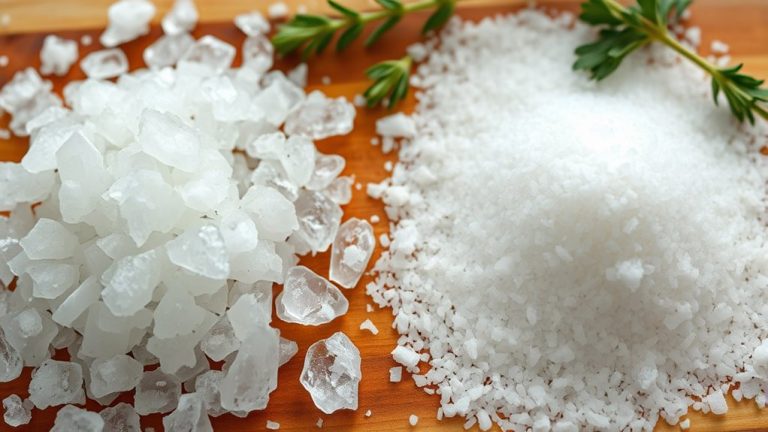
When preparing your driveway for snowfall, choosing the right type of salt can make all the difference in preventing ice buildup and easing snow removal. Calcium chloride offers superior melting efficiency, working well even below -25°F. Rock salt works best above 15°F but dissolves slowly in colder weather.
Blended salts with magnesium chloride provide quick melting and are gentler on concrete. Treated salts like ClearLane® boost melting efficiency while reducing the amount needed for pre-salting.
| Salt Type | Melting Efficiency | Best Use Temperature |
|---|---|---|
| Calcium Chloride | High | Down to -25°F |
| Rock Salt | Moderate | Above 15°F |
| Magnesium Blend | Quick, less corrosive | Wide range |
| Treated Salts | Improved, efficient | Various |
Choose salts based on temperature and surface needs for effective pre-salting.
What Happens If You Skip Pre-Salting Before Snowfall?
If you skip pre-salting before snowfall, snow and ice will bond tightly to your driveway, making it much harder to clear later.
You’ll end up using more salt and putting in extra effort to remove the buildup.
Preventing that strong ice bond early can save you time and work down the road.
Increased Ice Bonding
Because you skip pre-salting, snow and ice bond directly to your driveway, making removal much harder. Without presalting, ice bonding intensifies as snow freezes solidly to the surface, raising the freezing point barrier and complicating snow removal. Here’s what happens:
- Snow forms a tight layer that sticks firmly to pavement.
- Ice builds up faster without a salt barrier.
- Melting slows, creating thicker, tougher ice.
- You’ll need more salt and effort to clear the area.
- Surfaces become slippery, increasing hazard risk.
Presalting helps lower the freezing point, preventing strong ice bonding. Skipping it means you face stubborn, bonded ice that demands more work and resources to manage.
Harder Snow Removal
Skipping pre-salting makes snow and ice cling tightly to your driveway, turning snow removal into a tougher and more tiring task. Without presalting, ice bonding increases, causing snow to stick firmly to the pavement. This means you’ll spend more time and effort shoveling, often leading to faster fatigue and even accelerated tire wear if you’re using heavy equipment.
The absence of presalting also results in heavier snow buildup, requiring more resources for effective snow removal. Additionally, skipping this step reduces the effectiveness of later de-icing, increasing the risk of dangerous black ice forming on your driveway.
How Does Post-Salting Help After Snow Removal?
While snow removal clears most of the buildup, post-salting plays a crucial role in melting leftover snow and thin ice patches that can still create hazards.
When you apply post-salting, you:
- Enhance ice melt on stubborn patches left after plowing.
- Prevent black ice formation during freezing temperatures.
- Improve traction for both vehicles and pedestrians on slippery surfaces.
- Extend the effectiveness of your initial salting efforts.
- Target trouble spots like curbs, entrances, and shaded areas where ice tends to refreeze.
How to Use Salt Responsibly to Protect Your Driveway and Lawn
If you want to keep your driveway safe without damaging your lawn or the environment, you need to salt responsibly. Start by shoveling snow first; this reduces the salt needed and boosts its effectiveness.
Salt responsibly by shoveling snow first to reduce salt use and protect your lawn and environment.
Apply about 12 ounces of salt per 20-foot driveway—using more only wastes salt and harms the environment.
To ensure even coverage, use a calibrated spreader; this prevents clumps and ensures the salt works efficiently.
Avoid salting bare pavement during heavy rain since runoff can carry salt into surrounding soil and waterways, damaging your lawn and local ecosystems.
What Are Effective Alternatives and Enhancements to Salting?
Salting your driveway responsibly helps protect your lawn and the environment, but there are other ways to keep your driveway safe and ice-free.
You can enhance ice prevention and snow removal with these effective substitutes:
- Use HeatTrak snow and ice melting mats for a heated, salt-free surface.
- Apply environmentally friendly de-icers or organic anti-icing agents before snowfall.
- Opt for liquid de-icers or brine solutions for controlled, eco-friendly ice prevention.
- Spread sand or calcium magnesium acetate as salt alternatives to reduce environmental impact.
- Combine physical snow removal with heat mats or green de-icers for ideal safety.
Frequently Asked Questions
Should You Salt the Driveway Before It Snows?
Yes, you should salt your driveway before it snows. Doing this a few hours ahead prevents ice from bonding, makes snow removal easier, and keeps your driveway safer by reducing slippery buildup throughout winter.
Do You Put Salt on Before or After Ice?
You should put salt on before ice forms to prevent it from bonding to your driveway.
Salt after ice has formed helps melt it but isn’t as effective, so pre-treating is your best bet.
How to Prep a Driveway for Snow and Ice?
You’ll want to shovel your driveway first, then spread about 12-15 ounces of salt per 20 feet using a calibrated spreader.
Doing this hours before snow helps prevent ice buildup and keeps your driveway safer.
Do They Salt Roads Before It Snows?
Yes, they salt roads before it snows to prevent ice from bonding and improve safety. You’ll find this works best when temperatures are above 15°F, helping reduce salt use and environmental impact during storms.
Conclusion
Salting your driveway before snowfall can reduce ice buildup by up to 50%, making your walkways safer and easier to clear. If you salt too early or too late, you might not get the full benefits, so timing is key.
Remember, using the right amount and type of salt protects your driveway and lawn. By pre-salting responsibly, you’ll save time, prevent accidents, and keep your property in great shape all winter long.
In conclusion, proper timing and the correct salt application are essential for effective snow and ice management. Salting your driveway before snowfall is a smart strategy to maintain safety and preserve your driveway throughout the winter season.