What Is the Best Salt for Water Softeners? Top Picks Explained
You want the best salt for your water softener to keep it efficient and lasting longer. Choosing the right water softener salt is essential for optimal performance and maintenance. Generally, evaporated salt is top-quality—it dissolves quickly, has fewer impurities, and prevents buildup.
If your water is softer, rock salt can work but may cause more maintenance issues. Solar salt is eco-friendly but slower to dissolve. For lower sodium options, potassium chloride is an alternative.
Keeping salt levels right and regular tank cleaning also matters. Discover more about choosing and maintaining the perfect salt for your system to ensure long-lasting soft water.
Why Choosing the Right Salt Matters
When you choose the right salt for your water softener, you guarantee the system works efficiently by promoting ideal ion exchange. Water softener salt plays a vital role in the water softening process by removing hardness minerals and regenerating the resin beads.
Choosing the right salt ensures efficient ion exchange and effective removal of hardness minerals in your water softener.
Using high salt quality, such as evaporated or solar salt, enhances system efficiency and extends your softener’s lifespan. Poor-quality or impure salts can cause salt bridges and clogging, interrupting ion exchange and leading to increased maintenance.
Selecting the proper salt helps prevent mineral buildup, ensuring consistent soft water output. By focusing on salt quality, you maintain your system’s performance and protect your home’s plumbing from the damaging effects of water hardness.
Choosing the right salt isn’t just smart—it’s indispensable for long-term reliability.
How Water Hardness Affects Salt Selection
The quality of salt you pick depends largely on how hard your water is. If your water hardness is high, especially above 7 grains per gallon, you’ll want to use high-purity salts like evaporated salt. These salts improve the regeneration process and help prevent mineral buildup, which can degrade system performance.
For very hard water (above 10 grains per gallon), evaporated salt is the best choice to reduce salt bridges and resin fouling.
| Water Hardness (grains/gallon) | Recommended Salt Type |
|---|---|
| Below 7 | Rock salt (less refined) |
| 7 to 10 | High-purity salts |
| Above 10 | Evaporated salt |
Matching salt type to water hardness optimizes your water softener’s efficiency.
Manufacturer Recommendations for Water Softener Salt
Although you might be tempted to choose any salt type, it’s crucial to follow your water softener manufacturer’s recommendations for salt selection.
Sticking to the recommended water softener salt ensures ideal water softening performance and protects your system from damage like salt bridging.
Many manufacturers suggest using evaporated salt or high-purity solar salt to maintain efficient system maintenance and prolong its lifespan.
Ignoring these guidelines may void your warranty and reduce effectiveness.
Keep these manufacturer recommendations in mind:
- Use the specified salt type and grade in your manual
- Consider branded salts designed for your model
- Follow recommended regeneration cycles for best results
Rock Salt for Water Softeners: Pros and Cons
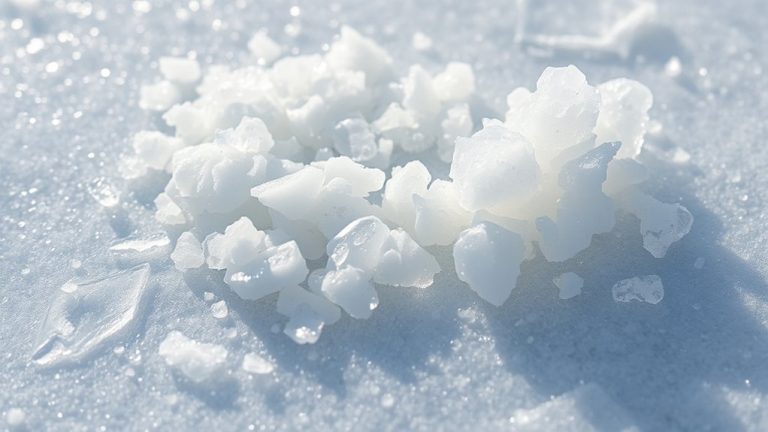
Rock salt is the most affordable and least processed option you can choose for your water softener, usually coming in large, coarse crystals.
While it can save you money upfront, its impurities may cause buildup and require more frequent maintenance.
You’ll want to weigh these pros and cons carefully, especially if your water has high hardness levels.
Rock Salt Characteristics
Why choose rock salt for your water softener when it comes with notable drawbacks? Rock salt is a naturally mined mineral that contains impurities like calcium sulfate and dirt, which cause buildup inside your softener tank. These impurities result in sediments that settle at the bottom, requiring frequent cleaning.
Because rock salt dissolves slowly, especially in colder water, it often leads to salt bridging and mushing, reducing your softener’s efficiency.
Key rock salt characteristics include:
- Presence of impurities causing buildup and damage over time
- Sediments that demand regular brine tank maintenance
- Lower dissolution rate affecting softening performance
While rock salt might seem cost-effective, its impurities and impact on efficiency make it a less reliable choice for maintaining your water softener.
Advantages Of Rock Salt
While rock salt comes with some drawbacks, you’ll find its affordability makes it an attractive option for many water softener users. Rock salt is generally the least expensive choice, helping you save money on salt refills.
Despite containing impurities, such as calcium sulfate and dirt, it still effectively regenerates your water softener.
However, you should be aware that these impurities can contribute to residue buildup inside the brine tank. Because rock salt’s coarse grains dissolve slowly, you may need to refill your salt supply more often.
Also, regular maintenance is essential to prevent salt bridges and blockages caused by clumping.
If you’re willing to stay on top of cleaning and upkeep, rock salt offers a budget-friendly solution without sacrificing basic water softening performance.
Disadvantages And Risks
Although rock salt can save you money upfront, it comes with several disadvantages that may impact your water softener’s performance and longevity. The impurities in rock salt often cause sediment buildup and mineral buildup, which can clog your system and lead to costly system malfunctions.
You’ll likely face more frequent maintenance due to salt bridges and mushing, which reduce system efficiency.
Additionally, the coarse nature of rock salt introduces dirt and debris, fouling resin beads and shortening the softener’s lifespan.
Key drawbacks include:
- Sediment buildup causing clogs and reduced flow
- Frequent maintenance to clear salt bridges and sediment
- Increased risk of system malfunctions from impurities
Choosing rock salt means balancing low cost with higher long-term upkeep and possible system damage.
Solar Salt for Water Softeners: Benefits and Drawbacks
You’ll find solar salt is made by evaporating seawater, making it an eco-friendly and cost-effective choice for your water softener.
It usually contains fewer impurities than rock salt, but you’ll need to keep an eye on maintenance since it can cause sediment buildup in the brine tank. Understanding these factors will help you decide if solar salt fits your needs.
Solar Salt Composition
Because solar salt is made by evaporating seawater or salt lake brine, it comes in crystalline or pellet forms that work well for water softeners. Its purity is generally higher than rock salt, meaning fewer impurities that could clog your system.
However, solar salt’s slower dissolution rate can influence how efficiently it regenerates the resin in your brine tank, especially if you have high water softening demands.
Over time, you might notice some dust or residue buildup, so regular brine tank cleaning is important to maintain performance.
Keep in mind these key points about solar salt composition:
- Contains fewer impurities, improving system cleanliness
- Dissolves more slowly, affecting regeneration speed
- Can leave residue in the brine tank, requiring upkeep
Environmental Advantages
When you choose solar salt for your water softener, you’re opting for an environmentally friendly alternative that reduces your system’s carbon footprint. Solar salt is produced through a natural evaporation process that uses less energy than other salt manufacturing methods, minimizing its environmental impact.
Because solar salt typically contains fewer impurities, it’s an eco-friendly choice that reduces the chance of fouling your softener system. However, be aware that residual minerals or dust in solar salt can cause sediment buildup over time.
While this might require occasional cleaning, the overall environmental benefits outweigh this minor drawback.
Using solar salt not only supports a cleaner planet but also helps your water softener run more efficiently by dissolving quickly and maintaining system health.
Maintenance Considerations
Although solar salt offers eco-friendly benefits and dissolves easily, it demands regular maintenance to keep your water softener running smoothly. Because solar salt may contain impurities, you’ll notice build-up and dust accumulating in the brine tank. This residue can cause clogging or salt bridging, affecting performance.
To avoid issues, you should stick to a routine of regular cleaning and inspection.
Key maintenance tips include:
- Regular cleaning of the brine tank to remove brown rings and salt dust
- Monitoring for salt bridging, especially if using finer crystals
- Checking for impurities that contribute to build-up and addressing them promptly
Evaporated Salt: The Best Choice for Many Systems
If you want your water softener to perform at its best, choosing evaporated salt is a smart move. This type of salt boasts the highest purity level—often 99.9% sodium chloride—thanks to a heated steam evaporation process that removes impurities.
Because of its purity, evaporated salt dissolves quickly and consistently, which helps reduce salt buildup like bridges and mush in your brine tank. This means your system performance stays smooth and efficient.
Evaporated salt is especially beneficial if you deal with high water hardness or iron, as it prevents clogging and fouling. Although it costs more upfront, using evaporated salt enhances your water softener’s efficiency and longevity, making it the best choice for many systems that demand reliable and effective softening.
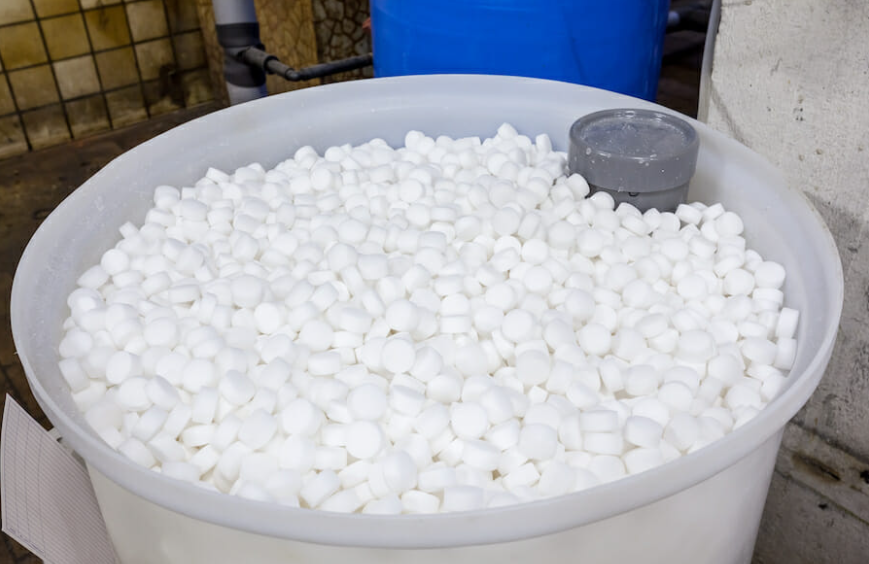
Potassium Chloride: When to Use This Alternative Salt
While potassium chloride offers a low-sodium alternative for water softeners, you should consider it mainly if you have health concerns or want an eco-friendlier option. This water softener salt is ideal when your water test shows high sodium levels or if reducing environmental impact is a priority.
Keep in mind, potassium chloride costs about 30% more and may require system adjustments to maintain efficiency. Also, it can cause resin beads to harden if exposed to temperature fluctuations.
Use potassium chloride when you want to:
- Lower sodium intake for health reasons
- Choose an eco-friendly salt alternative
- Adjust your system to handle salt sensitivity
Always follow manufacturer guidelines to avoid issues with resin beads and ensure peak performance.
How to Maintain Your Water Softener’s Salt Tank
Keeping your water softener’s salt tank well-maintained is essential for consistent performance and longevity. Regularly check the salt level in the brine tank and refill it when it drops below half full to keep your softener systems running smoothly. Use high-quality salt to minimize impurities that cause salt buildup and clogging.
Regularly check and refill your water softener’s salt tank with high-quality salt for optimal performance.
Every 6 to 12 months, clean the brine tank thoroughly to remove residue and prevent mold formation. If you notice hardened or bridging salt, break it up gently with a broom handle or plastic utensil to ensure proper salt dissolution.
Maintaining the salt level between one-quarter and half full helps avoid salt bridging and supports consistent softening.
Proper maintenance guarantees your water softener performs efficiently over time.
Preventing Common Salt-Related Problems in Water Softeners
Because choosing the right salt and maintaining proper salt levels are essential, you can prevent common issues like salt bridging and clogging in your water softener.
Using high-quality evaporated salt with minimal impurities reduces sediment that leads to salt buildup and blockages in the brine tank.
Regular cleaning of the brine tank also keeps salt deposits and foul odors at bay.
To avoid salt bridges and ensure efficient softening, keep the salt level between half and full and break up any hardened salt with a broom or tool.
Here’s how to prevent salt-related problems:
- Use impurity-free salts like evaporated salt instead of rock salt.
- Clean your brine tank regularly to remove salt buildup.
- Maintain proper salt levels to avoid salt bridges.
Frequently Asked Questions
What Type of Water Softener Salt Is Best?
You’ll want evaporated salt for your water softener since it dissolves fast and has high purity, preventing buildup.
If you prefer eco-friendly options, high-quality solar salt works well, but avoid rock salt due to impurities.
Are Pellets or Crystals Better for Water Softener?
Choosing between pellets and crystals is like picking a dance partner; pellets glide smoothly with less dust, while crystals move fast but leave more residue.
You’ll want to contemplate your system’s needs and cleanup preferences carefully.
Does Water Softener Salt Quality Matter?
Yes, salt quality matters because it influences your water softener’s efficiency and lifespan. Using high-quality salt prevents buildup, reduces maintenance, and guarantees proper regeneration, so you get softer water and avoid costly repairs down the line.
Conclusion
Choosing the right salt for your water softener is like picking the perfect key to open smooth, clean water every day. Whether you go with evaporated salt, rock salt, or potassium chloride, knowing your water’s hardness and following manufacturer advice will keep your system running efficiently.
By maintaining your salt tank and avoiding common problems, you’ll guarantee your water softener works like a well-oiled machine. This ensures you enjoy soft water you can count on. Remember, the best salt for water softeners plays a crucial role in delivering optimal performance and long-lasting results.