What Is the Difference Between Beef Tenderloin and Filet Mignon?
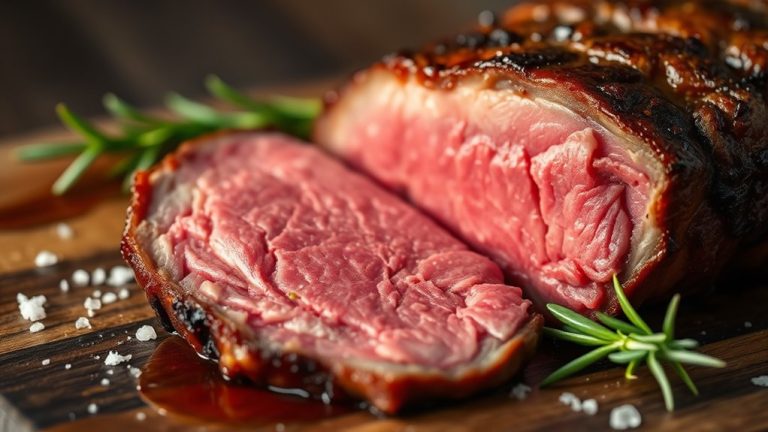
If you’re choosing between beef tenderloin and filet mignon, know that tenderloin is a large, versatile cut from the cow’s loin, while filet mignon is the smaller, most tender part sliced from its front tip.
Both beef tenderloin and filet mignon are prized for their tenderness and mild flavor, making them popular choices for steak lovers.
Filet mignon offers exceptional buttery tenderness and mild flavor, perfect for special occasions, whereas tenderloin is milder and great for various recipes.
Both cuts cook quickly and gently, which helps preserve their delicate texture and flavor.
Your choice depends on portion size, price, and cooking style. Keep going to explore their differences in detail.
What Is Beef Tenderloin And Where Is It From?
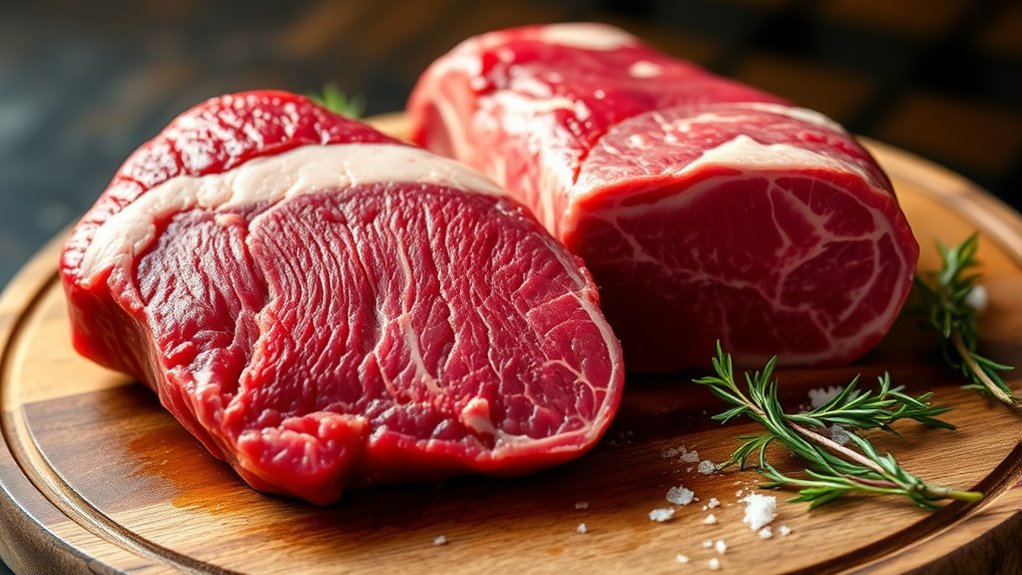
Although you might hear the terms beef tenderloin and filet used interchangeably, beef tenderloin refers to a large, long muscle running along the animal’s spine from the short loin to the sirloin. This primal cut, found in the loin primal section, is prized for its exceptional tenderness due to minimal muscle use.
The tenderloin origin traces back to the psoas major muscle near the pelvis. When you look at a whole beef tenderloin, expect it to measure 12 to 24 inches long and weigh about 4 to 5 pounds.
Sometimes called the fillet or filet, this cut offers a mild flavor and is one of the most sought-after parts of the loin, especially in high-end cuisine.
How Is Filet Mignon Different From Beef Tenderloin?
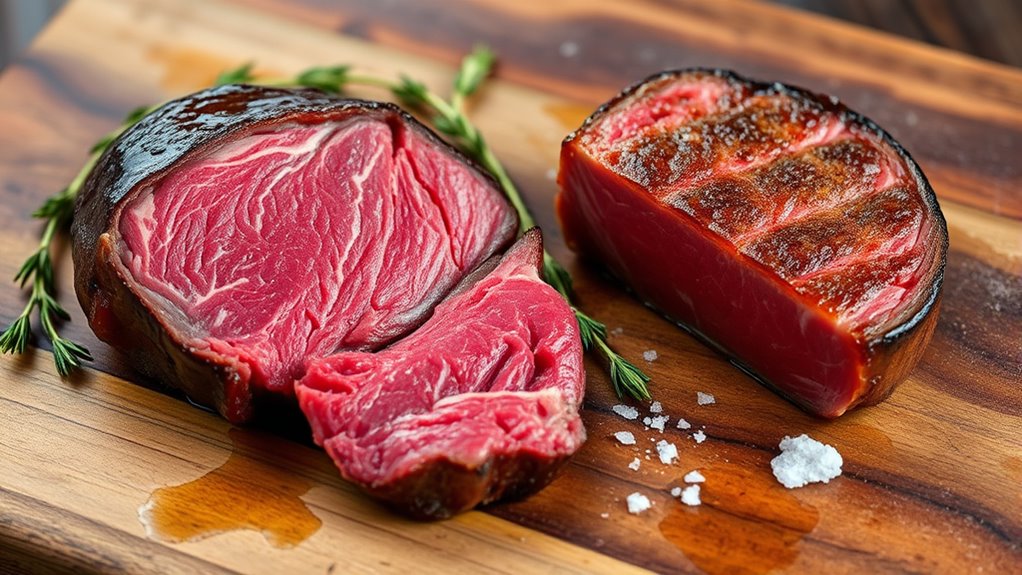
You might wonder how filet mignon stands apart from beef tenderloin beyond just the name. It’s all about where the cut comes from, the size you get, and how you cook or use it.
Let’s break down those key differences so you know exactly what makes each unique.
Cut Location Differences
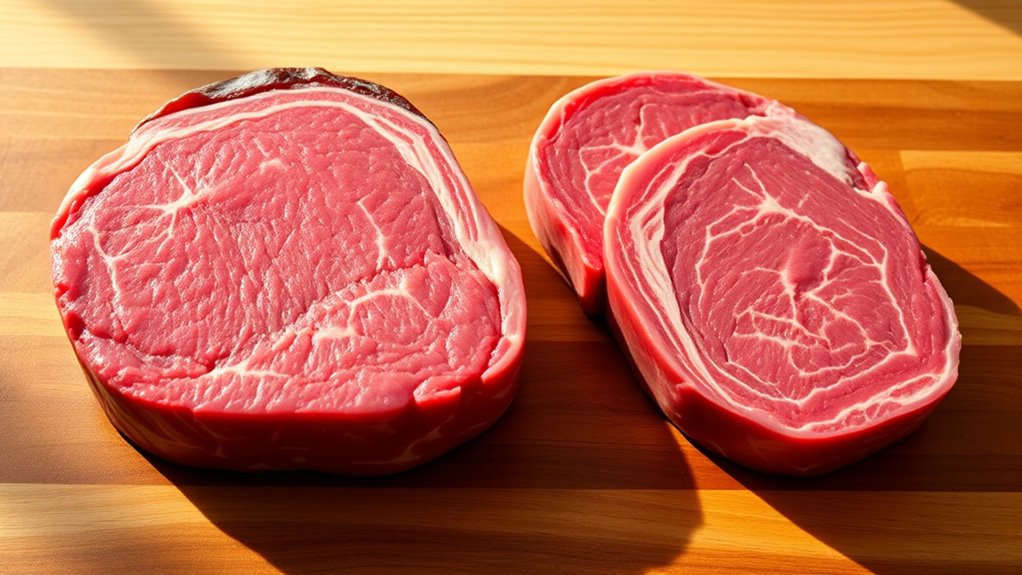
When you look at the beef tenderloin, you’re seeing a long, continuous muscle that runs from the short loin to the sirloin. This primal cut is prized for its tenderness, but it’s important to note where the filet mignon fits in. The filet mignon is cut specifically from the front end—also called the tip—of the tenderloin muscle.
This location makes it the most tender part of the entire muscle extension. While the beef tenderloin includes the whole primal cut, the filet mignon is a small, precise steak sliced from that narrow tip. So, the cut location difference lies in the fact that filet mignon comes only from the tenderloin’s front end, highlighting its unique tenderness compared to the larger, longer tenderloin.
Size And Portioning
Because filet mignon comes from the tapered front end of the beef tenderloin, it’s much smaller and more specific in size. While the entire beef tenderloin weighs 4 to 5 pounds and stretches up to 24 inches, filet mignon steaks are cut from its smaller, tender end. You’ll typically get 12 to 20 filet mignon steak cuts per tenderloin, each weighing between 4 to 8 ounces.
These steak cuts usually measure 1.5 to 2.5 inches thick, making their portion size distinct from the larger, elongated tenderloin roast. When it comes to meat portioning, filet mignon offers a precise cut size ideal for individual servings, whereas the beef tenderloin serves as a primal cut that can be sliced into various portion sizes depending on your needs.
Cooking And Usage
Understanding the size and portioning of filet mignon and beef tenderloin helps clarify their ideal cooking methods and uses. Filet mignon, a small, tender steak cut from the beef tenderloin tip, cooks best with quick, high-heat methods like grilling or pan-searing to preserve its tenderness.
In contrast, the larger beef tenderloin lends itself to versatile preparation, including roasting whole or slicing into various steak cuts.
- Filet mignon suits simple seasoning and fast cooking to highlight its delicate texture.
- Beef tenderloin works well for roasting or cutting into steaks for diverse recipes.
- Grilling enhances filet mignon’s flavor, while roasting suits the whole beef tenderloin.
Tenderness And Flavor Differences Between The Two Cuts
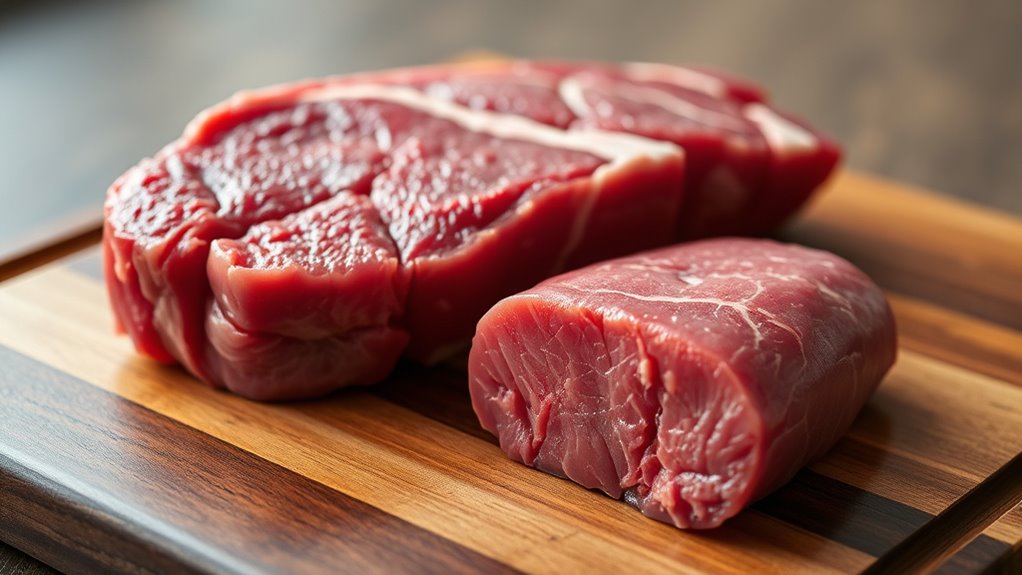
Although both beef tenderloin and filet mignon are prized for their tenderness, you’ll notice distinct differences in texture and flavor between the two cuts. The beef tenderloin is a larger cut known for its exceptional tenderness, but its beef flavor is milder compared to other cuts of meat.
Filet mignon, cut from the tenderloin’s tip, surpasses even the tenderloin in tenderness due to its finer muscle fibers, making it the most delicate steak you can find. When comparing tenderness, filet mignon offers a “fork-tender” experience that feels softer and more refined.
However, both cuts are low in marbling, so their beef flavor is subtle rather than rich, giving you a melt-in-the-mouth texture but less pronounced beefiness than fattier steaks.
How To Choose Between Tenderloin And Filet Mignon
When deciding between tenderloin and filet mignon, consider your budget and how you plan to cook the meat. Tenderloin offers more value if you need larger portions or versatility in recipes, while filet mignon delivers a premium, tender experience for special meals.
Think about whether you want to feed a crowd or serve an elegant, individual steak before making your choice.
Price And Value
Choosing between beef tenderloin and filet mignon comes down to balancing price and value based on your needs. Filet mignon is a premium, luxury cut with a high price per ounce due to its tenderness and scarcity, often costing $20 or more per pound.
If you’re mindful of budget and affordability, whole beef tenderloin offers more meat at a lower cost per pound, especially if you trim and cut it yourself.
Consider these points when deciding:
- Filet mignon suits special occasions where expense is less of a concern.
- Tenderloin provides better value for everyday meals or larger gatherings.
- Your choice depends on whether you prioritize premium tenderness or overall cost-effectiveness.
Weighing these factors helps you select the best option without overspending.
Cooking And Usage
Since beef tenderloin is a large primal cut, you can slice it into multiple steaks, including the prized filet mignon. When deciding between beef tenderloin and filet mignon, think about your cooking methods and meal size.
If you’re preparing a large roast or feeding a crowd, a whole tenderloin works best, offering versatility with various steak cuts. For individual steaks, filet mignon shines with its exceptional tenderness and is perfect for quick, upscale preparations like pan-searing or grilling.
Both cuts respond well to gentle cooking methods, but filet mignon benefits from minimal seasoning to highlight its delicate flavor. If you want value and tenderness, buy a whole tenderloin and cut your own steaks; for a luxurious, single-serving experience, choose pre-cut filet mignon.
Best Cooking Methods For Tenderloin And Filet Mignon
Although both beef tenderloin and filet mignon are prized for their tenderness, they require different cooking techniques to bring out their best qualities. For beef tenderloin, popular cooking methods include high-heat searing followed by oven roasting, grilling, or reverse searing to ensure even cooking and a flavorful crust.
Filet mignon, being smaller and more delicate, benefits from quick pan-searing, grilling, or broiling to preserve its tenderness and avoid overcooking. Using a meat thermometer to hit medium-rare (129°F) or medium (135°F) is key for both cuts. Remember to let your meat rest for 5-10 minutes to keep it juicy.
Filet mignon shines with quick cooking methods and a precise thermometer check to maintain its tender juiciness.
-
- Beef tenderloin suits roasting, grilling, and reverse searing
- Filet mignon excels with pan-searing and quick grilling
- Always use a thermometer and rest your meat after cooking
Tenderloin Vs. Filet Mignon: Price And Buying Tips
Because filet mignon comes from the smaller, more premium end of the beef tenderloin, it tends to cost more per pound than the whole tenderloin. When buying, consider that a whole tenderloin, weighing 4-5 pounds, offers cost savings by yielding multiple steaks. Opting for USDA Prime grade guarantees the highest quality but comes with a higher price tag.
To save even more, buy an untrimmed tenderloin and trim it yourself, reducing costs by about $5 per pound compared to pre-cut filet mignon steaks. Since filet mignon is a limited beef cut—only around 12 steaks per cow—it commands a premium price. Use these buying tips to balance quality and budget while enjoying these tender, flavorful beef cuts.
Frequently Asked Questions
Which Is Better Filet Mignon or Tenderloin?
You’ll find filet mignon better if you want a tender, premium steak for a special meal. Choose tenderloin when you need a larger, versatile cut for roasting or multiple steaks.
It depends on your occasion.
What Is More Expensive, Beef Tenderloin or Filet Mignon?
Filet mignon fetches a fancier fee than beef tenderloin. You’ll find it’s pricier per pound because it’s a smaller, sought-after slice, offering supreme softness and savor, making it worth what you’ll pay.
Why Don’t Chefs Like Filet Mignon?
You won’t like filet mignon if you prefer bold flavors because it’s very lean and mild. Its delicate texture can be tricky to cook perfectly, making it easy to overcook and lose tenderness.
What Cut of Meat Is Comparable to Filet Mignon?
You’ll find Chateaubriand and tenderloin steaks comparable to filet mignon, both offering similar tenderness. Petite tender’s another option, slightly less flavorful but more affordable.
These cuts give you that soft, melt-in-your-mouth experience.
Conclusion
When choosing between beef tenderloin and filet mignon, picture tenderloin as the whole canvas—broad and versatile—while filet mignon is the masterstroke, small but exquisitely tender. Both promise a buttery melt-in-your-mouth experience, but your choice depends on the occasion and appetite.
Whether you crave the grand stage of a full tenderloin or the intimate spotlight of a filet, you’re savoring the art of beef at its finest. Each bite is a delicious brushstroke of luxury.
In conclusion, understanding the difference between beef tenderloin and filet mignon helps you select the perfect cut for your meal. Both cuts offer unparalleled tenderness and flavor, making either choice a prime selection for any beef lover.