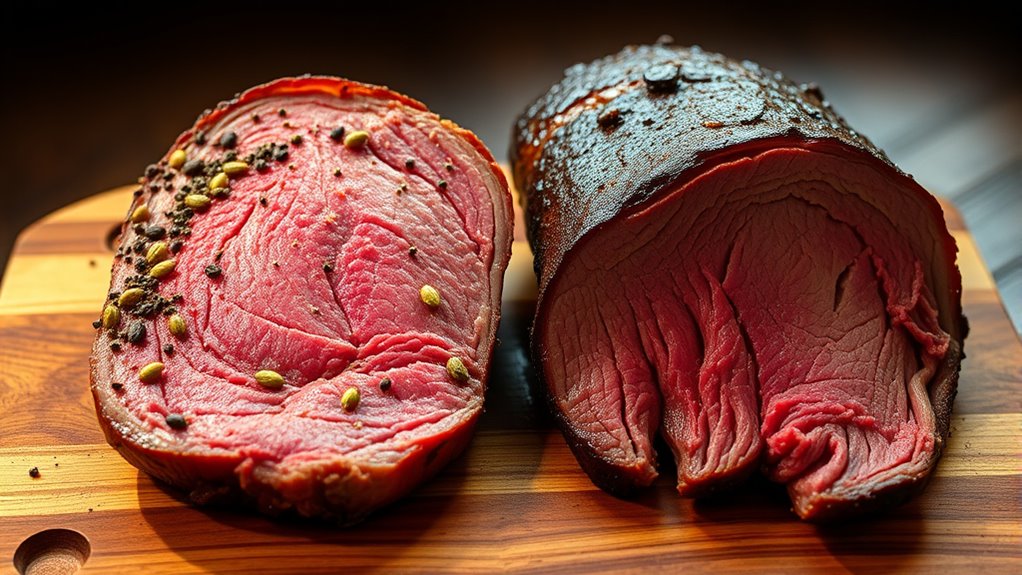
What Is the Difference Between Corned Beef Brisket and Brisket?
You’ll find that corned beef brisket is fresh brisket cured in a salty, spiced brine for several days, making it tender, pink, and flavorful with a distinctive tang. This curing process is what sets corned beef brisket apart from regular brisket, giving it a unique taste and texture.
Regular brisket is just the raw cut, requiring long, slow cooking to become tender with a rich, beefy taste. Unlike corned beef, it is not pre-seasoned or cured, so the flavor depends largely on the cooking method and seasoning used.
Corned beef cooks faster and suits dishes like sandwiches, while brisket shines in barbecue and roasts. There’s plenty more to discover about how these meats differ in flavor, cooking, and history.
What Is Corned Beef Brisket?
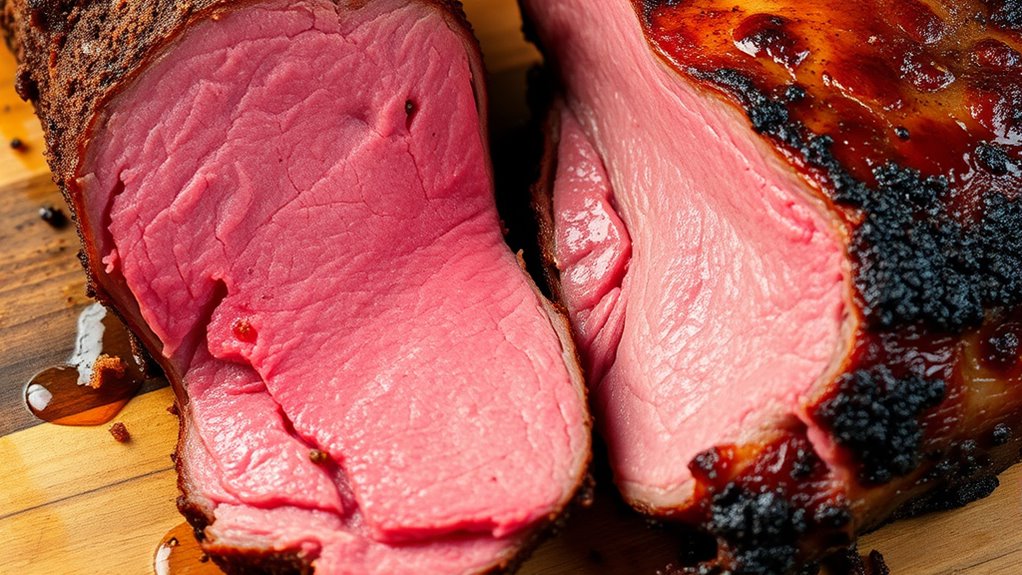
Corned beef brisket is one cut of beef brisket that’s been cured in a saltwater brine infused with spices like coriander, cloves, and mustard seeds. You’ll find the curing process typically takes between five to eight days, during which the meat absorbs the flavors and develops its signature pink color.
Once cured, you’ll need to rinse the corned beef brisket to remove excess salt and spices before cooking. This curing process gives the meat a unique salty and mildly spiced taste you won’t get from fresh brisket.
When you cook corned beef brisket, it’s often boiled, simmered, or braised, making it tender and flavorful. You’ll commonly enjoy it sliced in sandwiches or stews, which showcase its distinctive taste and texture perfectly.
What Is Regular (Fresh) Brisket?
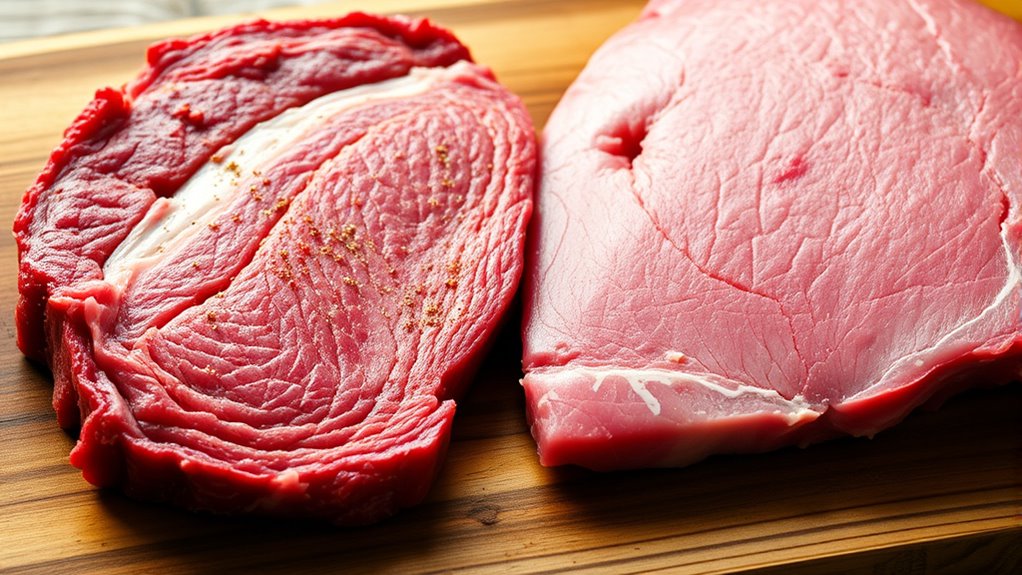
You’re working with a fresh cut of beef from the cow’s lower chest, known as brisket. It has a thick fat layer and needs slow cooking methods like smoking or braising to become tender.
Whether you choose the flat or point cut, you’ll get a rich, natural beef flavor without any curing or seasoning.
Brisket Cut Overview
Although brisket comes from the lower chest of the cow, it’s far from a simple cut. This large beef cut has two main parts: the flat and the point. The flat is leaner, while the point contains more fat, both covered by a thick fat layer.
Brisket’s muscle fibers and collagen make it naturally tough, so you’ll need slow cooking methods to tenderize it and bring out its rich beefy flavor.
| Part | Description |
|---|---|
| Flat | Lean, uniform shape |
| Point | Fattier, more marbled |
| Color | Deep red or purple-gray |
| Texture | Tough, needs slow cooking |
Cooking Techniques
Regular brisket comes fresh from the cow’s chest, offering a raw, unprocessed cut that you can cook whole or divided into flat and point sections. Unlike corned beef, this brisket isn’t cured or pre-seasoned, so you’ll need to trim excess fat and apply your own seasoning or marinade.
Since brisket is a tough muscle, slow cooking techniques like braising, smoking, or roasting work best to break down the connective tissue and tenderize the meat. The fat cap adds rich flavor during cooking, so don’t remove it completely.
How Curing Turns Brisket Into Corned Beef
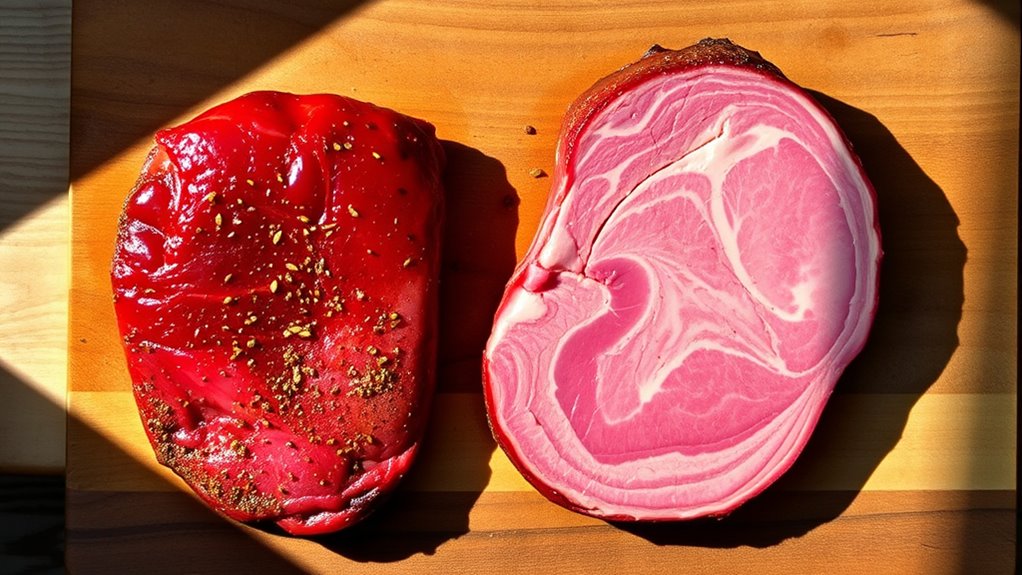
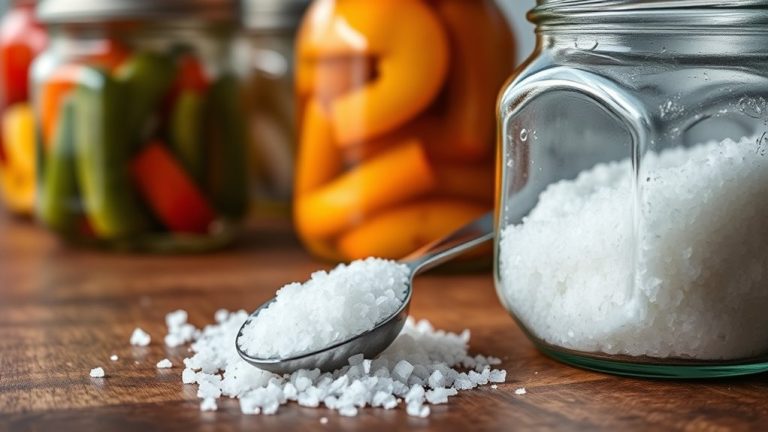
You start by soaking the brisket in a saltwater brine packed with spices like coriander and mustard seeds. The salt works its magic by penetrating the meat, preserving it while boosting flavor.
This careful seasoning transforms fresh brisket into the distinctive corned beef you know.
Brining And Seasoning
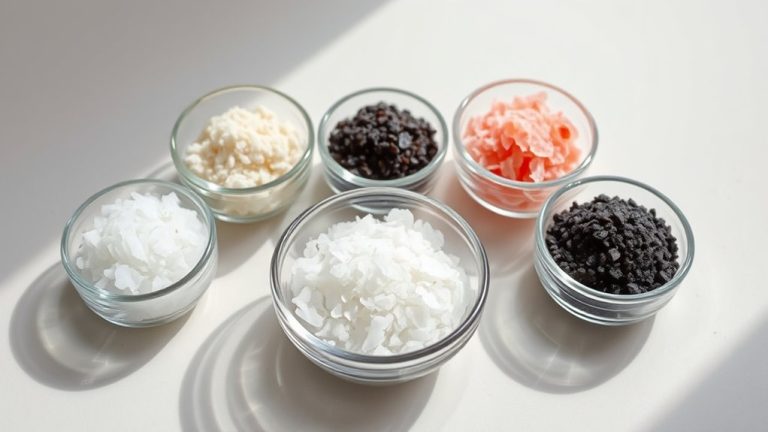
When you cure brisket in a saltwater brine infused with spices like coriander, cloves, and mustard seeds, the meat transforms into corned beef. The brining process, lasting 5 to 8 days, allows the brisket to absorb salt and seasoning, which changes its texture and infuses deep flavors.
You’ll often find curing salts like Prague Powder in the brine, giving corned beef its signature pink hue. To enhance taste, seasoning with aromatics such as garlic, bay leaves, and peppercorns is common practice. After curing, it’s important to rinse the brisket to remove excess salt and spices before cooking.
This careful brining and seasoning process is what sets corned beef apart from regular brisket, delivering its distinctive savory and slightly salty profile.
Salt’s Role In Curing
Although curing might seem like a simple step, salt plays an essential role in transforming brisket into corned beef. When you soak brisket in a salt-based brine, salt triggers a chemical reaction that inhibits bacterial growth, preserving the meat and extending its shelf life.
During brining, sodium chloride draws moisture out of the brisket through osmosis, which helps maintain the meat’s texture and prevents spoilage. This process also infuses the meat with flavor and, combined with nitrates in the brine, gives corned beef its distinctive pink hue and tangy taste.
Without salt’s fundamental role in curing, brisket would remain just fresh meat, lacking the unique flavor, texture, and preserved quality that define corned beef.
Visual and Flavor Differences: Corned Beef Brisket vs. Regular Brisket
Because corned beef brisket undergoes a curing process, it stands out visually and in flavor from regular brisket. Corned beef has a distinctive pink or reddish hue thanks to the curing brine, while regular brisket shows a deep red or purple-gray color. You’ll notice corned beef’s smooth, shiny surface, contrasting with the rougher texture and visible fat layers of regular brisket.
When it comes to flavor, corned beef offers a salty, tangy, and spiced profile from its curing spices. Regular brisket, on the other hand, delivers a richer, beefy taste. Corned beef brisket also tends to be more tender and moist after cooking, while regular brisket requires slow cooking to soften its tougher texture.
These differences make each unique in appearance and flavor.
Cooking Methods: Corned Beef Brisket vs. Regular Brisket
When you cook corned beef brisket, you’ll usually boil it for a few hours after soaking to reduce saltiness. Regular brisket, on the other hand, needs slow cooking methods like smoking or braising that can take most of the day.
Understanding these preparation and timing differences helps you get the best texture and flavor from each cut.
Cooking Time Differences
Since corned beef brisket undergoes a curing process that partially tenderizes the meat, you’ll find it cooks faster—usually about 2 to 3 hours by boiling or simmering—compared to regular brisket, which often needs 3.5 to 4 hours per pound when slow-roasted or braised.
This curing reduces the time you spend waiting for the corned brisket to become tender. For regular brisket, the low and slow cooking method breaks down tough connective tissue, requiring longer cooking times for ideal tenderness.
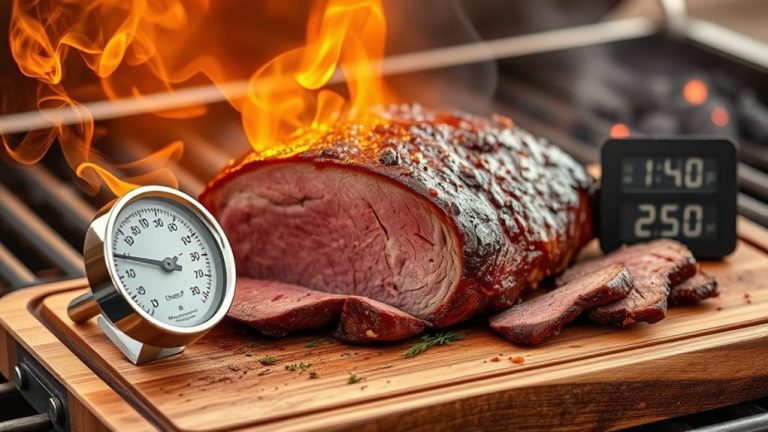
Smoking a whole brisket, whether corned or fresh, takes considerably longer—around 8 to 12 hours at 225°F—to develop that signature smoky flavor and texture.
Preparation Techniques
Although both corned beef brisket and regular brisket come from the same cut of meat, their preparation methods differ markedly. Corned beef undergoes curing, where it’s soaked in a saltwater brine with spices for several days, unlike regular brisket, which you cook fresh. After curing, you often soak corned beef in water to reduce excess salt.
On the other hand, regular brisket skips curing and goes straight to seasoning and cooking.
Here’s how you prepare each:
- Corned beef: curing in brining solution, soaking to remove salt, then boiling or simmering
- Regular brisket: seasoning fresh meat, then slow cooking by smoking, braising, or roasting
- Corned beef’s prep is more involved due to curing, while regular brisket is straightforward
Understanding this helps you choose the right method for your meal.
Texture and Tenderness: Why Corned Beef Cooks Faster
Because the curing process breaks down muscle fibers and weakens connective tissues, corned beef brisket cooks much faster than fresh brisket. The brining process causes osmotic changes, partially tenderizing the meat and reducing cooking time.
Unlike fresh brisket, which can take 8-12 hours, corned beef often requires just 1-2 hours to reach perfect tenderness.
| Factor | Impact on Cooking Time |
|---|---|
| Muscle fiber breakdown | Speeds up cooking |
| Connective tissue weakening | Reduces toughness |
| Pre-denaturation | Cuts down tenderizing time |
| Moisture retention | Keeps meat juicy and tender |
| Brining process | Enhances overall texture |
This means you can enjoy tender, flavorful corned beef brisket much quicker than a fresh brisket.
Popular Culinary Uses for Corned Beef and Brisket
You’ll often find corned beef boiled or simmered, then sliced for sandwiches or traditional Irish dishes, while brisket usually gets smoked, roasted, or slow-cooked for barbecue and pot roasts. When you cook corned beef, it’s great for quick meals thanks to its pre-cured nature.
Brisket, on the other hand, demands longer cooking but delivers rich, smoky flavors. Popular uses include:
- Corned beef in Reuben sandwiches, corned beef and cabbage, or hash.
- Brisket slow-smoked for barbecue sandwiches or served as a tender pot roast.
- Sliced cold corned beef for deli-style sandwiches, versus hot, shredded brisket for comfort dishes.
Whether you prefer corned beef’s salty tang or brisket’s smoky depth, both cuts shine in their signature recipes.
Price and Availability of Corned Beef Brisket vs. Regular Brisket
When choosing between corned beef brisket and regular brisket for your meals, price and availability play a big role. Corned beef brisket usually costs more because of the curing process and added spices. You’ll often find it pricier than fresh brisket, which is more straightforward and widely available year-round.
Corned beef availability tends to peak around holidays like St. Patrick’s Day, making it a bit seasonal in some markets. On the other hand, regular brisket is easier to find anytime at grocery stores or butcher shops without special processing. Prices for corned beef can also vary based on brand, curing method, and whether it’s pre-cooked or raw. If you’re budget-conscious, regular brisket often offers a more affordable option.
Can You Substitute Corned Beef for Brisket in Recipes?
If you decide to substitute corned beef for brisket in a recipe, keep in mind that the curing process gives corned beef a salty, spiced flavor that fresh brisket lacks. This difference can impact the dish’s overall taste and texture. Corned beef is already tender and seasoned, while brisket needs slow cooking to soften.
When swapping corned beef for brisket, consider these tips:
- Adjust seasoning to reduce saltiness since corned beef is cured.
- Modify cooking times, as corned beef requires less cooking than brisket.
- Account for extra moisture and spices in corned beef that can change the recipe’s flavor profile.
Cultural and Historical Background of Corned Beef and Brisket
Although corned beef and brisket both come from the same cut of meat, their cultural and historical backgrounds set them apart considerably. Corned beef has deep roots in Irish history, where it was enjoyed by peasants and royalty alike, cured using large salt grains called “corns.” When Irish immigrants arrived in America during the 19th century, they brought corned beef with them, embedding it in Irish-American cuisine and St. Patrick’s Day traditions.
Meanwhile, Jewish communities in New York embraced corned beef as a deli staple. Brisket, on the other hand, has been a favored cut for barbecue and hearty pot roasts, often associated with different culinary traditions. So, while you might see the same cut, the cultural stories behind corned beef and brisket are uniquely distinct.
Frequently Asked Questions
Is Corned Beef Brisket the Same as Regular Brisket?
No, corned beef brisket isn’t the same as regular brisket. You’ll find corned beef cured and seasoned, giving it a salty flavor, while regular brisket is fresh and needs slow cooking to bring out its rich, meaty taste.
Which Cut of Brisket Is Better?
You’ll find the flat cut better for lean, uniform slices, ideal for sandwiches.
If you want rich flavor and tenderness, choose the point cut, especially for slow-cooking or shredding.
It depends on your recipe.
What Is Poor Man’s Brisket?
Poor man’s brisket’s basically brisket’s scrappy cousin—you get tougher, cheaper cuts that you’ve gotta love with slow cooking.
You’ll swear it’s fancy once it’s tender and flavorful, but your wallet will thank you more.
Does Corned Beef Taste Like Brisket?
No, corned beef doesn’t taste like brisket. You’ll notice it’s saltier and tangier because of the curing process, while brisket has a richer, more natural beef flavor that depends on how you season and smoke it.
Conclusion
So, whether you’re reaching for corned beef brisket or plain brisket, you’re in for a tasty experience—just dressed a little differently. Corned beef’s salty, cured charm contrasts with the fresh, straightforward appeal of regular brisket.
Each brings its own special flair to your plate and cooking style. So go ahead, pick your favorite, or invite both to the table—you really can’t go wrong with either one in your culinary adventures.
When deciding between corned beef brisket and brisket, consider the flavor profile and preparation method you prefer. Both options offer delicious, hearty meals that can elevate your cooking repertoire.