What Part of the Cow Is the Beef Shank From?
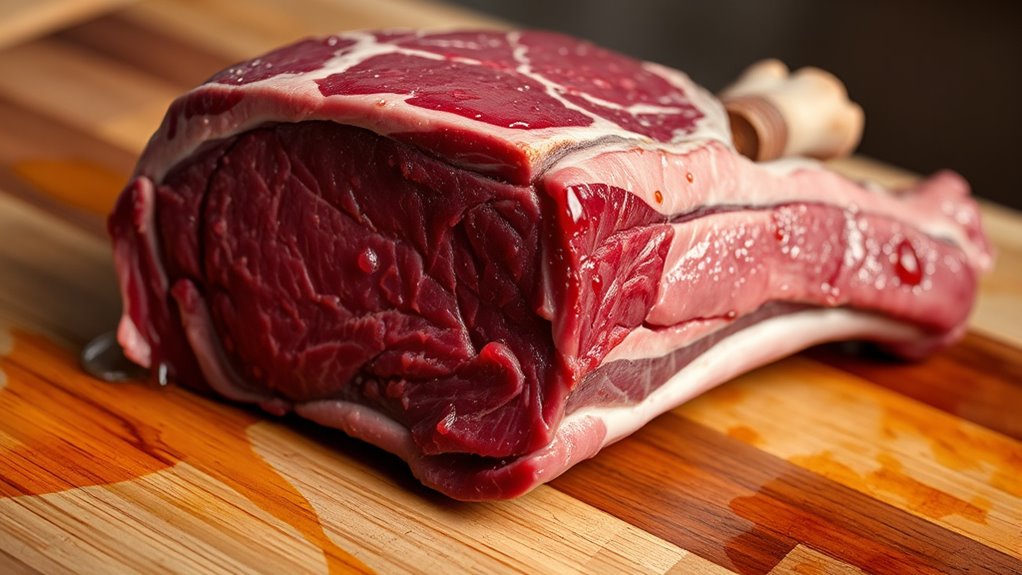
You get beef shank from the cow’s leg, just above the knee or hock, including both front (fore shank) and rear (hind shank) legs. This cut is known for being tough and full of connective tissue because these muscles work hard.
Beef shank often includes a bone packed with rich marrow that adds deep flavor when slow-cooked. If you want to know how this affects texture and cooking, there’s plenty more detail coming up.
What Part of the Cow Does the Beef Shank Come From?
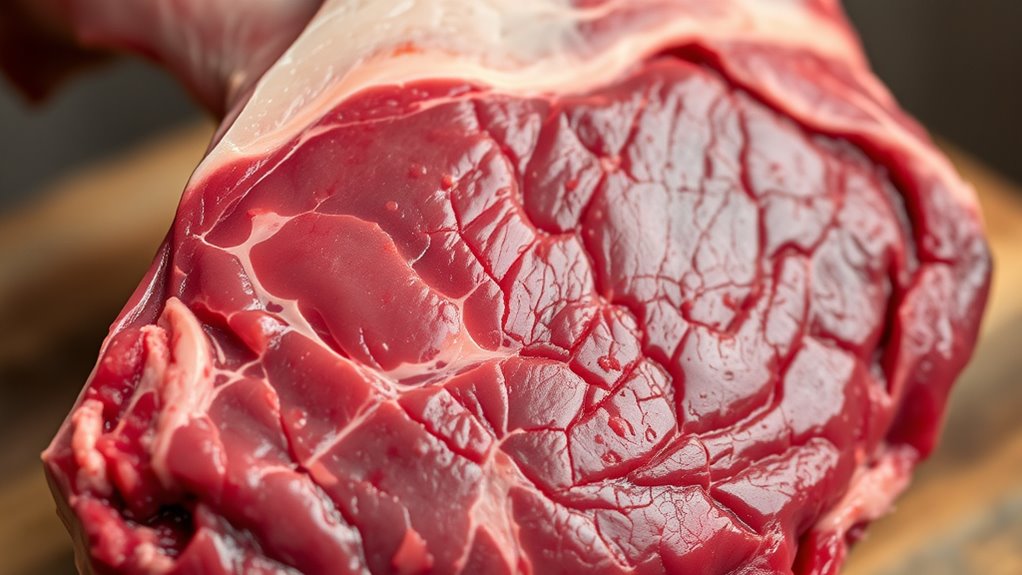
Where exactly does the beef shank come from? You’ll find the beef shank on the leg of the cow, just above the knee or hock. This particular cut includes both the front (fore shank) and rear (hind shank) legs, although the hind shank is more commonly used.
Since this area gets a lot of exercise, the beef shank is a tough, muscular cut filled with sinew and connective tissue. Because of its toughness, it’s perfect for slow cooking methods like braising, which break down the muscle fibers and make the meat tender and flavorful.
The cylindrical shape of the shank surrounds the leg bone, often including bone marrow, which adds richness to your dish. So, when you’re cooking with beef shank, slow cooking is key to releasing its best qualities.
How Beef Shank Leg Muscles Shape Its Texture and Shape
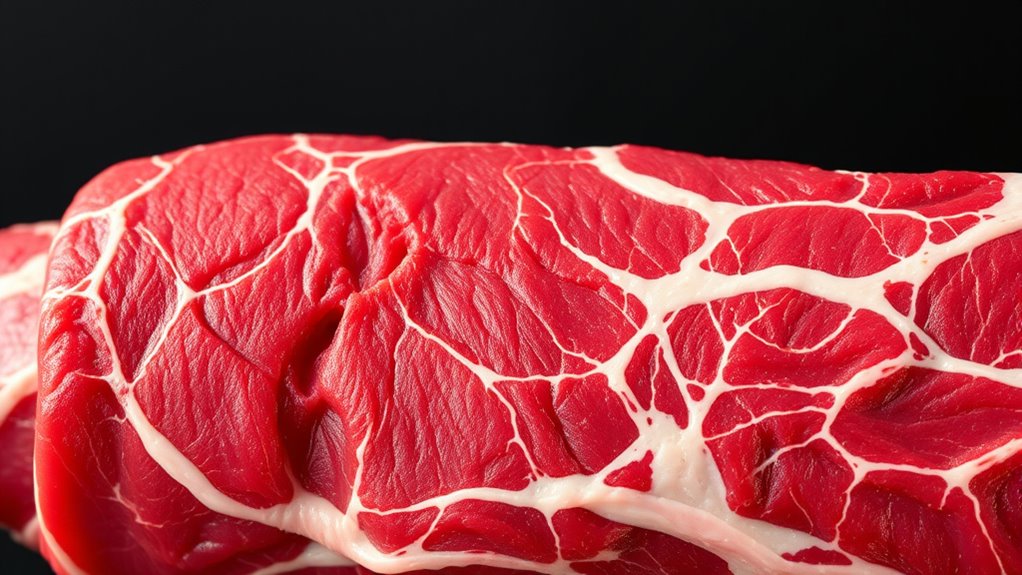
The leg muscles of the beef shank play a major role in defining its texture and shape. Since these muscles are used constantly for movement, they become dense and fibrous, which makes the raw meat tough. You’ll notice the primary leg muscles—extensor, flexor, and gastrocnemius—contain a lot of connective tissue and collagen.
This dense network requires slow, moist cooking methods to break down properly, transforming the beef shank into tender, flavorful meat. Because these leg muscles work so hard, they develop a rich taste and firm structure that’s unique to this cut.
When you cook it right, the collagen melts and the connective tissue softens, revealing the beef shank’s full potential in both texture and shape.
Fore Shank vs. Hind Shank: Key Beef Shank Differences
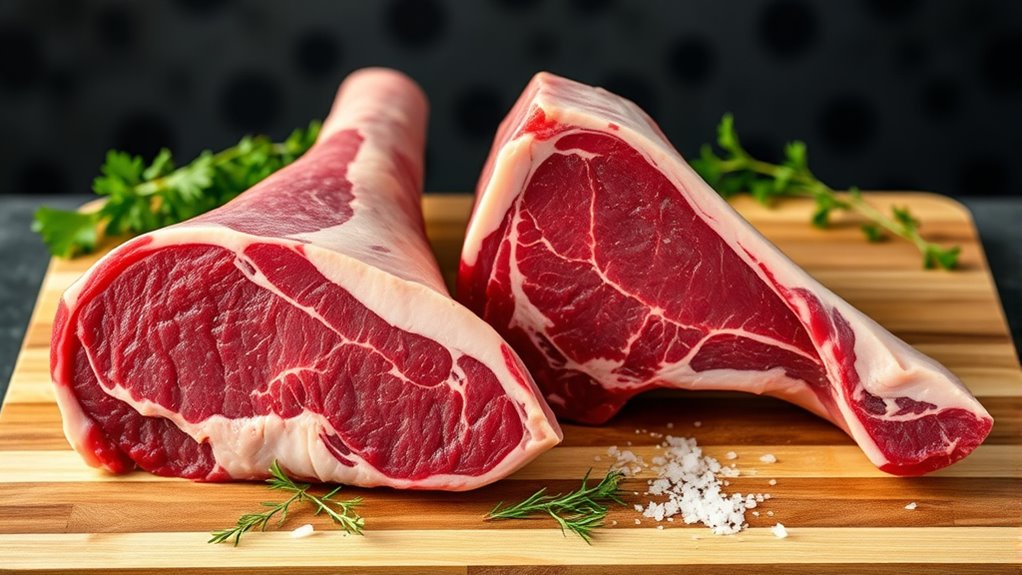
Although both come from a cow’s legs, the fore shank and hind shank have distinct characteristics that affect how you cook and enjoy them. The fore shank comes from the front legs and tends to be more sinewy and tougher due to its muscle usage.
In contrast, the hind shank comes from the back legs, boasting greater muscle mass and a larger size. This makes the hind shank a favorite for dishes like osso buco, thanks to its marrow-filled bones.
Both cuts require slow cooking to break down the tough fibers and develop rich flavors. Understanding these key differences helps you choose the right shank cut and cooking method to maximize tenderness and taste in your meals.
Why Beef Shank Is Naturally Tough and How to Cook It
Both fore and hind shanks come from heavily used leg muscles, which is why beef shank is naturally tough. The constant movement develops dense muscle fibers packed with collagen, making the meat resistant to quick cooking methods.
To get the tenderness you want, you need to break down this collagen through slow cooking.
Here’s what you should focus on:
- Use low temperatures and moist heat, like braising or slow cooking.
- Cook the beef shank long enough for collagen to convert into gelatin.
- Avoid high heat or overcooking, which can dry out the meat and make it stringy.
Why the Beef Shank Bone Makes a Big Difference in Flavor
You include the beef shank bone in your cooking, you unseal rich, fatty flavors from the marrow that deeply enhance stews and braises. As the marrow melts during slow cooking, it infuses your dish with a velvety texture and profound flavor. The surrounding connective tissue and cartilage break down over time, releasing gelatin and umami that enrich the broth’s body and mouthfeel.
This slow transformation adds depth you won’t get from meat alone. Plus, minerals and nutrients from the marrow seep into the meat and liquid, boosting both taste and nutritional value. The beef shank bone’s large surface area maximizes marrow extraction, making a noticeable difference in flavor.
Where to Buy Beef Shank
Finding quality beef shank often means visiting specialty butchers, farm markets, or upscale grocery stores rather than your typical supermarket. Since this cut of meat is less common, you might need to ask your local butcher directly or even pre-order it.
Here’s where to focus your search:
- Specialty butchers and local butcher shops usually carry beef shank or can order it for you.
- Farm markets often offer fresh cuts of meat, including beef shank, sourced directly from farms.
- Online meat suppliers specializing in whole cuts provide options for bone-in or boneless beef shank, often with delivery.
Tips for Buying Beef Shank From Your Butcher
When you visit your butcher, ask specifically for beef shank cuts from the fore or hind leg, and whether you want bone-in or boneless. Look for pieces with plenty of connective tissue and marrow-filled bones to guarantee flavor and tenderness. Don’t hesitate to request custom portions or trimming to fit your recipe perfectly.
Identifying Quality Cuts
Although beef shank might not be as popular as other cuts, selecting a high-quality piece makes all the difference in your dish. When choosing beef shank, focus on these key factors to guarantee the best results:
- Look for bright red, firm, and moist meat with minimal discoloration to guarantee freshness.
- Opt for cuts with visible bone marrow; this adds rich flavor, especially in bone-in shanks.
- Choose shanks containing connective tissue and sinews, as these break down during slow cook methods, making the meat tender.
Asking for Custom Portions
Since beef shank varies by cut and preparation, you’ll want to be specific when ordering from your butcher. First, decide if you want the fore shank (front) or hind shank (rear) cut, as each offers different textures. Specify whether you want bone-in for richer flavor or boneless for easier cooking.
Request a custom portion size, typically 1 to 1.5 pounds per person, to match your recipe’s needs. If you need a larger cut, ask if the butcher can provide a whole shank or multiple cross-cut slices. For dishes like osso bucco, clarify if you want the shank tied or trussed to ensure even cooking and a neat presentation.
Clear communication helps you get the perfect beef shank portion every time.
How Beef Shank’s Anatomy Determines Its Best Cooking Methods
Because the beef shank comes from the cow’s leg—a muscle that supports weight and sees constant movement—you’ll find it packed with dense muscle fibers and connective tissue. These features make the shank tough, so slow cooking is key to tenderizing it. The high collagen content in the connective tissue breaks down during prolonged heat, turning into gelatin that enriches flavor and texture.
To get the best results, focus on these cooking methods:
- Braising: Cook low and slow in liquid to soften muscle fibers and connective tissue.
- Slow roasting: Use gentle heat over time to tenderize without drying out.
- Stewing: Simmer in liquid for hours, allowing collagen to melt and flavors to meld.
Understanding the shank’s anatomy helps you choose the right technique for tender, flavorful meat.
Frequently Asked Questions
What Is Beef Shank Called in the Store?
You’ll find beef shank labeled as “soup bones,” “ostrich bones,” or “shank cross-cuts.” Sometimes, it’s called “hind shank,” “fore shank,” or “osso buco,” especially when bone-in or prepared for specific recipes.
What Part of the Cow Is a Beef Shank From?
You get the beef shank from the cow’s lower leg, either front or rear. It’s a tough, muscular cut with a central bone, perfect for slow-cooking methods like braising and stews to tenderize it.
Is Beef Shank a Cheap Cut?
Yes, beef shank is a cheap cut. You’ll find it tough but flavorful, perfect for slow cooking.
Its low price makes it great for hearty stews and broths without breaking your budget.
What Is the Most Expensive Part of a Cow?
The most expensive part of a cow is the tenderloin, or filet mignon, because it’s incredibly tender and scarce.
You’ll also find ribeye and premium sirloin cuts pricey due to their marbling and flavor.
Conclusion
You might see beef shank as a tough, sinewy cut that demands patience, but that’s exactly what makes it so rewarding. While its leg muscles seem unyielding, slow cooking transforms them into tender, flavorful bites that melt in your mouth.
So, don’t shy away from this humble cut—embrace the challenge, and you’ll discover a rich, hearty taste that’s anything but ordinary. Your patience turns toughness into pure deliciousness. In the end, understanding what part of the cow the beef shank comes from helps you appreciate why it needs slow cooking to become so tender and flavorful.