5 Best Salts for Melting Ice Quickly
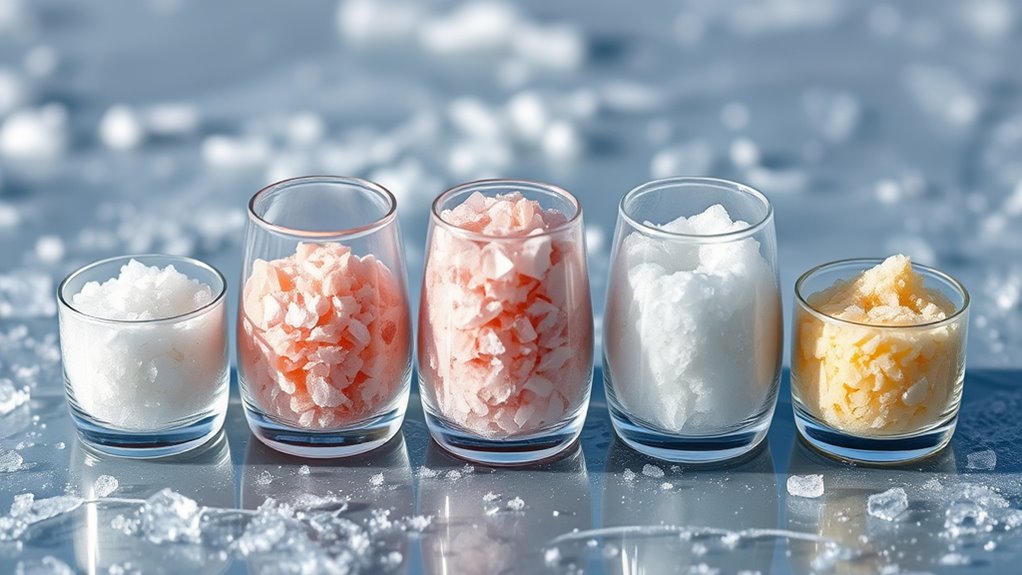
If you want to melt ice quickly, choosing the right ice melt salt is crucial. Calcium chloride is your best bet—it works fast even in extreme cold. Magnesium chloride protects delicate surfaces while melting effectively.
Rock salt is a budget-friendly option for everyday use, though it may harm plants over time. For pet-friendly, eco-conscious melting, urea-based salts are gentle and safe. Blended formulas mix the benefits of several salts, balancing power and safety.
Keep exploring to find the perfect ice melt for your needs.
| Product | Name | Rating | Check Price |
|---|---|---|---|
 |
Trade Grade Pet-Friendly Ice Melt | ⭐⭐⭐⭐⭐ | Check on Amazon |
 |
Maple99 Ice Melt Safer for Concrete | ⭐⭐⭐⭐☆ | Check on Amazon |
 |
Safe Paw Pet-Safe Ice Melt | ⭐⭐⭐⭐☆ | Check on Amazon |
| Image | Name | Editor's Rating | Price |
|---|---|---|---|

|
|
||

|
|
||

|
|
How Calcium Chloride Melts Ice Fastest in Extreme Cold
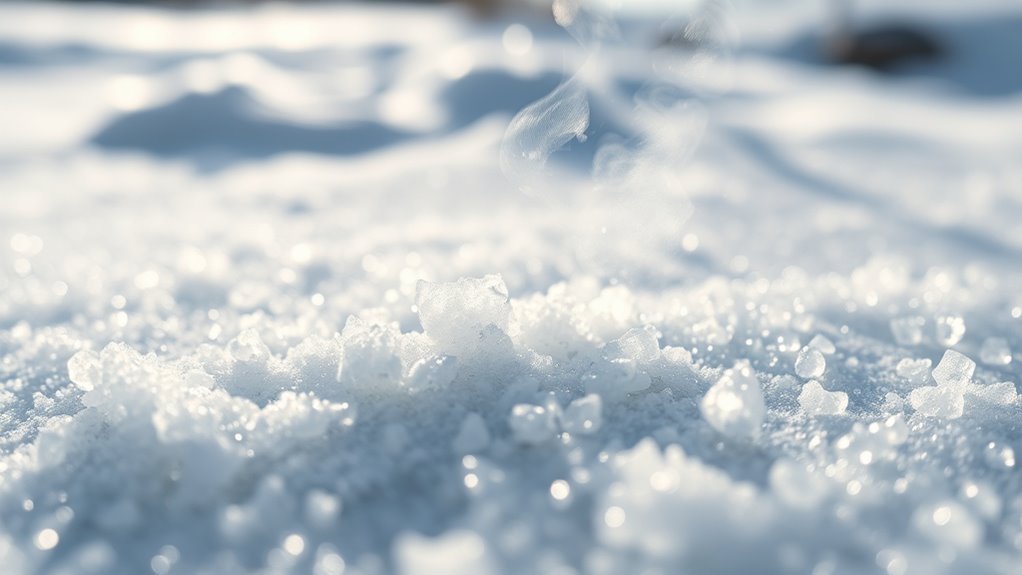
When temperatures plunge below -15°F (-26°C), calcium chloride is your best bet for melting ice quickly. This salt excels in extreme cold thanks to its ability to create a brine solution that penetrates ice bonds effectively.
Upon contact with moisture, calcium chloride triggers an exothermic reaction, releasing heat that speeds up melting ice even at low temperatures.
Its rapid dissolution means it works 2-5 times faster than other salts, making de-icing efficient and reliable in severe winter weather. You’ll notice fast melting as the brine solution breaks down ice swiftly, preventing hazardous buildup.
If you need a powerful agent for ice removal in freezing conditions, calcium chloride’s performance in extreme cold is unmatched.
Why Magnesium Chloride Is Best for Sensitive Surfaces

Although magnesium chloride doesn’t work as quickly as calcium chloride in extreme cold, it offers significant benefits for sensitive surfaces.
Magnesium chloride gently melts ice while protecting sensitive surfaces better than calcium chloride in extreme cold.
When you’re dealing with delicate materials like natural stone or concrete, magnesium chloride provides effective ice melting without causing corrosion or concrete damage. It’s a gentle de-icing solution that prioritizes surface protection during harsh winter weather.
Plus, it’s an eco-friendly de-icer, releasing about 40% less chloride into the environment, making it an environmentally friendly choice.
- Protects your sensitive surfaces from harsh chemical damage
- Minimizes corrosion on metals and concrete
- Safe for pets and plants around your property
- Reduces ecological impact with lower chloride release
Choosing magnesium chloride means you get efficient ice melting while caring for your surfaces and the environment.
Rock Salt: An Affordable Way to Melt Ice

Since you’re looking for an affordable and widely available solution to melt ice, rock salt is a practical choice. As a common de-icing salt, rock salt lowers the freezing point of water, creating a brine that breaks the bond between ice and surfaces for effective melting ice down to about -10°C (14°F).
Its chloride content rivals calcium chloride in ice melting power but comes at a lower price, making it ideal for snow removal on driveways and sidewalks.
However, rock salt’s natural impurities can cause long-term concrete damage and harm vegetation if overused.
While it’s a popular ice melt product due to its availability and cost, you should use it carefully to minimize environmental impact and protect your property from corrosion and wear.
Urea-Based Ice Melts: Safe for Pets and Plants
If you’re concerned about the safety of your pets and plants, urea-based ice melts offer a gentler alternative to harsher chemicals. These pet-safe de-icers work effectively in mild winter de-icing conditions, typically down to about 20º F.
As an environmentally friendly salt, urea-based ice melts reduce the risk of damage to vegetation and concrete while providing reliable ice melt safety. However, be mindful of overuse, as excessive application can increase water pollution and negatively affect water runoff impact.
Using urea-based ice melts means you can enjoy:
- Protecting your pets’ paws and your garden
- Minimizing harm to local vegetation
- Choosing an eco-friendly de-icing option
- Reducing your environmental footprint with plant-safe ice melt
This balance makes urea-based ice melts a smart, responsible choice.
Blended Salt Formulas: Balancing Performance and Safety
How do blended salt formulas manage to deliver both strong ice-melting power and surface safety? These blends combine de-icing agents like calcium chloride, magnesium chloride, and rock salt to boost melting efficiency across varying effective temperatures.
By balancing calcium chloride’s rapid action with gentler agents, they guarantee reliable ice control without harming surfaces. Blended salt formulas also include anti-caking inhibitors for easy application and corrosion inhibitors to protect infrastructure and maintain surface protection.
The specific ratio of components tailors performance to temperature extremes, maximizing safety and minimizing environmental impact. When you choose a well-formulated blend, you get powerful ice melting that’s easier on your driveway, sidewalk, and the planet—making it a smart, balanced choice for winter maintenance.
Frequently Asked Questions
What Salt Melts Ice the Fastest?
Calcium chloride melts ice the fastest because it releases heat during the reaction. You’ll see it working quickly even in extreme cold, down to -25°F.
For rapid results, choose pelleted calcium chloride.
What Dissolves Ice Quickly?
You’ll find calcium chloride dissolves ice quickly because it generates heat as it works. Magnesium chloride also acts fast and’s gentler on the environment.
Using pellets or flakes helps speed up melting even more.
What Kind of Salt Gets Rid of Ice?
You’ll want to use calcium chloride salt to get rid of ice fast since it works well even in extreme cold. Magnesium chloride and sodium chloride also help, but calcium chloride melts ice quickest and most effectively.
Does Epsom Salt Melt Ice?
Don’t expect Epsom salt to dissolve ice like a warm sunbeam on a frosty morning.
It won’t generate enough heat or lower freezing points considerably, so it won’t effectively melt ice for you.
Conclusion
When choosing the best salt to melt ice quickly, you might think the strongest chemical always wins. But the truth is, what works best depends on your needs—whether it’s extreme cold, protecting surfaces, or keeping pets safe. By understanding each salt’s strengths and limits, you can make smarter choices that balance speed, safety, and cost.
So, don’t just grab the strongest salt—pick the one that fits your situation perfectly. Considering factors like melting speed, environmental impact, and surface protection will help you select the best salt for melting ice quickly. This way, you ensure effective ice removal while maintaining safety and preserving your surroundings.
Similar Posts
Best 24-Hour Plumbers in Salt Lake City
On-call 24-hour plumbers in Salt Lake City offer fast, reliable emergency repairs with upfront pricing—discover how to protect your home from unexpected plumbing issues.
Are Ox Bile and Bile Salts the Same? Key Differences Explained
Knowing the difference between ox bile and bile salts could change how you approach digestion support—discover why these two aren’t identical.
How You Can Safely Feed Raw Ground Beef to Your Dog
Never risk your dog’s health by feeding raw ground beef without knowing these essential safety tips that every pet owner must follow.
How You Can Put Epsom Salt in Your Baby Bath Safely
Just learn the gentle way to add Epsom salt to your baby’s bath for soothing relief—discover the safe steps you must follow.
How Much Do Eggs Cost Weekly at Kwik Trip?
Just how much do eggs at Kwik Trip fluctuate weekly in price? Discover surprising factors influencing costs and ways to save on your next dozen.
7 Key Differences Between Sea Salt and Epsom Salt
Unlock the surprising uses and benefits that set sea salt and Epsom salt apart—understanding these differences could transform your routine. Discover how.