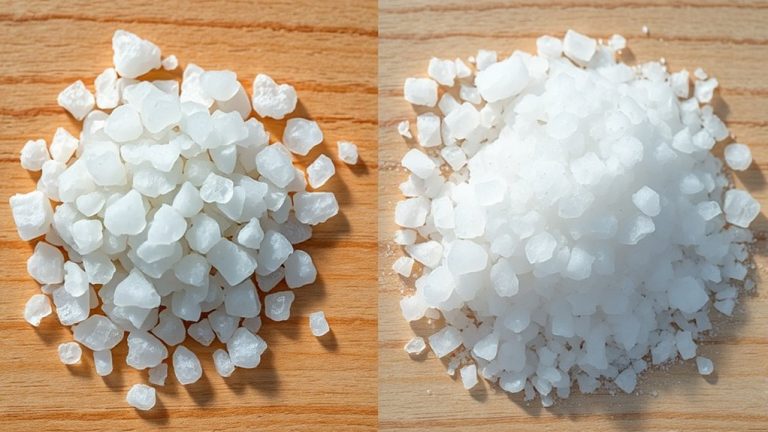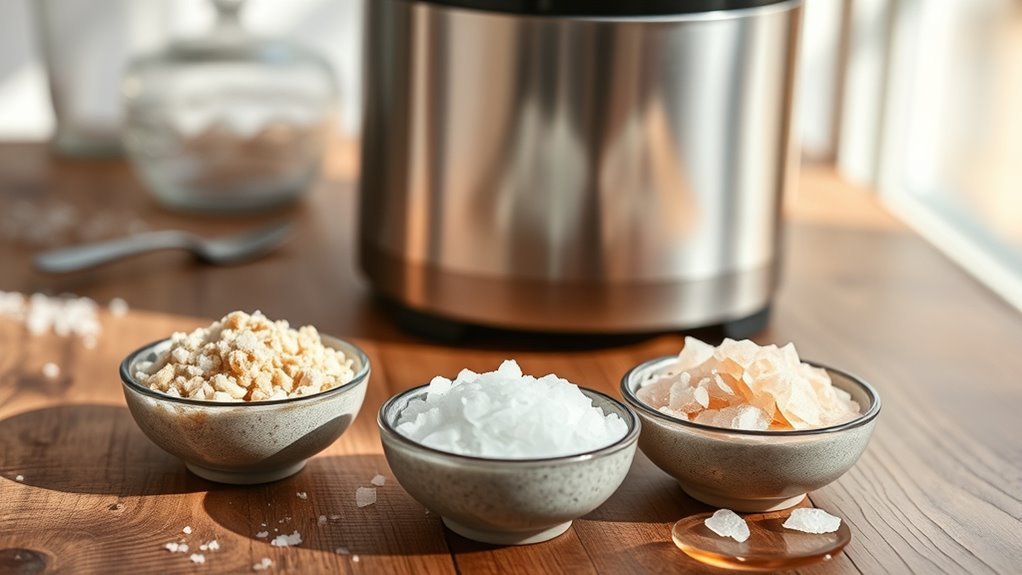
What Type of Salt Should You Use in an Ice Cream Maker?
You should use coarse, natural rock salt in your ice cream maker because it effectively lowers the freezing point. This creates a colder environment that freezes your ice cream faster and smoother.
Using the right type of salt is key to getting that perfect creamy texture.
Avoid fine or iodized salts since they can cause clumping or uneven freezing. Rock salt is also affordable, making it perfect for frequent homemade batches.
If you want to get the best creamy texture and understand how to apply the salt correctly, there’s more helpful info ahead.
Key Takeaways
- Use natural, food-grade rock salt or coarse sea salt for effective freezing and safety. These types work best because they help lower the freezing point of ice.
- Avoid fine salts like table salt since they can cause clumping and uneven freezing. Also, stay away from iodized salt because it doesn’t distribute evenly and can mess with the texture.
- Rock salt is great because it lowers the ice’s freezing point, which means your ice cream freezes faster and smoother.
- When adding salt, use about 1/4 to 1/2 cup of coarse salt per ice layer around your ice cream maker. This amount helps everything chill just right.
Why Rock Salt Makes Creamy, Affordable Ice Cream
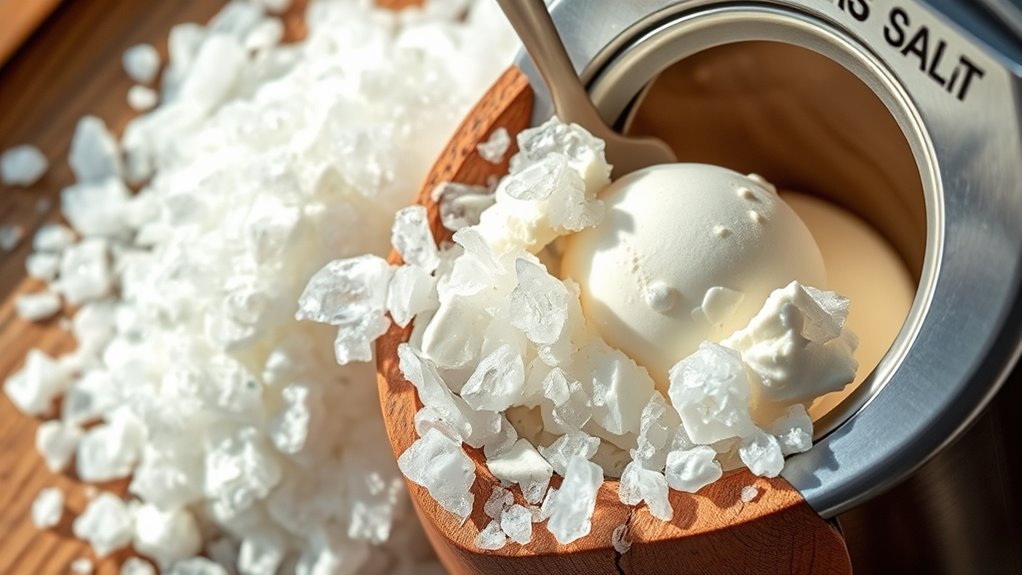
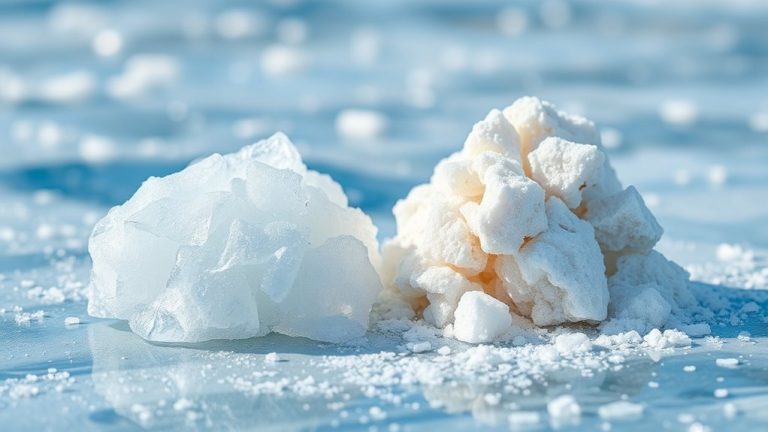
Although there are specialized ice cream salts available, rock salt remains the go-to choice for many because it effectively lowers the freezing point of ice, helping your mixture freeze smoothly and evenly. When you make homemade ice cream, using rock salt ensures a colder environment that speeds up the freezing process, resulting in a creamier texture.
Rock salt effectively lowers ice’s freezing point, speeding up freezing for smoother, creamier homemade ice cream.
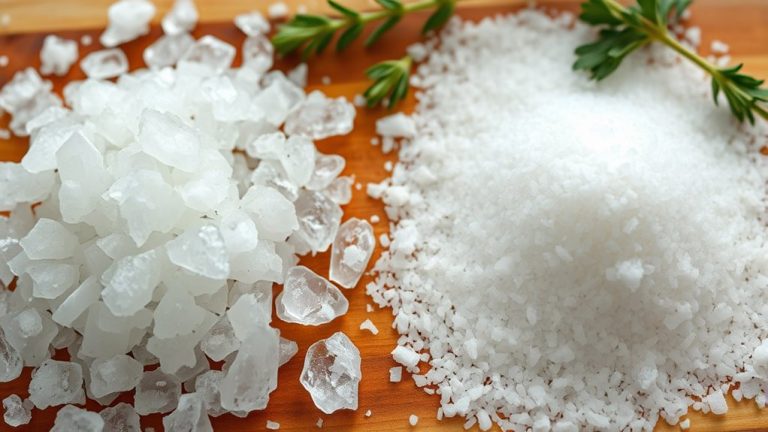
Its coarse texture plays a vital role by creating better contact with the ice, which maintains consistent temperatures throughout. Plus, rock salt is naturally pure sodium chloride without additives, so you’re using a safe and natural product.
One of the biggest advantages is affordability. Compared to specialized ice cream salts, rock salt costs much less, making it ideal if you frequently enjoy making homemade ice cream.
This combination of performance and low cost makes rock salt the practical choice for achieving delicious, creamy ice cream right in your own kitchen.
How to Use Ice Cream Salt for Perfect Homemade Ice Cream
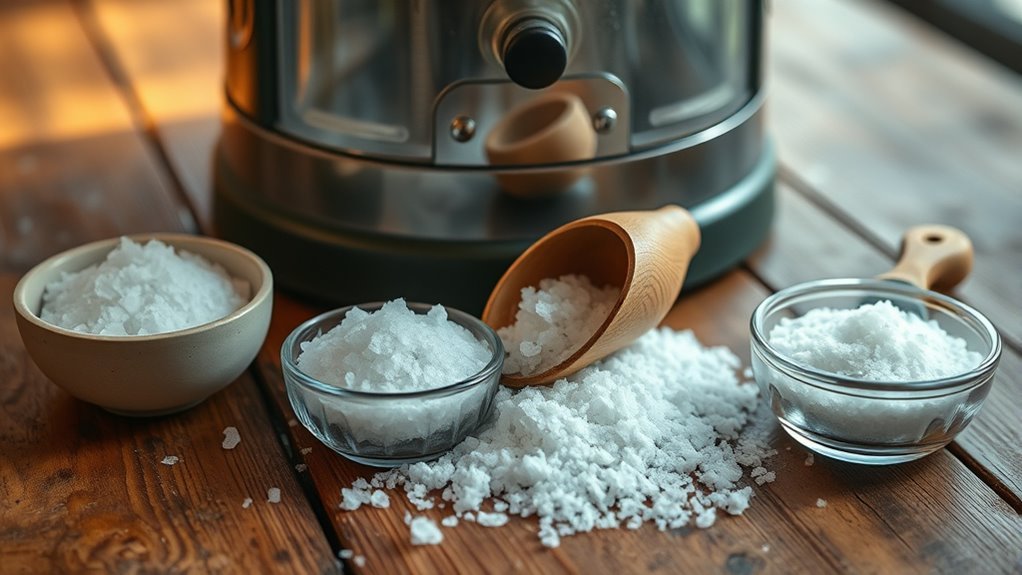
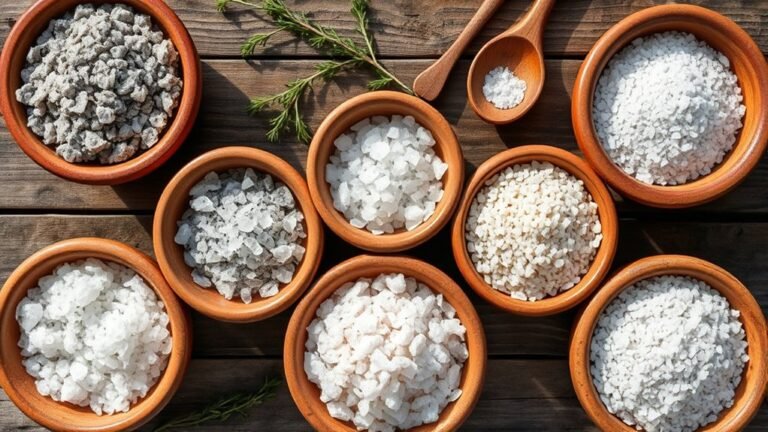
When you’re ready to make homemade ice cream, using the right type and amount of salt is key to getting that perfect creamy texture. Start with natural, food-grade rock salt, like coarse sea salt or specialized ice cream salt. This ensures safety and helps the freezing process work effectively.
Add the salt directly to the ice surrounding your ice cream maker. Usually, you’ll want about 1/4 to 1/2 cup per ice layer. This salt lowers the freezing point of the ice, creating a colder environment. That way, your ice cream churns smoothly and develops its creamy consistency.
Avoid using table salt or iodized salt. Their finer grains can clump up and cause uneven salt distribution, which messes with the freezing. By using rock salt or sea salt correctly, you’ll optimize the freezing point reduction. This means your ice cream maker works efficiently, and your homemade ice cream turns out perfect every time.
Frequently Asked Questions
What Are Common Mistakes When Making Homemade Ice Cream?
You often overfill the machine, use the wrong salt, or don’t mix salt and ice properly. These mistakes cause uneven freezing, poor texture, and overflow.
Avoid iodized salt to keep flavors pure and freezing effective. It really makes a difference in how your ice cream turns out!
Which Salt Is Used in Ice Cream Making?
You might think any salt works, but you should use coarse, non-iodized rock salt in ice cream making.
It cools the mixture efficiently without altering flavor, giving you smooth, creamy results every time. Easy, right? Just the right salt makes all the difference!
Why Put Salt on Ice in an Ice Cream Maker?
You put salt on ice in an ice cream maker because it lowers the ice’s freezing point, making the mixture colder faster.
This helps your ice cream freeze smoothly and prevents large ice crystals from forming.
It’s like giving your ice a little boost to get really cold, really quick. That way, your ice cream turns out creamy and delicious every time.
Can I Use Regular Salt for Homemade Ice Cream?
Think of salt as the cue to open creamy magic. You can use regular salt for homemade ice cream.
But choosing pure, coarse salt without additives guarantees smoother texture and better flavor. It makes your treat truly delightful.
Conclusion
As you sprinkle coarse rock salt over the ice, imagine the chilly crystals working their magic, pulling the cold deeper into your ice cream maker. This simple step transforms your creamy mixture into a velvety delight, all without breaking the bank.
So next time you’re ready to whip up homemade ice cream, reach for that trusty rock salt—watch it melt into the ice, and feel the excitement as your perfect, dreamy dessert comes to life before your eyes. Using the right type of salt, like coarse rock salt, is key to making your ice cream maker work efficiently. It lowers the freezing point of the ice, helping your ice cream freeze faster and smoother.
Trust me, choosing the proper salt isn’t just a small detail—it’s what turns your homemade ice cream into a creamy, dreamy treat every single time!