5 Best Camera Settings for Real Life Photography in 2027
To capture stunning real-life photography in 2027, it’s essential to master your camera settings. Using a fast shutter speed, like 1/500s or faster, will help you freeze action shots perfectly.
Adjust your aperture depending on the scene—try f/2.8 for beautiful portraits or f/11 when shooting landscapes.
Keep your ISO low, between 100 and 400, especially in bright conditions to minimize noise.
Don’t forget about composition! Applying the rule of thirds can really make your photos stand out.
Also, play around with natural light—it’s one of the best ways to enhance your images without extra gear.
Stick around to explore more tips on optimizing your camera settings for every situation. You’ll be amazed at how small tweaks can make a big difference in your photography!
| Image | Name | Editor's Rating | Price |
|---|---|---|---|

|
|
||
|
|
||

|
|
||
|
|
||

|
|
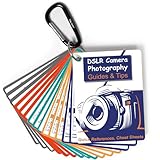
Photography Cheat Sheet for DSLR Camera Accessories
- Comprehensive Guide for Nikon, Canon, and Sony DSLRs:This 30-page photography guide is specifically designed for DSLR...
- Easy-to-Use Reference for Every Shooting Situation:Covering exposure, shooting modes, composition, and lighting, this...
- Compact and Portable Design – Ideal for On-the-Go Use:Measuring just 4×3 inches, this durable cheat sheet fits...
Capture stunning photos with confidence using the Photography Cheat Sheet for DSLR Camera Accessories. This compact guide helps photographers of all skill levels master manual mode by breaking down complex concepts like exposure and lighting into simple, easy-to-understand tips. Whether you’re struggling with tricky lighting or composition, this cheat sheet offers clear solutions to common challenges.
Designed for Nikon, Canon, and Sony DSLR users, the color-coded sheets make finding the right information quick and hassle-free. Its durable construction resists wear and tear, while the included carabiner lets you attach it securely to your camera bag or belt for easy access during shoots. Maintenance is simple—just wipe clean to keep it looking fresh and readable.
This 30-page guide is crafted to fit in your pocket or bag, making it a practical companion on every photography adventure. It’s especially useful when shooting in dynamic environments, helping you adjust settings quickly and confidently. However, keep in mind it’s tailored specifically for DSLR cameras from these three brands.
Best for: Nikon, Canon, and Sony DSLR photographers seeking a portable, user-friendly tool to improve manual mode skills.
What We Like:
- Clear, color-coded cheat sheets simplify complex techniques
- Compact and durable with a handy carabiner for portability
- Practical tips for common photography challenges
- Easy to maintain with a wipe-clean surface
Specification:
| Feature | Details |
|---|---|
| Manufacturer | Not specified |
| Dimensions | Compact, pocket-sized |
| Weight | Lightweight |
| Material | Durable, wipe-clean material |
| Color Options | Color-coded sheets |
DSLR Cheat Sheet Photography Accessories Camera Accessories for Canon Nikon
- Must-Have Camera Accessories for Photography: Includes 30 pages of the most useful photography tips, these...
- Photography Tips at Your Fingertips: Covers all the information you need when shooting! Concise and easy to understand...
- Pocket-sized Photography Guides: Measures 3×4 in, this photography accessories for Canon is compact & highly portable...
Unlock your photography potential with the DSLR Cheat Sheet Photography Accessories. Designed to simplify complex concepts, this compact guide helps you tackle common challenges like exposure and lighting with ease. Its practical tips let you capture stunning shots in tricky conditions such as fireworks and sunsets.
This pocket-sized cheat sheet (3×4 inches) fits easily in your gear bag or pocket. It includes 30 pages and 16 double-sided sheets that break down essential photography skills into clear, actionable advice. The included metal carabiner and sturdy keyring make it convenient to carry on every shoot.
Maintenance is simple—keeps the guide clean and dry to preserve the printed material. Its durable design ensures it withstands field use, making it a reliable companion for both studio and outdoor photography. The focus on DSLR users ensures the tips are relevant and effective for your camera setup.
While it offers broad coverage of fundamental topics, it may not delve deeply into highly advanced techniques. Also, its physical format means it lacks the instant searchability of digital alternatives. Still, it remains a valuable, easy-reference tool for improving your skills on the go.
Best for: Photographers at all skill levels who want a practical, portable resource to enhance DSLR shooting techniques.
What We Like:
- Compact size with carabiner and keyring for portability
- Clear instructions tailored to various shooting scenarios
- Comprehensive coverage of key DSLR photography topics
- Durable design suited for outdoor and studio use
Specification:
| Feature | Details |
|---|---|
| Manufacturer | DSLR Cheat Sheet |
| Dimensions | 3 × 4 inches |
| Pages | 30 |
| Sheets | 16 double-sided |
| Material | Printed cardstock |
| Color Options | Single color print |
DSLR Cheat Sheet Cards for Canon, Nikon, Sony
- QUICK REFERENCE CARDS - These cheat sheets include 20 pages of helpful photography tips, printed on 11 double-sided...
- POCKET-SIZED GUIDE - At 3x4 inches, they are easy to fit in your pocket and clip to your purse or camera bag for...
- DURABLE PLASTIC - Professionally printed on glossy plastic to withstand years of use! They're rip-proof, weather-proof...
DSLR Cheat Sheet Cards are an essential tool for beginner photographers eager to take control of their Canon, Nikon, or Sony cameras. These pocket-sized cards simplify complex photography concepts, making it easier to understand and apply key techniques. By breaking down topics like the Exposure Triangle and manual mode, they help you move confidently beyond automatic settings.
Printed on durable, weather-proof plastic, these cards are designed to withstand varied shooting environments. Their compact size lets you carry them anywhere, ensuring quick access while you shoot. The clear, plain English explanations make learning straightforward, reducing frustration when mastering shutter speed, aperture, and ISO.
Maintenance is simple—just wipe clean if exposed to dirt or moisture. Created by educator Meg Calton, these cards focus on practical knowledge, helping you troubleshoot common issues and build solid skills. While they cover core essentials effectively, they are best suited for novices rather than advanced users.
Best for: Beginner photographers using Canon, Nikon, or Sony cameras who want an easy, durable reference to improve their skills.
What We Like:
- Clear, plain English explanations for easy learning
- Durable, weather-proof plastic for outdoor use
- Compact design for convenient portability
- Focus on essential topics to transition from automatic to manual
- Created by an experienced photography educator
Specification:
| Manufacturer | Meg Calton Photography |
|---|---|
| Dimensions | Approximately 3.5 x 2.5 inches |
| Weight | Lightweight, pocket-sized |
| Material | Weather-proof plastic |
| Color Options | Standard printed text and graphics |
Photography Cheat Sheet Book for Beginner – 4×3 inch Pocket Size for Travel
- Quick reference cards for Sony Canon Nikon Leica Fuji Ricoh digital SLR camera settings: This 30-page photography guide...
- An easy-to-use photography books:covering exposure, aperture settings, shooting modes, histogram interpretation...
- PORTABLE TRAVEL DESIGN: Featuring a 4x3 inch pocket size with a sturdy metal clip and camera lanyard, these photographer...
Discover a handy guide designed to make photography simple and accessible. The Photography Cheat Sheet Book offers clear, practical tips that help beginners master key techniques like exposure and composition. Its compact size keeps essential knowledge within easy reach.
This 4×3 inch pocket-sized book fits comfortably in your bag or pocket, perfect for travel and quick reference. The sturdy metal clip lets you attach it securely to your gear, so you don’t miss a moment when inspiration strikes. It’s tailored for digital SLR users, especially those with Canon or Nikon cameras.
Maintenance is effortless—its durable pages and metal clip withstand everyday use outdoors. Whether shooting landscapes or portraits, this guide helps you improve your skills without flipping through bulky manuals. It’s a focused resource that boosts confidence behind the lens.
While the book covers fundamental techniques well, its 30-page limit means it doesn’t delve into advanced topics. Also, its small size might challenge reading in bright sunlight.
Best for: Beginners looking for a portable, easy-to-use photography reference for digital SLR cameras.
What We Like:
- Compact and travel-friendly design
- Clear guidance on essential photography skills
- Durable build with a metal clip for convenience
- Tailored for Canon and Nikon DSLR users
Specification:
| Manufacturer | Not specified |
|---|---|
| Dimensions | 4 x 3 inches |
| Weight | Not specified |
| Material | Paper pages, metal clip |
| Color Options | Not specified |
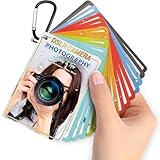
DSLR Camera Photography Cheat Sheet Cards
- Comprehensive - Contains 11 double-sided infassic cards featuring 19 different photography concepts. Includes info about...
- Sturdy cards - Made from thick, durable plastic that is waterproof and scratch-resistant. Perfect for beginner or...
- An essential accessory for blooming photographers - These guides and tips are compatible with all models of Canon...
Capture stunning photos with confidence using Infassic’s DSLR Camera Photography Cheat Sheet Cards. These compact cards simplify complex photography concepts, helping you master exposure, shutter speed, and special shooting techniques on the go.
Designed for quick reference, the 11 double-sided cards fit easily in your pocket or camera bag. Their durable, waterproof, and scratch-resistant plastic ensures they stand up to outdoor shoots and everyday wear. The included attachment ring keeps them accessible and organized.
These cheat sheets enhance your understanding and creative problem-solving while shooting. They are tailored for Canon, Nikon, and Sony DSLR users, making it easier to adjust settings and improve your shots without fumbling through manuals.
Maintenance is simple—just wipe clean with a damp cloth to keep them looking new. Their portability and durability make them an essential tool for photographers who want reliable guidance anytime, anywhere.
Best for: Beginner and intermediate DSLR photographers seeking a practical and durable quick-reference guide for camera settings and techniques.
What We Like:
- Durable, waterproof, and scratch-resistant for long-lasting use
- Compact size with attachment ring for easy portability
- Clear, concise content covering key photography concepts
- Designed specifically for Canon, Nikon, and Sony DSLR cameras
Specification:
| Feature | Details |
|---|---|
| Manufacturer | Infassic |
| Dimensions | 4 x 3 inches |
| Number of Cards | 11 double-sided cards |
| Material | Thick plastic (waterproof, scratch-resistant) |
| Color Options | Not specified |
Factors to Consider When Choosing Camera Settings for RL
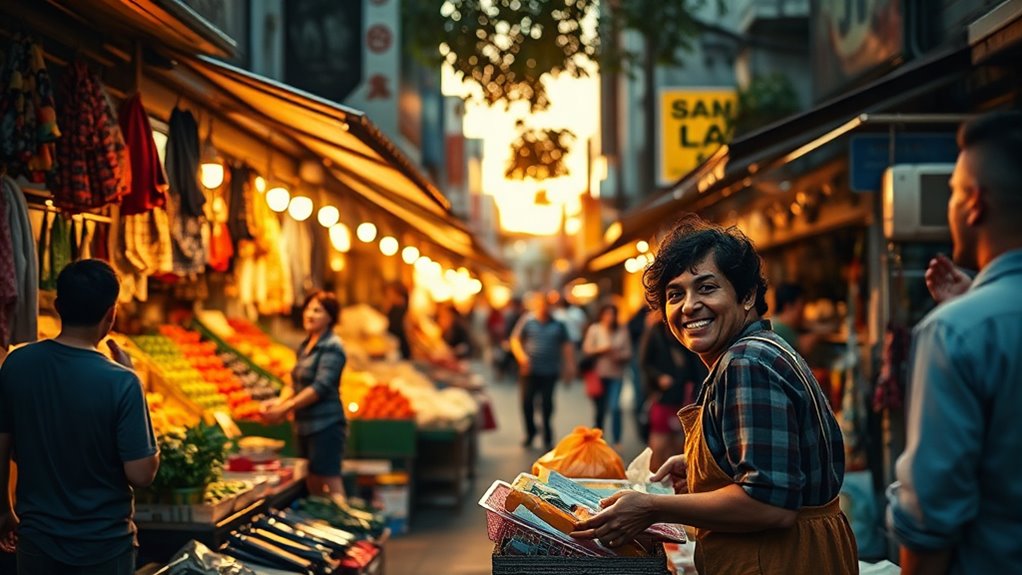
When you’re setting up for a shoot, several factors can make or break your images. Consider the lighting conditions, subject movement speed, and how these affect your choices for aperture, ISO, and shutter speed.
These elements will help you capture the best shots possible. So, it’s worth taking a moment to think them through before you start clicking away!
Lighting Conditions Impact
Understanding how lighting conditions impact your camera settings is essential for capturing stunning photographs. In bright sunlight, you’ll want a faster shutter speed and a smaller aperture to avoid overexposure and maintain detail in highlights.
On the other hand, in low-light situations, increasing your ISO helps capture more light. But be mindful of potential grain or noise; finding the right balance with shutter speed and aperture is key.
The direction and quality of light also matter—soft, diffused light works wonders for portraits. Meanwhile, harsh light can create strong shadows and contrast.
Finally, grasping the color temperature of various light sources allows you to adjust your white balance settings. This ensures accurate color representation in your images.
Subject Movement Speed
As you capture fast-moving subjects, the speed of their movement plays an essential role in determining your camera settings. For fast subjects like athletes or vehicles, aim for a shutter speed of 1/500 second or faster to freeze motion and avoid blur.
If the subject’s movement is slower, you can use a longer shutter speed, but be cautious of losing sharpness. Adjusting your aperture and ISO in tandem with shutter speed helps maintain proper exposure while ensuring details pop.
Consider using the panning technique to track moving subjects; this allows for a slower shutter speed that captures the motion blur effect while keeping the subject sharp. Understanding these dynamics is key for achieving clarity in dynamic scenes.
Aperture Settings Choice
Aperture settings are essential for achieving the desired aesthetic and technical quality in your photography. Measured in f-stops, lower numbers like f/1.8 let in more light and create a shallow depth of field, perfect for portraits.
A wider aperture, such as f/2.8, blurs the background, emphasizing your subject. Conversely, a narrower aperture like f/11 increases depth of field, keeping more of the scene in focus, which is great for landscapes.
Your choice of aperture directly impacts shutter speed; a larger aperture allows for faster shutter speeds, reducing motion blur in action shots. Remember, adjusting aperture affects exposure, so you might need to tweak ISO or shutter speed for a balanced image.
Understanding this relationship is key to mastering your photography. It might seem tricky at first, but once you get the hang of it, your photos will seriously improve!
ISO Sensitivity Levels
After mastering aperture settings, the next critical factor to evaluate is ISO sensitivity levels. ISO determines your camera’s sensitivity to light; lower values like ISO 100 are best for bright conditions, while higher values, such as ISO 1600 or above, work well in low-light scenarios.
Increasing ISO can brighten your images in darker settings, but it might introduce noise, which can compromise image quality. So, aim to use the lowest ISO possible for the best results, preserving detail in your photos.
Each camera has a native ISO range, usually from 100 to 6400, with many modern models able to extend beyond this. Understanding the exposure triangle—ISO, aperture, and shutter speed—will help you find the perfect balance in various shooting situations.
Shutter Speed Selection
When selecting shutter speed, you’ll want to take into account how it affects both exposure and motion in your images. A faster shutter speed, like 1/1000s, lets in less light, making it vital for freezing motion in dynamic scenes, such as sports or wildlife photography.
Conversely, a slower speed, like 1/30s, allows more light but can create motion blur, which is ideal for achieving artistic effects, like smooth water in landscapes—just remember to use a tripod to avoid camera shake.
Balancing shutter speed with aperture and ISO is essential for achieving the desired exposure. Keep in mind that faster speeds often enable wider apertures, indirectly influencing depth of field while maintaining image clarity.
Composition Techniques Applied
Balancing your camera settings isn’t just about technical specifications; it’s also about how you frame your subject. Start with the Rule of Thirds: divide your frame into a 3×3 grid and place key elements along the lines or intersections for a dynamic composition.
Try using leading lines, like roads or rivers, to guide the viewer’s eye toward your main subject. This adds depth and makes your photo more engaging.
Incorporate framing elements, such as branches or windows, to give context and draw focus to your shot. It really helps to highlight what you want the viewer to see.
Don’t forget about negative space—leaving empty areas around your subject can enhance simplicity and elegance. Sometimes less is definitely more.
Finally, look out for symmetry and patterns in your scene. They create visually pleasing images that really captivate the viewer.
Environmental Factors Considered
Understanding how environmental factors influence your camera settings is essential for capturing stunning photographs. Lighting conditions play a significant role; in bright sunlight, use faster shutter speeds and smaller apertures.
While low light requires slower speeds and wider apertures. Weather elements also matter—overcast skies can soften images, while harsh sunlight creates strong shadows, so you’ll need to adjust exposure accordingly.
If you’re shooting near reflective surfaces like water or snow, be cautious of overexposure. A polarizing filter can really help with that. Don’t forget the time of day; the golden hour offers softer, warmer light, which is ideal for enhancing image quality.
Finally, in windy conditions, opt for faster shutter speeds to freeze motion and keep your shots nice and clear.
Lens Choice Importance
Choosing the right lens is vital for achieving the desired look in your photographs. The lens you select greatly affects depth of field, determining how much of your scene stays in focus.
For landscapes, a wide-angle lens captures expansive views, while a telephoto lens excels at bringing distant subjects closer. Aperture plays an important role, too; wider apertures like f/1.8 let in more light, enhancing low-light performance and creating a shallower depth of field.
Consider image stabilization features to reduce motion blur during handheld shooting. Finally, evaluate optical quality, as factors like distortion and chromatic aberration can impact the sharpness and clarity of your images.
Your lens choice shapes your photography, so choose wisely!
Frequently Asked Questions
How Do I Choose the Right Lens for Real Life Photography?
To choose the right lens for real life photography, think about your subject and the perspective you want. A prime lens usually gives you sharper images.
On the other hand, a zoom lens can be super handy because it lets you change your framing without moving. It’s all about what fits your style and needs.
Try out different lenses if you can. That way, you’ll figure out which one feels right for you.
What Are the Best Lighting Conditions for Outdoor Photography?
Good outdoor lighting’s like golden syrup—soft and warm. Aim for the golden hour just after sunrise or before sunset.
Avoid harsh midday sun; it creates unflattering shadows and blown highlights that can ruin your shots. Trust me, your photos will thank you for it!
How Can I Improve My Composition Skills Quickly?
To improve your composition skills quickly, practice the rule of thirds, experiment with different angles, and study other photographers’ work.
Don’t hesitate to break the rules; your unique perspective will enhance your creativity.
What Equipment Is Essential for Travel Photography?
When it comes to travel photography, you can’t go wrong with a versatile camera, a sturdy tripod, and good lenses.
Don’t forget extra batteries and memory cards; you’ll want to capture every moment!
How Do I Maintain My Camera Gear While Traveling?
To maintain your camera gear while traveling, keep it clean and dry. Use protective cases to shield it from bumps and scratches.
Regularly check for dust and make sure batteries are charged. It’s a good habit to do these checks often.
Always handle your equipment carefully to avoid unnecessary damage. Treat your gear like it’s precious—because it is!
Conclusion
In the world of real-life photography, nailing the right settings can make all the difference. Remember, it’s not just about having the best gear; knowing how to use it is key.
With the right cheat sheets and a bit of practice, you’ll be capturing stunning images in no time. So, don’t just shoot from the hip—take the time to adjust your settings and watch your photography skills soar.
Mastering your camera settings in 2027 means understanding how to balance ISO, aperture, and shutter speed for real-life scenes. When you get these elements right, your photos will truly come to life. Keep experimenting, learning, and soon your real-life photography will stand out with clarity and creativity. Happy shooting!