3 Best Cameras for Motovlog in 2027 Every Rider Should Know
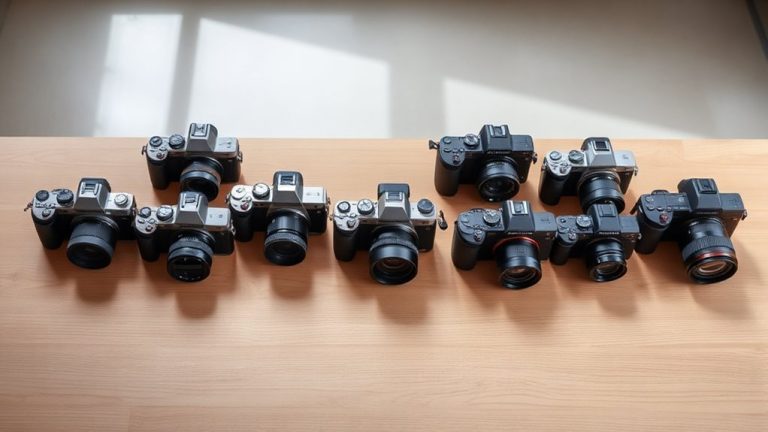
If you’re motovlogging in 2027, finding the right camera is key to capturing every thrilling moment on your ride. Whether you’re tackling rugged trails or cruising city streets, you want gear that’s reliable, high-quality, and easy to carry. The best motovlog cameras combine durability, smooth stabilization, and sharp video to keep your footage looking professional no matter the conditions.
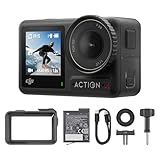
Consider the DJI Osmo Action 4 for its waterproof durability and RockSteady stabilization, perfect for those rough rides where bumps and splashes are part of the adventure. It’s built to handle whatever the road throws at you.
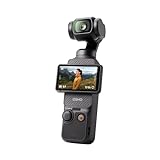
The DJI Osmo Pocket 3 brings a compact gimbal setup with 4K at 120fps and excellent subject tracking, making it great for capturing dynamic scenes without missing a beat.
For a lightweight and versatile option, the ZOMFOM Mini Pocket Body Cam shoots 4K at 60fps and offers flexible mounting choices. It’s perfect if you want something small but powerful.
Each of these cameras balances quality, stability, and portability to suit your style. Think about what features matter most for your riding and recording needs to find the ultimate setup.
| Image | Name | Editor's Rating | Price |
|---|---|---|---|
|
|
||
|
|
DJI Osmo Action 4 Essential Combo, Waterproof Action Camera Vlogging Camera
- Superior Low-Light Performance with 1/1.3-inch Sensor - Struggling with grainy footage in low light? Osmo Action...
- Pro-Grade Color Science - Worried your videos lack real-life colors? 10-bit color depth captures subtle shades, while...
- See More, Feel More - Want to capture more action and scenery? Shoot in 4K at 120fps with a 155° ultra-wide field of...
Capture your adventures like never before with the DJI Osmo Action 4 Essential Combo. Designed for motovloggers and outdoor enthusiasts, this action camera delivers professional-grade video quality that truly stands out. Its 1/1.3-inch CMOS sensor records sharp 4K footage at up to 120 fps with rich 10-bit color depth, bringing every detail to life.
The camera’s 155° ultra-wide lens lets you frame immersive shots, while the advanced RockSteady stabilization ensures smooth, steady video even on bumpy rides. Built tough with an IP68 waterproof rating, it withstands harsh weather and dives up to 18 meters without hassle. This rugged design means you can trust it in any environment.
Operating the Osmo Action 4 is straightforward, thanks to dual touchscreens and magnetic quick-release mounts that make setup quick and flexible. With up to 150 minutes of battery life, it’s ready to capture your longest adventures, though carrying spare batteries is advisable for extended use.
Maintenance is simple—just rinse after underwater use and keep the lenses clean for optimal performance. Note that some features like 120 fps recording and wide field of view may vary depending on stabilization and video settings. The proprietary DJI OS requires adapting since the DJI Mimo app is no longer available on Google Play.
Best for: Motovloggers and adventure seekers needing a durable, high-quality action camera for dynamic outdoor shooting.
What We Like:
- Stunning 4K video up to 120 fps with vibrant 10-bit color for professional visuals
- IP68 waterproof rating to 18 meters for reliable underwater and weather resistance
- RockSteady stabilization delivers smooth footage on rough terrain
- Dual touchscreens and magnetic mounts ensure quick, versatile setup
Specification:
| Feature | Details |
|---|---|
| Manufacturer | DJI |
| Sensor Size | 1/1.3 inch CMOS |
| Video Resolution | 4K up to 120 fps |
| Color Depth | 10-bit |
| Lens Field of View | 155° ultra-wide |
| Waterproof Rating | IP68 (up to 18 meters) |
| Battery Life | Up to 150 minutes |
| Mount Type | Magnetic quick-release |
DJI Osmo Pocket 3 Vlogging Camera with 1” CMOS & 4K/120fps Video
- Capture Stunning Footage - Osmo Pocket 3 vlogging camera features a 1-inch CMOS sensor and records in 4K resolution at...
- Effortlessly Frame Your Shots - Get the ideal composition with Osmo Pocket 3's expansive 2-inch touch screen that...
- Ultra-Steady Footage - Say goodbye to shaky videos! Osmo Pocket 3's advanced 3-axis mechanical stabilization delivers...
Capture your most dynamic moments with the DJI Osmo Pocket 3 Vlogging Camera, designed for creators who demand mobility without sacrificing quality. Its compact size fits easily in your pocket, making it ideal for capturing smooth, professional-grade video wherever you go.
The powerful 1-inch CMOS sensor delivers crisp 4K footage at up to 120fps, allowing you to create stunning slow-motion effects. The built-in 3-axis gimbal stabilizes every shot, reducing blur and shake even during fast movements or motovlogging rides.
A clear 2-inch rotatable touchscreen makes framing shots intuitive and quick. The camera’s fast autofocus combined with ActiveTrack 6.0 technology ensures your subject stays sharp and in focus throughout your shoot. Rich 10-bit color and D-Log M bring vibrant, true-to-life colors to your videos.
For audio, stereo microphones provide clear sound, and compatibility with the DJI Mic 2 expands your options for professional audio capture. Keep in mind, the battery charger is sold separately, and the device is not water resistant, so extra care is needed in wet conditions.
Best for: Content creators and motovloggers looking for a compact, high-quality 4K camera with advanced stabilization and fast autofocus for on-the-move shooting.
What We Like:
- Compact, pocket-sized design for effortless portability
- High-quality 1-inch sensor capturing smooth 4K/120fps video
- Integrated 3-axis gimbal and ActiveTrack 6.0 for stable footage
- Vibrant 10-bit color depth with D-Log M for rich visuals
- Stereo audio and DJI Mic 2 compatibility for enhanced sound
Specification:
| Feature | Details |
|---|---|
| Manufacturer | DJI |
| Dimensions | Pocket-sized (approx.) |
| Weight | Lightweight |
| Sensor | 1-inch CMOS |
| Video Resolution | 4K up to 120fps |
| Stabilization | 3-axis mechanical gimbal |
| Screen | 2-inch rotatable touchscreen |
| Audio | Stereo, DJI Mic 2 compatible |
| Water Resistance | No |
Vlogging Camera 4K, Mini Pocket Body Cam with 64GB Card
No products found.
Capture every moment of your motovlog with the compact and powerful ZOMFOM Vlogging Camera 4K. This mini pocket body cam delivers crisp 4K/60fps video with smooth electronic image stabilization, helping you create stable and vibrant footage on the go. Its 140° wide-angle lens ensures you never miss the action around you.
Designed for ease of use, the camera features a 270° manual rotating lens and a bright 1.33-inch HD screen for simple framing. The included 64GB memory card and external lavalier microphone provide clear audio and ample storage right out of the box. This means you can start recording without hassle or extra gear.
Weighing just 2.4 ounces, this lightweight camera mounts easily on your body or gear for hands-free shooting. Its Wi-Fi connectivity allows quick sharing and control from your phone. However, keep in mind the battery lasts about 1.5 to 2 hours per charge, and the camera is not water resistant, so plan accordingly for long rides or wet conditions.
Regular maintenance involves keeping the lens clean and charging the battery after use. The manual lens rotation requires attention for quick angle changes but adds precise control over your shots. This camera is a solid choice for motovloggers who want portability paired with professional-quality video.
Best for: Motovloggers and outdoor enthusiasts needing a lightweight, high-resolution camera with clear audio and stable footage for hands-free recording.
What We Like:
- Lightweight 2.4-ounce design perfect for body mounting and portability
- High-quality 4K/60fps video with electronic image stabilization
- Wide 140° lens captures immersive footage
- External lavalier mic and 64GB card included for clear audio and storage
- Wi-Fi connectivity for easy sharing and remote control
Specification:
| Feature | Details |
|---|---|
| Manufacturer | ZOMFOM |
| Dimensions | Mini pocket size |
| Weight | 2.4 ounces (68 grams) |
| Video Resolution | 4K at 60fps |
| Lens Angle | 140° wide-angle |
| Screen Size | 1.33 inches HD |
| Storage Included | 64GB memory card |
| Connectivity | Wi-Fi |
| Microphone | External lavalier mic |
| Battery Life | 1.5–2 hours per charge |
| Water Resistance | None |
Factors to Consider When Choosing a Camera for Motovlog
When choosing a camera for motovlogging, you’ll want to focus on video quality and how well it stabilizes your footage.
Don’t forget to check audio options, battery life, and whether the camera can handle tough weather conditions.
These factors make a big difference in capturing clear, reliable content on the road. So, it’s worth taking the time to pick the right one for your rides.
Video Quality Requirements
Although many cameras offer high resolutions, you should aim for at least 1080p at 60fps to guarantee smooth motion on your motorcycle rides. For future-proof footage and more detail during cropping or stabilization, 4K at 60fps—or even 4K at 120fps for slow-motion—is ideal.
Pick a camera with a large sensor or wider aperture (f/2.8 or better) to perform well in low light, such as dawn, dusk, or tunnels. Prioritize 10-bit color or log profile support to preserve highlight and shadow details, especially after heavy editing.
Also, make sure your camera can record long continuous clips without dropped frames by supporting high bitrates and fast SD cards (V30/V60/V90 or UHS-II). Finally, choose a wide field of view between 120° and 155° to capture both you and the road effectively.
Stabilization Importance
Stabilization plays a critical role in motovlogging because road vibrations and helmet bounce can quickly turn your footage into shaky, hard-to-watch video. You want a system that guarantees these jitters without sacrificing image quality.
Mechanical 3-axis gimbals offer the best motion stabilization for big directional changes, while electronic image stabilization (EIS) handles high-frequency vibrations more compactly. Look for horizon-lock or horizon correction features to keep your footage level during sharp turns or sudden tilts.
Keep in mind that some stabilization modes might limit your field of view or reduce max resolution and frame rate, so balance your settings carefully. Finally, test your camera’s stabilization across different speeds and road conditions to guarantee it performs well whether you’re cruising city streets or hitting the highway.
Audio Capture Options
Keeping your footage steady is only part of the challenge—capturing clear audio makes your motovlog truly engaging. Wind noise is your biggest enemy, so use external microphones with windshields like deadcats or foam to cut turbulence.
Wired lavaliers with inline windscreens also work well. Consider a dual-transmitter wireless system to mic both the rider and a backup source, improving speech isolation and redundancy.
Choose mics with high sensitivity, low self-noise, and support for 48 kHz/16-bit audio. On-camera directional mics (cardioid or supercardioid) with built-in wind protection, mounted aerodynamically, help reduce wind blast.
Always monitor your audio with headphones during setup and record test clips at riding speeds to catch wind noise or clipping early. Make certain your audience hears you clearly, no matter how fast you ride.
Battery Life Expectations
You’ll often find that real-world battery life falls short of manufacturers’ claims, especially when recording in 4K with stabilization enabled. Expect about 60–120 minutes per battery, depending on resolution, frame rate, and stabilization.
High-frame-rate modes (60–120 fps), electronic or gimbal stabilization, Wi-Fi, and bright displays can cut battery life by 30–50% compared to standard recording. Cold temperatures below 0°C also reduce capacity, so bring spares or warm packs for chilly rides.
For typical motovlogs, carry at least one spare battery per hour of high-quality footage or use external power solutions like USB-C PD power banks or hardwired charging for longer sessions. Prioritize cameras with fast-charging support to restore 50–80% battery in 15–40 minutes, ensuring you stay powered between rides.
Durability and Weatherproofing
When choosing a camera for motovlogging, durability and weatherproofing should top your priority list. Look for an IP68 rating or plan to use a reliable waterproof housing to protect your gear from rain, spray, or submersion.
Also, check the operating temperature range, especially below −20°C, since cold can drain batteries and affect LCD performance. It’s a good idea to opt for impact-resistant materials like magnesium alloy or reinforced polycarbonate.
Consider cameras with replaceable lens filters to shield the glass from debris and drops. Make sure seals, ports, and battery doors have secure, lockable designs with rubber gaskets to keep out dust, mud, or salt spray damage.
And don’t forget about audio gear! Choose models with removable or protected microphones and weather-sealed accessory mounts to safeguard your audio equipment from moisture and wind corrosion.
Size and Portability
Durability and weatherproofing protect your camera from the elements, but size and portability determine how comfortable and practical it is to use on the road. Choosing a lightweight camera under 200 grams helps reduce helmet vibration, neck strain, and wind-induced movement during long rides.
Compact cameras with small form factors and low-profile mounts minimize aerodynamic drag and the risk of snagging on your gear, enhancing safety at higher speeds. You’ll appreciate pocketable or glove-friendly dimensions that let you swap batteries, change SD cards, or adjust angles without removing bulky protective gear.
Cameras with built-in stabilization keep footage smooth while staying compact, avoiding the bulk of external gimbals. Remember to factor in the combined size and weight of the camera plus mounts and accessories, as they affect handling and helmet balance.
Connectivity and Accessories
Don’t overlook connectivity and accessories—they play a crucial role in capturing clear audio and smooth footage on the road. Make sure your camera supports external microphones via 3.5mm, USB-C, or mini‑XLR inputs, or works with wireless receivers to cut through wind noise.
Reliable Bluetooth and dual‑band Wi‑Fi let you control the camera remotely, monitor live, and transfer files quickly without unmounting it.
Opt for models with multiple mounting options—quick‑release systems, magnetic, or self‑locking mounts guarantee fast angle changes and secure fits at highway speeds. Prioritize high-speed storage compatibility (microSD V30/U3 or better) with loop recording and hot‑swap battery features for long rides.
Also, confirm weatherproof housings and vibration-damping accessories are available to keep your audio and video crisp in harsh conditions.
Frequently Asked Questions
How Do I Mount a Camera Securely on Different Types of Helmets?
You’ll use adhesive mounts for smooth helmets and strap mounts for vented ones. Clean the surface first, press firmly, and let it set.
Make sure the camera’s balanced and secure before riding to avoid shaky footage.
This way, you get steady shots and keep your gear safe while on the move!
What Are the Best Audio Accessories for Clear Motovlog Sound?
You can’t beat the Zoom H2n for crystal-clear audio that’ll make your motovlog sound like a concert.
Pair it with a wind-resistant lapel mic and you’ll capture every word, no matter how wild the ride gets.
Seriously, this combo is a game-changer for anyone looking to step up their sound quality on a bike.
Trust me, your viewers will notice the difference right away!
Can I Livestream My Rides Directly From These Cameras?
Yes, you can livestream your rides directly from many action cameras with built-in Wi-Fi and app support. Just connect to your phone, set up streaming on platforms like YouTube, and share your adventure live with viewers.
It’s pretty straightforward once you have everything connected. Just make sure your internet connection is strong enough to handle the livestream. Then, you’re all set to show off your ride in real time!
How Do Weather Conditions Affect Camera Performance During Motovlogging?
Weather can reduce visibility, cause lens fogging, and affect audio quality. You’ll need a camera with good waterproofing, anti-fog features, and wind noise reduction to keep your motovlogs clear and reliable in any conditions.
It’s all about making sure your footage stays sharp no matter what the weather throws at you. Plus, good audio is just as important as clear video when you’re out on the road. So, investing in the right gear really pays off.
What Are the Legal Restrictions for Recording While Riding in Various Countries?
When in Rome, do as the Romans do—you’ll find that many countries restrict helmet-mounted cameras or require consent for recording others.
Always check local laws before you ride, so you don’t get caught between a rock and a hard place. It’s better to be safe than sorry, right?
Conclusion
When choosing a motovlogging camera, remember that over 70% of top riders prefer models with 4K video at 60fps or higher for crystal-clear footage. Whether you pick the rugged DJI Osmo Action 4, the compact Osmo Pocket 3, or the versatile mini pocket body cam, you’ll capture every thrilling moment on the road.
So, gear up with the right camera and make your rides unforgettable. Your audience will thank you for the incredible quality!
Picking the best motovlogging camera can really boost your content. With options like the DJI Osmo Action 4, Osmo Pocket 3, and the mini pocket body cam, you get durability, compactness, and versatility all in one.
No matter which you choose, these cameras are designed to keep up with every twist and turn. So get ready to share your adventures with stunning 4K clarity that truly stands out. Your motovlog deserves nothing less!