3 Best Android Camera Phones of 2026 You Can’t Miss
If you want high-quality photos and videos in 2026, check out the Moto G Stylus 2026 with its 50 MP AI camera and 4K video capabilities.
It also features an ultra-wide lens, perfect for those creative shots that stand out.
The Moto G Power 2026 offers OIS-stabilized 50 MP photos, making sure your images stay sharp even when you’re on the move.
Plus, it’s built tough for outdoor adventures, so you don’t have to worry about durability.
Samsung’s Galaxy A37 5G Renewed packs a vibrant Super AMOLED screen that makes your photos pop.
It also boasts a steady 50 MP OIS lens, combining power and precision for great imaging results.
Explore how these phones balance power, lenses, and software to deliver stellar photos and videos that you won’t want to miss.
| Image | Name | Editor's Rating | Price |
|---|---|---|---|

|
|
||

|
|
||
|
|
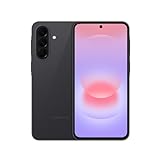
Moto G Stylus 2026 Unlocked Smartphone 8/128GB
- Unlocked: Compatible with all major U.S. carriers, including Verizon, AT&T, T-Mobile and other major carriers.
- The only built-in active stylus in its class: Create, navigate, and edit with precision—writing feels smooth and...
- 50MP Sony LYTIA 700C OIS camera system: Capture stunning photos in any light and unshakable 4K videos on the move with...

Experience a smartphone that adapts to your dynamic lifestyle with the Moto G Stylus 2026 unlocked phone. Its built-in active stylus enhances productivity, allowing you to jot notes or create on the go seamlessly. This feature transforms how you interact with your device, making multitasking more natural and efficient.
Capture moments vividly with the 50 MP AI-powered camera, which delivers sharp photos and 4K videos. Whether for work or leisure, the ultra-wide lens broadens your creative possibilities. The 6.7″ AMOLED display with a 120 Hz refresh rate provides smooth, vibrant visuals, reducing eye strain during extended use.
Powered by a Snapdragon processor and paired with 8 GB RAM, this smartphone handles multiple apps effortlessly. Its 5200 mAh battery supports rapid 68W charging, minimizing downtime. The durable, water-resistant design ensures it withstands everyday challenges, while dual SIM slots offer flexible connectivity options.
Storage is ample at 128 GB and expandable via microSD up to 128 GB, helping you manage files and media without hassle. Note that the rapid charging requires a separate TurboPower charger, and the lack of a 3.5 mm headphone jack means you’ll need adapters for wired audio devices.
Best for: Professionals and creatives seeking a versatile unlocked smartphone that combines productivity, advanced photography, and rugged design for everyday use.
What We Like:
- Built-in active stylus enhances note-taking and creative tasks
- High-resolution 50 MP AI camera with 4K video and ultra-wide lens
- Smooth 6.7″ AMOLED display with 120 Hz refresh rate
- Large 5200 mAh battery with fast 68W charging capability
- Durable, water-resistant build with dual SIM support
Specification:
| Feature | Detail |
|---|---|
| Manufacturer | Motorola |
| Dimensions | Not specified |
| Weight | Not specified |
| Display | 6.7 inches AMOLED, 120 Hz |
| RAM | 8 GB |
| Storage | 128 GB, expandable via microSD up to 128 GB |
| Processor | Snapdragon |
| Camera | 50 MP AI-powered, 4K video, ultra-wide lens |
| Battery | 5200 mAh, 68W fast charging |
| Connectivity | Dual SIM |
| Audio | No 3.5 mm headphone jack |
| Design | Rugged, water-resistant |
Motorola Moto G Power 2026 Unlocked Phone 8/128GB
- Universal unlocked - Compatible with all major U.S. carriers, including Verizon, AT&T, T-Mobile and other prepaid...
- Sharp, durable 6.8" 120Hz FHD+ display - Enjoy stunning views and a 120Hz refresh rate along with 360 degrees of...
- TurboPower charging and up to 49-hour battery - Get hours of power in just minutes of charging, and nearly two full days...
The Motorola Moto G Power 2026 Unlocked Phone is designed for those who need a reliable device that lasts through busy days and outdoor adventures. Its large 6.8-inch FHD+ display with a 120 Hz refresh rate ensures smooth scrolling and clear visuals, making everyday use more enjoyable. The Gorilla Glass 7i protection adds durability to the screen, reducing the risk of damage.
This phone stands out with its long-lasting 5200 mAh battery that supports TurboPower rapid charging, providing up to 49 hours of use on a single charge. It helps you stay connected without worrying about frequent recharging. The dual rear cameras include a 50 MP primary sensor with Optical Image Stabilization, so your photos and videos remain sharp and steady even in challenging conditions.
Built tough, the Moto G Power 2026 meets IP68/IP69 water resistance and MIL-STD-810H durability standards. This makes it ideal for users who need a phone that can handle rough environments. With 8 GB RAM and 128 GB storage, it manages multitasking and fast 5G connectivity efficiently.
Best for: Users seeking a durable, long-lasting smartphone with strong camera performance and smooth display for everyday use and outdoor activities.
What We Like:
- Rugged design with IP68/IP69 water resistance and military-grade durability
- Sharp 50 MP camera with Optical Image Stabilization for clear photos and videos
- Large 5200 mAh battery with fast TurboPower charging
- Smooth 120 Hz refresh rate on a vibrant 6.8″ display
- Ample 8 GB RAM and 128 GB storage for multitasking and media
Specification:
| Specification | Details |
|---|---|
| Manufacturer | Motorola |
| Display Size | 6.8 inches |
| Display Type | FHD+ LCD, 120 Hz |
| Battery Capacity | 5200 mAh |
| RAM | 8 GB |
| Storage | 128 GB |
| Rear Cameras | Dual, 50 MP primary with OIS |
| Connectivity | 5G |
| Durability Standards | IP68/IP69, MIL-STD-810H |
| Operating System | Unlocked Android Phone |
Samsung Galaxy A37 5G 128GB Renewed Phone
- Charger Sold Separately, 6.7" FHD+ Super AMOLED, 120Hz, 1080x2340px, up to 1900 nits Peak Brightness, Gorilla Glass...
- 128GB Storage, 6GB LPDDR5X RAM, No microSD Card Slot, Exynos 1480 Octa-Core Processor, Android 16, One UI 8.5, Up to...
- Rear Camera: 50MP f/1.8 OIS + 8MP f/2.2 Ultra-Wide + 5MP f/2.4 Macro, Front Camera: 12MP f/2.2 Super HDR, 4K Video...
Experience vibrant visuals and seamless performance with the Samsung Galaxy A37 5G 128GB Renewed Phone. Its large 6.7″ Super AMOLED display with a 120 Hz refresh rate provides crisp and fluid images, enhancing your gaming and streaming sessions. This phone is designed to solve the problem of lag and dull screens, making everyday use more enjoyable.
Powered by the Exynos 1480 Octa-Core processor and 6 GB of LPDDR5X RAM, it handles multitasking effortlessly. Whether you’re switching between apps or browsing, responsiveness is guaranteed. The triple camera system, featuring a 50 MP OIS main sensor, lets you capture sharp photos and smooth 4K videos, perfect for preserving memories with clarity.
The Galaxy A37 5G’s robust 5000 mAh battery ensures long usage without frequent recharging. Fast 45W charging quickly restores power, keeping you connected throughout the day. Its IP68 rating adds protection against water and dust, reducing maintenance worries and extending durability.
Running on Android 16 with six years of software updates, this device stays current and secure. Its renewed condition offers a budget-friendly option without sacrificing essential features.
Best for: users seeking an affordable smartphone with a vivid display, reliable performance, and extended software support.
What We Like:
- Bright 6.7″ Super AMOLED display with smooth 120 Hz refresh rate
- Responsive Exynos 1480 processor paired with 6 GB RAM
- Long-lasting 5000 mAh battery with quick 45W charging
- Durable IP68 water and dust resistance
- Runs Android 16 with six years of updates
Specification:
| Feature | Details |
|---|---|
| Manufacturer | Samsung |
| Display | 6.7″ Super AMOLED, 120 Hz |
| Processor | Exynos 1480 Octa-Core |
| RAM | 6 GB LPDDR5X |
| Storage | 128 GB internal |
| Camera | Triple, 50 MP OIS main sensor |
| Battery | 5000 mAh, 45W fast charging |
| Operating System | Android 16 |
| Water/Dust Rating | IP68 |
| Condition | Renewed |
Factors to Consider When Choosing Camera Phones 2026 Android
When choosing your next Android camera phone, focus on key features like camera resolution and lens versatility to capture every detail and angle.
Don’t forget to check how well the phone performs in low light and its video recording quality for smooth, clear footage.
Also, image stabilization can make a huge difference in getting sharp photos and steady videos.
Camera Resolution Importance
Although higher megapixels might seem like the key to better photos, you should consider sensor size, pixel size, and image processing first. A larger sensor and bigger pixels improve low-light performance and dynamic range far more than simply cramming more megapixels onto a small sensor.
In 2026, many phones use pixel binning to combine multiple pixels, creating cleaner, lower-noise images around 12–16 MP from high-resolution sensors like 50 MP. For everyday use—social media or prints up to 8×10 inches—these processed images deliver excellent quality.
Higher native megapixels mainly benefit professionals needing large prints or extensive cropping. Remember, video resolution and frame rates are separate from still-photo megapixels and depend on sensor readout and processing capabilities.
Lens Versatility Options
Picking a phone with a versatile lens setup can make all the difference in your photography. Aim for multi-lens configurations covering wide, ultra-wide (around 13–16mm), and telephoto or macro ranges (50–100mm equivalent). This range gives you true compositional flexibility.
Optical image stabilization (OIS) and aperture size also matter—they help reduce shake and improve sharpness across lenses. Pay attention to optical zoom limits; up to 10× optical zoom keeps your images crisp, while digital zoom beyond that usually sacrifices detail.
Sensor size and pixel binning enhance dynamic range and image quality, so bigger sensors and multi-pixel binning are preferable. Finally, check if the phone includes a dedicated macro lens for sharper close-ups, as relying on ultra-wide or autofocus macro modes may not deliver the same clarity.
Low Light Performance
Since low-light conditions challenge most cameras, you’ll want to focus on sensor size and pixel pitch to capture brighter, clearer photos. Larger sensors and pixels over 1.4 µm absorb more light and reduce noise compared to tiny high-megapixel sensors.
Look for phones with optical image stabilization or sensor-shift tech, which let you shoot longer exposures without blur, enhancing detail in dim settings. A wide aperture lens (f/1.8 or wider) also helps by letting in more light per shot.
Don’t overlook computational photography features like multi-frame stacking and AI denoising—they boost dynamic range and clarity but watch for overprocessing artifacts. Finally, check native ISO performance and RAW capture capability; these affect how much low-light detail you can recover later, making a real difference in your night shots.
Video Recording Quality
When choosing an Android phone for video recording in 2026, you’ll want to prioritize sensor resolution and stabilization features. Look for primary sensors of 50 MP or higher combined with optical and electronic stabilization to get sharp, steady 4K footage at 60fps.
Check the maximum video resolution and frame rates to capture both detailed clips and smooth slow-motion—4K at 30 or 60 fps and 1080p at 120 fps or more are ideal. Don’t forget low-light video factors like larger pixel size, wide apertures, and dedicated night modes to reduce noise and enhance dynamic range.
Also, verify supported codecs and bitrates (HEVC, H.264) and whether the phone offers log profiles or 10-bit color for flexible color grading. Finally, autofocus features with subject tracking keep moving subjects sharp.
Image Stabilization Features
To nail sharp photos and smooth videos on your Android phone, you’ll want to focus on its image stabilization features. Optical Image Stabilization (OIS) uses hardware to counteract hand shake, delivering crisp photos and steady 4K video at typical shutter speeds.
Electronic Image Stabilization (EIS) digitally reduces motion blur and jitter, especially helpful for higher frame rate videos, though it may crop your view. The best phones combine both in hybrid stabilization, letting OIS handle low-frequency shakes while EIS smooths out high-frequency jitters.
When choosing, check if stabilization works across all resolutions and ultra-wide lenses, and note supported video frame rates like 4K@30fps or FHD@60fps. Remember, larger sensors and wider apertures boost stabilization’s effectiveness by enabling faster shutter speeds and less noise, especially in low light.
Software and AI Enhancements
Although hardware plays a critical role in your phone’s camera quality, software and AI enhancements often make the biggest difference in photo and video results. Look for phones running Android 16 or later that use on-device AI for multi-frame noise reduction, HDR merging, and real-time scene detection—boosting low-light and high-contrast shots without cloud delays.
Check if the camera app supports AI-driven computational zoom and super-resolution to crop images cleanly from high-megapixel sensors. Prioritize devices with firmware-level ISP improvements and regular OTA updates that refine autofocus, color tuning, and stabilization.
Also, consider AI features like portrait segmentation, subject-aware exposure, and automatic retouching that preserve natural textures. Local AI processing guarantees faster, private, and consistent results even offline—making it essential when choosing a top Android camera phone in 2026.
Battery Life Impact
Since advanced camera features demand more power, battery life becomes a crucial factor in choosing your 2026 Android camera phone. Larger batteries around 5000–5200 mAh help you shoot longer and handle AI processing without constant recharging.
But remember, high-res sensors and computational photography like Night mode or HDR stacking increase power use, draining your battery faster. Enabling high-refresh-rate displays (90–120 Hz) or Always-On Display also speeds up consumption during framing and review.
Fast charging between 30W and 68W minimizes downtime after heavy use, though actual recharge times depend on battery chemistry and safety limits. If you plan extended video recording at 4K/60fps or with stabilization, expect markedly higher energy use—carry a charger or spare power to avoid interruptions during long sessions.
Frequently Asked Questions
How Do Software Updates Affect Camera Performance on Android Phones?
Software updates improve your Android phone’s camera by enhancing image processing, fixing bugs, and adding new features. They can boost photo quality and stability, so you shouldn’t skip updates if you want the best camera performance.
It’s pretty straightforward—updates keep your camera running smoothly. Plus, they often bring cool new tools or settings that can help you take better shots. So yeah, staying up to date is definitely worth it!
What Is the Average Battery Life During Continuous Camera Use?
You’ll likely get around 3 to 5 hours of continuous camera use, depending on your phone’s battery capacity and settings.
It’s not a marathon, but enough for capturing plenty of memories before a recharge.
Are There Any Recommended Accessories for Enhancing Mobile Photography?
You should grab clip-on lenses, a portable tripod, and a remote shutter for steady shots.
Also, consider a ring light to improve lighting and a protective case to keep your phone safe during outdoor shoots.
How Do These Phones Perform in Low-Light Video Recording?
You’ll love that some models boost low-light video brightness by up to 400%. They capture stunning details and reduce noise, letting you shoot vibrant, clear videos even in dim settings.
Perfect for night adventures or cozy indoor moments.
Can These Phones Shoot in RAW Format for Professional Editing?
Yes, you can shoot in RAW format on these phones for professional editing. They offer advanced manual controls, letting you capture uncompressed images with greater detail and flexibility.
It’s perfect for fine-tuning your photos later. This way, you have much more control over how your final image looks.
Conclusion
Choosing the perfect Android camera phone in 2026 isn’t just about specs—it’s about capturing moments that matter. Whether you go for the Moto G Stylus, Moto G Power, or Samsung Galaxy A37, each phone offers unique strengths tailored to your needs.
Remember, the best camera is the one you have with you, so pick a phone that feels like an extension of your vision. After all, your memories deserve nothing less than brilliance.
When looking for the best Android camera phones of 2026, consider what matters most to you—whether it’s battery life, image quality, or extra features. Phones like the Moto G Power stand out with long-lasting batteries, while the Samsung Galaxy A37 shines in vibrant photo capture. The Moto G Stylus adds the bonus of creative control with its stylus, perfect for those who want to edit on the go.
In the end, the best Android camera phone is the one that matches your lifestyle and helps you create stunning photos effortlessly. So, don’t just chase specs; choose a phone that feels right in your hand and inspires you to capture life’s best moments.