2 Best Camera Settings for Fashion Photography in 2027
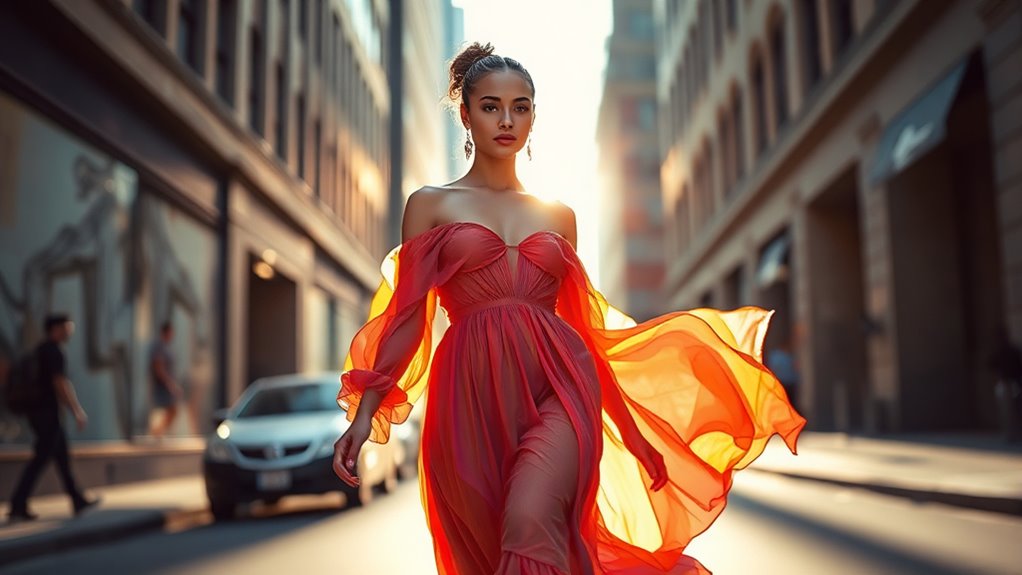
To elevate your fashion photography in 2027, focus on using an ISO of 100 for sharp, crisp details and an aperture of f/2.8 to create stunning bokeh effects.
These camera settings are essential for capturing vibrant colors and soft, dreamy backgrounds that make your subjects truly stand out.
Lighting conditions and movement also play crucial roles in how you adjust these settings.
So, don’t forget to consider them as you shoot.
With just a few tweaks and techniques, you can take your fashion photography to the next level.
Stick around to discover even more tips and tricks for perfecting your craft and mastering those picture-perfect shots!
| Image | Name | Editor's Rating | Price |
|---|---|---|---|

|
|
||

|
|
Photography Cheat Sheet for DSLR Camera Accessories
- Comprehensive Guide for Nikon, Canon, and Sony DSLRs:This 30-page photography guide is specifically designed for DSLR...
- Easy-to-Use Reference for Every Shooting Situation:Covering exposure, shooting modes, composition, and lighting, this...
- Compact and Portable Design – Ideal for On-the-Go Use:Measuring just 4×3 inches, this durable cheat sheet fits...
Unlock your potential in fashion photography with the Photography Cheat Sheet for DSLR Camera Accessories. This compact guide simplifies complex concepts like exposure, lighting, and composition, helping you overcome common challenges in manual mode. It’s designed to make your learning curve smoother and your shoots more efficient.
The cheat sheets are color-coded and double-sided, allowing quick access to essential tips tailored for various scenarios, from portraits to action shots. Its portable size fits easily into any camera bag, so you have reliable guidance right when you need it. Regular use helps you maintain consistent settings and improve your shooting confidence.
Built specifically for DSLR users, this guide addresses the nuances of Nikon, Canon, and Sony cameras, ensuring relevant and practical advice. While it focuses on DSLR systems, the organized layout and clear instructions make it a useful tool for photographers aiming to master their craft.
Best for: DSLR owners from beginners to advanced photographers seeking practical, on-the-go support to enhance their fashion photography skills.
What We Like:
- Clear, concise explanations of key photography concepts
- Portable design for easy access during shoots
- Color-coded sheets speed up information retrieval
- Practical tips tailored to DSLR cameras
- Helps build confidence in manual mode
Specification:
| Feature | Details |
|---|---|
| Manufacturer | Not specified |
| Pages | 30 (16 double-sided sheets) |
| Dimensions | Compact (fits in camera bag) |
| Color Coding | Yes |
| Compatible With | Nikon, Canon, Sony DSLR |
CameraCues Photography Cheat Sheet Cards Quick Reference Photography Cards
- Credit card size – Compact and convenient for travel
- Durable and waterproof – Made from high-quality PVC that stands up to the elements
- Essential settings at your fingertips – Fast, easy to read, and color-coded for quick navigation
CameraCues Photography Cheat Sheet Cards offer a practical solution for fashion photographers who need quick access to essential camera settings. These compact cards eliminate the hassle of flipping through manuals or apps during a shoot, helping you stay focused and efficient. Their credit card size means they fit easily in your pocket or camera bag, ensuring you always have vital information at hand.
Constructed from durable, waterproof PVC, these cheat sheets withstand tough shooting environments. The color-coded design allows for fast navigation, so you can instantly find the setting you need without slowing down your workflow. Compatible with all major digital cameras, including Canon, Nikon, and Sony, these cards streamline your setup process.
Maintenance is simple—just wipe clean with a damp cloth to keep the cards looking fresh. The cards are designed for quick reference, making them ideal for photographers who want to improve their speed without getting bogged down by complicated details. While they don’t cover every advanced setting, their focus on essential functions supports efficient, creative shoots.
Best for: Fashion photographers seeking quick, on-the-go access to essential camera settings.
What We Like:
- Compact and lightweight for easy portability
- Durable, waterproof PVC material for long-lasting use
- Color-coded layout speeds up setting selection
- Compatible with major digital camera brands
Specification:
| Feature | Details |
|---|---|
| Manufacturer | CameraCues |
| Dimensions | Credit card size (~3.4″ x 2.1″) |
| Weight | Lightweight (under 1 oz) |
| Material | Waterproof PVC |
| Color Options | Multi-color coded |
Factors to Consider When Choosing Camera Settings for Fashion Photography
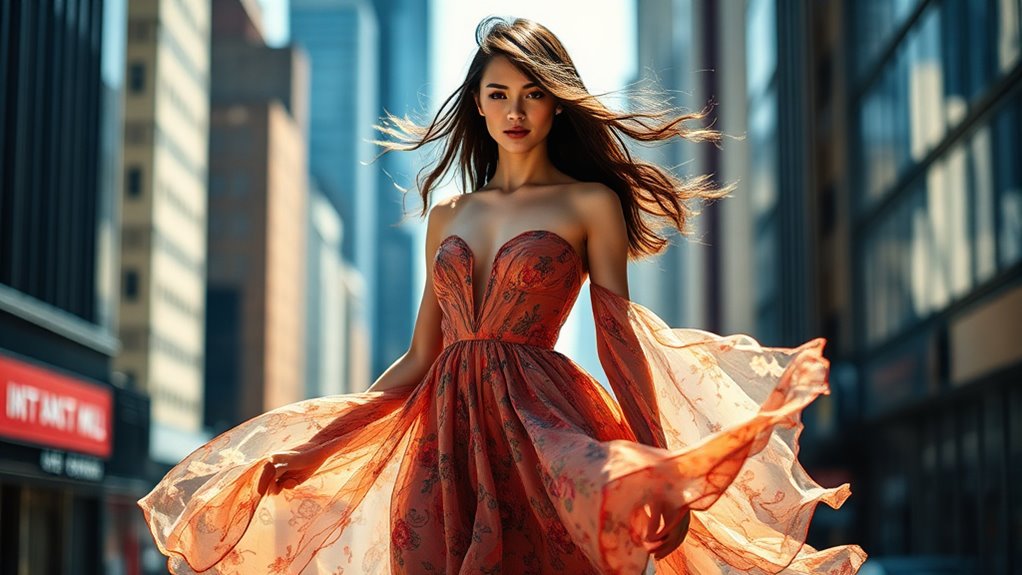
When you’re setting up for a fashion shoot, consider how lighting conditions will affect your camera settings. You’ll also need to think about the subject’s movement, the background, and the lens you’re using.
Balancing ISO and aperture is essential to capturing the perfect shot, so keep these factors in mind as you prepare. It might seem like a lot, but once you get the hang of it, it becomes second nature.
Lighting Conditions Impacting Settings
Understanding how lighting conditions impact your camera settings is essential for capturing stunning fashion photography. Natural light during the golden hour gives you soft, warm tones that beautifully enhance your shots.
Conversely, harsh midday sun can create unflattering shadows, so be mindful of your timing. When using artificial lighting, softboxes or ring lights help you control shadows and distribute light evenly, showcasing textures in your clothing.
Don’t forget reflectors; they bounce light onto your subject, especially in shaded areas. In low-light situations, boost your ISO to capture more light, but watch for noise.
Finally, adjust your white balance to match the lighting, ensuring accurate color representation for fabrics and skin tones. It really makes a difference in how your photos turn out!
Subject Movement Considerations
To capture stunning fashion photography, you have to think about how your subject moves. If they’re moving quickly, go for a shutter speed of at least 1/250s to avoid motion blur.
Continuous shooting mode is your best friend here. It lets you capture a series of images super fast, which boosts your chances of getting that perfect shot.
Keep an eye on the model’s movement patterns. Adjust your framing and focus to keep them sharp, while still playing with creative backgrounds.
And don’t be shy about trying panning techniques—move your camera along with your subject to really show motion.
Finally, tweak your aperture to control the depth of field. Using a wider aperture, like f/2.8, helps make your moving subject pop against a nicely blurred background.
Background and Composition Choices
While choosing the right background and composition is essential, it can greatly elevate your fashion photography. Select a background that complements the fashion pieces, considering colors, textures, and patterns to prevent clashes.
Use the rule of thirds to create visually appealing images, guiding the viewer’s eye toward your subject. Experiment with depth of field; a wide aperture can blur the background, making the fashion items pop.
Pay close attention to lighting conditions—natural light enhances colors and textures, while studio lighting helps you achieve the desired mood.
Finally, incorporate leading lines in your composition to draw attention to the model and the showcased fashion, enhancing the overall storytelling of your images.
Lens Selection Effects
Choosing the right lens can dramatically influence your fashion photography, impacting both perspective and composition. Wide-angle lenses capture more of the environment, adding context, while telephoto lenses compress backgrounds, creating a more intimate feel.
Consider using a prime lens with a wider aperture for a shallow depth of field. This beautifully isolates your subject and produces stunning bokeh. However, be cautious of lens distortion with wide angles, as it can alter proportions and affect your model’s appearance.
For intricate details in fabrics and accessories, a macro lens provides extreme close-ups. Remember, focal length affects light capture; longer lenses are better in well-lit settings, while shorter ones excel in low-light environments.
Choose wisely to enhance your fashion photography’s impact. It really makes a difference!
ISO and Aperture Balance
Balancing ISO and aperture is essential for achieving stunning fashion photography. A lower ISO of 100-400 is perfect for minimizing noise in well-lit settings, ensuring high image quality.
When you use a wide aperture (f/1.8 to f/4), you can create a shallow depth of field. This beautifully isolates your subject and generates a pleasing bokeh effect.
To maintain exposure, adjust ISO and aperture together. Higher ISO can compensate for a smaller aperture in low light, while a wider aperture might require a lower ISO to prevent overexposure.
Keep in mind that higher ISO can reduce dynamic range, which risks detail loss in highlights and shadows. Ultimately, your aperture choice shapes the mood—larger apertures offer intimacy, while smaller ones capture background detail.
Frequently Asked Questions
What Lens Is Best for Outdoor Fashion Shoots?
For outdoor fashion shoots, you’ll want a versatile prime lens, like a 50mm or an 85mm. They offer beautiful bokeh and sharpness, capturing details in your models while beautifully blurring the background.
These lenses are great because they help your subject stand out. Plus, they work well in different lighting conditions, making your shots look professional and polished.
How Do I Achieve the Perfect Bokeh Effect?
To achieve the perfect bokeh effect, use a wide aperture like f/1.8 or f/2.8. Focus on your subject, and guarantee the background has light or texture to create that dreamy blur.
It really helps to keep your background a bit busy with lights or interesting shapes. That way, the blur looks more magical and eye-catching. Just play around with your focus and aperture settings until you get that smooth, creamy background you want.
What Lighting Is Ideal for Evening Fashion Photography?
Soft, diffused lighting works wonders for evening fashion photography, creating a dreamy atmosphere. In contrast, harsh flashes can wash out your subject.
How Can I Prevent Motion Blur in Fast-Paced Shoots?
To prevent motion blur in fast-paced shoots, increase your shutter speed. Use continuous shooting mode to catch those quick moments as they happen.
Also, stabilize your camera, either with a tripod or by holding it steady. These tips will help you capture sharp images every time.
What Post-Processing Software Is Recommended for Fashion Photos?
For fashion photos, Adobe Lightroom and Photoshop are top choices. They offer powerful editing tools, allowing you to enhance colors, retouch skin, and fine-tune details.
This way, you can make sure your shots truly shine in post-processing. They’re pretty much the go-to for professionals and enthusiasts alike.
Conclusion
In fashion photography, mastering your camera settings is essential for capturing stunning images. By understanding how lighting, subject movement, and background choices affect your shots, you can create compelling compositions.
Remember, finding the right balance between ISO and aperture is key. Embrace the theory that every setting impacts the final image—adjusting one can transform your work.
With practice and these guidelines, you’ll elevate your fashion photography to new heights in 2027 and beyond. Keep in mind that staying updated on the best camera settings for fashion photography helps you adapt to different environments and styles.
So, whether you’re shooting in natural light or a studio, your knowledge of ISO, aperture, and shutter speed will make all the difference. Ultimately, mastering these camera settings will ensure your fashion photography stands out with clarity, creativity, and professional quality every time.