
4 Best Non Inverter Refrigerators for 2027 That Save Energy
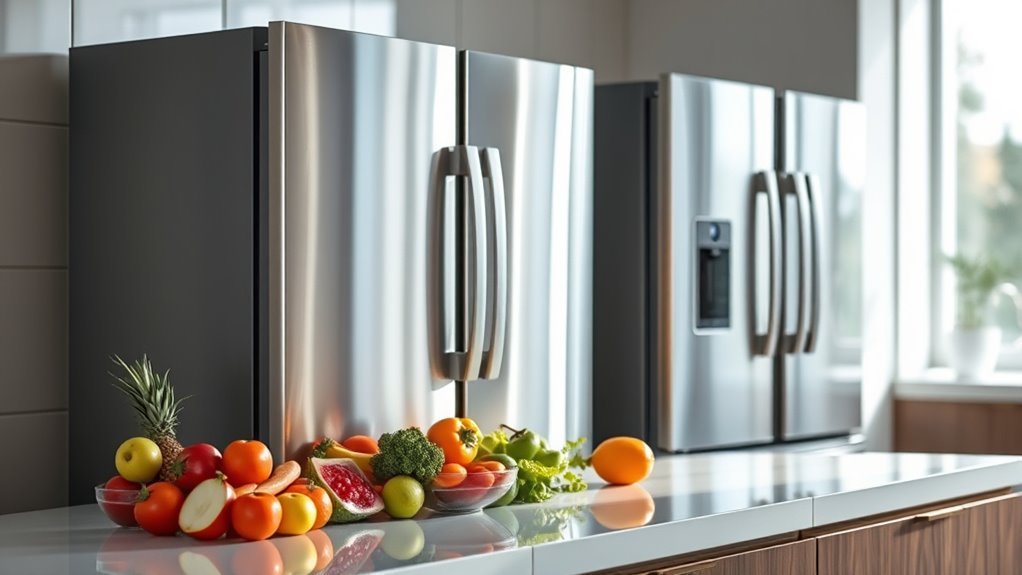
If you’re looking for energy-efficient non-inverter refrigerators in 2027, you’ve got some great options to consider. BLACK+DECKER’s 7.7 Cu. Ft. model stands out with its eco-friendly refrigerant, helping you save energy without compromising performance.
Then there’s Kenmore’s spacious 25 Cu. Ft. fridge, which is ENERGY STAR certified—perfect if you need lots of room and want to be kind to your electric bill.
For smaller spaces, a compact 3.2 Cu. Ft. mini fridge with frost-free defrost is a smart pick.
And don’t forget TCL’s 4.5 Cu. Ft. sleek unit that offers adjustable shelves for flexible storage. These models strike a great balance between energy use, noise level, and size.
Keep exploring, and you’ll find the one that fits your needs best!
| Image | Name | Editor's Rating | Price |
|---|---|---|---|

|
|
||
|
|
||

|
|
||

|
|
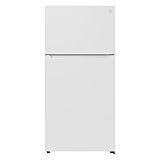
BLACK+DECKER 7.7 Cu. Ft. Top Mount Refrigerator
- Adjustable Temperature Control: Maintain optimal freshness with the adjustable temperature control feature. Set the...
- Top Freezer: Our deep freezer has a freezer shelf ideal for frozen meals, packaged meats, leftovers, ice cream, and...
- Reversible Doors: Both the freezer door and refrigerator door are reversible to accommodate left or right swing options...

Experience efficient food storage tailored for compact living with the BLACK+DECKER 7.7 Cu. Ft. Top Mount Refrigerator. This model balances generous capacity and space-saving design, helping you organize fresh and frozen items without cluttering your kitchen. Its layout makes it easy to access essentials quickly.
Maintenance is straightforward thanks to the manual defrost system, which requires occasional care to keep frost buildup in check. Mechanical temperature controls simplify adjustments, ensuring your food stays fresh without complicated settings. The quiet-close doors minimize noise, adding to a peaceful home environment.
Designed with flexibility in mind, the refrigerator offers adjustable glass shelves and reversible doors. This allows you to customize the interior space and installation to fit your unique kitchen layout. Its lightweight build at just over 80 pounds makes moving and setting up hassle-free.
Running on standard 115 volts and using eco-friendly R-600A refrigerant, this appliance combines energy efficiency with reliable performance. It’s an ideal choice for those who need a practical fridge solution without sacrificing quality or convenience.
Best for: small households or apartment dwellers seeking a compact, reliable refrigerator that maximizes storage flexibility.
What We Like:
- Adjustable shelves and reversible door enhance customization
- Quiet-close door design reduces noise
- Simple mechanical controls for easy temperature management
- Lightweight and freestanding for easy installation
Specification:
| Feature | Details |
|---|---|
| Manufacturer | BLACK+DECKER |
| Capacity | 7.7 cubic feet |
| Fresh Food Compartment | 6.21 cubic feet |
| Freezer Compartment | 1.49 cubic feet |
| Weight | 81.6 lbs (37 kg) |
| Defrost System | Manual |
| Voltage | 115 volts |
| Refrigerant | R-600A |
Kenmore 25 cu. ft. 33″ Wide Top Mount Refrigerator – White
- Full Size Capacity Refrigerator: This 33-inch, white refrigerator offers 25 cu. ft. of total storage space, giving you...
- Adjustable Spill-Proof Glass Shelves: Tempered glass shelves adjust to fit party trays, drink pitchers, or sheet cakes...
- Gallon Door Storage + Freezer Bins: 4 clear refrigerator door bins hold gallon jugs, condiments, and more. 2 full-width...
Experience efficient food storage with the Kenmore 25 cu. ft. 33″ Wide Top Mount Refrigerator in white. This model is designed to help you organize your groceries effortlessly, thanks to its adjustable spill-proof shelves that make cleaning simple and storage flexible. It’s perfect for keeping your kitchen tidy and your food items easy to access.
The refrigerator includes four clear door bins that hold gallon jugs and condiments neatly. Humidity-controlled crispers extend the freshness of your fruits and vegetables, reducing waste and saving you money. The top mount freezer offers two spacious bins, providing practical storage for frozen goods.
Energy efficiency is a priority with this appliance. It carries an ENERGY STAR certification and uses a quiet inverter compressor, ensuring reliable performance with lower energy consumption. Bright LED lighting illuminates the interior, so you can find what you need without hassle.
Maintenance is straightforward, but note that the white finish may show smudges more easily and require regular cleaning. Also, the top freezer design might not suit those who access frozen items frequently. Its 33-inch width fits well in most kitchens but may be tight in very narrow spaces.
Best for: Families or individuals seeking a spacious, energy-efficient refrigerator with versatile storage and easy maintenance.
What We Like:
- Adjustable spill-proof shelves for flexible storage and easy cleaning
- ENERGY STAR certified with a quiet inverter compressor for energy savings
- Humidity-controlled crispers to keep produce fresh longer
- Clear door bins for organized storage of large containers
- Bright, energy-efficient LED interior lighting
Specification:
| Feature | Details |
|---|---|
| Manufacturer | Kenmore |
| Capacity | 25 cubic feet |
| Width | 33 inches |
| Color | White |
| Freezer Type | Top mount freezer |
| Shelves | Adjustable spill-proof |
| Lighting | LED |
3.2 Cu. Ft. Mini Fridge with Freezer (Grey)
- 🍨 𝐒𝐌𝐀𝐋𝐋 𝐒𝐈𝐙𝐄 𝐖𝐈𝐓𝐇 𝐋𝐀𝐑𝐆𝐄 𝐂𝐀𝐏𝐀𝐂𝐈𝐓𝐘: This...
- ...
- ...
Experience the perfect blend of compact design and practical storage with the 3.2 Cu. Ft. Mini Fridge with Freezer (Grey). This mini fridge solves the challenge of limited space by fitting seamlessly into bedrooms, dorms, or offices. It provides 3.0 cu. ft. of fresh food space alongside a 0.2 cu. ft. freezer compartment, helping you keep essentials chilled and frozen without crowding your area.
Designed for ease of use, the fridge features a reversible door and an adjustable thermostat, allowing you to customize it to your space and cooling preferences. Its quiet compressor operates below 37dB, ensuring minimal noise disruption so your environment remains calm and peaceful.
Maintenance is straightforward thanks to the frost-free defrost system and a soft detachable door seal. These features reduce the hassle of manual defrosting and make cleaning simple. Plus, the built-in LED lighting enhances visibility inside, making it easy to locate items quickly.
While the freezer space is limited, it is ideal for occasional freezing needs. The compact size means less storage than a full-sized fridge but makes it a smart, energy-efficient choice for small spaces.
Best for: Individuals seeking a compact, energy-efficient mini fridge with freezer suitable for small spaces like bedrooms, dorms, or offices.
What We Like:
- Quiet operation with compressor noise under 37dB, ideal for restful environments.
- Frost-free defrost system and soft detachable door seal for easy maintenance.
- Reversible door and adjustable thermostat enhance user convenience and storage flexibility.
Specification:
| Specification | Details |
|---|---|
| Manufacturer | Not specified |
| Capacity | 3.2 Cu. Ft. |
| Fresh Food Compartment | 3.0 Cu. Ft. |
| Freezer Capacity | 0.2 Cu. Ft. |
| Color | Grey |
| Noise Level | Under 37 dB |
| Energy Consumption | 0.55 kWh/day |
TCL 4.5 Cu. Ft. Compact Single Door Refrigerator, Small, Silver
- Room for All Your Favorite Foods: Despite its compact footprint, this compact refrigerator boasts a spacious capacity of...
- Adjustable Doors: The reversible door hinges on this mini fridge allow it to be opened on the left- or right-hand side...
- Easy on the Ears: This little refrigerator is designed to operate quietly with minimal noise, so you can place it in...
Experience the convenience of compact cooling with the TCL 4.5 Cu. Ft. Compact Single Door Refrigerator. Designed to fit into small spaces, its sleek silver finish enhances any room while providing versatile storage. This fridge helps you organize your essentials efficiently, solving space limitations common in dorms, offices, or bedrooms.
The reversible door lets you choose the best opening direction to suit your room layout, making placement flexible. Inside, adjustable glass shelves and a 2-liter bottle compartment allow you to customize storage for different items. This ensures everything stays accessible and neatly arranged.
With an energy-efficient design, it consumes just 226 kWh annually, helping reduce electricity costs without sacrificing performance. Its quiet operation means it won’t disturb your work or sleep environment, enhancing comfort in small living spaces.
Maintenance is straightforward with a manual defrost system, requiring occasional care to keep it running smoothly. While it lacks a freezer compartment and offers a moderate 4.5 cubic feet capacity, it excels in providing efficient, compact refrigeration tailored to smaller households or spaces.
Best for: individuals needing a compact, energy-saving refrigerator with flexible storage options for limited spaces like dorm rooms or small apartments.
What We Like:
- Reversible door hinges for flexible placement
- Quiet operation suits sleep or work areas
- Low annual energy use reduces utility bills
- Adjustable shelves and bottle compartment for versatile storage
Specification:
| Feature | Details |
|---|---|
| Manufacturer | TCL |
| Capacity | 4.5 cubic feet |
| Door Type | Single, reversible |
| Shelves | 2 adjustable glass |
| Bottle Compartment | Fits 2-liter bottles |
| Energy Usage | 226 kWh/year |
| Color | Silver |
Factors to Consider When Choosing a Non Inverter Refrigerator
When choosing a non inverter refrigerator, you’ll want to check its energy consumption to keep costs low. It’s a good idea to consider the cooling technology and storage capacity to fit your needs comfortably.
Also, pay attention to noise levels, maintenance requirements, and overall durability. These factors will help ensure long-term satisfaction with your purchase.
Energy Consumption Levels
Although non-inverter refrigerators generally consume more energy due to their on/off compressor operation, you can manage their efficiency by considering factors like compressor size, insulation quality, and thermostat settings. Larger compressors may use more power, so choosing the right size for your needs helps cut unnecessary consumption.
Good insulation keeps cold air in, reducing how often the compressor runs. Setting the thermostat appropriately avoids overcooling and saves energy. Keep in mind that non-inverter models draw extra electricity during startup and while maintaining temperature, which can increase your power bills over time.
Regular maintenance, such as cleaning coils and checking door seals, also plays a big role in minimizing energy use. Don’t forget to check the appliance’s energy rating or annual kWh usage for a clear idea of its consumption.
Cooling Technology Type
How does the cooling technology in non-inverter refrigerators affect your daily use? These models use traditional compressors running at a fixed speed, which means the compressor cycles on and off to maintain temperature.
You’ll notice temperature fluctuations more often compared to inverter refrigerators, as the cooling isn’t continuously adjusted. The mechanical thermostat regulates the temperature but lacks the precision of variable-speed systems.
While this technology is reliable and generally less expensive upfront, it can lead to higher energy consumption and more noise during compressor cycles. When choosing a non-inverter refrigerator, consider that this simpler cooling system may impact energy costs over time and your comfort due to occasional temperature swings and compressor noise.
Understanding this will help you balance cost and performance effectively.
Storage Capacity Options
Understanding the cooling technology helps you appreciate how non-inverter refrigerators operate, but storage capacity plays an equally important role in meeting your household needs. Non inverter models usually have fixed compressor speeds, so picking the right size is key.
Check the overall volume in cubic feet to match your typical grocery load. Larger units offer more room for bulk and frozen items but may use more energy.
Pay attention to the internal layout and shelf adjustability—flexible shelving lets you maximize space efficiently. Door compartments and drawers also matter; well-designed sections help keep your food organized and easy to access.
Noise and Operation
When you choose a non-inverter refrigerator, you should expect the compressor to run at a fixed speed. This often leads to louder noise compared to inverter models. Typically, these refrigerators produce noise levels between 40 to 50 decibels, which can be noticeable in quiet rooms.
Because the compressor cycles on and off periodically, you’ll hear distinct sounds during each startup. Over time, the mechanical parts may cause increased vibration and noise, unlike the smoother operation of inverter compressors.
To reduce this noise, place your refrigerator on a level surface and consider adding sound insulation around it. Being aware of these operational characteristics will help you manage expectations and maintain a quieter environment while benefiting from energy savings offered by non-inverter refrigerators.
Maintenance and Durability
While noise and operation are important, maintaining your non-inverter refrigerator properly can greatly influence its durability and performance. Non-inverter models have simpler compressors and less complex components, which make repairs easier and less costly.
Their straightforward design also helps them handle power fluctuations better, reducing internal damage. To keep your fridge running smoothly, regularly clean the coils and door seals. This simple maintenance prolongs its lifespan considerably.
Frequently Asked Questions
How Do Non Inverter Refrigerators Compare in Noise Levels to Inverter Models?
Non-inverter refrigerators usually make more noise because their compressors run at a constant speed, unlike inverter models that adjust speed for quieter operation.
You’ll notice inverter units are generally quieter and more energy-efficient in daily use. So, if noise is a big deal for you, inverter models might be the way to go.
Can Non Inverter Refrigerators Be Used in Off-Grid Solar Setups?
Yes, you can use non inverter refrigerators in off-grid solar setups, but they’ll consume more power and cause more battery drain.
You’ll want a larger solar system or battery bank to handle their less efficient energy use. It’s doable, just less efficient compared to inverter models.
What Is the Average Lifespan of a Non Inverter Refrigerator?
You can expect a non-inverter refrigerator to last about 10 to 15 years with proper care. It’s less efficient than inverter models but still reliable if you maintain it well and avoid frequent power surges.
Just make sure to keep it clean and don’t overload it. With a little attention, these fridges can serve you well for over a decade.
Are Non Inverter Refrigerators More Prone to Temperature Fluctuations?
Yes, non inverter refrigerators are more prone to temperature fluctuations because their compressors run at fixed speeds. You’ll notice less precise cooling compared to inverter models.
Inverter refrigerators adjust compressor speed for consistent temperatures and better energy efficiency. So, they keep your food fresher and your energy bills lower.
How Does Defrosting Work in Non Inverter Refrigerators?
Defrosting in non inverter refrigerators happens manually or through automatic cycles, melting frost buildup inside.
You’ll either need to turn it off to defrost or let the appliance periodically heat the coils to clear ice.
It’s a simple process but important to keep the fridge working efficiently.
If you notice frost piling up, giving it a defrost helps maintain proper cooling.
Conclusion
So, if you’re not into saving energy or cutting down your electricity bills, these non-inverter refrigerators might not be your best pick. But hey, if you enjoy watching your meter spin faster and don’t mind a bit more noise, why not?
Just kidding—you’ll actually appreciate how these models balance performance without the fancy inverter tech. They’re perfect if you want reliability without unnecessary complexity. Sometimes, simple really is better!
When looking for the best non-inverter refrigerators in 2027, remember they offer straightforward cooling without all the extra bells and whistles. They might not be the top energy savers like inverters, but they get the job done efficiently and reliably.
So, if your priority is durability and consistent cooling rather than cutting-edge energy efficiency, these non-inverter refrigerators are a solid choice. They prove that saving energy isn’t the only way to enjoy a great fridge!