10 Best DSLR Camera Settings for Moon Pictures in 2027
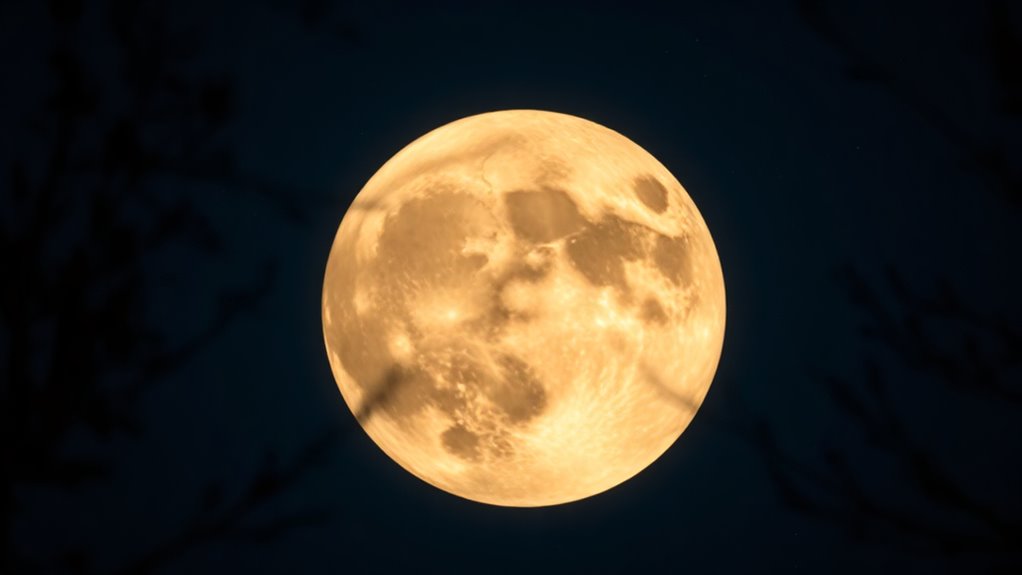
To capture stunning moon photos in 2027, set your Canon EOS 50D or similar DSLR to an aperture between f/8 and f/11 for sharp focus.
Using the right aperture is key to getting those crisp lunar details that really make your pictures stand out.
Next, use a shutter speed from 1/125 to 1/400 seconds to avoid motion blur.
You’ll want to adjust this depending on the moon’s phase because lighting changes can affect the exposure.
Keep your ISO low, between 100 and 400, to reduce noise and maintain image clarity.
Mount your camera on a sturdy tripod to keep everything steady.
Manual focus is your best friend here—it helps you lock in those crisp details that autofocus might miss.
With these essentials nailed, you’ll be ready for some advanced tips that can elevate your lunar shots even further.
| Image | Name | Editor's Rating | Price |
|---|---|---|---|

|
|
||
|
|
||
|
|
||

|
|
||

|
|
DSLR Cheat Sheet Cards for Canon, Nikon, Sony
- QUICK REFERENCE CARDS - These cheat sheets include 20 pages of helpful photography tips, printed on 11 double-sided...
- POCKET-SIZED GUIDE - At 3x4 inches, they are easy to fit in your pocket and clip to your purse or camera bag for...
- DURABLE PLASTIC - Professionally printed on glossy plastic to withstand years of use! They're rip-proof, weather-proof...
Master your DSLR photography with the DSLR Cheat Sheet Cards designed for Canon, Nikon, and Sony users. These compact, pocket-sized cards simplify complex settings like aperture, shutter speed, and ISO, helping you capture sharper moon photos and stunning backgrounds effortlessly.
The cards are printed on durable, weather-proof plastic, making them perfect for outdoor shoots in any condition. Their clear, plain-English tips guide you through manual mode and troubleshooting, so you spend less time guessing and more time shooting.
A handy carabiner lets you clip the cards to your bag for quick access, ensuring you always have essential camera knowledge on hand. Maintaining the cards is simple—they resist water and dirt, so you can wipe them clean after every adventure.
Created by photographer Meg Calton, these cheat sheets are a practical tool to build confidence and improve your DSLR skills on the go. They focus on functionality and ease of use, though they are limited to specific DSLR brands and may not cover advanced technical details.
Best for: Beginners and amateur photographers seeking a durable, portable reference to improve DSLR camera settings quickly.
What We Like:
- Weather-proof, durable plastic ideal for outdoor use
- Easy-to-understand explanations of key photography concepts
- Convenient carabiner for on-the-go accessibility
- Compact size fits easily in pockets or bags
Specification:
| Feature | Details |
|---|---|
| Manufacturer | Meg Calton |
| Dimensions | Approx. 3.5 x 2.5 in |
| Weight | Lightweight (under 50g) |
| Material | Weather-proof plastic |
| Compatible With | Canon, Nikon, Sony DSLR Cameras |
Photography Cheat Sheet Book for Beginner – 4×3 inch Pocket Size for Travel
- Quick reference cards for Sony Canon Nikon Leica Fuji Ricoh digital SLR camera settings: This 30-page photography guide...
- An easy-to-use photography books:covering exposure, aperture settings, shooting modes, histogram interpretation...
- PORTABLE TRAVEL DESIGN: Featuring a 4x3 inch pocket size with a sturdy metal clip and camera lanyard, these photographer...
Discover a handy solution for quick DSLR photography tips wherever you go. The Photography Cheat Sheet Book for Beginners offers a compact, easy-to-carry guide that fits comfortably in your pocket. Its small 4×3 inch size and lightweight design make it perfect for travel and outdoor shoots.
This 30-page guide simplifies complex photography concepts like exposure, aperture, and shooting modes. It helps you understand essential settings and histogram interpretation, improving your shots with confidence. The clear, color-coded reference tables make information easy to find and apply on the spot.
Built for durability, the book includes a sturdy metal clip and lanyard for attaching to your bag or camera strap. This means you can keep it within reach without worrying about damage or loss. Maintenance is simple—just keep it dry and clean for long-lasting use.
While ideal for beginners, the compact size means text and tables may be challenging for those with vision difficulties. It’s a practical physical tool but may not replace digital guides for some users.
Best for: Beginner DSLR users who want a portable, straightforward photography reference for travel and quick learning.
What We Like:
- Compact 4×3 inch size fits easily in pockets or bags
- Clear, color-coded tables simplify complex photography topics
- Durable metal clip and lanyard ensure easy access during shoots
- Lightweight design ideal for travel and outdoor use
Specification:
| Feature | Details |
|---|---|
| Manufacturer | Not specified |
| Dimensions | 4 x 3 inches |
| Weight | 4.6 ounces |
| Pages | 30 |
| Material | Not specified |
| Color Options | Color tables with multicolor print |
DSLR Photography Cheat Sheet Credit Card Size
- 📷 QUICK PHOTOGRAPHY REFERENCE CARDS - Printed on PVC plastic making them waterproof and durable.
- 📷 EASY TO UNDERSTAND – Quick, easy reference for aperture, shutter speed, ISO, white balance, ND filters, and flash...
- 📷 BEGINNING, INTERMEDIATE & ADVANCED PHOTOGRAPHERS – these cheat sheets are appropriate for all levels of...
Capture the moon with confidence using this credit card-sized DSLR Photography Cheat Sheet. It puts essential camera settings at your fingertips, helping you quickly adjust aperture, shutter speed, ISO, and more for stunning lunar shots. No more fumbling through menus or guessing exposure—this compact guide streamlines your workflow.
Made from waterproof PVC, the cheat sheet is designed to withstand outdoor conditions. Its durable construction means it won’t wear out in your wallet or camera bag. Simply wipe it clean to keep it looking new, making it a reliable companion for every shoot.
This cheat sheet supports a range of cameras, including Nikon, Canon, Sony, and film models. It also includes advanced details like Neutral Density filter calculations, giving you the tools to handle tricky lighting situations. Its concise layout ensures quick reference without overwhelming you.
Though the card’s size limits in-depth explanations, it covers the core settings needed for moon photography. It’s a practical tool that fits in your pocket and improves your shooting experience by saving time and reducing errors.
Best for: Photographers at any skill level who want a durable, portable guide for quick moon photography settings adjustments.
What We Like:
- Compact, credit card size fits easily in wallet or bag
- Waterproof PVC material ensures long-lasting durability
- Covers essential and advanced camera settings for multiple brands
- Helps reduce guesswork and speeds up camera adjustments
Specification:
| Feature | Details |
|---|---|
| Manufacturer | New York City Photo Safari |
| Dimensions | 3.37 x 2.125 inches |
| Weight | Lightweight (approx. credit card weight) |
| Material | Waterproof PVC |
| Color Options | Standard white with black text |
EF/EF-S 420-800mm F8.3 Telephoto Zoom Lens
No products found.
The EF/EF-S 420-800mm F8.3 Telephoto Zoom Lens offers impressive reach for capturing distant subjects with clarity. Its extended zoom range allows you to photograph the moon, wildlife, or faraway landscapes in fine detail. This manual focus lens gives you precise control over your framing and focus.
Designed to work with most Canon EOS cameras, it’s a versatile tool for photographers ready to explore manual settings. The lens features an HD coating that reduces glare and enhances image sharpness. Digital image stabilization helps minimize blur, improving the quality of your shots.
To use this lens effectively, switch your camera to manual mode and enable “Release shutter without lens” to avoid errors. Its fixed aperture at f/8.3 means it performs best in well-lit conditions and requires thoughtful exposure adjustments. Regular cleaning of the lens surface and careful handling will maintain its performance.
This lens is ideal for photographers interested in mastering manual focus and long-range photography. It balances functionality with a straightforward design, though it demands patience and practice for fast-moving subjects.
Best for: photographers and enthusiasts seeking a manual focus telephoto zoom lens for detailed, distant photography of the moon, wildlife, and landscapes.
What We Like:
- Powerful 420-800mm zoom range for long-distance shots
- Compatible with most Canon EOS camera models
- HD coating improves image clarity
- Digital image stabilization reduces blur
Specification:
| Specification | Details |
|---|---|
| Manufacturer | Canon |
| Focal Length | 420-800mm |
| Maximum Aperture | f/8.3 |
| Mount Type | EF/EF-S |
| Focus Type | Manual |
| Coating | HD Coating |
| Stabilization | Digital Image Stabilization |
| Compatibility | Canon EOS Cameras |
Canon EOS 50D 15.1 MP Digital SLR Camera Kit (Black)
- 15.1-megapixel CMOS sensor with improved noise reduction
- EF 28-135mm f/3.5-5.6 IS USM standard zoom lens included
- Enhanced Live View shooting includes Face Detection Live mode
Capture the moon’s beauty with precision using the Canon EOS 50D DSLR camera. Its 15.1-megapixel APS-C sensor ensures sharp, detailed images that bring lunar landscapes to life. This camera’s fast DIGIC 4 processor helps maintain rich colors and fine details, even in challenging lighting conditions.
Designed for clear night shots, the EOS 50D offers an impressive ISO range up to 12800 with noise reduction. This minimizes graininess when shooting in low light. The quick 1/8000-second shutter speed lets you freeze fast moments, while the bright 3-inch Clear View LCD makes framing your shots effortless.
The camera’s 9 cross-type autofocus points lock focus accurately, even in darkness. It supports a wide range of Canon EF and EF-S lenses, allowing you to choose powerful telephoto options for stunning close-ups of the moon. Maintenance is straightforward, with a durable build that stands up to regular use.
While the EOS 50D lacks modern connectivity like Wi-Fi and has limited video functions, it remains a reliable tool for serious photographers who value image quality and speed over extra features.
Best for: Enthusiast photographers seeking a versatile DSLR with high resolution and strong low-light performance for detailed moon and nature photography.
What We Like:
- Sharp, detailed 15.1 MP APS-C sensor
- Fast 1/8000-second shutter and 6.3 fps shooting speed
- Precise 9 cross-type autofocus points
- Supports a wide range of Canon EF and EF-S lenses
Specification:
| Feature | Details |
|---|---|
| Manufacturer | Canon |
| Sensor Resolution | 15.1 megapixels |
| Sensor Type | APS-C |
| Processor | DIGIC 4 |
| ISO Range | Up to 12800 |
| Shutter Speed | 1/8000 second max |
| Continuous Shooting | 6.3 frames per second |
| LCD Screen Size | 3 inches (Clear View LCD) |
| Autofocus Points | 9 cross-type |
| Lens Compatibility | Canon EF and EF-S |
| Color | Black |
| Weight | Approx. 730 g (1.6 lb) |
JINTU 420-1600mm F/8.3 Telephoto Zoom Lens Canon
- ★ This is a 420-800mm telephoto lens add extra 2X teleconverter lens become 1600mm focal. It's a Manual lens only work...
- ★ Compatibility with Canon EF/EF-S Mount---- Our telephoto lens is designed to fit a variety of Canon models including...
- ★ Long Distance Capabilities-- - 420-800mm manual focus telephoto lens excels at capturing detailed images of distant...
Capture distant details with the JINTU 420-1600mm F/8.3 telephoto zoom lens, designed to bring faraway subjects clearly into view. Its super-telephoto range lets you focus on the moon or wildlife from a great distance, solving the challenge of detailed long-range photography.
This lens uses manual focus and smooth zoom rings, offering precise control while mounted on a tripod for steady shots. Its robust metal construction and multi-coated glass reduce flare and ghosting, ensuring sharper images with minimal distractions.
Maintenance is simple thanks to the included cleaning kit and protective storage bag. The lens hood and caps further protect the optics, helping preserve image quality over time. This makes the lens a durable choice for outdoor photography in varying conditions.
Designed specifically for Canon EF and EF-S mounts, it integrates seamlessly with many Canon DSLR cameras. The fixed aperture of F8.3 to F16 balances depth of field with image brightness, though it may limit performance in low-light situations.
Best for: photographers seeking a high-magnification, manual focus telephoto lens for detailed lunar, wildlife, and distant subject photography using Canon DSLR systems.
What We Like:
- Very long focal length range (420-1600mm with 2X teleconverter) for extreme telephoto shots
- Durable metal build with anti-reflection multi-coated glass for clear, flare-free images
- Includes lens hood, cleaning kit, and storage bag for convenient maintenance and protection
Specification:
| Feature | Details |
|---|---|
| Manufacturer | JINTU |
| Focal Length | 420-1600mm (with 2X teleconverter) |
| Aperture | F8.3 to F16 |
| Mount Compatibility | Canon EF/EF-S |
| Construction | Metal body with multi-coated optics |
| Included Accessories | Lens hood, caps, cleaning kit, storage bag |
| Weight | Not specified |
DSLR Photography Cheat Sheet Cards by Out of Auto

- Waterproof PVC Photography Reference Cards with clip to attach to camera bag, 16 double sided durable cards
- Must have Camera Accessory for any Beginner / Intermediate Photographer, take them with you and never miss that perfect...
- Exposure Triangle, Shutter Speed, ISO, Aperture, Camera Setting Guide all included in Out of Auto
Master manual camera settings with the DSLR Photography Cheat Sheet Cards by Out of Auto. These compact, waterproof cards solve the common problem of fumbling through bulky manuals while shooting. They offer quick, clear guidance on key topics like the Exposure Triangle, Shutter Speed, ISO, and Aperture, helping you capture sharp, well-exposed moon photos and more.
Designed for easy use in the field, these durable cards resist water, tears, and weather. Their pocket-sized format with a metal clip lets you keep essential tips within reach, so you never miss a shot. The clear graphics and concise explanations simplify complex concepts, making manual mode easier to navigate.
Maintaining the cards is hassle-free; simply wipe them clean after use. Their sturdy material ensures they hold up through various shooting conditions, from bright daylight to night photography. Attach them to your camera bag and leave heavy guides behind.
While these cards are ideal for beginners and intermediate users, they focus mainly on manual mode and quick reference. They may not replace detailed manuals for advanced photographers and lack digital update options.
Best for: Beginners and intermediate photographers seeking a durable, easy-to-carry manual camera settings guide for improved control and confidence.
What We Like:
- Waterproof, rip-resistant, and weatherproof for reliable outdoor use
- Compact design with ring and clip for quick access
- Clear, concise tips and visuals simplify manual photography
- Covers essential topics for various cameras and environments
Specification:
| Manufacturer | Out of Auto |
|---|---|
| Dimensions | 3.5 x 2.5 inches |
| Weight | 0.5 oz (approx.) |
| Material | Waterproof, durable plastic |
| Color Options | Standard (multi-color graphics) |
EF/EF-S/F 420-1600mm Telephoto Zoom Lens

- 【MANUAL FOCUS SUPER-TELEPHOTO — DESIGNED FOR TRIPOD, M MODE AND STATIC SUBJECTS】 This 420-800mm lens is manual...
- 420–800MM MANUAL SUPER TELEPHOTO ZOOM LENS — Shoot distant birds, wildlife, the moon and outdoor sports from far...
- 【 REACH FOR MOON AND DISTANT DETAIL】 The long focal range brings far-away subjects closer, making it a practical...
Experience incredible reach with the EF/EF-S/F 420-1600mm Telephoto Zoom Lens, designed for photographers who demand precision in distant subjects. This lens lets you capture detailed images of the moon or far-off wildlife, solving the challenge of extreme telephoto photography with ease.
Its focal length extends from 420mm up to 1600mm with the included 2X teleconverter. The fixed F8.3 aperture ensures consistent exposure throughout the zoom range, making your shots reliable and sharp. The manual focus design allows for precise adjustments, ideal for static subjects where accuracy matters most.
Built with a durable metal barrel and multi-coated optics, this lens reduces flare and ghosting while withstanding regular use. Maintenance is straightforward, supported by included cleaning tools that help keep the lens in optimal condition for your astrophotography sessions.
Since the lens relies on tripod support for stability, the built-in mounting collar provides secure handling during long exposures. Compatible with both Canon and Nikon DSLR cameras, it integrates smoothly into your existing gear.
Best for: photographers seeking extreme telephoto reach for detailed, static subject photography such as moon shots and distant wildlife using Canon or Nikon DSLR cameras.
What We Like:
- Extended focal length up to 1600mm for capturing fine details
- Durable metal construction with multi-coated lens elements
- Includes adapters for Canon and Nikon mounts plus cleaning accessories
- Built-in mounting collar enhances tripod stability
Specification:
| Feature | Details |
|---|---|
| Manufacturer | Not specified |
| Focal Length | 420-1600mm (with 2X teleconverter) |
| Aperture | Fixed F8.3 |
| Mount Compatibility | Canon EF/EF-S and Nikon DSLR |
| Focus Type | Manual focus |
| Material | Metal barrel |
| Weight | Not specified |
Sigma 70-300mm f/4-5.6 Telephoto Zoom Lens

- 14 Elements in 10 Groups Lens Construction
- 34.3 to 8.2 degrees angle of view
- F22 Minimum Aperture
Capture stunning, sharp images of the moon and distant subjects with the Sigma 70-300mm f/4-5.6 telephoto zoom lens. Its versatile focal range lets you zoom in close for detailed shots, while the 9-blade diaphragm creates smooth, pleasing bokeh effects. This lens is designed to help you overcome common issues like chromatic aberration and flare.
The inclusion of SLD glass minimizes color fringing, and the super multi-layer coating reduces glare and ghosting—essential for clear night photography. Autofocus is powered by a built-in motor, ensuring compatibility and smooth operation with Nikon DSLR cameras. Weighing just 540 grams, it’s easy to carry and handle during extended shoots.
This lens also offers a unique 1:2 macro capability, allowing you to capture intricate lunar surface details and other close-up subjects. However, it is not water-resistant, so extra care is needed when shooting in damp or challenging weather conditions. The minimum focusing distance varies across the zoom range, which may limit some close-up flexibility outside the macro mode.
Best for: Photographers using Nikon DSLRs who want an affordable, lightweight telephoto zoom lens with macro capabilities for wildlife, sports, and detailed moon photography.
What We Like:
- Effective chromatic aberration control with SLD glass and anti-flare coating
- Smooth bokeh from 9-blade diaphragm and flexible 70-300mm zoom range
- Built-in autofocus motor compatible with all Nikon digital cameras
- Lightweight design (540g) for comfortable handling
Specification:
| Feature | Details |
|---|---|
| Manufacturer | Sigma |
| Focal Length | 70-300mm |
| Aperture Range | f/4-5.6 |
| Diaphragm Blades | 9 |
| Weight | 540 g (1.19 lb) |
| Compatibility | Nikon DSLRs with AF motor |
| Special Feature | 1:2 Macro Capability |
| Coating | Super Multi-Layer Coating |
| Glass Element | SLD Glass |
| Water Resistance | No |
Sigma 100-400mm f/5-6.3 DG OS HSM Contemporary Lens for Canon EF

- Full Frame Lens with APS-C compatibility
- Compact size meets strong image quality
- Ideal Use: Travel photography, wildlife photography, nature photography and bird photography
Capture breathtaking moon shots with the Sigma 100-400mm f/5-6.3 DG OS HSM Contemporary Lens designed for Canon EF cameras. Its extensive telephoto zoom range allows you to frame distant subjects with precision. The Optical Stabilizer helps reduce blur caused by hand shakes, ensuring crisp images even at long focal lengths.
This lens features a fast autofocus system powered by the Hyper Sonic Motor, which keeps your shots sharp and responsive. Its compact and lightweight design makes it easy to carry for night photography or outdoor adventures. A water-repellent coating adds protection against moisture, helping maintain performance in various weather conditions.
Maintenance is straightforward thanks to its durable build and protective coatings. While the f/6.3 maximum aperture limits low-light and depth-of-field control, the lens excels at capturing distant wildlife, the moon, and other remote subjects. Keep in mind, the 67mm filter size may require compatible accessories.
Best for: photographers using Canon EF-mount cameras who want a versatile, lightweight telephoto zoom lens ideal for detailed lunar, wildlife, and long-distance photography.
What We Like:
- Lightweight, compact design for easy transport
- Optical Stabilizer and Hyper Sonic Motor deliver sharp, steady images
- Water-repellent coating enhances durability and reliability
Specification:
| Feature | Details |
|---|---|
| Manufacturer | Sigma |
| Lens Mount | Canon EF |
| Focal Length | 100-400mm |
| Maximum Aperture | f/5-6.3 |
| Optical Stabilizer | Yes |
| Autofocus Motor | Hyper Sonic Motor (HSM) |
| Filter Size | 67mm |
| Weight | Approx. 1160g (2.56 lb) |
Factors to Consider When Choosing the Setting for Moon Pictures DSLR Camera
When setting up your DSLR for moon pictures, you’ll want to carefully choose your aperture, shutter speed, and ISO to capture sharp details. These settings play a big role in how clear and vibrant your photo turns out.
Using manual focus really helps to nail those fine details, and picking the right lens can make a huge difference too. Let’s break down how these factors come together for the best results.
Aperture Selection Tips
Aperture plays an essential role in capturing sharp and detailed moon pictures with your DSLR camera. You’ll want to use a smaller aperture, typically between f/8 and f/11, to guarantee sharp focus and adequate depth of field while minimizing lens aberrations.
Avoid wider apertures, as they can cause overexposure and glare, washing out the moon’s surface details. Balancing aperture with shutter speed is key—you’ll pair your chosen aperture with a fast shutter speed to prevent motion blur from Earth’s rotation.
Using a tripod helps stabilize your camera, especially if you experiment with lower apertures or longer exposures. Don’t hesitate to review your histogram and adjust aperture settings to avoid clipping highlights and achieve the perfect exposure for the moon’s bright surface.
Ideal Shutter Speed
Choosing the right shutter speed is essential for capturing sharp and detailed moon photos with your DSLR camera. Typically, you’ll want to use a shutter speed between 1/125 and 1/400 seconds, depending on the moon’s phase and brightness.
When the moon is full, aim for 1/250 seconds or faster to avoid motion blur caused by its movement. This is especially important if you’re using a telephoto lens. For more detailed surface shots, 1/125 seconds works well to let in enough light without overexposing.
Don’t forget to balance your shutter speed with aperture and ISO settings to maintain proper exposure. Adjusting these elements together guarantees you capture crisp moon images with the right brightness and sharpness every time.
Optimal ISO Settings
Balancing shutter speed with the right ISO setting helps you capture the moon’s details without unwanted noise. For moon photography, stick to a lower ISO between 100 and 400 to keep your images clear and minimize graininess.
Since the moon’s brightness changes with its phase, you might need to adjust your ISO accordingly—full moons require less sensitivity, while crescent moons might need a slight boost. Using a tripod lets you shoot at these lower ISO settings without worrying about camera shake during longer exposures.
If conditions are darker, you can experiment with ISO 800 to 1600, but be cautious as higher ISO values often introduce noise that can blur fine lunar details. It’s a good idea to test different settings to find the perfect balance for your moonshot.
Manual Focus Usage
When you switch to manual focus for moon photography, you gain precise control over the exact point you want sharp. This is super important since autofocus often struggles with the moon’s low-contrast surface.
Make sure to use a tripod to stabilize your camera and minimize vibrations. This way, you can capture crisp details on the lunar surface without any blur.
Set a narrow aperture (a higher f-stop) to increase the depth of field. This helps keep the moon sharp against the dark sky.
Adjust the shutter speed carefully. Slower speeds gather more light but require even more precise focus to avoid blur.
Don’t forget to check the histogram to balance exposure. You want to prevent the moon from overexposing while still preserving its intricate textures.
Manual focus might take some practice, but trust me, it’s totally worth it for sharp, detailed moon shots.
Lens Choice Importance
Although the camera body plays a role, the lens you pick has the biggest impact on your moon photos. You’ll want a telephoto lens with a focal length of 300mm or more to capture detailed close-ups of the lunar surface.
Choose a lens with a moderately narrow aperture, around f/8 to f/11, to get sharp images while minimizing diffraction. Lenses with image stabilization help reduce blur, especially if you’re shooting handheld in low light.
Multi-coated optics are also key—they cut down flare and ghosting, boosting contrast against the dark sky. Remember, your lens choice directly affects image quality, so prioritize these features to capture the moon’s details vividly and clearly.
Stability and Tripod Use
Since even the slightest movement can blur your moon shots, using a sturdy tripod is crucial to keep your camera steady. A solid tripod minimizes camera shake, especially when using long focal lengths like 800mm or more. This helps you capture sharp, detailed images.
It also lets you use longer exposure times without blur, which is critical in low-light moon photography. Windy conditions make stability even more important because small vibrations can ruin your shot.
To work efficiently, choose a tripod with a quick-release plate. That way, you can adjust and reposition your camera quickly while still keeping it stable.
Prioritizing stability and tripod use guarantees your moon pictures come out crisp and clear every time you shoot. It’s definitely worth the effort!
Frequently Asked Questions
How Do Moon Phases Affect DSLR Camera Settings?
Moon phases affect your DSLR settings by changing brightness and detail visibility. During a full moon, use lower ISO and faster shutter speed.
For crescent or new moons, increase ISO and slow shutter speed to capture dimmer light. It helps to adjust these settings so your photos don’t come out too dark or blurry. Just think about how much light the moon is giving off, and tweak your camera accordingly!
What Is the Best Time for Moon Photography?
You’ll want to shoot during the golden hour, about 30 minutes after sunset. That’s when the moon’s glow contrasts beautifully against the darkening sky.
This timing sharpens details, making your photos pop with stunning clarity and depth. It really brings out the best in your moon shots.
Should I Use Manual or Auto Focus for Moon Shots?
You should use manual focus for moon shots. It gives you precise control and sharper images since autofocus often struggles with the moon’s low contrast and distance.
Turn off autofocus and adjust focus carefully for the best results. This way, you can really fine-tune the sharpness and capture all those beautiful details.
How to Reduce Noise in Moon Pictures?
You can reduce noise by using a low ISO setting, shooting in RAW, and applying noise reduction in post-processing.
Also, keep your exposure time short to avoid graininess and use a tripod to stabilize your shots.
These little steps really help make your moon pictures clearer and cleaner. Give them a try next time you’re out shooting!
Can I Capture Lunar Eclipses With a DSLR?
You can definitely capture lunar eclipses with a DSLR! Since total eclipses last about an hour, you’ve got plenty of time to experiment with settings.
This means you can capture stunning, detailed shots of the moon’s changing colors and shadows. It’s a great chance to play around and get some amazing photos!
Conclusion
You might think moon photography requires expensive gear or expert skills, but that’s not true. With the right DSLR settings and lenses, like the ones we’ve covered, you can capture stunning moon shots even as a beginner.
Just remember to adjust your shutter speed, ISO, and aperture carefully. Keep practicing with these tips, and you’ll be amazed at the results.
So grab your camera, try these DSLR camera settings for moon pictures, and enjoy shooting the moon in 2027! With patience and the right approach, you’ll be taking amazing moon photos before you know it. Happy shooting!