
7 Facts About Using Kosher Salt for Canning Salt
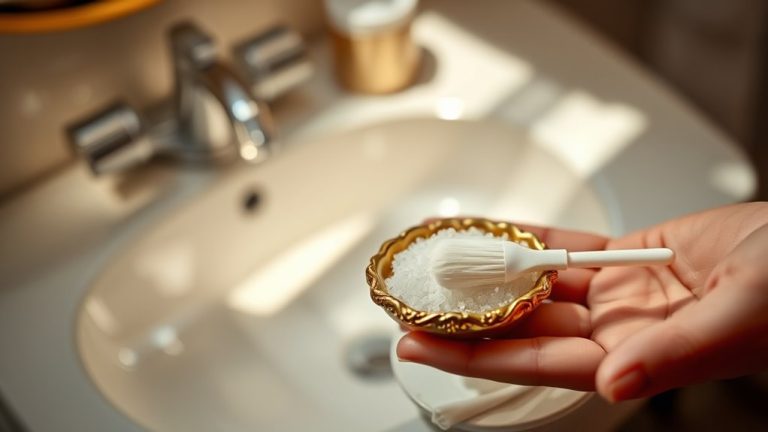
You can substitute kosher salt for canning salt, but you’ll need about 25% more by weight due to its larger crystals. Always weigh it for accuracy since volume measurements vary by brand.
Kosher salt dissolves slower, which helps with moisture extraction but may affect brine clarity if it contains additives like anti-caking agents. Using a pure, additive-free kosher salt preserves flavor and appearance best.
Keep these tips in mind to get the most from kosher salt in your canning process. It’s all about balancing the texture, taste, and clarity when you’re preserving your favorite foods.
Key Takeaways
- Kosher salt can replace canning salt but requires about 25% more by weight due to larger grain size. So, keep that in mind when you’re measuring it out.
- Always measure kosher salt by weight, not volume. This helps make sure you get the right salt concentration for your canning.
- Many kosher salts contain anti-caking agents. These can cause cloudiness and discoloration in your pickling brine, which isn’t ideal.
- Using additive-free kosher salt is a better choice. It keeps your brine clear, preserves the natural color, and supports good fermentation in your canned goods.
- Coarse kosher salt dissolves slowly. This actually helps with moisture extraction and can improve preservation during curing and pickling.
Can You Substitute Kosher Salt for Canning Salt?
Although kosher salt can replace canning salt, you’ll need to use about 25% more because of its larger grains. When swapping kosher salt for canning salt, it’s best to measure by weight rather than volume to make certain you get the proper salt concentration.
Use 25% more kosher salt by weight to match canning salt’s concentration accurately.
This is essential since kosher salt crystals are coarser and dissolve more slowly, which can affect your pickling results if you don’t adjust the amount. Keep in mind that many kosher salts contain anti-caking agents, which might cause cloudiness in your brine—a common issue when clarity is important.
To avoid this, choose a pure, additive-free kosher salt for your canning projects. By making these adjustments, you can confidently substitute kosher salt for canning salt without compromising the safety or flavor of your preserved foods.
Just be mindful of the differences to maintain the quality of your canned goods.
Why Home Canners Love Kosher Salt for Preservation
You’ll find that kosher salt’s coarse texture dissolves slowly, giving you better control over salt levels during preservation. Since many kosher salts don’t contain additives, your canned goods stay clear and free from cloudiness.
Plus, its natural grain size makes it easy to measure accurately, helping you follow recipes with confidence. It’s little details like these that home canners really appreciate!
Texture Benefits For Preservation
When you choose kosher salt for canning, its coarse texture plays a crucial role in preserving your foods. The larger crystal size and grain size help draw moisture out of vegetables and meats effectively, which enhances preservation.
Because the crystals dissolve slowly, you gain better control during curing and pickling. This helps you maintain the right salt concentration over time.
The coarse grains also prevent clumping, so your salt distributes evenly in brines and marinades. That way, you get consistent flavor and texture every time.
Plus, the natural grain size makes kosher salt easier to handle and spread. It gives you reliable results with every batch.
These texture benefits are why home canners trust kosher salt to keep their preserves fresh and flavorful.
Measuring And Substitution Tips
Because kosher salt has larger crystals than canning salt, you’ll need about 25% more by weight to match the same level of salinity. When making substitutions, avoid measuring by volume since kosher salt’s coarse texture leads to inaccurate measurements.
Instead, use a kitchen scale for precise measurements and consistent results. Many home canners love kosher salt because it’s additive-free, ensuring clear brines and safe preservation.
Here’s a quick guide for substitution:
| Salt Type | Volume Equivalent | Weight Equivalent |
|---|---|---|
| Canning Salt | 1 tsp | 5 g |
| Kosher Salt | ~1.25 tsp | 6.25 g (25% more) |
For safe canning, always verify your kosher salt is free from anti-caking agents before substitution. It’s a simple step that keeps your preserves safe and tasty!
Impact Of Additives
Although kosher salt often contains additives like anti-caking agents, many home canners choose pure, additive-free varieties to keep their canned goods clear and visually appealing. These anti-caking agents, such as sodium ferrocyanide, can cause cloudy brine, which diminishes the look of your preserved foods.
Additives may also lead to discoloration or off-colors over time, impacting the quality of your jars. By using kosher salt without these additives, you maintain the clarity and safety of your pickling and canning solutions.
This helps preserve the intended texture and appearance of your canned goods, ensuring they stay fresh and appetizing longer. Choosing additive-free kosher salt is a smart step to protect both your food’s visual appeal and its preservation integrity.
How Kosher Salt’s Grain Size Affects Measurement and Use

Since kosher salt’s grains are much larger and coarser than finer salts like canning salt, you’ll find that measuring it by volume can throw off your recipe’s accuracy. The grain size means a tablespoon of kosher salt weighs less than the same volume of finer salts, making volume-based measurement unreliable.
Kosher salt’s larger grains make volume measurements less accurate than finer salts like canning salt.
To get consistent results, you should rely on weight measurements instead of cups or tablespoons.
Additionally, the coarse grain size causes kosher salt to dissolve more slowly, which can affect how quickly your brine forms during canning. Be aware that different brands of kosher salt vary in crystal size, further complicating volume measurement.
Because of these factors, weighing your salt ensures you use the right amount every time, preventing under- or over-salting.
Paying attention to grain size and measurement will help you maintain precision and achieve the best results when using kosher salt for canning.
Why You Must Adjust Kosher Salt Quantities When Substituting
When you substitute kosher salt for canning salt, you’ll need to increase the amount by about 25% to match the saltiness. This adjustment is essential because kosher salt’s coarse grains take up more space, so a teaspoon holds less actual salt compared to canning salt.
If you don’t adjust, you risk under-salting, which can affect both flavor and the safety of your canned goods. Here’s why you must adjust:
- Kosher salt’s larger crystals displace volume, reducing salt concentration per measured spoon.
- Measuring kosher salt by volume leads to inconsistent results compared to finer canning salt.
- Under-salting can compromise preservation, potentially causing spoilage in your cans.
- Weighing kosher salt ensures you add the correct amount, keeping your canning process reliable.
Tips for Measuring and Using Kosher Salt Accurately
To measure kosher salt accurately, rely on weight rather than volume because its large, irregular crystals can make spoon measurements misleading.
Since the grains of kosher salt vary in size and shape, measuring by volume often results in using less salt than intended. A kitchen scale helps you measure kosher salt precisely, ensuring your canned goods maintain safety and flavor balance.
Remember, finer grains pack more densely, so adjust accordingly. Also, avoid salts with anti-caking agents to prevent cloudiness in your jars.
Use about 25% more kosher salt by weight compared to canning salt for correct salinity.
| Grain Size | Volume (1 tbsp) | Weight (grams) |
|---|---|---|
| Coarse | 1 tbsp | 15 g |
| Medium | 1 tbsp | 12 g |
| Fine | 1 tbsp | 10 g |
How Kosher Salt’s Purity Improves Flavor and Appearance
When you use pure kosher salt without additives, your brine stays clear and free from cloudiness. This purity helps preserve the natural color and fresh appearance of your canned vegetables and pickles.
Purity Effects On Brine
Because kosher salt contains no anti-caking agents or additives, it keeps your brine clear and visually appealing. Its purity directly impacts the quality of your canned goods by enhancing both flavor and clarity.
When you use kosher salt, you’ll notice your brine remains free of cloudiness and discoloration. Plus, natural flavors shine without chemical interference.
Salt dissolves evenly, ensuring a consistent taste. And the original colors stay vibrant over time.
This high level of purity means your brine won’t contain impurities that can alter the taste or appearance of your pickled foods. By choosing pure kosher salt, you maintain a clean, crisp brine that highlights the true flavors and textures of your canned creations.
Your results will be both delicious and visually satisfying.
Appearance Benefits Of Purity
Although many salts can cloud your brine and dull your canned goods, kosher salt’s purity keeps everything clear and vibrant. Its lack of additives and anti-caking agents means your brine stays transparent, enhancing the overall appearance of your canned foods.
When you use pure kosher salt, you prevent cloudiness and discoloration, preserving the natural, vibrant colors of pickles and vegetables. This clarity not only makes your jars more visually appealing but also signals freshness and quality.
Because kosher salt contains no impurities, it maintains the aesthetic quality of your canned products over time, making sure they look just as appetizing weeks or months later. Choosing kosher salt means you’re prioritizing both flavor and the beautiful appearance that purity delivers.
When Kosher Salt Isn’t the Best Choice for Pickling or Fermentation
If you want clear, visually appealing pickles or fermented vegetables, you should be cautious about using kosher salt. While kosher salt is popular for its texture and purity, it isn’t always the best choice for pickling.
Many kosher salts contain anti-caking agents that can cause cloudiness and discoloration in your brine. This can really detract from the final look of your preserved goods.
Many kosher salts have anti-caking agents that cloud and discolor brine, impacting your pickles’ appearance.
Here are key reasons why kosher salt might not be ideal for pickling or fermentation:
- Anti-caking additives can cloud and discolor pickling brine.
- Coarse grains dissolve unevenly, causing inconsistent salt levels.
- Larger grain size makes precise measurement difficult, affecting recipe accuracy.
- Additives can compromise the clarity and fermentation quality of vegetables.
For the best results, choose non-iodized, additive-free salts that are specifically designed for canning and pickling. This way, you’ll get clear brines and consistent fermentation every time.
Frequently Asked Questions
Why Use Kosher Salt for Canning?
You use kosher salt for canning because it dissolves well and avoids additives that cloud the brine. It also helps prevent clumping, which makes the process smoother.
Just remember to weigh it since you’ll need about 25% more than regular canning salt. It’s a small adjustment that makes a big difference!
What Is the Best Salt for Canning?
You should use pure, additive-free canning or pickling salt for the best results. It dissolves evenly and keeps your preserves clear and safe.
Avoid table salt with additives to prevent cloudiness and discoloration. Trust me, it makes a noticeable difference!
Why Do Non-Jews Use Kosher Salt?
You use kosher salt because it’s like a handful of tiny crystals that are easy to pinch and sprinkle. Its coarse texture helps you measure by sight and control seasoning better than fine table salt.
It’s kind of like having a little more control in your hands. Plus, it doesn’t clump up like regular table salt, making it easier to handle while cooking.
Can I Use Kosher Salt to Replace Canning Salt?
Yes, you can use kosher salt to replace canning salt, but you’ll need to measure by weight and guarantee it’s additive-free.
Make sure to dissolve it thoroughly to avoid crystal issues and maintain the right salt concentration for safety. It’s important because the texture and grain size of kosher salt can vary quite a bit.
Conclusion
When canning, using kosher salt can be a game-changer, but you’ve got to measure carefully—its larger grains aren’t a one-to-one swap with canning salt. Think of it like a dance: one misstep, and the whole jar’s flavor could falter.
Adjust quantities, savor the purity, and enjoy better texture and taste. Just remember, kosher salt isn’t always the perfect partner for every pickling or fermenting recipe.
Handle it with care, and your preserves will shine. Using kosher salt for canning salt brings benefits like improved texture and a cleaner taste, but it requires attention to grain size and measurement. When you get it right, your pickles and preserves will have that perfect balance of flavor and quality. So, if you’re thinking about switching to kosher salt for canning, keep these points in mind to ensure your jars turn out delicious every time.